
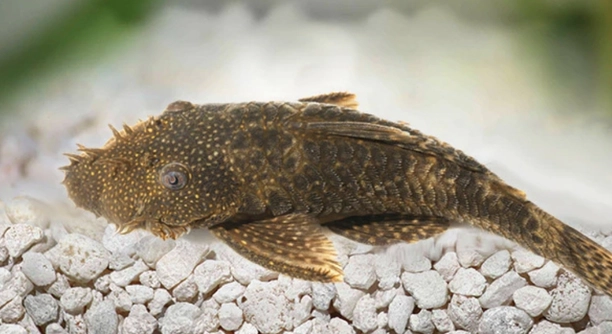
Plecos are fascinating creatures in the aquarium world, but sometimes they tend to hide more than we’d like. Understanding why your pleco is hiding so much can help ensure they’re healthy and happy in their environment.
There are several reasons why plecos may hide too much, including poor water conditions, inadequate tank size, stress, illness, or a lack of hiding spots. Each of these factors can make your pleco feel unsafe or uncomfortable, leading to excessive hiding.
By recognizing these issues, you can take steps to improve their well-being. Learning more about what makes plecos hide can help create a better environment for them. Let’s take a closer look at the main causes.
Poor Water Conditions
When water quality is poor, plecos will often retreat into hiding. They are very sensitive to changes in water conditions, such as pH, ammonia, nitrite, and nitrate levels. Even small shifts in these parameters can cause stress, making your pleco feel unsafe and uncomfortable. If the water smells or looks cloudy, it’s a sign that something might be wrong.
It’s important to check the water regularly to ensure that it’s clean and balanced. Plecos thrive in stable conditions, so if you notice any irregularities, make adjustments quickly to help them feel more at ease.
Regular water changes and a good filtration system can keep the tank environment safe for your pleco. By maintaining healthy water conditions, your pleco will be less likely to hide and more likely to explore the tank. It’s also a good idea to use a water testing kit to monitor parameters frequently. Taking these simple steps ensures that your pleco will stay active and happy.
Tank Size and Space
A small or cramped tank can also cause your pleco to hide. These fish need plenty of space to swim and explore. If your tank is too small, it might feel overwhelming for your pleco, causing it to retreat.
Plecos require large tanks, usually around 75 gallons or more, depending on the species. A spacious tank will provide your pleco with areas to hide when needed, but also enough open space to feel comfortable and safe.
Without enough space, plecos can become stressed and anxious. They may not have room to establish a territory or find suitable hiding spots. Additionally, overcrowding in a tank can lead to territorial disputes, further pushing your pleco to stay hidden. A larger tank with proper decorations and hiding places will help reduce this stress. Providing an ideal environment will keep your pleco more active and less likely to retreat into hiding.
Stress and Fear
Stress is a major factor in plecos hiding. Changes in their environment, like loud noises or tankmates that are too aggressive, can scare them. When plecos feel threatened, they’ll often seek shelter.
Plecos are sensitive to their surroundings, and stress can lead them to hide for extended periods. They may feel vulnerable if their tankmates are overly aggressive or if the environment is chaotic. This creates a sense of insecurity, which drives them to seek safety in caves or behind plants.
Another stress factor is sudden movements or interactions with the tank, especially if the pleco is not accustomed to being disturbed. This can increase their stress level, making them retreat to darker, quieter corners of the tank. Keeping the tank calm and consistent helps reduce stress, so your pleco feels more secure.
Illness or Injury
When plecos are unwell or injured, they often hide more than usual. Their natural instinct is to keep away from others to recover, avoiding attention.
Illnesses like skin parasites or internal infections can make plecos lethargic and cause them to seek seclusion. A pleco with an injury may also hide to protect itself, as it feels vulnerable. It’s important to observe any changes in behavior or appearance, such as a lack of appetite or unusual swimming patterns.
If you notice signs of illness or injury, act quickly. Isolating the pleco in a hospital tank can help prevent other fish from stressing it further. Providing proper treatment, along with water changes, can help your pleco recover faster. Identifying issues early can also prevent further complications, ensuring a healthier environment for your fish.
Lack of Proper Hiding Spots
If your pleco doesn’t have enough places to hide, it may retreat to the back of the tank or avoid coming out.
Plecos are nocturnal and enjoy having secure places to rest during the day. Without proper hiding spots, they might feel exposed and vulnerable. Rocks, caves, or driftwood can give them the shelter they need.
Water Temperature
Plecos can hide if the water temperature is too high or low. Extreme temperatures can cause stress, making them feel unsafe.
Plecos typically prefer water temperatures between 74°F and 80°F. If the water is too cold or too warm, they may retreat to cooler or warmer areas to find relief. Maintaining a consistent and appropriate temperature is key to their comfort.
Feeding Habits
Plecos may hide more if they’re not getting enough food or the right kind. They prefer to graze on algae and require a variety of foods to stay healthy.
If a pleco isn’t getting enough food, it may spend more time hiding and less time actively exploring the tank. Offer algae wafers, fresh vegetables, and occasionally protein-rich food like shrimp to encourage them to come out and eat.
FAQ
Why does my pleco hide all the time?
Plecos may hide often due to stress, poor water conditions, inadequate tank size, or an ill tankmate. Stress factors, such as loud noises, overcrowding, or territorial aggression, can make your pleco retreat to darker, quieter areas of the tank. If the water quality isn’t optimal, plecos feel unsafe. Monitoring water conditions, providing hiding spots, and ensuring peaceful tankmates can help them feel secure.
How do I know if my pleco is stressed?
If your pleco is hiding excessively, not eating, or displaying erratic swimming patterns, these are signs of stress. Stress can also cause them to become more aggressive or lethargic. Check for changes in water quality, temperature, and tank conditions. Adding plants or caves for hiding spots may help. In severe cases, a change in behavior could signal illness, so it’s crucial to observe closely.
Can plecos hide if they are sick?
Yes, plecos often hide when they are not feeling well. They instinctively seek shelter when injured or sick to avoid predators and recover in peace. If you notice signs of illness like discoloration, swelling, or unusual spots, it is important to check water parameters and consider isolating the pleco in a hospital tank. Promptly addressing health concerns can help your pleco recover.
How can I make my pleco feel more comfortable?
To make your pleco feel comfortable, ensure they have a clean and stable environment. Maintain good water quality, proper filtration, and regular water changes. Add hiding places like caves, driftwood, or rocks to mimic their natural habitat. Avoid introducing aggressive tankmates and provide a balanced diet to encourage your pleco to come out more often.
Is it normal for plecos to hide during the day?
Yes, plecos are nocturnal creatures. They naturally hide during the day and are more active at night when it’s darker. Providing dark hiding spots and reducing light exposure during the day can make your pleco feel more secure. Don’t be alarmed if you see your pleco hiding during the daytime; this is perfectly normal behavior for them.
How often should I feed my pleco?
Plecos should be fed once a day or every other day, depending on their size and species. They primarily eat algae but also benefit from a variety of foods like algae wafers, vegetables (like zucchini or spinach), and occasionally protein-based foods like shrimp. Offering diverse food options can keep them active and healthy.
Can my pleco hide if the tank is too small?
Yes, a small tank can make your pleco feel cramped and stressed, which may cause it to hide more often. Plecos need space to swim and explore. If the tank is too small, it can lead to territorial behavior and stress, both of which may cause your pleco to hide. Make sure your tank is appropriately sized for the species of pleco you have.
What should I do if my pleco is hiding and not eating?
If your pleco is hiding and not eating, first check the water parameters for ammonia, nitrites, nitrates, and pH levels. Poor water conditions can cause them to lose appetite. Also, check for signs of illness or injury. If everything looks good and your pleco still isn’t eating, try offering different types of food to encourage eating. If the problem persists, consider isolating the pleco in a hospital tank for closer observation.
Do plecos need a lot of hiding spots?
Yes, plecos feel more secure when they have adequate hiding spots. They are naturally shy and prefer to hide in caves, under driftwood, or behind plants. This is especially true if the tank has aggressive fish or excessive light. Having these spots makes them feel safer and less likely to hide constantly.
Is it okay to keep plecos with other fish?
Plecos generally do well with peaceful fish, but they can sometimes be territorial, especially when they feel cramped. Avoid housing them with overly aggressive fish, as this may cause stress. Some pleco species may also be prone to nibbling on plants or other fish if they are hungry. It’s important to choose tankmates that are compatible with their temperament and size.
How do I know if my pleco is healthy?
A healthy pleco is active, swims normally, and has a clean, smooth body with no visible lesions or wounds. Their fins should be intact, and they should eat regularly. If your pleco is lethargic, has faded colors, or displays signs of illness (such as white spots, swelling, or rapid gill movement), it could indicate health issues that need attention.
Can plecos live with other bottom-dwelling fish?
Yes, plecos can live with other bottom-dwelling fish as long as the tank is large enough to avoid overcrowding. However, it’s important to monitor their behavior, as plecos can sometimes be territorial. Providing enough hiding spaces and maintaining a peaceful tank environment helps avoid conflicts with other bottom-dwelling fish.
Final Thoughts
Plecos are unique fish with a calm and peaceful nature, but they can sometimes hide more than expected. Understanding why they hide can help ensure they are living in a healthy and comfortable environment. Whether it’s due to water quality issues, stress, or a lack of proper hiding spots, these factors can all contribute to your pleco seeking shelter. It’s important to observe their behavior carefully and make adjustments as needed to create a more inviting and secure space for them.
Maintaining clean and stable water conditions is one of the most crucial aspects of keeping plecos healthy. Regular water changes, proper filtration, and monitoring of water parameters like pH and ammonia levels help reduce stress and prevent hiding caused by poor water quality. The size of the tank is also important, as plecos need enough space to swim and explore. A cramped environment can cause anxiety, leading them to seek out hiding spots more frequently. Providing decorations such as caves, plants, or driftwood can also make a big difference in their comfort, giving them places to retreat when needed.
Ultimately, plecos are not high-maintenance fish but do require attention to their living conditions. By ensuring the water quality is good, the tank is appropriately sized, and their environment is stress-free, plecos are more likely to be active and visible. Keeping an eye on their health and adjusting their diet also plays a role in their overall well-being. If you address these factors, your pleco will feel more secure and confident in its tank, reducing the need to hide so much.

Hello,
If you enjoy the content that we create, please consider saying a "Thank You!" by leaving a tip.
Every little bit helps us continue crafting quality advice that supports the health, happiness, and well-being of pets around the world, for pets of all shapes, sizes, and species.
We really appreciate the kindness and support that you show us!