
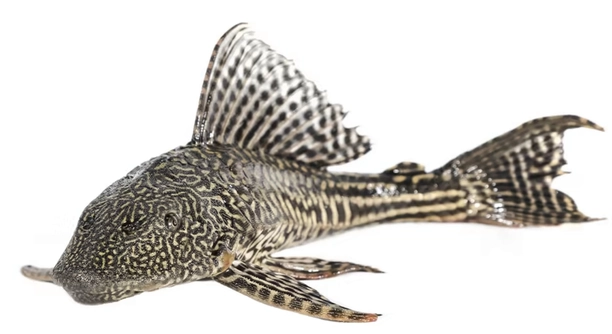
Plecostomus, also known as plecos, are popular fish in many aquariums. They are peaceful bottom dwellers that often coexist with other fish. However, understanding their preferences in tankmates is important for creating a harmonious environment.
Plecostomus generally prefer tankmates that move at a moderate pace. Fast-moving fish may stress them out due to their more passive nature, possibly leading to territorial behavior or reduced interaction. Slower-moving species are usually better companions.
Tankmate compatibility is essential in maintaining a peaceful aquarium environment. Understanding how plecos react to different types of fish can ensure a balanced community tank.
Understanding Plecostomus Behavior
Plecostomus, or plecos, are peaceful and often shy fish, mainly staying at the bottom of the tank. They are known for their algae-eating habits, which make them great for keeping aquariums clean. When it comes to tankmates, plecos typically prefer a calm environment where they feel secure. Their behavior can be influenced by the speed and activity levels of other fish in the tank. Fast-moving fish can create a stressful atmosphere for plecos, which may cause them to hide or become more territorial. Ensuring that all tankmates are compatible is key to maintaining a peaceful aquarium setup.
When choosing tankmates for plecos, consider their temperament and activity levels. Avoid adding fish that are too active or aggressive, as this can create unnecessary tension in the tank. Plecos thrive when surrounded by other calm species.
By selecting suitable tankmates, you create a more stable and balanced environment. This reduces stress on plecos, allowing them to feel more comfortable and less likely to retreat into hiding spots. It’s also important to choose species that don’t compete for the same food sources, ensuring everyone has enough to eat.
Choosing Compatible Fish for Your Plecostomus
When selecting tankmates for plecos, it’s crucial to avoid fast-moving or aggressive fish. These can upset the peaceful nature of the pleco and lead to conflict.
Plecos tend to do best with fish that share similar activity levels and aren’t overly territorial. Fish such as tetras, guppies, and peaceful species of barbs make good companions. These fish are typically slow-moving and non-aggressive, reducing the chance of any stress-related issues in the tank. Fast swimmers like goldfish or aggressive species like cichlids are generally not suitable tankmates for plecos. They can stress out the pleco, causing them to become more reclusive or defensive.
Compatibility extends beyond just swimming speed. It’s also important to consider the pleco’s need for hiding spaces. Tankmates should respect the pleco’s space, especially since plecos enjoy resting in caves or under plants. Incompatible tankmates can disrupt these resting habits, making the pleco anxious or even causing health problems. Proper research is key to keeping a peaceful aquarium.
The Importance of Tank Size for Plecostomus
The size of your aquarium plays a huge role in the comfort of your plecostomus. A small tank can create stress and lead to territorial behavior. Plecos need space to swim and explore.
For a healthy pleco, a tank should ideally be 75 gallons or more. This provides plenty of room for them to move around, which is essential for their well-being. Without enough space, plecos can become stressed, potentially affecting their health and their interactions with other tankmates. A larger tank allows for more hiding spots and helps create a more natural environment for plecos.
In addition to providing space, a larger tank supports better water quality. Larger tanks are easier to maintain and are less prone to rapid changes in water parameters. This is especially important for plecos, as they are sensitive to water conditions. A well-maintained, spacious tank will not only help plecos thrive but also reduce the likelihood of aggression from fast-moving tankmates.
Feeding Plecostomus with Fast-Moving Fish
Plecos are herbivores and need a diet that includes algae, sinking pellets, and occasional vegetables. When tankmates are fast-moving, it’s important to make sure the pleco isn’t outcompeted for food.
Fast swimmers often grab food before plecos can reach it. To prevent this, offer food that sinks quickly, like sinking wafers or pellets. This ensures the pleco has enough time to find and eat the food without being rushed by faster fish. Additionally, it’s a good idea to feed at multiple points in the tank, giving plecos access to food in places where the faster fish are less likely to reach.
Adding vegetables like zucchini, cucumber, or spinach to the tank can also be beneficial. These should be weighed down with a rock or vegetable clip, making them accessible to plecos without being snatched away. Careful planning of feeding time ensures that all tankmates, including plecos, get the nutrition they need. This is particularly important when dealing with active fish that might interfere with the pleco’s meals.
How Fast-Moving Fish Affect Plecostomus Behavior
Plecos are generally calm and prefer slow-moving tankmates. Fast-moving fish can cause stress, as plecos may feel threatened or overwhelmed.
When plecos are stressed by fast swimmers, they often retreat into hiding spots more frequently. This behavior limits their access to food and can affect their overall health. Plecos thrive in tanks where they feel safe and secure, with minimal disturbance from active fish.
The Role of Hiding Spaces for Plecostomus
Providing adequate hiding spaces is crucial for plecos. They prefer to retreat to caves or plants when they feel stressed or threatened.
With fast-moving fish in the tank, plecos may need more hiding spots to feel secure. This allows them to rest and avoid constant movement from their tankmates. Adding caves, driftwood, or plants in various locations gives plecos the chance to retreat whenever they feel the need for peace and quiet.
FAQ
Do plecostomus prefer slow-moving fish?
Yes, plecostomus generally prefer tankmates that are slow-moving. Fast-moving fish can make plecos feel stressed, as they are more passive and may struggle to keep up or compete for space and food. Peaceful, slow swimmers work better with plecos, ensuring a calmer, more stable environment for everyone.
Can fast-moving fish cause stress to plecostomus?
Fast-moving fish can definitely cause stress to plecos. Plecos are not as active as other fish and are more likely to hide or become territorial if they feel threatened. Fast swimmers may chase them or disrupt their natural behavior. This can lead to the pleco hiding more often, not eating as well, or becoming less social.
What kind of fish should I avoid with plecostomus?
Avoid fast-moving and aggressive fish like goldfish, cichlids, or any species known for territorial behavior. These fish can cause stress to plecos, and their active nature might make it harder for plecos to eat and find their resting places. It’s better to stick to peaceful species that are slower and less assertive.
How can I make my plecostomus feel more comfortable with fast-moving fish?
If you have fast-moving fish and a plecostomus, make sure there are plenty of hiding spots and space in the tank. Providing caves, driftwood, and plants will give the pleco a chance to retreat and feel safe when it needs to. Also, try feeding your pleco in areas where fast swimmers can’t easily access, ensuring it gets enough food.
Can plecostomus live with aggressive fish?
Plecostomus generally do not do well with aggressive fish. Aggressive species may attack, chase, or stress plecos, which are much more passive. This kind of behavior can lead to health issues for the pleco and create a hostile environment in the tank. It’s best to pair plecos with other peaceful species.
What is the best tank setup for plecostomus and fast-moving fish?
A well-planted tank with plenty of hiding spots is essential. Fast-moving fish require space to swim, while plecos need spots where they can hide and feel secure. Having multiple hiding spots, like caves or plants, gives the pleco the option to retreat when it feels overwhelmed. A large tank also helps by offering enough room for both the pleco and the active fish.
How do I know if my plecostomus is stressed?
If your plecostomus is stressed, it may display several behaviors, such as hiding more than usual, becoming less active, or not eating. A stressed pleco may also show signs of aggression toward other fish or refuse to leave its hiding spots. Monitoring the tank’s water parameters and making sure it’s peaceful can help reduce stress.
Can plecostomus eat the same food as fast-moving fish?
Plecostomus have different dietary needs than fast-moving fish. Plecos are primarily herbivores and will often eat algae, sinking pellets, and vegetables. Fast-moving fish may eat a broader range of foods like flakes or live food. To avoid competition, make sure you feed the pleco sinking food that fast swimmers can’t easily grab.
How much space does a plecostomus need in a tank?
Plecostomus require plenty of space to move around. A tank of at least 75 gallons is ideal, as plecos can grow quite large. A larger tank not only provides the space plecos need to swim, but it also reduces the chances of them feeling crowded by faster-moving or more aggressive fish.
Can plecostomus live with other bottom dwellers?
Plecostomus can generally coexist with other bottom dwellers, as long as they are peaceful and not overly territorial. However, competition for food and space can arise if the other bottom dwellers are too aggressive or if there are not enough hiding spots. Fish like Corydoras catfish or other small, peaceful species work well with plecos.
Is it okay to have fast-moving fish and plecos in a community tank?
Yes, fast-moving fish and plecos can live together in a community tank, but careful consideration is needed. The key is to select species that are peaceful and not too active. The tank should also be large enough to provide plenty of hiding spots for the pleco and space for the active fish to swim. Regular feeding schedules and maintaining good water quality are also important to keep everyone healthy and stress-free.
How do I know if my plecostomus is getting enough food?
Plecostomus will generally scavenge for algae and leftover food in the tank, but it’s important to provide them with additional food sources like sinking pellets and fresh vegetables. If the pleco seems to be hiding more often or if you notice a lack of algae growth, it might indicate that the pleco is not getting enough to eat.
Can I keep plecostomus with bettas or other small fish?
Plecostomus can usually live with bettas or small, peaceful fish. Betta fish are often territorial, but they usually won’t bother plecos because of their bottom-dwelling nature. However, make sure there are enough hiding spaces in the tank to prevent any territorial behavior from the betta. Similarly, choose other small, calm fish to avoid stressing the pleco.
Do plecostomus prefer dim or bright lighting?
Plecostomus generally prefer dim lighting. Bright lights can cause stress or make them more reclusive. Providing a more natural, subdued lighting setup helps the pleco feel secure, encouraging it to come out of hiding and swim around. Use subdued, natural lighting or provide shaded areas within the tank for a more comfortable environment.
What temperature do plecostomus prefer?
Plecostomus thrive in water temperatures between 72°F and 78°F (22°C to 26°C). It’s important to keep the water at a stable temperature within this range to prevent stress. Sudden temperature changes can negatively impact the pleco’s health and behavior, so it’s a good idea to use a reliable heater to maintain a consistent temperature.
Do plecostomus need a filter?
Yes, plecos do best in tanks with a good filtration system. They are sensitive to poor water quality, and a filter helps maintain clean water by removing waste and excess nutrients. This is especially important in tanks with other fish, as waste can build up quickly. A strong filtration system will help keep the water clean and oxygenated for your pleco.
Can I keep multiple plecos in the same tank?
It’s generally not recommended to keep multiple plecos in a small tank, as they can become territorial with each other. In larger tanks, it is possible to keep more than one pleco, but it’s important to provide plenty of hiding spots and space to reduce territorial disputes. You should also consider the species of pleco, as some can grow quite large and require even more space.
Final Thoughts
Plecostomus are generally peaceful fish that can make great tankmates for many other species. However, when it comes to choosing companions, it’s essential to be mindful of the other fish’s behavior. Fast-moving fish can sometimes stress plecos, which may affect their overall well-being. These fish are naturally shy and prefer calm environments, so pairing them with fast swimmers or aggressive species might lead to unwanted stress and health issues. Creating a peaceful environment for your plecos is key to helping them thrive in your aquarium.
Choosing tankmates for your plecostomus requires a bit of planning. Fish that are too active or territorial can upset the delicate balance in your tank. Plecos do best with slow-moving, non-aggressive fish. Species like tetras, guppies, or peaceful barbs often make great companions for plecos because they are less likely to chase or bother them. It’s also important to provide plenty of hiding spots for the pleco to retreat to when needed. Caves, plants, and driftwood are great additions to any tank and will help your pleco feel safe and secure.
By considering the tank size, water conditions, and suitable tankmates, you can ensure that your plecostomus enjoys a peaceful and healthy life in your aquarium. Always keep in mind the specific needs of each species and make adjustments as necessary. With the right environment and compatible fish, plecos can be a beautiful and enjoyable addition to your aquarium. Ultimately, a little research and thoughtfulness can help create a harmonious and thriving community for all your fish.

Hello,
If you enjoy the content that we create, please consider saying a "Thank You!" by leaving a tip.
Every little bit helps us continue crafting quality advice that supports the health, happiness, and well-being of pets around the world, for pets of all shapes, sizes, and species.
We really appreciate the kindness and support that you show us!