
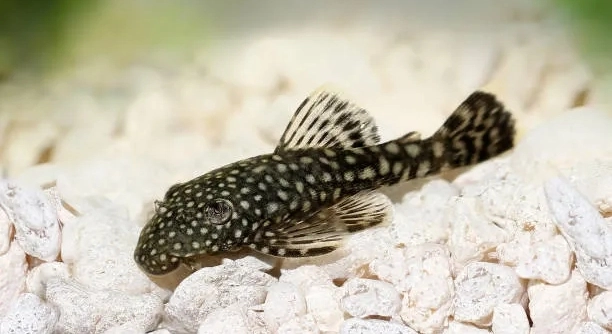
Are your plecos not living as long as you expected, even though you’re doing everything right with their tank setup?
Maintaining proper water chemistry is essential for the long-term health of plecos. Factors like pH, hardness, and nitrate levels play a key role in their well-being, helping prevent stress-related diseases and premature death.
Knowing how each water element affects your pleco can make a big difference in their health, mood, and overall lifespan.
Test Your Tap Water First
Before making any changes, it’s important to know what you’re starting with. Tap water varies from place to place, and it may already contain elements that aren’t ideal for plecos. Testing your tap water helps you understand its pH, hardness, and presence of ammonia, nitrites, or nitrates. You can use a liquid test kit, which tends to be more accurate than strips. Do this regularly, not just once. Seasonal changes, plumbing updates, or city treatments can all affect water quality. Understanding your water’s baseline makes it easier to spot issues early and decide if you need adjustments like adding conditioners, buffering agents, or RO water.
Testing also helps track how well your filtration and water change routine is working over time.
If the test shows something unusual—like high nitrates or low pH—you’ll know it’s time to act. And with plecos, acting sooner rather than later can really help.
Maintain Stable pH Levels
Fluctuating pH levels can lead to stress and long-term health issues for plecos. They do best in a slightly acidic to neutral pH, typically between 6.5 and 7.5. Sudden changes in this range can be harmful.
If your water’s pH is too high or too low, avoid quick fixes. Gradual changes are safer and give your pleco time to adjust. You can use driftwood, Indian almond leaves, or peat moss to lower pH naturally. Crushed coral or limestone helps raise it if needed. Always monitor the changes over days, not hours. Using RO water mixed with tap water gives you more control over the final pH. Try not to rely too heavily on chemical pH adjusters, as they can be unpredictable. A consistent pH is more important than achieving a specific number. Once you find a stable range, stick with it. Plecos thrive in consistency, and stable water means less stress and longer lives.
Avoid Ammonia and Nitrite Spikes
Even a small amount of ammonia or nitrite can harm plecos. These toxins damage gills, reduce oxygen intake, and lead to illness or death. Keep levels at zero through good filtration and regular tank maintenance.
Overfeeding, leftover food, and overcrowding are common causes of ammonia buildup. Always feed your pleco just enough and remove uneaten food quickly. A strong biological filter is key—one that houses plenty of beneficial bacteria to convert ammonia to nitrite, then to nitrate. Monitor these levels weekly, especially after cleaning or adding new fish. Use a liquid test kit to get precise readings. If a spike happens, partial water changes and products like nitrifying bacteria boosters can help stabilize the tank. Never add new fish when the nitrogen cycle isn’t fully established, as it increases the risk of imbalance.
If nitrites are detected, add aquarium salt (in safe doses) to reduce toxicity while you address the root problem.
Keep Nitrates in Check
Nitrate is less harmful than ammonia or nitrite, but high levels over time will stress plecos and affect their health. Try to keep nitrates below 40 ppm, and ideally closer to 20 ppm for sensitive species. Regular testing helps you stay ahead of any problems before they impact your fish.
Water changes are the most effective way to lower nitrates. Change 20–30% of the water weekly, depending on the size of your tank and how many fish you have. Live plants also help absorb excess nitrates, especially fast-growing ones like hornwort or water sprite. Make sure your filter is clean and working well, as a clogged filter can reduce flow and efficiency. Don’t overstock the tank—more fish means more waste. Avoid feeding too often, since uneaten food quickly turns into extra nitrates. Keep a routine and write down test results, so you can spot rising trends and adjust before it becomes a problem.
Use Soft to Moderately Hard Water
Plecos usually prefer soft to moderately hard water, with a general hardness (GH) between 4 and 12 dGH. Water that’s too hard can cause stress, while very soft water may lack essential minerals for healthy growth.
If your tap water is too hard, mix it with RO water to lower the hardness. Always adjust slowly and test frequently using a reliable GH test kit.
Keep the Temperature Consistent
Most plecos thrive in water temperatures between 74°F and 80°F. Sudden changes can weaken their immune system. Use a reliable aquarium heater and place it near a filter for even heat distribution. Check temperatures daily with an in-tank thermometer.
Avoid Chlorine and Chloramine Exposure
Always treat tap water with a conditioner before adding it to the tank. These chemicals harm beneficial bacteria and can damage your pleco’s gills. Use a product that neutralizes both chlorine and chloramine.
FAQ
What is the ideal pH for plecos?
The ideal pH for plecos is usually between 6.5 and 7.5, which is slightly acidic to neutral. Plecos can tolerate a range of pH levels, but rapid fluctuations or extremes may cause stress or health issues. To maintain a stable environment, avoid sudden pH shifts by adjusting slowly. Use natural buffers like driftwood or Indian almond leaves to lower pH and crushed coral or limestone to raise it. Always test the water before making adjustments. Consistency is key, as plecos do best when their environment remains steady.
How can I maintain good water quality in my pleco tank?
Maintaining good water quality involves regular water changes, proper filtration, and monitoring key water parameters such as ammonia, nitrites, nitrates, and pH. You should change 20–30% of the water weekly, or more if needed, to prevent toxic build-up. A strong filter designed for the tank size will help maintain water clarity and reduce waste. Testing the water at least once a week will help you identify potential issues early. Adding live plants can also help naturally filter the water by absorbing excess nutrients and providing oxygen. Avoid overfeeding your pleco, as excess food can decompose and pollute the water.
What are the best water conditions for breeding plecos?
Breeding plecos typically requires slightly more specific water conditions. A pH range of 6.5 to 7.0 is ideal, with temperatures between 78°F and 82°F. Soft to moderately hard water with a GH of 4–8 dGH is preferable. To encourage breeding, ensure the water is clean, and do frequent water changes to simulate the natural rainy season, which plecos associate with breeding. A breeding cave or flat surface will be needed for the female to lay eggs, as plecos prefer these types of surfaces for egg deposition. Keep the tank free of stressors and provide a quiet, stable environment.
How can I remove ammonia from the tank?
Ammonia in the tank is harmful to plecos and other fish, so it’s essential to address it quickly. The first step is to perform a partial water change of at least 25–30%. This dilutes the ammonia and helps lower its levels. Adding a nitrifying bacterial supplement to the tank will help establish beneficial bacteria that can convert ammonia to nitrite and then to nitrate. Additionally, ensure your filtration system is working properly and is not clogged. Test the water regularly to ensure ammonia levels are at zero. Avoid overfeeding, as leftover food decomposes into ammonia.
How do I know if my pleco is stressed due to water conditions?
Stressed plecos might display behaviors such as excessive hiding, lethargy, reduced appetite, or rapid gill movement. Their coloration may also fade, and they might be more prone to illness. If your pleco starts showing these signs, it’s important to test the water immediately for factors like pH, ammonia, nitrites, and nitrates. High levels of toxins or significant fluctuations in water temperature can cause these symptoms. Fixing the water quality, adjusting the temperature, or reducing stress factors like loud noises or other aggressive tankmates can help your pleco recover. Regular monitoring of water conditions will help prevent further stress.
Is it safe to use water conditioners for plecos?
Yes, water conditioners are safe for plecos, but it’s essential to use the right kind. Choose a water conditioner that neutralizes chlorine and chloramine, which are commonly found in tap water and can harm fish. Some conditioners also help detoxify ammonia and improve the health of the tank’s biological filter, which benefits plecos. Always follow the dosage instructions carefully, as using too much can cause an imbalance. After adding conditioner, test the water to ensure all harmful chemicals are properly neutralized. Avoid using chemical-based pH adjusters, as they can cause rapid fluctuations that stress your pleco.
Can plecos live in saltwater tanks?
No, plecos are freshwater fish and cannot live in saltwater tanks. They are adapted to live in stable freshwater environments with low to moderate salinity. While some freshwater species can tolerate brackish water, plecos do not. Saltwater is harmful to plecos and can lead to dehydration, gill damage, and death. Always ensure your pleco’s tank is freshwater, with appropriate water hardness and pH for their needs. If you have a brackish or saltwater tank, avoid adding plecos as they will not survive.
What should I do if my pleco is not eating?
If your pleco is not eating, there may be a problem with the water quality, temperature, or stress level. First, test the water parameters, including pH, ammonia, nitrites, and nitrates. Poor water quality is a common cause of loss of appetite. If the water is fine, check the temperature and ensure it is within the ideal range (74°F–80°F). Sometimes, plecos can stop eating if they are stressed or feeling unwell. Provide a variety of food options, such as algae wafers, vegetables (like zucchini or cucumber), and occasional protein sources like shrimp or bloodworms. If the lack of eating persists, consult a vet to rule out illness.
How often should I clean my pleco’s tank?
Cleaning your pleco’s tank should be done regularly to ensure a healthy environment. Perform partial water changes of 20–30% weekly, depending on the tank’s size and the number of fish. Vacuum the substrate to remove uneaten food and waste. Clean the filter media gently with tank water every few weeks to prevent clogging and ensure proper filtration. Avoid overcleaning, as beneficial bacteria in the tank play a crucial role in maintaining water quality. Regular monitoring of water parameters will help determine if more frequent cleaning is necessary.
Can plecos live with other fish in a community tank?
Yes, plecos can live with other fish, provided the tank mates are peaceful and compatible in terms of water requirements. Plecos are generally calm and tend to keep to themselves, but they can become territorial if space is limited. Avoid aggressive fish that might harass or bully your pleco. Suitable tankmates include peaceful community fish like tetras, livebearers, or other non-aggressive bottom dwellers. Ensure the tank has plenty of hiding spaces and territory for each fish to reduce conflict. Regular water changes and proper filtration will help maintain a healthy community tank.
Maintaining the right water chemistry for plecos is essential for their health and well-being. By regularly testing your water, you can make sure that it stays in the ideal range for your pleco. Keeping ammonia and nitrites at zero is a top priority, as these toxins can quickly harm your fish. Nitrate levels should also be monitored, with regular water changes to prevent build-up. Maintaining the right pH, hardness, and temperature ensures your pleco remains comfortable and stress-free. With a little attention to detail, you can create a stable environment that promotes the long life of your pleco.
Water quality is just one part of keeping a pleco healthy. It’s equally important to consider the type of food you provide. Plecos are primarily herbivores, but they also need a balanced diet that includes protein from time to time. Algae wafers, vegetables like zucchini, and occasional protein sources like shrimp or worms will keep your pleco well-fed. Offering variety will help prevent dietary deficiencies and ensure your pleco stays active and healthy. Avoid overfeeding, as uneaten food can quickly degrade water quality, making it harder to maintain a stable environment.
In the end, caring for plecos is about being proactive and consistent. Regular testing, water changes, and monitoring their behavior will help you catch any potential issues early. Keeping your pleco in a stable, clean tank will not only improve their health but also increase their lifespan. Remember, plecos are sensitive to sudden changes in their environment, so be patient and adjust conditions gradually. With proper care and attention, you can enjoy the beauty and uniqueness of your pleco for many years to come.

Hello,
If you enjoy the content that we create, please consider saying a "Thank You!" by leaving a tip.
Every little bit helps us continue crafting quality advice that supports the health, happiness, and well-being of pets around the world, for pets of all shapes, sizes, and species.
We really appreciate the kindness and support that you show us!