
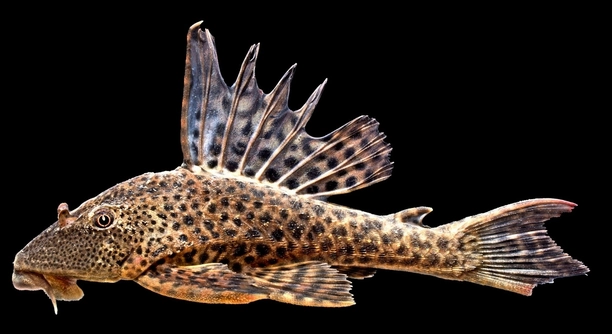
Plecos are fascinating creatures that thrive in aquariums. Their behavior is often subtle but can reveal important communication signals. Understanding these signs helps create a harmonious tank environment for both plecos and their tank mates.
Plecos communicate through a variety of subtle behaviors such as body language, color changes, and movement patterns. They often use these methods to establish territory, indicate discomfort, or express their emotional state. These non-verbal cues are essential for maintaining peace in the tank.
By observing these signs closely, you can learn how plecos interact with each other and their environment.
Body Language and Posture
Plecos are known for their unique body movements that communicate a variety of messages. When a pleco is feeling threatened or territorial, it will often puff up its body or swim in a defensive posture. This is a clear sign that it wants to protect its space. Similarly, a relaxed pleco will display a calm posture, often lying flat against surfaces such as rocks or driftwood, which signals comfort in its environment.
These body movements are essential for understanding their interactions with tank mates and the overall aquarium atmosphere. Watching their shifts in posture can offer valuable insight into their behavior.
Additionally, plecos will often exhibit unique swimming patterns to communicate. They may swim slowly and deliberately when they are not stressed or rushed, signaling a sense of calm. When threatened, their movements become quick and sharp, signaling agitation or distress. This helps create a more peaceful atmosphere in the tank by giving early warning signs of conflict.
Color Changes as Communication
Color changes are another subtle way plecos convey their emotions. When plecos are stressed, their colors may darken, indicating discomfort or a defensive state. Similarly, brighter colors can appear when they are content or trying to attract a mate. These visual cues are significant in understanding pleco behavior.
Changes in color can be linked to various factors such as water quality, tank mates, or overall health. Plecos will adjust their color to reflect these conditions. Knowing how to recognize these shifts helps in providing a stable environment for the plecos.
Understanding color changes allows for better care of plecos. If a pleco’s colors change dramatically, it may indicate stress or health issues. Observing the colors closely and making adjustments in the tank, like improving water conditions or removing aggressive tank mates, can significantly improve their well-being.
Hiding and Seeking Shelter
Plecos are known for seeking refuge in various parts of the tank. When they feel stressed or threatened, they often hide in caves, behind decorations, or among plants. This behavior is a sign of discomfort or the need for privacy. It’s important to provide plenty of hiding spots for them to feel secure.
Providing hiding spaces is essential for maintaining their comfort. They prefer environments where they can retreat when needed, ensuring they have a place to rest. Without adequate hiding spots, plecos may become stressed and exhibit signs of aggression or sickness. This behavior can also indicate a lack of social interaction with other tank mates.
By offering caves, rocks, and dense plant areas, you encourage plecos to engage in their natural behaviors. These hiding spaces help them feel safe and reduce stress. Keeping the tank setup natural with plenty of cover ensures they stay healthy and happy, promoting long-term well-being in the aquarium.
Feeding Habits and Interaction
Feeding time reveals another form of communication. Plecos may swim closer to the surface or move around the tank eagerly when they sense food is near. This interaction is a direct sign of anticipation and comfort in their environment. Their approach to food can help indicate their overall health and behavior.
It’s important to pay attention to how a pleco feeds. If they are consistently active and engaged during feeding time, it is often a sign of good health. However, a pleco that ignores food or shows disinterest may be signaling stress or health issues. Observing these changes can help identify any underlying problems early.
Different plecos have varying preferences for food, so their feeding habits can also communicate their needs. For instance, some prefer algae while others may need more protein-rich foods. Adjusting their diet according to their natural feeding habits is key to maintaining their health and happiness.
Aggression and Defensiveness
Plecos can display aggressive behavior, particularly when they feel their territory is threatened. They may flare up or chase other fish away to maintain their space. It’s important to monitor their behavior to prevent conflicts in the tank.
Aggressive plecos may also become more territorial as they mature. If their space is encroached upon, they can react aggressively to defend their spot. Providing enough space and hiding areas can help prevent such behavior.
Paying attention to any signs of aggression ensures peace in the tank. Keeping tank mates that can coexist with plecos is essential to avoiding territorial issues.
Communication Through Movement
Plecos communicate not just through body language but also through their movement in the tank. Fast, erratic swimming can indicate distress or discomfort, while slow and deliberate movements often signify calmness and relaxation.
Observing these movement patterns helps identify whether the pleco is feeling threatened or comfortable. Their behavior is a clear reflection of their emotional state, so monitoring movement patterns is crucial to understanding their needs.
By recognizing these movements, you can maintain a peaceful environment in the tank and ensure your plecos’ well-being.
Breeding Behavior
When plecos are ready to breed, their behavior changes significantly. They become more active, especially during the mating season, and may exhibit more territorial behaviors. Their actions include frequent swimming and changes in body posture to attract mates.
This display is not only a part of the mating process but also a sign of healthy and active plecos. Understanding these breeding behaviors ensures that you provide the proper environment for reproduction.
Knowing when your plecos are in their breeding phase can help you adjust water conditions to support their needs.
FAQ
How can I tell if my pleco is stressed?
Stress in plecos is often marked by changes in behavior. They may hide more frequently, display darker colors, or swim erratically. A stressed pleco might also refuse food or become less active. Monitoring their activity and environment can help identify stress early. Poor water quality, incompatible tank mates, or insufficient hiding spots are common stressors. Providing them with proper care and a calm environment can help reduce stress.
Can plecos live with other fish?
Yes, plecos can generally live with other fish, but their compatibility depends on the species. Peaceful plecos, such as the bristlenose pleco, do well with most tank mates. However, some species of plecos can be territorial and may not get along with other fish, especially in smaller tanks. It’s important to monitor their behavior to ensure no aggression occurs. Always choose tank mates that can tolerate the pleco’s space requirements and water conditions.
Why is my pleco not eating?
If your pleco is not eating, there could be a few reasons. The water quality might be poor, or the pleco could be stressed or unwell. It could also be a sign that the food provided is not to their liking or needs. Try offering a variety of foods, such as algae wafers, vegetables, or meatier options. Ensure the tank is clean and that the water parameters are stable. If the issue persists, it may be best to consult an aquarium specialist to rule out health problems.
How often should I feed my pleco?
Plecos are generally nocturnal feeders, so it’s best to feed them once a day, preferably in the evening or at night. Overfeeding can lead to poor water quality and health problems. You can feed them a mix of algae wafers, vegetables like zucchini or cucumber, and occasional protein sources. Ensure they have a balanced diet that meets their nutritional needs. Avoid feeding them too frequently to prevent overeating and waste accumulation.
Do plecos need a lot of space?
Yes, plecos require ample space to thrive. As they grow, they can become quite large, so it’s important to provide a tank large enough to accommodate their size. A 50-gallon tank is often recommended for most adult plecos. Providing plenty of hiding spots, driftwood, and open areas for swimming is essential for their well-being. The more space you provide, the healthier and happier your pleco will be.
Why is my pleco swimming upside down?
If your pleco is swimming upside down, it may indicate a health issue, such as swim bladder disorder. This condition can affect their buoyancy, making it difficult for them to maintain normal posture. Poor water quality, injury, or overfeeding can contribute to this problem. It’s important to assess water conditions and ensure that your pleco’s diet is balanced. If the behavior continues, a visit to an aquarium vet may be necessary to address the issue.
Can plecos survive without a filter?
While plecos are hardy fish, they still require a clean environment to thrive. A filter is essential to maintain water quality by removing waste, debris, and harmful chemicals. Without a filter, the water will quickly become polluted, leading to poor health for your pleco and other tank inhabitants. A good filtration system helps keep the tank water clean and oxygenated. If a filter is not an option, frequent water changes and careful monitoring of water parameters will be necessary to ensure the health of your pleco.
How do I know if my pleco is healthy?
A healthy pleco will have clear eyes, smooth skin, and will be active, especially at night. It should have a good appetite and swim comfortably around the tank. If your pleco is hiding frequently, appears lethargic, or has visible signs of disease (like lesions or faded colors), it could indicate a health issue. Maintaining stable water conditions and offering a proper diet are key factors in supporting your pleco’s health. Regular observation can help catch any potential issues early.
Do plecos clean the tank?
Yes, plecos are often referred to as “algae eaters” because they consume algae on tank surfaces, helping to keep the aquarium clean. However, they should not be relied upon solely for tank cleaning. While they do help manage algae growth, plecos also need a balanced diet and cannot clean everything in the tank. They may miss spots, and their diet must include more than just algae to stay healthy. Regular tank maintenance and water changes are still necessary for proper tank hygiene.
What do plecos need in their tank?
Plecos require several key elements in their tank to thrive. A spacious tank with plenty of hiding spots and driftwood is crucial for their comfort. They prefer a well-planted aquarium with areas where they can rest and explore. Water quality is important, so maintaining proper filtration, a stable temperature, and the correct pH level are essential for their health. Additionally, offering a variety of foods, such as algae wafers, vegetables, and occasional protein sources, will ensure they receive the proper nutrition.
Final Thoughts
Plecos are fascinating and relatively low-maintenance fish, but they do require attention to detail to ensure they thrive in an aquarium setting. Their behavior and needs can provide valuable insights into their health and well-being. By understanding how they communicate through movement, feeding habits, and interactions with their environment, you can create a more comfortable and stress-free space for them. Offering the right tank conditions, food, and social atmosphere is key to maintaining their happiness.
When observing your pleco, it is important to notice changes in behavior or signs of stress. Whether they are seeking shelter, changing their swimming patterns, or showing aggression, these behaviors are often indicators of their emotional or physical state. Addressing any issues with water quality, tank mates, or diet will go a long way in ensuring a healthy environment. Regular water changes, proper filtration, and an adequately sized tank are all essential for the well-being of plecos.
Ultimately, maintaining a good relationship with your pleco involves being observant and responsive to their needs. Understanding their unique ways of communicating can help you make adjustments to their environment, ensuring they remain healthy and content. With the right care, plecos can thrive and add a peaceful, natural element to any aquarium.

Hello,
If you enjoy the content that we create, please consider saying a "Thank You!" by leaving a tip.
Every little bit helps us continue crafting quality advice that supports the health, happiness, and well-being of pets around the world, for pets of all shapes, sizes, and species.
We really appreciate the kindness and support that you show us!