
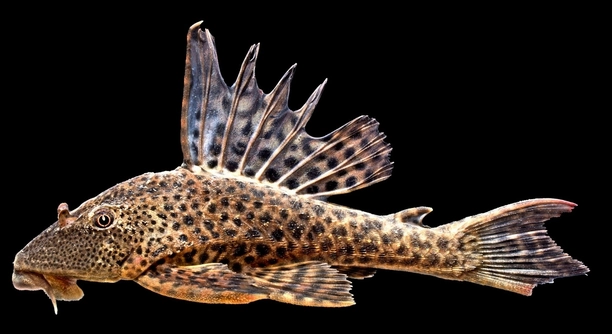
Maintaining the right flow in an aquarium is crucial for the well-being of plecos. These fish thrive in environments that simulate their natural habitats, where water movement is balanced and comfortable.
To create the ideal flow for a pleco, consider positioning the filter or water pump to provide gentle currents. Plecos prefer areas with moderate water movement, which mimics the riverbeds of their native habitats, ensuring comfort and health.
Understanding the flow requirements of your pleco will allow you to provide a suitable environment. With proper adjustments, your pleco will thrive and contribute to a balanced aquarium ecosystem.
Understanding the Importance of Water Flow for Plecos
Plecos are native to river systems where the flow of water is consistent and strong, but not overwhelming. In your aquarium, replicating this balance is key to their health. Too much water flow can stress the pleco, while too little can lead to sluggishness and poor water quality.
The ideal flow should gently move the water around the pleco without creating turbulent conditions. Plecos tend to seek out areas with moderate currents in their natural environment, so providing these conditions helps them feel secure and reduces stress.
To achieve this, consider adjusting the placement of your filter or water pump. Aim for a location where the water movement is soft, yet consistent. Adding rocks or plants near the filter can help diffuse the current. It’s important to monitor the pleco’s behavior—if they seem to avoid the current, the flow may need to be softened further.
Equipment to Create the Right Flow
Choosing the right equipment can make a big difference in creating the ideal flow for your pleco. Ensure the filter’s output isn’t too strong or directed in a way that causes excessive water movement.
Investing in a filter with adjustable settings allows you to fine-tune the flow based on the needs of your pleco. When selecting a pump, look for options that can provide a steady, gentle current. Keep in mind that plecos are bottom dwellers, so they prefer a steady flow near the substrate. You might also want to add some aquarium decorations, like rocks or plants, which can break up the flow and create a more comfortable space for your fish.
By combining the right equipment and placement, you can create an environment where your pleco can swim freely without facing uncomfortable currents. This setup encourages healthy behavior and contributes to a thriving aquarium.
Observing Pleco Behavior for Flow Adjustment
It’s important to observe how your pleco responds to the water flow. If it’s too strong, they may avoid swimming in the current, and if it’s too weak, they may appear lethargic. Regularly check their movements.
If your pleco seems to be fighting the current or hiding in a corner, it’s likely that the flow is too intense. You can move the filter or adjust the output to reduce turbulence. Alternatively, place obstacles in the tank, such as plants or rocks, to help redirect the water. These adjustments will help create a more comfortable environment for the pleco to thrive.
On the other hand, if your pleco spends most of its time near the filter or pump, the flow might be too weak. Try repositioning the pump or increasing the output slightly to stimulate the pleco’s natural swimming behavior. Keep an eye on them over time, adjusting the flow as needed to make sure they’re comfortable.
Creating Shelter from the Flow
Plecos often seek out areas of shelter from intense currents, so providing them with hiding spots can help them feel safe while still enjoying the flow. Adding caves or other structures can break up strong currents.
Strategic placement of rocks, plants, or driftwood can create sheltered spots that still allow the pleco to access water movement. These hiding places give the pleco the freedom to swim in the flow when it feels comfortable, but also retreat to calmer areas when needed. It’s important that these shelters are positioned well enough to prevent stagnant areas, which can lead to poor water quality.
Ensure these shelters are placed near the substrate, as plecos are bottom dwellers. This arrangement creates a natural flow pattern, making the pleco feel secure while also providing access to gentle water movement. Keeping a balance between areas of calm and moderate flow helps mimic the natural environment, promoting your pleco’s health and comfort.
Using Aquarium Plants to Diffuse Flow
Aquarium plants are a great way to soften strong water currents. Their leaves and stems break up the flow, creating pockets of calm water for the pleco to enjoy. Position them near the filter’s output for best results.
Adding plants also benefits the overall tank environment. They help filter the water naturally, improve oxygen levels, and provide additional hiding spaces. Fast-growing plants like Anubias, Java ferns, or moss can reduce the intensity of currents while also supporting the pleco’s natural behavior. With the right plant placement, your tank will have both a visual appeal and a functional benefit.
Regular Water Changes to Maintain Flow Quality
Regular water changes help maintain the quality of the flow by preventing buildup of waste and debris. When water quality deteriorates, it can affect both the flow and the health of the pleco.
Performing partial water changes every week or two will help keep the water clean and the flow consistent. Use a siphon to remove debris from the substrate, which can block the water flow and reduce oxygen levels. Fresh water keeps the environment healthy and supports your pleco’s well-being.
FAQ
What is the ideal water flow for a pleco?
The ideal water flow for a pleco should be gentle yet consistent. Plecos are naturally found in environments with moderate currents, similar to the riverbeds they come from. Too strong of a current can cause stress, while too little flow can lead to poor health. Aim for a filter that provides a steady but not overwhelming flow. Place the filter or water pump so the pleco can move away from the current if needed. You can also soften the flow by positioning plants or decorations near the output.
Can I use a strong filter for my pleco tank?
While plecos benefit from water movement, a strong filter can cause problems if it creates too much current. Filters that are too powerful can make plecos feel stressed, leading them to hide or avoid the current. Choose a filter with adjustable settings to control the water flow. Ensure the filter is positioned in a way that does not create excessive turbulence, and monitor how your pleco responds to the flow. If they seem to avoid the filter or hide often, consider lowering the water flow.
How can I tell if the water flow is too strong for my pleco?
If your pleco constantly hides or avoids swimming in the open areas of the tank, the current may be too strong. Plecos often seek shelter from strong currents and may feel stressed or out of their comfort zone if the flow is too intense. Watch for behavior changes like difficulty swimming or staying in one spot for long periods. If these behaviors occur, adjust the filter or pump to a gentler setting and observe the difference.
How can I soften the water flow for my pleco?
To soften the water flow for your pleco, reposition the filter so that it directs the water more gently or toward the surface. You can also use aquarium decorations, such as plants, rocks, or driftwood, to diffuse the current. These obstacles break up the flow and create calm spots where your pleco can rest or swim comfortably. Additionally, consider using a sponge filter, which provides a softer, less intense water movement compared to traditional filters.
Should I provide my pleco with hiding spots?
Yes, plecos benefit greatly from hiding spots. As bottom dwellers, they enjoy having sheltered areas where they can retreat from the current or take a break. Adding caves, plants, or driftwood creates a more natural environment and helps your pleco feel secure. Hiding spots also encourage natural behaviors and reduce stress, making it easier for your pleco to thrive.
Can I keep plecos in tanks with high water flow?
Plecos can tolerate high water flow to a certain extent, but the current should not be overwhelming. If your tank’s water flow is too high, it can cause your pleco to feel stressed or uncomfortable. You should always ensure that there are places in the tank where the pleco can escape the flow and relax. Tanks with high flow need careful management to prevent stress, so make adjustments to ensure the pleco’s well-being.
How do I adjust the water flow for my pleco if I have a large tank?
In larger tanks, it’s essential to manage the water flow in a way that prevents stress while maintaining a healthy environment. Use multiple filters or pumps with adjustable settings to create a balanced current throughout the tank. Place them strategically so that there are both areas of calm water and areas with more movement. You can also use aquarium decorations to break up the flow. Keep an eye on your pleco’s behavior to ensure the flow is comfortable.
Is it necessary to have strong water flow for plecos to thrive?
No, it is not necessary to have strong water flow for plecos to thrive. They prefer moderate currents, similar to those in their natural river habitats. Strong water flow can cause stress and make the pleco feel insecure. Focus on creating a balanced flow that allows the pleco to move around easily without being overwhelmed. Gentle, consistent water movement is key to a healthy and happy pleco.
What kind of filter is best for a pleco tank?
For a pleco tank, a filter that provides adjustable flow is ideal. A sponge filter or a canister filter with variable flow settings can be adjusted to suit the pleco’s needs. Sponge filters are often preferred in tanks with plecos because they offer a gentler flow, perfect for bottom-dwelling fish. Ensure that the filter is positioned correctly and is not causing excessive turbulence. Regular maintenance of the filter is important to keep the water clean and ensure proper water movement.
Can I use a water pump to create the right flow for my pleco?
A water pump can be used to create the right flow, but it must be chosen carefully. Plecos need a gentle, steady flow rather than a strong, rapid current. Select a water pump with adjustable flow control to fine-tune the current to suit your pleco. You can also use a pump to help circulate the water and improve oxygen levels, but ensure that it’s not overwhelming. Position it near the water surface or use diffusers to soften the flow for the pleco.
How can I tell if the flow in my tank is too weak for my pleco?
If your pleco seems lethargic or spends a lot of time in one spot, the flow in the tank may be too weak. Plecos are active fish and require moderate water movement to stay healthy. If the flow is insufficient, they may not be getting the oxygen or stimulation they need. Try adjusting the filter or water pump to create a more natural, moderate current. If the pleco becomes more active, it’s a good sign that the flow has been improved.
Do plecos prefer high or low flow in an aquarium?
Plecos generally prefer moderate water flow that mimics their natural habitat. Strong, fast currents are not ideal as they can cause stress and make the pleco avoid certain areas of the tank. On the other hand, low flow can lead to poor water quality. A balanced, moderate flow is best for maintaining both the pleco’s comfort and the overall health of the aquarium.
Final Thoughts
Creating the ideal flow for your pleco is crucial for its health and well-being. As a bottom-dwelling fish, plecos prefer moderate water movement. Too much flow can cause them stress, while too little can affect their environment. It’s important to find a balance. With the right setup, your pleco will feel comfortable and thrive. By adjusting the filter, adding plants, or using decorations to diffuse the current, you can create a peaceful and healthy space for your pleco.
Every pleco is unique, and its needs may vary based on size, species, and tank conditions. Observing your pleco’s behavior is key to understanding how much flow is best. If your pleco constantly hides or avoids swimming in the open, it may indicate that the current is too strong. On the other hand, if it seems lethargic or inactive, the flow might be too weak. Adjusting the water flow allows you to create an environment where your pleco can move freely, eat comfortably, and exhibit natural behaviors.
Remember, maintaining a proper flow is just one part of keeping your pleco healthy. Regular water changes, tank cleanliness, and appropriate tank mates also play significant roles in your pleco’s overall well-being. By paying attention to these details, you can ensure a thriving, happy pleco that enjoys its environment. As you make adjustments to water flow, always keep an eye on your pleco’s behavior and adjust the setup accordingly. This approach will help you create the best possible habitat for your pleco to live in.

Hello,
If you enjoy the content that we create, please consider saying a "Thank You!" by leaving a tip.
Every little bit helps us continue crafting quality advice that supports the health, happiness, and well-being of pets around the world, for pets of all shapes, sizes, and species.
We really appreciate the kindness and support that you show us!