
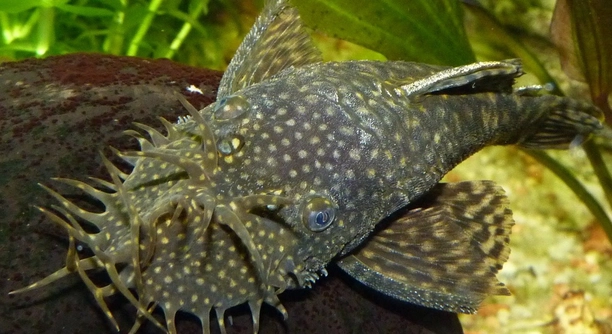
Plecos are a popular choice for aquarium owners, known for their unique appearance and helpful role in keeping tanks clean. However, knowing how long they can go without food is essential for proper care.
Plecos can survive for up to two weeks without food, depending on their size and health. However, prolonged fasting can weaken them and affect their overall well-being. It is always best to avoid extended periods without food.
Understanding how long a pleco can go without food is important to maintain their health. This guide offers insights into how to manage their feeding schedule and ensure they stay strong.
How Long Can Plecos Go Without Food in the Wild?
In their natural habitat, plecos typically have access to a variety of food sources, including algae, detritus, and plant material. In the wild, these fish are accustomed to grazing throughout the day. They may go without food for longer periods due to the abundance of food sources. However, they are not actively fasting, and their diet is more varied, which supports their survival during brief periods without food. While the conditions in the wild can be different, plecos still rely on having access to food on a regular basis for proper health and well-being.
It’s important to remember that plecos in captivity don’t have the same foraging opportunities. The absence of natural food sources can cause them stress and harm if they are left without proper nourishment for extended periods.
Understanding the pleco’s natural feeding habits can help you maintain a proper feeding schedule. In captivity, regular meals are essential for their growth and energy levels, ensuring they stay healthy and active.
How Long Can Plecos Go Without Food in Captivity?
In captivity, plecos are more dependent on consistent feeding than in the wild. Without food, their energy levels can drop, affecting their overall health. Unlike wild plecos, they can’t forage or find food naturally, which makes them more vulnerable if left unfed.
If a pleco goes without food for an extended period, it will start to use up its fat reserves. While plecos are relatively resilient, they need regular feeding to maintain their strength. During this time, they may appear lethargic, which can be a sign of nutrient depletion. It’s important to note that while they may survive a week or two, prolonged fasting is not recommended as it can lead to long-term health issues.
To keep your pleco healthy, provide a variety of foods such as algae wafers, vegetables, and occasional protein-rich options like shrimp. Regular feeding ensures their digestive system remains active, preventing health problems related to underfeeding. A consistent schedule is key to maintaining a healthy pleco.
Why Plecos Can Go Without Food for Short Periods
Plecos are hardy fish, able to withstand short periods of fasting without significant harm. Their ability to survive without food depends on their size, age, and health. While they can last a few days to a couple of weeks, extended fasting should be avoided.
Plecos store fat in their bodies, which they use as an energy reserve when food is scarce. In cases where food is unavailable for a short time, they will begin to rely on these reserves. However, once they run out of stored energy, their health starts to deteriorate. Even though they can go without food temporarily, their immune system weakens over time, making them more susceptible to diseases. It’s crucial to monitor their condition if they go without food for extended periods.
It’s also worth noting that younger plecos require more frequent meals due to their smaller reserves. Regular feeding not only supports their growth but also ensures they have enough energy to perform vital functions like swimming and digestion.
Effects of Long-Term Fasting on Plecos
Extended periods without food can significantly affect a pleco’s health. They may lose weight, become lethargic, and develop weakened immune systems. Over time, this can lead to organ failure and even death if not addressed. Their bodies start breaking down muscle tissue when fat reserves are depleted.
In the wild, plecos are more resilient, able to graze and eat small amounts continuously. In captivity, they are confined to the food you provide, which makes regular feeding even more essential. Without the right nutrients over time, their growth can be stunted, and their health compromised.
A lack of food not only causes physical stress but also mental strain. Plecos may exhibit behaviors like hiding or reduced activity as a result of hunger, signaling the need for regular feeding. Keeping their tank clean and stocked with food ensures they stay healthy and active.
How to Feed Plecos When Away
If you need to leave your pleco for a few days, there are ways to ensure it’s still fed. Automated fish feeders can help provide scheduled meals, ensuring they don’t go hungry while you’re away. These feeders are a reliable option to avoid gaps in feeding.
Another option is to ask someone to care for your pleco while you’re gone. If a trusted friend or neighbor can check on your tank and feed your fish as needed, this provides a more personalized touch. Leaving clear instructions will help ensure proper care.
What to Do if Your Pleco Refuses Food
Occasionally, plecos may refuse food, especially if stressed or if the water quality is poor. Regular water changes and keeping the tank environment stable can encourage them to eat. If they continue to refuse food, check their health for signs of illness.
FAQ
How often should I feed my pleco?
Plecos typically need to be fed once a day, though younger plecos may require two meals. In a well-balanced diet, you can offer algae wafers, fresh vegetables like zucchini or cucumber, and occasional protein like shrimp or earthworms. It’s important not to overfeed, as leftover food can quickly pollute the tank.
Can plecos eat only algae?
While plecos can graze on algae, a diet of solely algae is not enough. They need a variety of foods to meet all their nutritional needs. Algae wafers are a good supplement but should not be their only food source. Offer fresh vegetables and occasional protein to keep them healthy.
What happens if I feed my pleco too much?
Overfeeding can lead to several issues for plecos. Excess food that isn’t eaten can pollute the tank, raising ammonia levels and making the water toxic. Overeating can also cause digestive issues and obesity in plecos, which can shorten their lifespan. Always monitor their food intake and remove any uneaten food after a few hours.
Can plecos go without food for a week?
Yes, plecos can survive for up to a week without food, though it’s not ideal. They rely on their fat reserves during periods of fasting, but long periods without food can lead to weight loss and weakened health. If you’re going away, consider using an automatic feeder or having someone feed them while you’re gone.
How do I know if my pleco is hungry?
Signs of hunger in a pleco include increased activity or searching the tank for food. They may swim more actively around the tank or even try to nibble on tank decorations. If your pleco is consistently showing these behaviors and the tank is clean, it might be time to feed them.
Can plecos eat cucumbers?
Yes, cucumbers are a great addition to a pleco’s diet. Simply slice them and remove any seeds before offering them. They provide hydration and are rich in fiber, which helps with digestion. Be sure to remove any uneaten cucumber slices after a few hours to avoid water contamination.
Why is my pleco not eating?
If your pleco refuses food, the water quality might be the issue. Poor water conditions, like high ammonia or low oxygen levels, can stress plecos and cause them to stop eating. Check the water parameters and perform regular water changes. If they continue to refuse food, a visit to the vet may be necessary to rule out illness.
Can plecos eat lettuce?
Yes, plecos can eat lettuce, but it should be given in moderation. Romaine or iceberg lettuce is best, but avoid giving them lettuce that has been treated with pesticides. Always blanch the lettuce before feeding it to your pleco to make it easier for them to digest.
How long can plecos live without food?
In ideal conditions, a pleco can survive for about two weeks without food, but this is not recommended. Extended fasting can lead to stress and weakened immune function. If you’re going away for longer periods, it’s essential to have someone feed your pleco or use an automatic feeder.
Why is my pleco losing weight?
Plecos lose weight when they are not eating enough or when their food isn’t nutritionally balanced. This can happen due to poor water conditions, stress, or illness. Ensure the water quality is optimal, and provide a variety of high-quality foods to help them gain weight and stay healthy.
Do plecos need protein?
Yes, plecos need protein as part of a balanced diet. While they are primarily herbivores, they will also consume small amounts of animal matter in the wild, such as insects or larvae. Providing protein-rich foods like shrimp, worms, or spirulina can help them thrive in captivity.
Can plecos eat meat?
While plecos are primarily herbivores, they can eat small amounts of meat. In the wild, they might consume small invertebrates. In captivity, you can offer protein-rich foods like shrimp or worms, but meat should only be given in moderation to avoid digestive issues.
Should I feed my pleco at night?
Plecos are nocturnal creatures, so they are more active at night. You can feed them in the evening or before the lights go out in the tank. This mimics their natural feeding habits and ensures they eat when they’re most active.
Can plecos eat carrots?
Yes, plecos can eat carrots. They should be thinly sliced or grated and blanched to soften them. Carrots are rich in beta-carotene, which is good for their health. However, they should only be given occasionally, as part of a varied diet.
How do I know if my pleco is sick?
Signs of illness in a pleco include lethargy, loss of appetite, rapid breathing, and unusual behavior like rubbing against objects. You may also notice physical changes such as swelling, lesions, or discoloration. If you notice any of these signs, it’s important to test the water quality and consult a vet.
How often should I clean my pleco’s tank?
Plecos are great at cleaning algae from tank surfaces, but their tanks still need regular maintenance. Clean the tank weekly by performing water changes and removing any uneaten food. Monthly, you should perform a deeper clean, scrubbing the tank and checking the filtration system.
Can plecos eat bananas?
Bananas should only be given to plecos occasionally. While they contain nutrients like potassium, bananas are high in sugar, which can lead to digestive problems if fed too often. Cut the banana into small pieces and remove uneaten portions after a few hours to prevent water contamination.
Why does my pleco stay at the bottom of the tank?
Plecos often stay at the bottom of the tank because they are bottom feeders by nature. This behavior is normal, as they prefer to graze on algae and debris along the substrate. However, if your pleco is lethargic or hiding excessively, it could be a sign of stress or illness.
Final Thoughts
Taking care of a pleco involves understanding their needs, particularly when it comes to feeding. While they are hardy fish, they require a varied diet to stay healthy. Algae is an important part of their diet, but it shouldn’t be the only food they receive. Fresh vegetables like zucchini, cucumber, and occasional protein sources will keep them strong and active. If you’re ever unsure about how much or how often to feed them, keeping an eye on their activity and body condition can provide helpful clues.
Another crucial aspect of pleco care is maintaining good water quality. Plecos thrive in clean, well-maintained tanks with stable water conditions. If you notice your pleco is not eating, it may be a sign that something is off with the tank’s environment. Regular water changes, filtration, and proper temperature settings are all essential to keeping your pleco comfortable and healthy. Make sure to check the water parameters regularly to avoid any stress on your fish.
Lastly, while plecos can go without food for a few days or even a week, they should not be left unfed for extended periods. If you plan to be away, use an automatic feeder or arrange for someone to take care of your pleco. The health and well-being of your pleco depend on regular feeding and a proper living environment. With the right care, your pleco can thrive and continue to be an enjoyable part of your aquarium.

Hello,
If you enjoy the content that we create, please consider saying a "Thank You!" by leaving a tip.
Every little bit helps us continue crafting quality advice that supports the health, happiness, and well-being of pets around the world, for pets of all shapes, sizes, and species.
We really appreciate the kindness and support that you show us!