
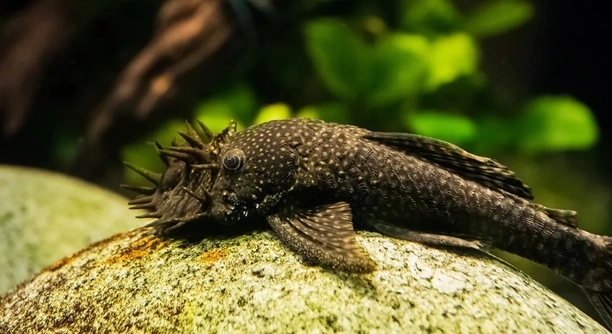
Plecos are popular fish, known for their helpful role in cleaning aquariums. However, not all plants seem to agree with them. Some of these bottom-dwelling fish avoid certain plants for reasons tied to their behavior and needs.
The main reasons plecos avoid some plants include factors like texture, taste, and the plant’s ability to withstand physical damage. Plecos might find these plants uncomfortable or difficult to interact with, leading to a lack of interest.
Understanding the reasons behind this behavior can help you make better plant choices for your aquarium. It’s all about creating a comfortable and sustainable environment for your plecos.
Plecos and Their Sensitive Taste Buds
Plecos have a very specific diet, and they are often picky eaters when it comes to plants. They prefer softer, more palatable plants over tougher, more fibrous ones. Plants with tough leaves or strong flavors can turn plecos off, making it harder for them to enjoy eating them. While some plants might seem ideal for aquarium decoration, they aren’t always the best food source for plecos. The texture of the plant is a major factor, as it affects how easily plecos can nibble or graze. If the plant is too tough or unappealing to their senses, they will likely avoid it.
Plants like java fern and anubias are much softer and tend to be favored by plecos. They are easy to nibble on and don’t cause any discomfort for these fish. On the other hand, plants with thick or spiny leaves can create a negative experience for plecos, making them stay away from these plants altogether.
In addition to the texture, plecos can also be sensitive to the taste of certain plants. Some plants have a bitter or strong taste that makes them undesirable to plecos. These fish have evolved to prefer softer, neutral-tasting plants that are easier on their digestion. If a plant has a distinct flavor, plecos might simply reject it. This preference for mild-tasting plants is important for maintaining their overall health, as it helps ensure they are eating the right kinds of food.
Plant Damage and Pleco Behavior
Another reason plecos avoid certain plants is because they can damage them. Plecos are notorious for scraping their teeth on surfaces, and this behavior can cause significant harm to delicate plants. The plant’s ability to withstand physical damage is crucial for their survival in an aquarium. When plecos interact with plants, they may inadvertently break leaves or roots, leading to a plant’s early demise. Some plants simply aren’t sturdy enough to survive pleco behavior.
For example, plants with fragile leaves, such as water wisteria, may not hold up well in aquariums with plecos. Plecos might chew on the leaves, causing them to break off and decompose. Over time, this damages the plant, leaving it unable to grow or thrive. On the other hand, tougher plants like hornwort or elodea tend to endure pleco behavior much better, making them more suitable for aquariums with these fish.
Certain plants can withstand a bit of nibbling, but others are more vulnerable to damage. Understanding which plants are durable enough to handle plecos can save you the frustration of dealing with dead or damaged plants. It’s important to choose plants that are both safe for the plecos and resilient enough to thrive in their environment. By doing so, you can create a stable and healthy aquarium ecosystem for everyone.
Tough Leaves Are Hard to Handle
Plants with thick, tough leaves can be a challenge for plecos. These fish typically prefer softer, thinner leaves that they can easily graze on. The tough texture of plants like swordtails or eucalyptus leaves makes them less attractive to plecos. Even though these plants are durable and look great in an aquarium, they’re not ideal for plecos who want to nibble comfortably.
Plecos, being bottom feeders, have specialized mouths to graze on algae or softer plant material. The hard, leathery texture of tough-leaved plants makes it difficult for them to interact with or even consume them. The dense leaves don’t offer the same easy food sources that plecos are naturally drawn to. In addition, these plants may require more care and attention to thrive in aquariums that house plecos, which prefer gentler, less aggressive plants.
While plecos won’t starve from the absence of tough-leaved plants, providing them with softer alternatives ensures they can maintain their health. Plants with thinner, more pliable leaves, such as water lettuce or duckweed, offer plecos a more comfortable grazing experience. The more appealing and accessible the plant is, the more likely it is that your plecos will eat it.
Plecos and Plant Variety
Variety in plant selection is important when caring for plecos. Plecos appreciate having different types of plants to interact with, but they are picky about the ones they’ll choose. If there’s too much of one type of plant, plecos may avoid it entirely. Offering a mix of plant types keeps them engaged and allows for a more natural environment.
Certain plants are better suited for plecos than others. Floating plants, like Amazon frogbit, give plecos a chance to browse easily at the surface. Other plants, like moss balls or java fern, provide softer grazing options at the bottom. The more options plecos have, the better their chances of enjoying a diverse diet. However, not every plant will work for every pleco, so experimentation is key.
By offering a range of plants that vary in size, texture, and placement, you can create a more dynamic environment for your plecos. This setup also ensures that plecos have enough to nibble on and can find plants that meet their specific needs. Keeping your plecos happy means thinking about their preferences when selecting plants.
Plant Growth Rate Matters
Plecos are more likely to interact with plants that grow at a moderate pace. Fast-growing plants like water wisteria can overwhelm the aquarium, and their rapid spread might leave plecos with less room to graze. Slower-growing plants offer more manageable environments for these fish.
When plants grow too quickly, they may overcrowd the tank, affecting water quality and giving plecos less space to roam. This can make the plants less accessible for feeding and harder for plecos to enjoy. Slower-growing plants provide a more balanced environment, making it easier for plecos to thrive without competing for space.
Moderate-growing plants also offer plecos better opportunities to forage. Instead of having to struggle through densely packed foliage, plecos can comfortably nibble on leaves that aren’t overwhelmed by excessive growth. Choosing plants with balanced growth rates is key to maintaining harmony in the aquarium.
Plant Toxicity
Some plants contain compounds that are toxic to plecos. These substances can irritate their digestive system or affect their overall health. Common examples include dieffenbachia or other ornamental plants that shouldn’t be placed in aquariums. Keeping toxic plants away is essential for pleco well-being.
Plecos, like many fish, are sensitive to the chemicals plants release into the water. These toxins can affect their health, making it difficult for them to thrive. It’s best to research each plant type carefully before introducing it to the tank, ensuring that it is safe for plecos to interact with.
Proper Lighting and Plant Health
Lighting plays a crucial role in plant health, which directly impacts plecos. Plants that don’t receive enough light can weaken and become less nutritious for plecos. On the other hand, too much light can encourage algae growth that may also be unappealing for these fish.
Plecos rely on healthy plants to graze and find food in their tank. When plants are deprived of proper lighting, their growth slows, and they become less attractive to plecos. Consistent, balanced lighting helps plants stay vibrant and nutritious, creating an optimal environment for the fish.
FAQ
Why do plecos avoid certain plants?
Plecos avoid certain plants mainly due to their texture, taste, or the plant’s ability to withstand physical damage. Some plants are too tough for plecos to nibble on, while others might taste bitter or unpleasant. Plecos prefer softer plants with a mild flavor, which they can easily graze on. Plants with tougher leaves or spiny surfaces may be uncomfortable for them to interact with. If the plant doesn’t provide an easy or enjoyable feeding experience, plecos are more likely to avoid it.
What plants are best for plecos?
Plecos tend to enjoy soft-leafed plants like java fern, anubias, and water lettuce. These plants are easier to graze on and more appealing to them. They provide the right texture and accessibility for plecos to feed comfortably. Floating plants like frogbit also work well, giving plecos access to food without overcrowding the tank. Choosing plants that are low-maintenance and can withstand the plecos’ feeding habits is important. A mix of plants in various sizes and textures will give plecos more opportunities to feed.
Can plecos eat all aquarium plants?
Not all aquarium plants are suitable for plecos. While plecos are bottom feeders and often graze on plants, they can’t eat all types of plants. Some plants, especially those with tough or spiny leaves, may be difficult for plecos to interact with. Additionally, plants like dieffenbachia or those with toxic compounds should never be placed in pleco tanks, as they can harm the fish. It’s important to ensure the plants you select are safe for plecos and match their feeding preferences.
Do plecos need live plants in their tank?
While plecos don’t absolutely need live plants to survive, having them in the tank is beneficial for both the fish and the overall aquarium environment. Live plants provide plecos with a natural food source and help maintain water quality by absorbing excess nutrients. Additionally, plants give plecos a place to hide and create a more natural habitat. Without plants, plecos may feel more exposed and stressed. If you’re aiming for a more balanced and thriving tank, incorporating live plants is a great choice for plecos.
How do plecos interact with plants?
Plecos interact with plants primarily by grazing. They use their specialized mouths to scrape algae and nibble on plant leaves. This behavior helps clean the tank but also provides them with essential nutrients. Plecos are often seen scraping their teeth across plant surfaces to find food. Some plecos, especially larger species, may be more active in this way than others. Understanding their feeding habits can help you choose plants that suit their needs and prevent damage to plants that aren’t suitable for grazing.
Why do plecos damage plants?
Plecos sometimes damage plants because of their natural feeding habits. As they scrape algae and nibble on leaves, they may inadvertently tear or break the plants. While plecos are not trying to harm plants on purpose, their bottom-feeding behavior can lead to plant damage. Some plants are more vulnerable to this than others. It’s important to choose plants that are tough enough to withstand pleco grazing, or you might notice plants wilting or breaking down more quickly.
Are plecos bad for plants in aquariums?
Not necessarily. Plecos are generally not bad for plants, but their behavior can cause damage to more delicate plants. If you have plecos in your tank, it’s important to choose plants that are hardy and can tolerate grazing. Many plecos feed on algae and soft plants, but they won’t actively destroy every plant. The key is selecting the right plants that can handle pleco activity. For example, tough plants like anubias and java fern are better suited for tanks with plecos, as they can withstand a bit of nibbling.
Can plecos help with algae control?
Yes, plecos are excellent algae eaters and are often kept in aquariums to help control algae growth. Plecos feed on algae by grazing on surfaces, including rocks, glass, and plant leaves. This natural behavior helps keep the aquarium cleaner by reducing algae buildup. However, it’s important to note that while plecos help control algae, they shouldn’t be relied on as the sole method of cleaning. Regular maintenance, such as water changes and cleaning, is still necessary to keep the tank in good condition.
How can I prevent plecos from damaging plants?
To prevent plecos from damaging plants, it’s best to choose plant species that are durable and able to withstand the pleco’s feeding habits. Opt for plants with tougher leaves, like java fern, hornwort, or anubias. Additionally, providing plenty of food options like algae wafers or other supplements can help reduce the amount of plant grazing your plecos do. Consider setting up your tank with some areas of dense plant growth and others with more open space so plecos can graze without overworking the plants. Regularly monitor the health of your plants and replace them as needed.
Do plecos need to be fed plant-based food?
Yes, plecos require a diet that includes plant-based food. While they do graze on algae in the aquarium, this might not be enough to meet all their nutritional needs. In addition to algae, plecos benefit from plant-based foods like algae wafers, blanched vegetables, and other plant matter. Ensuring a balanced diet is essential for their health. While some species of plecos are more carnivorous, many rely on plant matter as a significant part of their diet. Offering a variety of foods can help them thrive.
Final Thoughts
When it comes to plecos and plants, understanding their preferences and behavior is key to creating a comfortable and healthy aquarium. Plecos have specific needs when it comes to the plants they interact with. They prefer softer, mild-tasting plants that are easy to nibble on, and they may avoid plants with tough leaves or strong flavors. It’s important to consider these factors when choosing plants for your tank. Providing plecos with plants that meet their grazing habits not only ensures their comfort but also supports their overall health and well-being.
Selecting the right plants for plecos doesn’t just improve their feeding experience; it also creates a more balanced aquarium environment. Healthy, suitable plants help with water quality by absorbing excess nutrients and giving plecos a place to hide and explore. In turn, plecos help maintain the tank by grazing on algae, keeping the environment cleaner. While plecos don’t need plants to survive, incorporating them into the tank adds a level of natural beauty and sustainability that benefits both the fish and the plants.
It’s also worth noting that plecos can be rough on plants. Their bottom-feeding behavior, while natural, may lead to plant damage. However, choosing more resilient plants can reduce the risk of significant harm. Tougher plants, like java fern, anubias, and hornwort, can withstand pleco activity while still offering them food. By selecting a variety of plants with different textures and growth rates, you create a dynamic and thriving aquarium. Ensuring a balance between the plecos’ needs and the health of your plants will keep both the fish and the tank in good condition.

Hello,
If you enjoy the content that we create, please consider saying a "Thank You!" by leaving a tip.
Every little bit helps us continue crafting quality advice that supports the health, happiness, and well-being of pets around the world, for pets of all shapes, sizes, and species.
We really appreciate the kindness and support that you show us!