
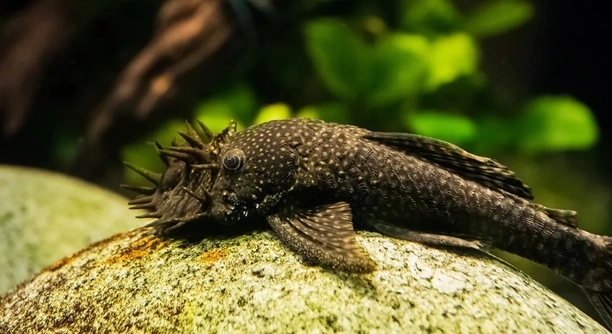
Plecos are popular fish known for their peaceful nature and their role in keeping aquariums clean. Understanding their preferences is important for ensuring their well-being in a home tank.
Plecos generally prefer a calm environment with low light and quiet surroundings. High levels of activity and noise can stress them out, affecting their health and behavior. A peaceful tank ensures they feel safe and secure.
Creating a calm and serene space for your plecos will encourage them to thrive. With the right environment, they can live comfortably and stay healthy in your aquarium.
Pleco Behavior and Its Impact on Their Environment
Plecos are bottom-dwelling fish that enjoy hiding in plants, rocks, and caves. They’re known to be shy and prefer calm, low-activity environments. When there is too much movement or noise in the tank, they can become stressed. Stress can lead to reduced feeding, lethargy, and even health issues. This is why it’s essential to maintain a peaceful aquarium setup where plecos can retreat to quiet spots when needed. In a busy or noisy tank, plecos may feel overwhelmed and will be less likely to exhibit natural behaviors, such as foraging or socializing.
While plecos are known for their calm demeanor, they need time and space to feel secure. Their tendency to avoid conflict means they are not suited for tanks with overly active species. A calm setup can make a significant difference in their happiness.
Ensuring the environment suits plecos is crucial for their well-being. A low-traffic tank with places to hide and moderate water flow allows plecos to live without feeling anxious or disturbed. Tank mates should be selected with care, keeping in mind that plecos need their space to feel safe and comfortable.
Maintaining a Calm Tank for Your Pleco
A quiet, peaceful atmosphere is key for plecos. Keeping water parameters stable and tank mates minimal can help reduce stress.
Tank setups with gentle filters and soft lighting are ideal. Plecos will spend their time foraging and exploring if their environment is calm, which helps them thrive.
The Role of Tankmates in Pleco’s Comfort
Choosing the right tankmates is crucial for plecos. Peaceful species that don’t chase or crowd them will help them feel secure. Aggressive or overly active fish will cause unnecessary stress.
Plecos are naturally shy and may hide if they feel threatened. Tankmates should be calm and non-competitive. Species like tetras or guppies are ideal, as they don’t compete with plecos for food or space. It’s also important to ensure the tank is large enough to allow each fish to have its own territory. The wrong mix of tankmates could affect the pleco’s well-being.
Adding other plecos to the tank may cause territorial disputes. Keeping only one pleco per tank is often the best approach to avoid aggression. When selecting other species, ensure that they are peaceful and won’t outcompete the pleco for food, as this can lead to stress and health issues.
Creating a Low-Activity Aquarium for Your Pleco
Keeping your aquarium environment quiet and low-activity is key to your pleco’s comfort. Too much movement and noise in the tank can stress them out.
The best way to maintain a peaceful setting is by limiting fast-moving species that tend to roam constantly. Plecos prefer to stay near the bottom of the tank, so having active fish near the surface won’t disturb them much. Ensure there are plenty of hiding spots for the pleco to retreat to when needed. The more secure they feel, the healthier they will be.
The Importance of Tank Setup for Plecos
A well-designed tank is essential for plecos. Providing plenty of hiding spaces like caves and plants gives them the sense of security they need. A calm tank setup with minimal decorations ensures plecos have room to swim and explore.
Plecos like dark, cozy spots to retreat to during the day. Adding rocks, driftwood, or dense plants helps create a comfortable environment. Be mindful of the size of your tank. A small, overcrowded tank will increase stress. The more space plecos have to hide and explore, the happier and healthier they will be.
Water Quality and Its Effect on Plecos
Water quality plays a vital role in the well-being of plecos. Clean water, with the right levels of pH, temperature, and filtration, is key to reducing stress. They are sensitive to poor water conditions.
To maintain healthy water, monitor ammonia and nitrate levels. Regular water changes and a good filtration system will keep your pleco’s environment clean. Plecos thrive in stable, clean water and are less likely to get stressed if these conditions are met.
FAQ
Do plecos need a lot of space?
Yes, plecos need plenty of space to thrive. They are bottom-dwelling fish that can grow quite large, depending on the species. A tank that’s too small can cause stress, as plecos need room to swim and explore. A minimum of 30 gallons is recommended for smaller species, with larger species requiring even more space. The more room they have, the healthier and less stressed they will be.
Can plecos live with other fish?
Plecos can live with other fish, but it’s important to choose peaceful species. They are generally calm and shy, so aggressive or overly active fish may stress them out. Good tankmates include tetras, guppies, and other non-aggressive fish. Avoid pairing plecos with fin-nipping species or fish that compete for the same food. Make sure there’s enough space in the tank for everyone to have their own territory.
Are plecos active at night?
Yes, plecos are primarily nocturnal. They are more active during the night, foraging for food and exploring their environment. During the day, they tend to hide in caves, plants, or behind decorations, staying out of sight. Providing plenty of hiding spots is essential for their well-being. You might notice them being more active once the tank lights are off and the room is quiet.
How can I reduce stress for my pleco?
To reduce stress, make sure your pleco has a calm environment with plenty of hiding places. Avoid placing the tank in a high-traffic area, and minimize noise. Keep water quality stable with regular water changes and proper filtration. Also, provide a suitable tank setup with rocks, plants, and driftwood for shelter. Lastly, choose peaceful tankmates that won’t disturb your pleco.
Do plecos need a filter in their tank?
Yes, plecos require a filter to keep their tank water clean. They produce waste, and a good filtration system helps maintain water quality by removing toxins like ammonia and nitrates. A filter also promotes water movement, which plecos enjoy. Just ensure the filter’s flow rate is not too strong, as plecos prefer calmer water.
What temperature do plecos prefer?
Plecos prefer warmer water, typically between 72°F and 80°F (22°C to 27°C). If the water is too cold, they can become sluggish and stressed. Make sure to keep the temperature stable by using a reliable heater if needed. Consistent water temperature helps plecos stay active and healthy.
Can plecos live with bettas?
Plecos and bettas can live together in the same tank, but it depends on the betta’s temperament. Betta fish are known for being aggressive, especially toward other males or colorful fish. If you choose to keep a pleco with a betta, make sure the tank is large enough for both to have their own space. Bettas should not be placed with any fish that could compete for food or harass them.
How often should I feed my pleco?
Plecos are bottom feeders and primarily eat algae and detritus in the wild. In an aquarium, they can be fed a variety of foods, including algae wafers, vegetables like zucchini and cucumber, and occasional protein like shrimp. Feed your pleco 2-3 times a week to ensure they are getting the nutrients they need. Avoid overfeeding, as this can lead to poor water quality.
Why is my pleco not eating?
If your pleco isn’t eating, it could be due to several factors. Stress from poor water quality, unsuitable tankmates, or changes in the environment may cause a lack of appetite. Check the water parameters to ensure they’re within the proper range. If your pleco is hiding more than usual, it could also be stressed. Additionally, check the type of food you’re offering. Plecos may be picky about their food, so try offering different types of algae wafers or fresh vegetables.
Do plecos need to be cleaned?
Plecos naturally help keep the aquarium clean by eating algae, but they still need to be cared for. Regular water changes, filter maintenance, and substrate cleaning are necessary to keep the tank in good condition. While plecos do clean surfaces, their waste can build up in the tank, so it’s important to maintain overall tank hygiene. A clean tank will help your pleco stay healthy.
How long do plecos live?
Plecos can live for a long time, typically between 10 to 15 years if cared for properly. Their lifespan can vary depending on the species, with some plecos living even longer. Providing a stable environment, good water quality, and proper diet will contribute to a longer, healthier life for your pleco.
Final Thoughts
Plecos are fascinating fish that can bring a lot of benefits to an aquarium. Known for their ability to help keep algae under control, they are also peaceful and can live harmoniously with many other fish species, provided their environment is right. However, it’s important to remember that plecos have specific needs. A calm, low-activity tank with plenty of hiding spaces will help them feel secure. They are shy by nature, and too much noise or movement can stress them out.
When setting up a tank for plecos, consider their size and the space they need to thrive. A larger tank with ample room for swimming and hiding will ensure they remain happy and healthy. Also, be mindful of the water quality. Plecos are sensitive to poor water conditions, and maintaining stable water parameters is essential for their health. Regular water changes and a good filtration system are key to keeping the environment clean.
Lastly, pay attention to the tankmates you choose. While plecos are generally peaceful, they can become stressed if housed with aggressive or overly active fish. It’s best to pair them with other calm species that won’t outcompete them for food or invade their space. By understanding the needs of your pleco and providing the right environment, you’ll help ensure that your fish stays healthy and happy for many years.

Hello,
If you enjoy the content that we create, please consider saying a "Thank You!" by leaving a tip.
Every little bit helps us continue crafting quality advice that supports the health, happiness, and well-being of pets around the world, for pets of all shapes, sizes, and species.
We really appreciate the kindness and support that you show us!