
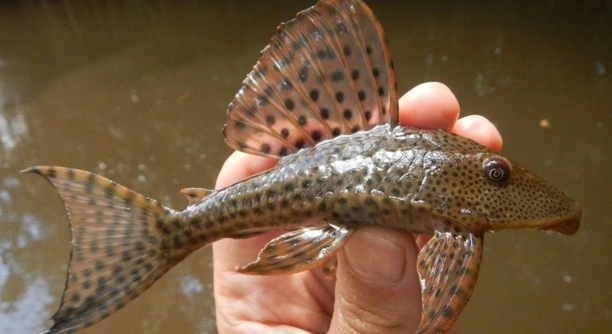
Do you have a Plecostomus in your aquarium and notice that it seems to have trouble resting?
Several factors can disrupt Plecostomus sleep, such as water quality, lighting, tank mates, and environmental changes. Stressors like noisy environments, water temperature, and lack of hiding spots can also disturb their rest patterns.
Keeping these factors in mind will help you create a more peaceful environment for your Plecostomus. By making some adjustments, you can ensure better sleep for your fish.
Water Quality Matters
Water quality is essential for your Plecostomus to sleep well. Dirty or poorly-maintained water can lead to stress, making it harder for them to relax. High levels of ammonia, nitrites, or nitrates can be particularly harmful, as they irritate the fish’s gills and skin. If your water parameters aren’t optimal, your Plecostomus may feel uncomfortable, affecting its sleep. Keeping the tank clean and regularly checking the water conditions are simple steps you can take to maintain a peaceful environment.
Good filtration and water changes should be part of your regular routine. Proper water parameters promote a healthy habitat where your Plecostomus feels safe and can sleep peacefully.
Ensure the water temperature is consistent, and always avoid sudden shifts in water conditions. Regular testing with a water test kit can help you stay on top of potential problems. This proactive approach will make a significant difference in the quality of sleep your Plecostomus gets.
Lighting and Sleep Patterns
The lighting in your aquarium can also impact your Plecostomus’s sleep.
Plecostomus are nocturnal and prefer low-light environments. If your aquarium light is too bright or on for extended hours, it can confuse their sleep cycle. It’s important to replicate a natural day and night cycle, with a consistent schedule for the lights.
A timer for the aquarium lights can ensure the Plecostomus has the proper balance of day and night. Lights should be turned off at night and left off for a minimum of 8–10 hours. Keeping the aquarium dim at night helps your Plecostomus feel secure and encourages its natural behaviors. Too much light can disrupt their natural rhythm, leading to stress and poor sleep quality.
Tank Mates and Peaceful Sleep
Your Plecostomus’s sleep can be affected by the behavior of its tank mates. Aggressive or overly active fish can create stress, disrupting the Plecostomus’s rest. Fish that chase or nip at the Plecostomus may cause it to feel unsafe. This stress leads to less sleep and poor overall health.
It’s best to keep Plecostomus with peaceful species that don’t disturb their space. A calm tank environment allows them to sleep without constant interruptions. If you notice any aggression from tank mates, consider separating them to ensure the Plecostomus has a more restful experience.
Give your Plecostomus plenty of space to hide and rest in peace. Adding caves or plants for shelter can provide them with places to retreat when they need to rest, away from any potential threats. This helps to create a more secure environment and supports better sleep patterns.
Environmental Changes
Constant changes in the aquarium environment can negatively affect your Plecostomus’s sleep.
If you move decorations, rearrange the tank, or change water parameters frequently, it may cause the fish to become disoriented. This confusion leads to stress, keeping the Plecostomus awake or making it difficult to fall into a deep sleep. Stability is key for promoting a restful environment.
Try to avoid sudden changes to the tank setup. Plecostomus feel more secure when they have a consistent environment, with familiar spots to hide and rest. Minimizing disruptions helps maintain a calm atmosphere, allowing your fish to sleep and feel at ease.
Noise and Distractions
Noise in the room can prevent your Plecostomus from sleeping. Sudden sounds, like loud talking, footsteps, or nearby appliances, can startle the fish and disrupt its sleep cycle. Fish are sensitive to vibrations and noise, so a peaceful environment is crucial for proper rest.
Try to place the tank in a quieter part of your home, away from busy areas. Keeping the surroundings calm will help your Plecostomus feel more secure, allowing it to sleep peacefully without being disturbed by external noise.
Water Temperature
Water temperature plays a huge role in your Plecostomus’s sleep habits.
If the water is too warm or cold, it can cause stress, making it difficult for the fish to relax. Plecostomus are best suited to water temperatures between 74°F and 80°F. Anything outside this range may affect their energy levels and disrupt sleep patterns.
Ensure that your heater is working properly and that the temperature remains stable throughout the day and night. This consistency will help your Plecostomus feel comfortable and secure, promoting better sleep.
Tank Size and Space
Plecostomus need enough space to move freely and rest.
FAQ
How can I tell if my Plecostomus is not getting enough sleep?
Signs that your Plecostomus is not sleeping well include increased aggression, lack of appetite, or unusual behavior like excessive swimming. You may also notice the fish hiding more often or being easily startled. If your Plecostomus is stressed and not sleeping enough, it will appear less active and may not be as interested in food.
Can I keep Plecostomus with other species?
Yes, you can keep Plecostomus with other fish, but it’s important to choose peaceful tank mates. Aggressive or territorial fish can cause stress, leading to poor sleep and health. It’s best to avoid species that may harass or nip at the Plecostomus. Fish like tetras, guppies, or peaceful community species are ideal companions.
How often should I clean the tank for better sleep quality?
Regular tank maintenance is essential for ensuring good water quality and a restful environment for your Plecostomus. Clean the tank at least once a week, performing partial water changes and removing debris. Ensure the filtration system is working properly to keep the water clear and healthy. A clean tank helps reduce stress and provides a peaceful space for your Plecostomus to sleep.
Do Plecostomus need a specific light schedule to sleep well?
Yes, Plecostomus are nocturnal and thrive in low light environments. Too much light during the day can confuse their natural sleep patterns. It’s best to have a light cycle that mimics the natural day-night cycle, keeping the lights on for 10–12 hours a day and off during the night. A consistent schedule helps your Plecostomus sleep better.
Can stress from tank mates affect my Plecostomus’s sleep?
Yes, stress from tank mates can significantly affect the sleep of your Plecostomus. Aggressive or overly active fish can disturb your Plecostomus’s rest. If your Plecostomus is constantly on alert, it won’t be able to relax enough to sleep. Keep peaceful, non-aggressive species in the tank to avoid causing stress.
What temperature is best for Plecostomus to sleep?
Plecostomus prefer water temperatures between 74°F and 80°F. If the temperature is too high or too low, it can cause stress and affect their sleep quality. Regularly check the water temperature to ensure it stays within this ideal range. Consistency is important, as temperature fluctuations can disrupt sleep and make your Plecostomus feel unsafe.
Should I add hiding spots to the tank for my Plecostomus?
Yes, adding hiding spots is highly beneficial for your Plecostomus. Plecostomus like to rest in caves, under rocks, or behind plants. These spaces give them a place to retreat when they need rest, making them feel more secure. Providing multiple hiding spots can reduce stress and help your Plecostomus sleep better.
Is it normal for my Plecostomus to sleep during the day?
Yes, Plecostomus are nocturnal fish, which means they are more active at night and sleep during the day. If your Plecostomus is resting during the daytime, it’s simply following its natural rhythm. Ensure the tank has low light during the day and dark at night to support this behavior.
How can I reduce noise to help my Plecostomus sleep?
Reducing noise is important for promoting good sleep in your Plecostomus. Avoid placing the tank near loud appliances or high-traffic areas where sounds and vibrations can disturb the fish. If possible, use soundproofing methods in the room to minimize external noise. Keeping a peaceful environment will help your Plecostomus feel safe and encourage better rest.
Can poor water quality cause my Plecostomus to not sleep well?
Yes, poor water quality can directly affect your Plecostomus’s sleep. High ammonia, nitrites, or nitrates levels can irritate your fish, causing stress and disrupting sleep. Make sure to monitor water parameters regularly and perform water changes to keep the environment clean. Clean, stable water is essential for helping your Plecostomus sleep peacefully.
Do Plecostomus need a large tank to sleep well?
While Plecostomus are not overly demanding when it comes to tank size, they do need space to move freely. A tank that’s too small can cause stress and make it difficult for your Plecostomus to sleep properly. A tank of at least 30 gallons is recommended for a healthy and comfortable Plecostomus. The more space they have, the more likely they will rest peacefully.
Can I use a filter in the tank if I want my Plecostomus to sleep well?
Yes, using a filter is important for maintaining clean water, which promotes better sleep for your Plecostomus. However, make sure the filter’s flow isn’t too strong, as this can cause stress and interfere with sleep. Choose a filter that provides gentle water circulation to maintain a stable environment while not disturbing your fish’s rest.
What should I do if my Plecostomus is still not sleeping well?
If your Plecostomus continues to have trouble sleeping, review all aspects of its environment. Check water quality, temperature, lighting, and tank mates. Stress is often the main cause of sleep disturbances, so addressing the factors mentioned in this article should help improve the situation. If the issue persists, consulting an aquarium specialist might be necessary.
Final Thoughts
Ensuring your Plecostomus gets enough sleep is crucial for its health and well-being. This fish, like many others, needs a stable and peaceful environment to thrive. Factors such as water quality, lighting, tank mates, and noise levels all play a role in how well your Plecostomus can rest. Without proper sleep, your Plecostomus may become stressed, which can lead to poor health and even a shorter lifespan. Paying attention to these factors and adjusting them as needed will help provide your fish with the best possible environment for rest.
One of the easiest ways to improve your Plecostomus’s sleep is by maintaining a consistent tank environment. Regular water changes, keeping the water temperature stable, and ensuring there are hiding spots can all go a long way in helping your Plecostomus feel safe and comfortable. Adding peaceful tank mates and reducing noise levels will also help create a serene atmosphere, allowing your fish to sleep peacefully. Remember that these simple changes can have a big impact on your Plecostomus’s overall health and happiness.
In the end, creating the right conditions for your Plecostomus to sleep well is all about consistency and understanding its natural needs. With a little care and attention, you can ensure that your fish remains healthy, happy, and well-rested. By avoiding disruptions to its environment and paying attention to key factors like lighting and water quality, you’ll support a peaceful sleep cycle for your Plecostomus, leading to a healthier and more vibrant aquarium.

Hello,
If you enjoy the content that we create, please consider saying a "Thank You!" by leaving a tip.
Every little bit helps us continue crafting quality advice that supports the health, happiness, and well-being of pets around the world, for pets of all shapes, sizes, and species.
We really appreciate the kindness and support that you show us!