
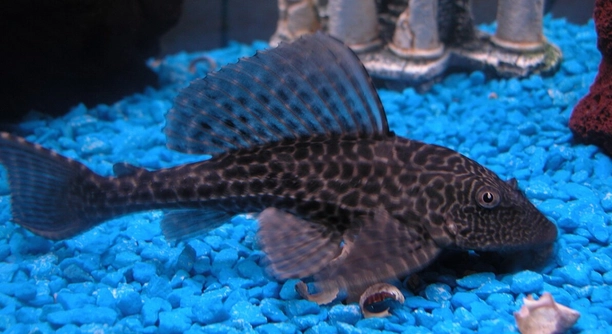
Moving a pleco between tanks is a task many aquarium owners face. While the process may seem straightforward, there are important steps to ensure the pleco’s safety and well-being during the move.
Transferring a pleco between tanks can be done safely by ensuring the water parameters match as closely as possible. Proper acclimation is key to minimizing stress. Gradual water adjustments and careful handling will prevent injury or shock to the pleco.
Handling a pleco properly during the move is essential to maintain its health. Proper acclimation can significantly reduce stress and prevent any adverse effects on the fish.
Preparing the Tanks
Before moving a pleco, it’s important to prepare both tanks properly. Ensure that the tank you are transferring the pleco into has similar water conditions to the original one. Plecos are sensitive to sudden changes in water temperature, pH, and hardness, so checking these factors before moving the fish is crucial. If necessary, adjust the water in the new tank to match the pleco’s current environment. This will help reduce stress and prevent shock.
To make sure the pleco is comfortable, take the time to ensure the new tank is clean and stable. Remove any excess debris, check the filtration system, and make sure the water is free from harmful chemicals. Use a water conditioner if necessary. Also, confirm that the new tank has enough hiding spots for the pleco to feel secure. This will help the pleco settle in more easily.
You also need to prepare the transport container. Choose a container that is large enough to hold the pleco without overcrowding. It should be filled with water from the original tank to maintain the same water conditions during the move. Avoid using any chemicals or soaps in the container, as these can harm the pleco. Keep the container covered to prevent the pleco from jumping out during the transfer.
Moving the Pleco Safely
Moving the pleco requires patience and care. Gently scoop the pleco into the container using a soft net. Avoid touching the pleco directly with your hands, as this can stress the fish and cause injury. Hold the net with a firm grip, but be gentle when guiding the pleco into the container.
Once the pleco is safely inside the transport container, immediately transfer it to the new tank. Keep the pleco in the container for a few minutes to allow it to acclimate to the new tank’s water temperature and parameters. Slowly introduce the pleco to the tank by gently lowering the container into the water and allowing the pleco to swim out when ready. This gradual transition can minimize stress during the process.
Handling Stress During the Move
Moving a pleco can be stressful, so it’s important to minimize any additional strain. A good way to reduce stress is by handling the pleco gently and ensuring the water conditions in both tanks are as close as possible. This makes the transition smoother for the fish.
During the transfer, try to keep the pleco in a quiet, low-traffic area. Loud noises and sudden movements can cause stress. It’s also important to monitor the pleco’s behavior after the move. Watch for signs of stress, such as rapid breathing, hiding, or loss of appetite.
Providing a stable and calm environment during the move can significantly reduce the likelihood of long-term stress. If possible, avoid making other changes to the tank, such as adjusting decorations or adding new fish. A calm and stable environment will help the pleco adjust faster.
Monitoring After the Move
After moving the pleco, monitoring its behavior is essential to ensure it settles in well. Check for any signs of stress, including abnormal swimming patterns, loss of color, or refusal to eat. If the pleco appears stressed, consider adjusting the water parameters.
Take note of the pleco’s feeding habits as well. A stressed pleco may not eat right away, but don’t worry if it doesn’t eat for a day or two. Give it time to adjust to the new environment. You can also try offering different foods that the pleco enjoys to encourage feeding.
Additionally, check the pleco for any signs of injury. While moving the pleco is usually safe, sometimes accidents can occur. Look for any visible wounds, such as cuts or scrapes, and address them quickly by using appropriate treatments if necessary.
Ideal Water Conditions
Matching water parameters is crucial when moving a pleco between tanks. Make sure the temperature, pH, and hardness are consistent to reduce stress. Any drastic changes can lead to shock, so test the water in both tanks beforehand.
Use a thermometer to check the temperature of both tanks and adjust if necessary. Aim for a range of 74°F to 80°F. For pH, keep it stable, ideally between 6.5 and 7.5. Water hardness should also be similar to maintain a healthy environment. If you need to adjust, use conditioners carefully to avoid harming the pleco.
Acclimation Process
Acclimating the pleco properly is key to ensuring a smooth transition. Float the transport container in the new tank for about 15 to 20 minutes. This allows the pleco to adjust to the water temperature gradually. Add small amounts of the new tank water to the container to help the pleco acclimate.
Once the temperature and water conditions are similar, you can gently release the pleco into the new tank. The acclimation process reduces the risk of shock and helps the pleco adjust to its new surroundings with minimal stress. Keep an eye on it for the next few days.
Tank Environment
Ensure the new tank is equipped with adequate hiding spaces for the pleco. Plecos prefer dark, sheltered areas where they can rest. Provide caves, driftwood, or plants to give them a secure environment. This can help ease their transition and keep them calm.
FAQ
How long should I wait before moving my pleco to a new tank?
It’s best to wait until the new tank is fully cycled before moving your pleco. This ensures that the water conditions are stable and safe for the fish. A newly set-up tank may not have established the necessary bacteria to filter harmful substances, which could stress or harm your pleco.
Can I move my pleco to a new tank immediately after purchasing it?
No. It’s important to allow your pleco to adjust to your home before moving it to a new tank. Ideally, the pleco should stay in a quarantine tank for a few weeks to ensure it’s healthy and free of diseases. This also gives you time to test and adjust water conditions in the new tank.
Is it safe to move a pleco during the day or night?
You can move your pleco either during the day or night, but it’s typically recommended to do it during the day when you can monitor its behavior. Doing it during the day ensures that you can check for any immediate signs of stress or injury after the move. Plecos are nocturnal, so they may be more stressed if moved at night when they are naturally less active.
Should I feed my pleco before moving it?
It’s not necessary to feed your pleco before the move, especially if the transfer is short. You can feed the pleco once it’s settled in the new tank. If the move is going to take longer, provide a small amount of food before the move to avoid stress from hunger during the transfer.
Can I move multiple plecos at once?
Yes, but make sure that the new tank is large enough to accommodate all the plecos comfortably. Plecos can be territorial, especially with other plecos, so ensure the tank has enough space and hiding spots. Moving them all together can help reduce stress, as they won’t feel as isolated, but the tank should be well-prepared for the number of fish.
What should I do if my pleco seems stressed after the move?
If your pleco appears stressed after the move, check the water conditions first. Ensure that the temperature, pH, and hardness are ideal and match the previous tank’s parameters. You can also provide extra hiding spots in the tank to help the pleco feel more secure. Avoid making any other changes to the tank for a while to prevent additional stress.
How do I know if my pleco is healthy enough to move?
Before moving your pleco, ensure it’s eating well, swimming actively, and showing no signs of illness, such as abnormal swimming patterns, skin discoloration, or lesions. If it’s sick, it’s better to wait until it fully recovers before transferring it to a new tank. Stress from moving could worsen its condition.
What’s the best way to handle my pleco during the move?
Use a soft net to scoop the pleco gently. Avoid touching it with your hands, as oils from your skin can harm the pleco’s slime coat, which is essential for its protection. Handle it as little as possible to reduce stress. If the pleco is large, use a container instead of a net for safer transfer.
How can I make sure the new tank is pleco-friendly?
Make sure the new tank has proper filtration, a suitable substrate (such as smooth gravel or sand), and enough hiding spaces. Plecos often prefer areas with driftwood, rocks, or caves where they can rest. Ensure the tank size is large enough, as plecos can grow quite large, depending on the species.
Can I add other fish to the tank right after moving my pleco?
It’s best to give your pleco some time to adjust before adding other fish. Adding new fish too soon can cause stress and potentially lead to territorial issues. Wait at least a few days after the move to monitor how your pleco is adjusting before introducing other tank mates.
Should I adjust the filter in the new tank before moving the pleco?
Yes, it’s a good idea to check the filtration system before transferring the pleco. Make sure the filter is working properly and is suitable for the size of the tank. A strong filter can create strong currents, which may stress the pleco, so adjust it accordingly to create a calm environment.
Can I move my pleco between tanks often?
Frequent moves are not recommended as they can cause significant stress and disruption to the pleco’s environment. Plecos are territorial and prefer stable conditions. Moving them too often can negatively impact their health, so only relocate your pleco when necessary and after preparing the new tank properly.
How long does it take for a pleco to settle into a new tank?
It can take anywhere from a few days to a week for a pleco to fully settle into a new tank. During this time, monitor its behavior and make sure it’s adjusting to the water conditions. If you notice signs of stress, check the tank conditions and give the pleco more time to adapt.
What should I do if my pleco refuses to eat after the move?
If your pleco isn’t eating after the move, check the water conditions first. A change in water quality can cause a lack of appetite. You can also try offering different types of food, like algae wafers or vegetables. It’s normal for plecos to take some time to eat after a move, but if the behavior persists, further investigation may be needed.
Can I move a pleco to a tank with other species?
Yes, but make sure that the new tank mates are compatible. Plecos are generally peaceful, but they may become territorial if other fish invade their space. Ensure the new tank is large enough and has enough hiding spots to avoid aggression and stress from other fish.
Final Thoughts
Moving a pleco between tanks can be done safely if the right precautions are taken. The most important factor is ensuring that the water conditions are similar between both tanks. Temperature, pH, and water hardness must be carefully matched to avoid stress or shock. These small steps can make a big difference in how well the pleco adjusts to its new home. Proper acclimation is also crucial, as it helps the pleco transition smoothly without becoming overwhelmed by sudden changes.
Another key point to remember is that plecos are sensitive to their environment. They are creatures of habit and can get stressed easily by sudden changes, such as unfamiliar water or being placed in a new tank. Providing plenty of hiding spots and a calm environment can help ease their transition. It is also important to give them time to adjust and not rush the process. Keep an eye on them for a few days after the move to ensure they are eating well and behaving normally. If you notice signs of stress, take action quickly by checking water conditions and making any necessary adjustments.
In the long run, with careful preparation, moving a pleco between tanks can be a smooth process. The key is to take things slow and ensure the pleco’s needs are met throughout the transition. By providing a suitable environment and monitoring their health closely, you can help your pleco settle into its new tank with minimal stress. Patience is essential, as it may take time for your pleco to fully adapt. However, with the right care and attention, your pleco should thrive in its new home.

Hello,
If you enjoy the content that we create, please consider saying a "Thank You!" by leaving a tip.
Every little bit helps us continue crafting quality advice that supports the health, happiness, and well-being of pets around the world, for pets of all shapes, sizes, and species.
We really appreciate the kindness and support that you show us!