
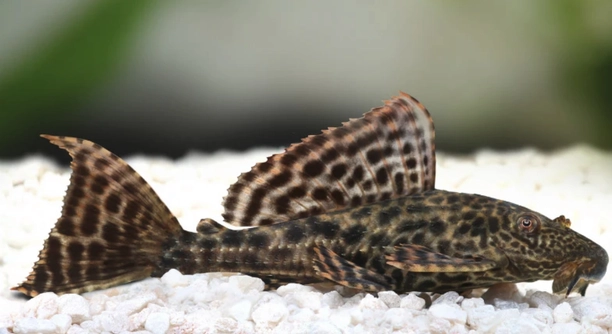
Do you keep a pleco and wonder if there’s more to its care than just algae wafers and tank cleaning routines?
Many pleco owners overlook key care details that can impact their fish’s health and well-being. These lesser-known facts include diet variety, tank environment needs, and behavioral patterns that are often misunderstood or ignored.
Learning these small but important facts can improve your pleco’s quality of life and help you avoid common mistakes.
They Need More Than Just Algae Wafers
Plecos are often labeled as algae eaters, but their diet requires much more balance. Algae alone doesn’t meet all their nutritional needs. Depending on the species, plecos may need wood to rasp on, protein sources like shrimp pellets, and vegetables such as zucchini or cucumber. Feeding a limited diet can lead to poor health, slow growth, and a weakened immune system. Fresh vegetables should be blanched before feeding to soften them. Sinking foods are best, as plecos are bottom dwellers. Rotate their meals regularly to provide a broader range of nutrients and avoid deficiencies. Overfeeding can dirty the water, so feed small portions they can finish in a few hours. Remove leftovers after feeding to maintain water quality. Pay attention to what your pleco accepts and adjust as needed. Offering a variety of food helps mimic their natural feeding habits and keeps them active and healthy in your aquarium.
Many plecos are omnivores, and feeding them a mix of plant-based and protein-rich foods supports proper growth and long-term health.
Balanced nutrition plays a critical role in preventing common health problems like bloating and lethargy. Understanding your pleco’s dietary needs helps maintain its energy levels, immune strength, and overall well-being. Each meal matters more than many owners realize.
Some Species Grow Very Large
Some plecos stay small, but others like the Common Pleco can grow up to two feet long.
It’s easy to underestimate how big some plecos can get. Many are sold as small juveniles, and pet stores rarely mention how large they will grow. Keeping a Common Pleco in a 20-gallon tank is a mistake. They outgrow small tanks quickly, and lack of space leads to stunted growth and poor health. These fish need strong filtration, open swimming areas, and hiding spots. A 75-gallon tank or larger is necessary for adult Common Plecos. If you’re looking for a smaller option, consider species like the Bristlenose or Clown Pleco, which stay under six inches. Knowing the adult size before purchase helps avoid overcrowding and stress. It also saves the hassle of upgrading tanks later. Research the specific pleco species you own or plan to get. Size affects not only tank size but also diet, behavior, and compatibility with tank mates.
Plecos Need Hiding Spots to Feel Safe
Plecos are shy and prefer to hide during the day. Without hiding places, they can become stressed and less active. Caves, driftwood, and rock structures give them shelter and help mimic their natural environment. A comfortable pleco is more likely to eat well and stay healthy.
Providing hiding spots helps reduce aggression and keeps your pleco calm. These fish are mostly nocturnal and use caves or shaded areas to rest. When they don’t have a secure place to hide, they often stay motionless or try to wedge themselves behind equipment. This can lead to injury or poor feeding habits. Use natural materials like driftwood or aquarium-safe stones to create several hideouts, especially if you keep multiple bottom dwellers. Even small plecos need their own space to retreat. Adding these shelters improves their overall behavior and encourages more natural activity, especially at night when they become more active.
The more secure your pleco feels, the better it will adapt to the tank. Stress caused by an exposed setup can weaken their immune system over time. Creating a comfortable environment with enough hiding spaces helps reduce anxiety, promotes natural behaviors, and keeps your pleco healthier. It’s a small detail that makes a big difference in long-term care.
Wood Helps With Digestion in Some Species
Certain plecos, especially those in the Panaque family, require wood in their diet. They rasp on driftwood to help with digestion and nutrient intake. Without wood, these plecos may suffer from poor digestion or nutritional deficiencies over time.
Feeding these wood-eating plecos properly means more than offering algae wafers or vegetables. Soft driftwood like Malaysian or Mopani is preferred, as it’s easier to chew and digest. As they rasp, they break down fibers that aid their digestive process. If their tank lacks driftwood, they may become lethargic, lose weight, or develop internal issues. Not all plecos need wood, but those that do can’t go without it. Research your pleco’s species to know its needs. Adding safe wood to the tank can also enrich the environment and provide shelter. Replace the wood occasionally if it becomes too worn or soft. Keeping their digestion healthy starts with offering the right materials.
They Produce a Lot of Waste
Plecos are messy fish and produce a significant amount of waste. Their constant grazing and large size in some species lead to heavy bioloads. Strong filtration and regular water changes are necessary to maintain good water quality and prevent ammonia buildup.
Overlooking this can harm tank mates and the pleco itself. Uneaten food and waste quickly dirty the water, stressing the fish. Use a canister filter or a sponge filter rated above your tank size. Keep a schedule for weekly water changes and clean substrate regularly to avoid buildup.
Some Are Territorial with Other Bottom Dwellers
Plecos may seem calm, but some species are territorial, especially when sharing space with other bottom dwellers. Conflicts can arise over food, hiding spots, or territory boundaries. Bristlenose plecos tend to be more peaceful, while Common and larger species may act aggressively in tight or crowded spaces.
Not All Plecos Can Live in the Same Conditions
Each species of pleco has different needs. Some need warmer water, while others require strong currents or cooler temperatures. Matching the tank setup to the species’ natural habitat is key to keeping them healthy.
FAQ
How often should I feed my pleco?
Feed your pleco once or twice a day, depending on its size and activity level. Small plecos can manage a smaller portion, while larger ones may need more. Always avoid overfeeding to prevent water contamination. Remove any uneaten food within a few hours to keep the tank clean.
Can I keep multiple plecos in the same tank?
It depends on the species. Some plecos, like Bristlenoses, are peaceful and can live together, while others, like Common Plecos, are territorial and may become aggressive. If you want to keep multiple plecos, make sure your tank is large enough and provide plenty of hiding spots to reduce aggression.
What is the ideal tank size for a pleco?
The ideal tank size varies by species. Smaller plecos, such as the Bristlenose, can thrive in a 30-gallon tank, while larger species like the Common Pleco need at least 75 gallons of space. Always research the adult size of your pleco before deciding on the tank size.
What type of filter should I use for plecos?
Plecos are messy fish and need strong filtration. A canister filter or a large sponge filter rated for a tank size larger than yours will help maintain water quality. It’s important to have a filter that can handle the high waste production of plecos.
Do plecos need special lighting?
Plecos do not require special lighting, but providing a natural day-night cycle with appropriate lighting is important. A timer can help regulate the light and dark periods to ensure they get rest during the day. Avoid too bright or harsh lighting, as it can stress them out.
Can plecos live with other fish?
Plecos are generally peaceful, but their compatibility with other fish depends on the species. Smaller plecos like the Bristlenose can live with a variety of tank mates, while larger plecos may intimidate or fight with other bottom dwellers. Always ensure that the tank mates are not overly aggressive or territorial.
How long do plecos live?
Plecos can live for several years, with the lifespan ranging from 10 to 15 years in the right conditions. Some species, such as the Common Pleco, may even live longer if properly cared for. Regular water changes, a proper diet, and a spacious tank contribute to their long life.
Do plecos need wood in their tank?
Wood is essential for certain pleco species, like those in the Panaque family, which require it to aid in digestion. Plecos rasp on driftwood, breaking down fibers that help with their digestive system. If you own a wood-eating pleco, ensure there’s suitable driftwood available in the tank.
Can plecos eat just algae wafers?
While algae wafers can be part of a pleco’s diet, they are not enough on their own. Plecos need a varied diet that includes vegetables like zucchini and cucumber, as well as protein-rich foods like shrimp pellets. A well-rounded diet will keep them healthy and active.
Do plecos need to be quarantined when introduced to a new tank?
Yes, it’s best to quarantine any new pleco for 2-4 weeks before introducing it to your main tank. This helps prevent the spread of diseases or parasites to your existing fish. Use a separate tank with stable water conditions for quarantine.
What is the best way to clean my pleco’s tank?
Cleaning a pleco’s tank requires regular maintenance. Perform weekly water changes of 25-30% and vacuum the substrate to remove waste. Clean the filter as needed, and ensure any uneaten food is removed within a few hours. Occasionally, clean any decorations and driftwood to prevent algae buildup.
How do I know if my pleco is stressed?
A stressed pleco may display abnormal behaviors like excessive hiding, refusal to eat, or staying motionless at the surface of the tank. Changes in color or a faded appearance are also signs of stress. Poor water quality, a lack of hiding spots, or incompatible tank mates may be the cause.
What temperature should the water be for my pleco?
Plecos generally prefer water temperatures between 75°F and 80°F (24°C to 27°C). Some species may tolerate slightly lower or higher temperatures, so always check the specific needs of your pleco species. A consistent temperature is crucial to prevent stress and health issues.
Can plecos live with shrimp?
Most plecos will live peacefully with shrimp, but larger species may view them as food. Smaller plecos, such as Bristlenoses, tend to be more peaceful and can coexist with shrimp. Always ensure that the shrimp species is compatible with the pleco size to avoid predation.
How can I tell if my pleco is healthy?
A healthy pleco should be active, have vibrant color, and display natural behaviors like swimming and rasping on surfaces. Its body should be free from lesions, sores, or swelling. Regular feeding and a clean tank environment are key indicators of good health.
What kind of plants can I keep with my pleco?
Plecos often graze on plants, so it’s best to choose hardy, fast-growing plants. Java fern, Anubias, and Vallisneria are great options for pleco tanks, as they are resistant to damage. Avoid delicate plants that might be uprooted or eaten by your pleco.
What should I do if my pleco is not eating?
If your pleco isn’t eating, check the water parameters first. Poor water quality can lead to a loss of appetite. Ensure that the food is appropriate for the species and try offering a variety of foods. If the issue persists, consult a veterinarian.
Can plecos breed in a home aquarium?
Breeding plecos in an aquarium can be difficult. While some species, like the Bristlenose, may breed in a properly set up tank, many plecos require specific conditions such as temperature fluctuations or special caves for spawning. If you’re interested in breeding, research the species’ specific requirements.
Do plecos need a lot of oxygen in their tank?
Plecos don’t require excessively oxygenated water but do benefit from good water circulation. A strong filter or air pump will help ensure the water has enough oxygen for the pleco and its tank mates. However, avoid creating strong currents that may stress the fish.
Final Thoughts
Plecos are fascinating fish that can thrive in a variety of aquarium setups. They are relatively easy to care for, but understanding their specific needs is crucial for their long-term health. By providing a proper tank size, clean water, and a balanced diet, you can ensure your pleco lives a happy life. Regular maintenance, such as water changes and filter cleaning, will go a long way in maintaining a healthy environment for your fish.
It’s important to remember that not all plecos are the same. While some species, like the Bristlenose pleco, are more peaceful and easier to care for, others may require special attention due to their size or territorial behavior. Always research the specific needs of your pleco species to ensure you are meeting its requirements. Additionally, consider the needs of any tank mates, as plecos may not always get along with other bottom dwellers.
Ultimately, the key to keeping a pleco happy is understanding its natural behavior and environment. These fish can live for many years if given the right care, and their unique characteristics can make them a great addition to your aquarium. With the right preparation, your pleco can grow and thrive, offering years of enjoyment as it gracefully roams the bottom of your tank.

Hello,
If you enjoy the content that we create, please consider saying a "Thank You!" by leaving a tip.
Every little bit helps us continue crafting quality advice that supports the health, happiness, and well-being of pets around the world, for pets of all shapes, sizes, and species.
We really appreciate the kindness and support that you show us!