
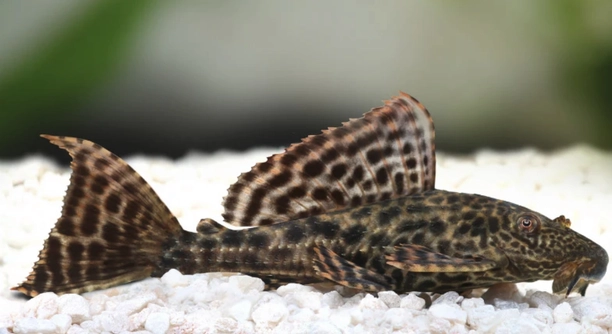
A Plecostomus, or pleco, is a popular freshwater fish known for its algae-eating habits. However, like all fish, it can develop health problems. Fungal infections are common, and recognizing the early signs is key to providing the proper care.
Fungal infections in Plecostomus can appear as white, cotton-like growths on the body or fins. These infections often arise from poor water conditions or stress, requiring immediate treatment to prevent further harm to the fish.
Fungal issues can spread quickly if not addressed. Knowing the signs will help you act swiftly and protect your Plecostomus from potential harm. Let’s explore these signs and how to treat them effectively.
1. White, Cotton-like Growths on Skin or Fins
Fungal infections in a Plecostomus are often easy to spot when there are noticeable white, fluffy patches on their skin or fins. These growths usually start small but can quickly spread if left untreated. The fungus often thrives in areas of the fish that are already stressed, such as damaged fins or wounds.
The fungus can also appear as fuzzy spots on the pleco’s body, resembling a cotton ball. These white growths may affect one part of the body at first but tend to grow larger and spread across the fish. In more severe cases, the growth can cover the entire body.
Improper water conditions—like poor filtration or high levels of ammonia—can encourage fungal growth. Stress from overcrowded tanks or an unsuitable environment can also make your pleco more susceptible. Keeping the tank clean, ensuring the right water parameters, and addressing any injuries immediately will go a long way in preventing infections. If you spot these cotton-like growths early on, isolating the pleco and treating it can prevent further harm.
2. Loss of Appetite or Decreased Activity
A common sign of fungal infection is a noticeable drop in appetite or energy levels.
When a Plecostomus is infected, it may become lethargic and avoid eating, which can worsen its condition. The fish may hide more often and show less interest in food, even its favorite algae or pellets.
Infected plecos often seem sluggish and will avoid interacting with other fish or swimming. If you notice your pleco hiding more than usual and eating less, it could be a sign of an underlying fungal infection. These symptoms indicate that the fish is likely struggling to fight off the infection. Keep an eye on your pleco’s behavior and food intake, and if these signs persist, it’s best to take action by adjusting the water quality and treating the infection promptly.
3. Redness or Inflamed Skin
Fungal infections often cause skin inflammation, leading to redness around the affected areas. The inflamed skin can become more noticeable around the infected spots, and it may appear raw or irritated. If the infection worsens, the skin may develop ulcers or sores.
Inflammation happens when the pleco’s immune system tries to fight off the infection. This redness is a sign that the fish’s body is under stress. Infected areas may also appear swollen or irritated, especially near the fins, gills, or tail. If untreated, this condition can lead to more serious skin damage or secondary infections, further harming the pleco.
Red, inflamed patches on the skin are often the first sign that something is wrong. Checking your fish regularly and observing any changes in its appearance will help you catch issues early. If you notice inflammation, act quickly by improving water conditions and using antifungal treatments. If left unchecked, this redness can lead to more severe complications, making it harder to treat the infection later.
4. Cloudy or Milky Eyes
Fungal infections can sometimes lead to cloudy or milky eyes. If your pleco’s eyes appear dull or cloudy, it may be a sign of fungal damage or another underlying infection. In severe cases, the eyes may develop a cloudy film, making it hard for your fish to see properly.
When fungal infections affect the eyes, they can cause irritation, leading to a cloudy, milky film forming over them. The cloudy appearance may start gradually and worsen if the infection spreads. This is often a sign of a more advanced infection, and ignoring it can lead to vision impairment or other complications for the fish.
If you notice your pleco’s eyes becoming cloudy, it’s important to isolate it in a separate tank to prevent the spread of the infection. Along with improving the water quality, you should treat the fungus with appropriate antifungal medications. If left untreated, the infection could lead to permanent damage to the eyes or even blindness.
5. Rapid Gasping or Breathing Issues
If your plecostomus begins to gasp or shows signs of labored breathing, it could be a sign of fungal infection affecting the gills. The infection may hinder the fish’s ability to breathe properly, causing it to spend more time near the surface or gasp for air.
Breathing difficulties often occur when fungal growth affects the gills, blocking oxygen flow. This can be caused by poor water quality or prolonged stress, both of which weaken the fish’s immune system. If left untreated, the infection can severely damage the gills and make breathing even harder. Keeping the tank clean and the water conditions stable is key in preventing such issues.
If you notice labored breathing, it’s crucial to act fast. You should immediately check the water parameters and take your pleco out of the main tank if necessary to prevent the infection from spreading. Proper treatment and a safe environment can help your pleco recover.
6. Excessive Slime Coat Production
When infected by a fungus, a plecostomus might produce an excess of slime or mucus. This protective layer is the fish’s response to irritation caused by the infection. A thick coating of slime can make the fish appear slimy or even visibly clouded.
The slime coat’s primary purpose is to protect the pleco’s skin from further damage, but an overproduction can indicate stress and an immune response. If you notice that your pleco has an unusually thick slime coat, it’s a clear signal that it’s trying to protect itself from the fungal infection.
Monitor the situation closely, as excessive slime can lead to other issues like clogging the gills, making it even harder for the pleco to breathe. This issue should be addressed as soon as possible by improving the water quality and treating the infection with appropriate antifungal medications.
7. Scabs or Open Wounds
Open sores or scabs are signs that the pleco’s immune system is struggling to fight off an infection. Fungal infections can cause these types of wounds, which may start small but can quickly grow if the infection isn’t addressed.
Scabs or wounds on the pleco’s body may indicate that the infection is progressing. These open areas are vulnerable to further bacterial or fungal attacks, making it important to treat them promptly. If left untreated, the infection can spread and worsen, leading to more severe damage to the fish’s skin.
FAQ
What causes fungal infections in Plecostomus?
Fungal infections in Plecostomus typically occur due to poor water quality, stress, or injury. When the water is not properly filtered or maintained, toxins such as ammonia or nitrates can build up, weakening the fish’s immune system and making it more susceptible to infections. Stress, whether from overcrowding, aggressive tankmates, or sudden changes in the environment, can also play a role. Additionally, physical injuries or wounds from rough surfaces or fights with other fish can create openings for fungal spores to infect the fish. Maintaining clean water and a stable tank environment is key to preventing these infections.
How can I treat fungal infections in my Plecostomus?
To treat fungal infections, it is important to first isolate the affected fish in a separate quarantine tank. This prevents the infection from spreading to other fish. Antifungal treatments are available at pet stores or online and should be used according to the instructions. Many of these treatments come in the form of medications that can be added directly to the water. Improving the water quality by regularly cleaning the tank, doing partial water changes, and ensuring proper filtration can also help the pleco recover faster. It’s crucial to remove any uneaten food or debris to reduce further contamination.
Is a fungal infection contagious to other fish in the tank?
Yes, fungal infections are contagious and can spread to other fish in the tank if left untreated. Since fungi can be present in the tank environment, they can attach to other fish, especially if they have open wounds or weakened immune systems. It’s essential to isolate the infected plecostomus immediately to prevent the spread of the infection to other tankmates. Along with treating the affected fish, consider treating the entire tank with antifungal medication to eliminate any fungal spores present in the water or on surfaces.
How long does it take for a Plecostomus to recover from a fungal infection?
The recovery time for a Plecostomus depends on the severity of the fungal infection, the health of the fish, and the water conditions. Generally, mild infections can take a week or two to heal, while more severe cases may take longer. The pleco’s immune system and how well it responds to treatment play a significant role in the recovery process. To speed up recovery, maintain proper water parameters, treat the tank promptly, and avoid adding any stressors. If the pleco’s condition doesn’t improve within a couple of weeks, a follow-up checkup may be necessary.
Can I prevent fungal infections in my Plecostomus?
Yes, fungal infections can be largely prevented with proper tank maintenance and care. Keeping the water clean is crucial, so regular water changes and proper filtration are necessary. Test the water frequently to ensure the correct levels of ammonia, nitrites, and nitrates. Avoid overcrowding the tank to reduce stress on the pleco and other fish. Also, be mindful of any damage to the fish’s skin from sharp decorations or rough tankmates. Providing a stable and stress-free environment for your Plecostomus will help reduce the likelihood of fungal infections.
What are the early signs of a fungal infection in a Plecostomus?
The early signs of a fungal infection in a Plecostomus include small white or cotton-like growths on the skin or fins, a decrease in appetite, and slight changes in behavior such as lethargy. You may also notice minor redness or swelling around the affected areas. These symptoms may start small but can worsen if not treated quickly. Early detection is key to preventing the infection from spreading further and causing more harm to the fish.
Is it safe to use antifungal treatments for Plecostomus?
Antifungal treatments are generally safe for Plecostomus when used as directed. However, it’s important to choose the right treatment and follow the dosage instructions carefully. Overuse or incorrect application can harm your fish or negatively affect the water quality. Always check if the antifungal medication is safe for use with Plecostomus and other tank inhabitants. If in doubt, consult with a veterinarian or aquatic expert before using any treatment.
Can fungal infections affect other fish species in the tank?
Yes, if left untreated, fungal infections can spread to other fish species in the tank. While some fish may be more resistant to fungal infections, others with weakened immune systems or open wounds are more vulnerable. It’s important to monitor all the fish in the tank and isolate any infected ones immediately. Using preventative measures like proper water filtration and maintaining a stress-free environment can help protect the other fish in your tank.
What should I do if the fungal infection gets worse despite treatment?
If the fungal infection worsens despite treatment, it may indicate that the infection is more severe or that the treatment is not working as expected. In this case, consider consulting with a veterinarian or an aquatic specialist for further advice. It’s important to ensure that the water quality is optimal, as poor water conditions can slow down recovery. You may need to try a different antifungal treatment or increase the frequency of water changes. Additionally, check the tank for any sources of stress or injury that could be contributing to the infection.
Can fungal infections be caused by poor diet?
While a poor diet may not directly cause fungal infections, it can weaken a fish’s immune system, making it more susceptible to infections. A balanced diet rich in essential nutrients helps maintain a strong immune system, which is crucial for fighting off fungal infections and other health issues. If your Plecostomus isn’t getting the proper nutrition, it may struggle to fight off infections, including fungal ones. Ensure that you are feeding your fish a varied and appropriate diet to support its overall health and immunity.
Do I need to treat the whole tank if only one fish is infected?
If only one fish in your tank is infected, it is still a good idea to treat the whole tank to prevent the fungus from spreading. Fungal spores are present in the water, and other fish may become infected if the infection isn’t fully eradicated. Using a broad-spectrum antifungal treatment can help clear up any potential spores in the water and on surfaces. Quarantining the infected fish is also recommended to prevent direct contact with other tankmates. Treating the entire tank helps eliminate any hidden sources of infection and ensures the health of all your fish.
Final Thoughts
Fungal infections in Plecostomus can be challenging, but with the right knowledge and approach, they can be treated and prevented. The key is early detection. Watching for signs like white cotton-like growths, changes in behavior, or inflammation will help you catch the issue before it gets too severe. Acting quickly can prevent the infection from spreading, not just to other fish but also to different parts of the infected fish’s body. Taking the time to observe and address the situation will give your Plecostomus the best chance for a quick recovery.
Maintaining good water quality is essential in preventing fungal infections. Regular water changes, proper filtration, and monitoring ammonia, nitrite, and nitrate levels will keep the tank environment safe. Stress, which can weaken your fish’s immune system, should also be minimized. Ensure that your pleco has enough space and is not exposed to any aggressive tankmates. These simple steps can help keep your Plecostomus healthy and reduce the likelihood of fungal infections or other diseases. A balanced diet and ensuring that no physical injuries occur will also go a long way in supporting the health of your fish.
If a fungal infection does occur, remember that treatment is usually straightforward with the right antifungal medication and by improving the water conditions. However, if the infection worsens or doesn’t improve after treatment, don’t hesitate to consult with a veterinarian or aquatic expert. By taking proactive care of your Plecostomus and addressing any signs of illness early on, you can ensure a healthy, happy fish that thrives in its environment.

Hello,
If you enjoy the content that we create, please consider saying a "Thank You!" by leaving a tip.
Every little bit helps us continue crafting quality advice that supports the health, happiness, and well-being of pets around the world, for pets of all shapes, sizes, and species.
We really appreciate the kindness and support that you show us!