
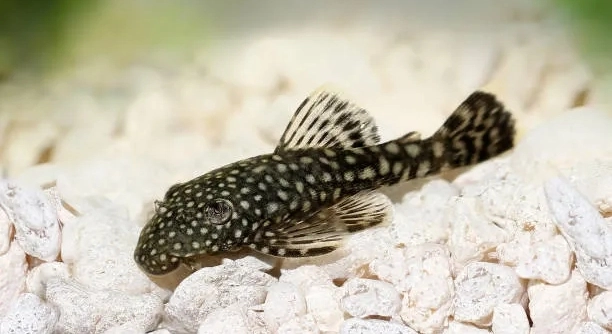
Keeping a pleco in a planted tank can benefit both the fish and the plants. Plecos are known for their helpful behavior in maintaining a clean, healthy environment. If you want a natural way to enhance your tank, a pleco might be the solution.
Plecos contribute to the overall health of a planted tank by grazing on algae and detritus, which helps maintain water quality and prevents algae overgrowth. Their presence also benefits plant health, as they help keep the substrate clean and aerated.
By understanding how plecos impact a planted tank, you’ll see how they not only improve tank maintenance but also support a thriving ecosystem. These benefits can make your aquarium healthier and more vibrant.
Plecos Help Keep Your Tank Clean
Plecos are natural cleaners in your aquarium. They love to feed on algae, which can quickly take over your tank. Without them, algae can spread, making your plants struggle for light and space. The pleco’s constant grazing keeps the tank clean, reducing the need for chemical treatments. They also eat leftover food, preventing decay and maintaining better water quality. When plecos eat algae, they help reduce the buildup of harmful substances in the tank, such as nitrates and phosphates. With their help, your tank stays cleaner for longer, making it easier to maintain.
A pleco’s behavior also benefits other tank inhabitants. They leave behind cleaner surfaces and create a better environment for plants to thrive. This allows your plants to get more nutrients from the water, which supports healthy growth.
Plecos are more than just algae-eaters. Their ability to help clean your tank makes them a key part of a healthy aquarium. They contribute to the overall ecosystem, working alongside plants to keep everything in balance. Their presence means fewer water changes and less maintenance for you.
They Prevent Overcrowding of Algae
Algae can take over your aquarium if left unchecked. Plecos keep algae from spreading too much, helping plants thrive.
They are natural algae grazers and work tirelessly to keep your tank clear. Without a pleco, algae could block light from reaching your plants, causing them to suffer. This reduces plant growth and the overall aesthetic of your tank. Plecos also keep the substrate clean, which benefits plants by allowing their roots to take in nutrients more effectively. In addition to algae, plecos eat leftover food and waste, keeping the tank free from unnecessary debris. All of this contributes to a healthier and more vibrant aquarium environment. As they go about their cleaning, plecos prevent the water from becoming too polluted, which can negatively affect all creatures in the tank.
Plecos Improve Water Quality
Plecos help improve water quality by eating algae, uneaten food, and waste. Their actions keep the water cleaner by reducing organic matter that can degrade water conditions. The more waste they remove, the less ammonia and nitrates accumulate in the tank. This makes it easier to maintain a balanced environment.
By eating detritus and leftover food, plecos prevent toxins from building up in the water. Without them, you’d likely need to perform more frequent water changes to keep harmful substances in check. Their cleaning habits help maintain a stable environment for all the creatures in your tank. The better the water quality, the healthier your plants and fish will be.
In addition, plecos help prevent issues like cloudiness or foul odors in the water. As they feed on organic debris, they reduce the chance of these problems developing. Their constant work makes maintaining the tank easier and more enjoyable. If you want a healthier tank, having a pleco can help you achieve that with minimal effort.
Plecos Aerate the Substrate
Plecos help keep the substrate well-aerated as they move around the tank. Their constant digging and burrowing ensure that the sand or gravel doesn’t become compacted.
This natural aeration allows plant roots to get more oxygen and nutrients. Without proper substrate movement, plants may struggle to grow, especially in densely planted tanks. Plecos help prevent this by ensuring the soil remains loose and easy for roots to spread. Their movements also help keep the substrate clean, which is crucial for preventing stagnant areas where harmful bacteria can thrive.
A well-aerated substrate supports the health of both plants and beneficial bacteria in the tank. As plecos stir the substrate, they create an environment where both thrive. The healthier your substrate, the more vibrant your plants will look. This simple behavior can make a big difference in the success of your planted tank.
Plecos Help Prevent Algae Blooms
Plecos keep algae growth under control, preventing algae blooms that can harm plants and disrupt the tank’s ecosystem. They graze on algae consistently, reducing the risk of rapid, unchecked algae growth. This helps keep your tank looking clean and healthy.
Without plecos, algae can multiply quickly, especially in nutrient-rich water. Overgrowth of algae blocks light from reaching your plants, limiting their growth. With plecos eating algae, they help maintain a balance, ensuring plants get the light and nutrients they need to thrive. This natural cleanup keeps your aquarium in check without extra effort.
Plecos Are Low-Maintenance
Plecos are generally easy to care for. They don’t require special diets or complicated water conditions. As long as your tank is well-maintained, plecos will do most of the work for you.
Their cleaning habits are mostly self-sufficient. They don’t need regular feeding as they graze on algae and waste. You won’t need to worry much about their care, making them ideal for those who prefer a low-maintenance tank. Plecos also adapt well to various water conditions, making them suitable for many different aquarium setups.
FAQ
How big do plecos get?
Plecos can grow quite large, with some species reaching up to 24 inches long, depending on the type. The most common species, the Bristlenose pleco, typically grows to about 4 to 6 inches. It’s important to research the specific species of pleco you have to ensure your tank can accommodate their growth. Larger plecos need more space to swim and explore. A tank size of at least 55 gallons is recommended for larger species, while smaller species can thrive in smaller tanks.
Do plecos eat plants?
Most plecos are not known to actively eat live plants. However, some species, especially the larger ones, may nibble on plants if food is scarce. It’s not their primary food source, but they might graze on soft leaves or dying plants. Bristlenose plecos, for example, are generally less likely to harm healthy plants. To ensure your plants remain safe, consider providing supplemental food like algae wafers or vegetables for your pleco to graze on. Keeping plants healthy and providing proper feeding will discourage them from nibbling.
What do plecos eat?
Plecos are primarily herbivores, feeding mainly on algae and plant matter in the wild. In an aquarium setting, they typically eat algae, algae wafers, vegetables like zucchini and cucumber, and occasionally leftover fish food. They are known for their natural algae-eating habits, which help keep your tank clean. You can also supplement their diet with protein-rich foods like shrimp or sinking pellets. It’s essential to feed them a varied diet to ensure they get all the nutrients they need to stay healthy and strong.
How often should I feed my pleco?
Plecos are bottom dwellers and are usually fine with one feeding per day, although some may do well with every other day feeding. Their diet mainly consists of algae, which they can graze on throughout the day. If there isn’t enough natural algae in your tank, you should supplement their diet with algae wafers, vegetables, or sinking pellets. It’s essential not to overfeed your pleco, as excess food can lead to poor water quality. Always remove uneaten food after a few hours to avoid water contamination.
Do plecos need a filter?
Yes, plecos do benefit from a filter in their tank. While plecos help clean the tank by eating algae and detritus, a filter plays a crucial role in maintaining water quality. It helps remove waste, excess nutrients, and harmful substances, ensuring a healthy environment for both the pleco and the plants. Plecos produce a fair amount of waste, and a filter helps manage this. Make sure the filter is appropriately sized for the tank to keep water circulating and oxygenated.
Can plecos live with other fish?
Plecos are generally peaceful and can live with most other fish, but their compatibility depends on the species of both the pleco and the other fish. Larger plecos may be territorial, particularly during feeding, and might not get along with more aggressive fish. Smaller plecos, such as Bristlenose plecos, are more adaptable and peaceful. It’s important to avoid keeping them with fish that are too small, as plecos might accidentally injure them while foraging. Always research the species and consider the size of your tank when selecting tankmates for your pleco.
What water conditions do plecos need?
Plecos are fairly adaptable but prefer stable water conditions. They thrive in temperatures between 72°F and 82°F (22°C to 28°C) and pH levels between 6.5 and 7.5. They also do best in moderately hard water. As bottom dwellers, they like having a well-oxygenated tank with gentle water movement. Regular water changes, around 20-30% per week, will help maintain water quality. Test the water regularly for ammonia, nitrites, and nitrates to ensure the environment is safe for both the pleco and other aquarium inhabitants.
How long do plecos live?
The lifespan of a pleco can vary depending on its species and the conditions of its environment. On average, plecos live for about 10 to 15 years in captivity when properly cared for. Some species, such as the common pleco, may live even longer, while smaller species may have shorter lifespans. Providing a proper diet, maintaining good water quality, and ensuring they have adequate space will all contribute to a longer and healthier life for your pleco.
Do plecos need to be quarantined?
It’s a good idea to quarantine any new pleco before introducing it to your main tank. Like other fish, plecos can carry diseases or parasites that may not show signs immediately. Quarantining for about two weeks allows you to monitor your pleco for any health issues and ensures that it’s not carrying anything harmful to your other fish. While plecos are generally hardy, it’s always better to be safe than sorry when adding new fish to your aquarium.
What is the best tank size for plecos?
The ideal tank size depends on the type of pleco you have. Smaller plecos, such as Bristlenose plecos, can thrive in tanks as small as 30 gallons. Larger species, like the common pleco, need much more space, typically requiring a tank of at least 55 gallons or larger. The general rule is the bigger the pleco, the bigger the tank. A larger tank not only provides more swimming space but also helps maintain water quality, which is essential for the health of your pleco and any other tank inhabitants.
Final Thoughts
Having a pleco in a planted tank offers many benefits that go beyond just being a decorative fish. They help maintain a clean tank by grazing on algae and consuming leftover food, which naturally improves water quality. Their cleaning habits reduce the need for frequent water changes, making tank maintenance easier and less time-consuming. With their peaceful nature and helpful role in the tank’s ecosystem, plecos can be a great addition for both beginners and experienced aquarium keepers.
Plecos are not only useful for keeping the tank clean but also for improving the health of your plants. They help keep the substrate aerated and free of debris, which supports healthy root growth. Additionally, by eating algae and detritus, they prevent the water from becoming overloaded with harmful substances like nitrates and phosphates. This results in a healthier environment for your plants to grow and thrive. A pleco’s presence in the tank contributes to a balanced ecosystem where both the plants and other tank inhabitants can flourish.
However, it’s important to remember that plecos can grow large, depending on the species. Before adding a pleco to your tank, ensure that you have enough space to accommodate their size as they mature. Not all plecos are the same, and their needs can vary. Some species are more suitable for smaller tanks, while others require larger setups. It’s essential to provide them with a proper diet, a well-maintained tank, and appropriate water conditions to ensure they live a long, healthy life. If you’re looking for a natural way to keep your planted tank in good condition, a pleco can be a great companion.

Hello,
If you enjoy the content that we create, please consider saying a "Thank You!" by leaving a tip.
Every little bit helps us continue crafting quality advice that supports the health, happiness, and well-being of pets around the world, for pets of all shapes, sizes, and species.
We really appreciate the kindness and support that you show us!