
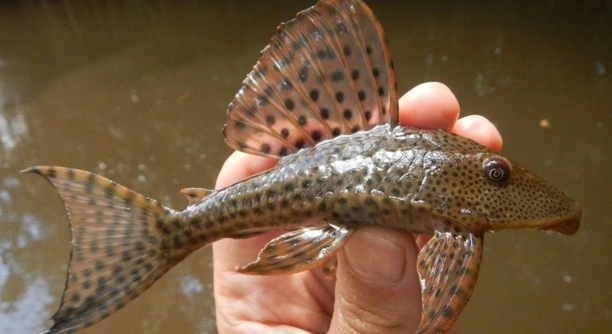
Do you have a plecostomus in your tank and wonder why it sometimes stops moving? It can be puzzling when your fish seems to stop being active for no obvious reason.
The plecostomus may stop moving due to a variety of factors including poor water quality, illness, stress, or an inadequate environment. It is essential to monitor these conditions and take action accordingly to ensure your fish’s well-being.
In the following sections, we will explore the key reasons behind your plecostomus’s sudden lack of movement and how you can address each concern.
Poor Water Quality
Water quality is one of the most important factors in keeping a plecostomus healthy. If the water is too dirty or the chemical levels are off, your fish may stop moving. Plecos are sensitive to ammonia, nitrites, and nitrates in the water. High levels of these chemicals can cause stress, making the fish inactive. It’s also essential to check the water’s pH, temperature, and hardness. If these conditions aren’t ideal, your plecostomus may simply shut down to avoid further harm.
Poor water quality can lead to more serious health issues if left unchecked. The fish might hide more often, stay at the bottom of the tank, or appear sluggish. The best way to prevent this is by maintaining a regular water change schedule. Be sure to test the water regularly using a reliable water testing kit. Ensure the filtration system is working properly and cleaning the water effectively. If necessary, treat the tank with water conditioners to correct imbalances.
One of the most immediate actions you can take is changing at least 25% of the water every week. This will help remove toxins and keep the environment fresh. You should also clean the filter to ensure it’s functioning well. Water changes can make a huge difference in how active and healthy your plecostomus is.
Stress from Tankmates
Stress from other fish can also be a major factor in why your plecostomus stops moving. If the other fish in the tank are too aggressive, the pleco might retreat to a hiding spot or become immobile. Fish that are constantly chasing or nipping can make your plecostomus feel threatened. This constant stress can lead to lethargy and reduced movement.
Sometimes, plecos are more peaceful than other species, so their slow-moving, passive nature makes them targets for faster, more aggressive fish. In these cases, it’s essential to reconsider the tank’s community. Adding peaceful tankmates, such as other plecos or calm species, can help reduce stress. Keeping your plecostomus away from fin-nippers or overly territorial fish is a good idea. Ensure there’s enough space in the tank for everyone to coexist comfortably.
Illness or Disease
When a plecostomus stops moving, it could be a sign of illness or disease. Fish are good at hiding symptoms, so you might not notice right away. Some common conditions, like parasites or internal infections, can cause lethargy. It’s important to keep an eye out for other signs, such as faded colors or abnormal behavior.
If you suspect illness, it’s best to quarantine the pleco and treat it in a separate tank. A fish vet can help diagnose and recommend appropriate treatments. Parasites and bacterial infections may require medication, while a weakened immune system could require vitamins or supplements. Always ensure that the treatment is safe for plecos and follow the instructions carefully.
Additionally, keep the tank clean and monitor the water quality regularly. Keeping your plecostomus healthy involves making sure it’s free from stress and environmental hazards. A clean, stable environment will help your fish recover from illness and prevent future health issues.
Inadequate Tank Size
Plecostomus fish can grow quite large, and when they’re in an overcrowded tank, they can become stressed and stop moving. A tank that’s too small will not only limit their space but also cause water quality issues, as waste builds up more quickly in a confined space. A larger tank is necessary to keep your pleco active and healthy.
A plecostomus needs at least a 30-gallon tank, but the more space you can provide, the better. In a cramped environment, the pleco might become lethargic due to restricted movement or poor water conditions. It’s essential to factor in the fish’s size and growth potential when setting up a tank.
Adding decorations, hiding spots, and creating a natural environment will also make the plecostomus feel more at ease. If your pleco is already in a small tank, consider upgrading to one that provides more space and better conditions for its size and needs.
Low Oxygen Levels
Plecostomus fish need oxygen-rich water to stay active. If the oxygen levels drop too low, the fish may stop moving. Low oxygen levels can be caused by poor water circulation, a lack of surface agitation, or overcrowding.
To increase oxygen, add an air pump or air stone to improve water movement. Also, ensure your filtration system is working efficiently to keep water circulating. Adding live plants to the tank can also help increase oxygen by releasing it into the water. Regularly check the oxygen levels, especially in larger tanks with high fish populations.
Incorrect Temperature
Plecostomus fish prefer a stable water temperature between 74°F and 80°F. If the water is too cold or too hot, the fish may become sluggish or stop moving altogether. Temperature fluctuations can cause stress, so keeping it consistent is essential for your pleco’s health.
Using a reliable aquarium heater can help maintain the proper temperature. Monitor the tank regularly with a thermometer to ensure the water stays within the ideal range. If the temperature is too high, oxygen levels can decrease, causing additional stress for your plecostomus.
Insufficient Food
A plecostomus may become less active if it’s not getting enough food. Plecos are omnivores and need a balanced diet that includes algae, vegetables, and sinking pellets. If they’re not getting enough nutrition, they can become weak and lethargic.
Always provide a variety of foods to meet their dietary needs. Consider offering algae wafers, blanched vegetables like zucchini, and high-quality sinking pellets. Monitor how much food is consumed and remove uneaten food to maintain water quality. A well-fed pleco is a healthier, more active pleco.
FAQ
Why is my plecostomus not moving?
There are a few reasons your plecostomus might stop moving. Poor water quality is one of the most common causes, as it can stress the fish and lead to lethargy. If the water contains high levels of ammonia, nitrites, or nitrates, it can make the pleco less active. Another reason could be illness, as plecos often hide their symptoms until they’re severe. Stress from tankmates, an inadequate tank size, or even incorrect water temperature can also contribute to inactivity. It’s important to check the water regularly and ensure your plecostomus has a clean, safe, and peaceful environment.
How do I know if my plecostomus is sick?
If your plecostomus isn’t moving and shows other signs like fading colors, clamped fins, or abnormal swimming behavior, it could be sick. You might notice it hiding more often or staying at the bottom of the tank. Additionally, if it’s not eating or its belly looks bloated, these could all be indicators of illness. Common diseases include parasites, bacterial infections, and internal issues. If you suspect sickness, isolate the fish and monitor it closely. A vet who specializes in fish can help diagnose and recommend the right treatment.
Can I fix low oxygen levels in the tank?
Yes, you can fix low oxygen levels by improving water circulation. Adding an air stone or air pump can help oxygenate the water, especially if you have a tank with heavy stocking. A good filtration system also ensures water movement and oxygen distribution throughout the tank. Also, ensuring the water surface is agitated can increase oxygen exchange, as the surface is where oxygen from the air mixes with the water. Live plants can help boost oxygen levels naturally. Make sure your pleco has a well-oxygenated environment to stay healthy.
What temperature should I keep the tank for my plecostomus?
Plecostomus fish do best in a water temperature range between 74°F and 80°F (23°C to 27°C). Maintaining a consistent temperature within this range is crucial for their health. Temperatures that are too high or too low can cause stress and make the fish inactive. A reliable aquarium heater will help keep the temperature stable, especially if you live in an area with temperature fluctuations. Regularly check the water temperature with a thermometer to ensure it stays within the optimal range for your plecostomus.
What should I feed my plecostomus?
Plecostomus fish are omnivores, so their diet should include a mix of plant matter and protein. Offer algae wafers, blanched vegetables like zucchini or spinach, and high-quality sinking pellets. You can also add occasional protein sources, such as shrimp or bloodworms, to vary their diet. Plecos enjoy grazing on algae, so consider adding live plants to your tank, as they will enjoy nibbling on them. It’s important to avoid overfeeding your pleco, as uneaten food can pollute the water. Make sure to remove any leftovers after a few hours.
How big of a tank does a plecostomus need?
A plecostomus requires a tank that’s at least 30 gallons, but larger is always better. As these fish can grow quite large, up to 24 inches in some species, they need ample space to swim and explore. A larger tank helps maintain better water quality, which is important for their health. If you have more than one pleco or other large fish, you may need an even bigger tank. Remember, overcrowding can lead to stress and poor water conditions, which will make your plecostomus less active and possibly sick.
Why is my plecostomus hiding all the time?
Hiding is common behavior for plecostomus fish, especially during the day. They are nocturnal creatures, so they tend to be more active at night. However, excessive hiding could indicate stress or illness. If your pleco is hiding more than usual, check the water quality, temperature, and tankmates to ensure there aren’t any issues. Also, make sure there are plenty of hiding spots and decorations for the fish to feel safe. If the hiding behavior continues and you notice other signs of illness, you may need to address possible health concerns.
How can I tell if my plecostomus is stressed?
Stress in plecostomus can be caused by various factors like poor water quality, aggressive tankmates, or overcrowding. A stressed pleco may exhibit signs such as rapid breathing, abnormal swimming patterns, or hiding more often than usual. It might also stop eating or show faded colors. Ensure the tank conditions are optimal by checking the water parameters, maintaining a stable temperature, and providing enough hiding spots. Reducing stress by improving the environment can help your pleco return to its active state.
Can a plecostomus live with other fish?
Yes, plecostomus fish can live with other species, but care must be taken to choose peaceful tankmates. Plecos are generally peaceful, but they can sometimes be stressed by aggressive or overly active fish. It’s best to keep them with other non-aggressive species, such as tetras, guppies, or peaceful cichlids. Avoid fish that nip fins or are territorial, as these can cause your pleco to hide or become inactive. Ensure your tank provides enough space for everyone to coexist comfortably.
How do I improve water quality in my tank?
Improving water quality involves regular water changes, maintaining a good filtration system, and monitoring the water parameters. Perform at least a 25% water change every week to keep ammonia, nitrites, and nitrates in check. Test the water regularly for pH, temperature, and hardness. Clean the filter often to ensure it’s functioning well, and use a gravel vacuum to remove debris from the bottom of the tank. Adding live plants can also help absorb excess nutrients and improve water quality naturally.
Final Thoughts
If your plecostomus stops moving, it’s important to pay attention to the possible causes. Most of the time, the problem can be linked to environmental factors like poor water quality, low oxygen levels, or an incorrect tank setup. Plecos are sensitive creatures, and even small changes in their environment can have a significant impact on their behavior. Monitoring the water quality, temperature, and tankmates is key to ensuring a healthy, active plecostomus. Regularly checking the tank conditions and performing maintenance will help prevent problems before they become serious.
When a plecostomus becomes lethargic or stops moving, it could also be a sign of illness. Fish often hide their symptoms, making it difficult to detect early signs of disease. Keeping an eye on other behaviors, such as eating habits, swimming patterns, and physical appearance, can help you spot potential issues. If you suspect your pleco is sick, isolating it in a quarantine tank and consulting a fish veterinarian can prevent the problem from spreading. A timely diagnosis and treatment plan can help your plecostomus get back to its active, healthy state.
Lastly, the size of the tank and its inhabitants matter too. Plecos can grow large, and overcrowded or improperly stocked tanks can cause stress, leading to inactivity. Providing ample space for your plecostomus to swim and hiding spots where it feels safe will go a long way in ensuring its well-being. As long as you maintain a stable, clean, and peaceful environment, your plecostomus will thrive. Remember that small adjustments to its care routine can make a big difference in keeping your fish happy and active.

Hello,
If you enjoy the content that we create, please consider saying a "Thank You!" by leaving a tip.
Every little bit helps us continue crafting quality advice that supports the health, happiness, and well-being of pets around the world, for pets of all shapes, sizes, and species.
We really appreciate the kindness and support that you show us!