
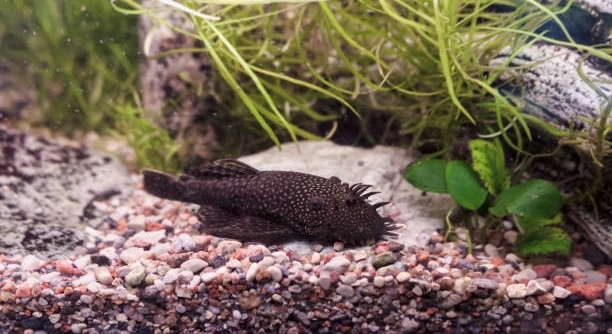
Is your plecostomus doing its job as an algae eater? Many aquarium owners believe these fish are the ultimate solution to algae buildup. However, their cleaning habits might not always meet expectations, and understanding their behavior can help clarify things.
While plecostomus fish are known to graze on algae, they might not completely clean your tank. Their algae consumption is often overestimated, and other factors like tank maintenance also play a role in keeping your aquarium clear of algae.
There are various factors that influence how much algae your plecostomus can actually eat. Learning about these can help you better manage your tank and its cleanliness.
How Plecostomus Fish Behave in Your Tank
Plecostomus fish are often touted as great natural algae cleaners, but their effectiveness depends on several factors. These fish, also known as “plecos,” do eat algae, but their diet is more varied. In the wild, they consume algae, detritus, and plant material. However, in an aquarium, they may not always target the algae the way you expect. Often, plecos focus on softer types of algae, leaving the tougher, more stubborn algae behind. Also, some plecos may prefer feeding on other food sources, such as sinking pellets or vegetables.
While plecostomus can help reduce algae, they shouldn’t be relied on as the sole method for cleaning your tank. Regular water changes and proper filtration are essential for keeping your aquarium algae-free. Ensuring that your pleco has a balanced diet and enough space is also important for its health and algae-eating habits.
Understanding how much algae your plecostomus can realistically consume is key to managing your tank’s cleanliness. You can improve the algae control process by supplementing with algae wafers or plants that naturally help limit algae growth.
The Role of Algae in Your Tank
Algae are not only food for your pleco but also a part of your aquarium’s natural ecosystem. It’s important to monitor the growth of algae and not just depend on your plecostomus to keep it in check. If you notice an algae bloom, it could be a sign of excess nutrients in the water, such as overfeeding or poor filtration. Algae thrive in these conditions, and while your plecostomus may graze on it, it won’t solve the underlying problem.
For a more effective algae control strategy, reduce the amount of nutrients in your tank by maintaining a consistent cleaning schedule, reducing light exposure, and controlling the amount of food you add. This way, algae growth can be managed without overwhelming your pleco. Regular maintenance ensures your pleco has a manageable amount of algae to feed on and doesn’t have to compete with other tank issues.
Plecostomus and Algae Types
Not all algae are the same, and plecostomus fish tend to prefer certain types over others. Soft algae, like green film algae, are often consumed by plecos. However, they may avoid harder algae like brown or black beard algae. The variety of algae present in your tank will influence how much cleaning your plecostomus actually does.
If you have a mix of algae in your tank, don’t rely solely on your pleco to manage all types. While they might keep softer algae in check, tougher algae will need additional cleaning methods, such as manual scraping or using specific treatments. Plecostomus fish are best as part of a broader algae management system.
Plecos often focus on areas with high algae growth, like decorations, rocks, or glass. However, they can’t keep the entire tank free of algae, especially in heavily planted or dimly lit tanks. Regular maintenance and checking on different areas of your tank will help ensure algae doesn’t get out of hand.
Plecostomus Feeding Habits
Plecostomus fish are opportunistic feeders, which means they eat what is available. In an aquarium, they may prefer algae, but they can also go after leftover fish food, sinking pellets, or vegetables like zucchini. If algae levels are low, they may not be as motivated to clean it.
Your pleco’s feeding habits directly impact its algae consumption. If they’re getting enough food from other sources, they might ignore the algae in favor of more accessible meals. It’s essential to ensure that they are still consuming algae in addition to their supplemental food. A balanced diet will encourage natural algae eating behavior.
If you’re noticing that your pleco isn’t cleaning as much algae as expected, it could be because they are not hungry for it. Overfeeding other fish or providing too much supplemental food can reduce your pleco’s interest in grazing on algae. Keeping track of your pleco’s food intake helps maintain its algae-eating role.
Plecostomus Tank Size and Algae Cleaning
The size of your tank plays a big role in how effectively your plecostomus can clean algae. In larger tanks, the algae spread out, and your pleco might struggle to keep up. Smaller tanks are easier for plecos to manage.
If your pleco has more space, it may not focus on algae as much because it has more areas to explore. In larger tanks, algae can grow in hard-to-reach places, which makes it difficult for your pleco to keep everything clean. A bigger tank means you’ll need to help with the cleaning.
Lighting and Algae Growth
Lighting affects how quickly algae grow in your tank. Too much light can lead to rapid algae blooms, while insufficient light may slow down growth, giving your pleco less to eat.
Long exposure to bright light encourages algae to thrive. A consistent light schedule, with about 8-10 hours of light daily, can prevent excessive algae growth. Proper lighting will keep the algae under control, allowing your pleco to maintain a healthy balance.
Other Tankmates and Algae Consumption
Tankmates can influence how much algae your pleco can clean. If there are other herbivores, your pleco may not have to do as much cleaning. However, fish that don’t eat algae can increase the competition for resources.
The more herbivorous fish in the tank, the more your pleco will have to share the job of algae cleaning. Plecos will still help, but they might not be the primary algae consumers if other fish are eating it as well. Consider balancing your tank’s fish variety for more efficient algae control.
FAQ
Can plecostomus eat all types of algae?
Plecostomus fish tend to eat softer algae types like green film algae and some forms of brown algae. However, they often ignore tougher varieties, such as black beard algae or thick, stubborn algae growths. They are better suited for controlling algae on glass or decorations but may not handle all tank areas equally. If you have persistent algae types in your tank, you may need additional methods, such as manual scrubbing or specialized algae treatments, to keep your aquarium clean.
How do I know if my plecostomus is eating enough algae?
If your plecostomus is active and consistently grazing on tank surfaces, it is likely eating sufficient algae. However, if you notice the algae levels staying the same or increasing, it might not be eating enough. Pay attention to any leftover food in the tank; if your pleco is consuming other foods, it might neglect the algae. You can try offering your pleco algae wafers or vegetables like zucchini to encourage algae eating.
Why isn’t my plecostomus cleaning my tank?
If your plecostomus isn’t doing its job, it could be because there isn’t enough algae available, or it may prefer other food sources. Overfeeding other fish in the tank can reduce your pleco’s interest in algae. Additionally, certain species of plecos have different algae-cleaning behaviors. Some prefer softer algae, while others may avoid certain areas or objects. Keep in mind that plecos are not a full solution to algae problems, and other cleaning methods might be necessary.
Does the plecostomus need a specific diet for effective algae cleaning?
Yes, the plecostomus benefits from a balanced diet to maintain its algae-eating habits. While algae is its natural food source, it might also need supplemental food like sinking pellets or fresh vegetables to stay healthy. Offering a mix of food can help keep your pleco motivated to graze on algae and maintain a balanced diet. However, if your pleco is overfed, it might ignore the algae.
How often should I clean my tank if I have a plecostomus?
Even with a plecostomus, you should still clean your tank regularly. Plecos can help reduce algae, but they won’t remove it entirely. You should perform water changes, clean decorations, and remove any visible algae buildup every 1-2 weeks. Regular maintenance will prevent algae from becoming overwhelming and help maintain a healthy environment for your pleco.
How do I care for my plecostomus if it’s not eating algae?
If your pleco is not eating algae, offer supplemental food like algae wafers, blanched vegetables, or sinking pellets. Keep an eye on its behavior to ensure it’s eating and staying healthy. If it’s not eating algae or food, check water conditions, as poor water quality can affect your pleco’s appetite. Also, consider whether other tankmates are affecting its access to food.
Does a plecostomus require special tank conditions?
Plecostomus fish prefer clean, well-filtered water with a neutral pH and stable temperatures around 74-80°F (23-27°C). They also need plenty of hiding places and a tank with ample space, as they can grow quite large depending on the species. Keeping these conditions stable will help your pleco feel comfortable and more likely to graze on algae.
Can I keep multiple plecostomus in the same tank?
You can keep multiple plecostomus in a tank, but it’s essential to have a large enough space for them. Plecos can be territorial, and if the tank is too small, they may fight over space or food. It’s best to provide enough hiding spots and make sure your tank is large enough to accommodate multiple plecos comfortably.
What other fish can help control algae besides plecostomus?
Other algae-eating fish include Siamese algae eaters, otocinclus catfish, and certain species of shrimp like Amano shrimp. Snails, like Nerite snails, are also helpful in cleaning up algae. These species can complement your plecostomus, creating a more balanced approach to algae control. Keep in mind that different species prefer different types of algae.
Is it normal for my plecostomus to be inactive?
Yes, plecostomus fish are often more active during the night. They are nocturnal feeders and tend to rest during the day. If your pleco appears inactive but is still feeding at night, it is likely behaving normally. However, if the inactivity continues for extended periods or the fish isn’t eating, it could indicate health issues, and you should check water quality or consult an expert.
How long do plecostomus live?
Plecostomus fish can live up to 10-15 years, depending on their species and how well they are cared for. A healthy pleco in a well-maintained tank will have a longer life expectancy. Proper diet, water conditions, and tank environment play a big role in their longevity. Regular maintenance and a balanced diet will help your pleco thrive over time.
Do plecostomus need a specific type of aquarium filter?
While plecostomus fish don’t require a specific type of filter, a strong, reliable filter is important for maintaining water quality in your tank. Since plecos produce a fair amount of waste, a filter with good biological and mechanical filtration is essential. Make sure the filter is appropriate for the size of your tank to keep the water clean and your pleco healthy.
Can plecostomus live with other fish?
Plecostomus fish are generally peaceful and can live with most other fish. However, they should not be kept with aggressive fish or species that may compete for food. Tankmates like tetras, guppies, or peaceful cichlids work well. Be mindful of their space needs, as they can become territorial in smaller tanks.
Final Thoughts
Plecostomus fish can be helpful in managing algae in your aquarium, but they are not a complete solution. While they do eat algae, their effectiveness depends on the types of algae present in your tank and the amount of food available to them. Plecos are more likely to graze on softer algae and may not be as effective against tougher, more stubborn algae types. It’s important to understand that while they can reduce algae growth, they won’t eliminate it completely. Regular maintenance and other algae management strategies will still be necessary to keep your tank clean.
The health of your plecostomus is also a key factor in its algae-eating behavior. If it is well-fed and kept in a properly maintained tank, your pleco will be more motivated to graze on algae. Overfeeding other fish can reduce your pleco’s interest in algae, so it’s important to provide a balanced diet without excess food. Tank conditions like water quality, temperature, and space are equally crucial. If your pleco feels stressed or uncomfortable, it may not do its job effectively. Be sure to monitor these factors to help your plecostomus thrive and maintain its natural algae-eating habits.
In the end, a plecostomus can certainly play a role in keeping your tank cleaner, but it shouldn’t be relied upon as the only method for algae control. You’ll need to maintain a clean tank environment through regular water changes, proper filtration, and manual cleaning. Depending on your tank’s size, lighting, and other fish, you may also need to introduce additional algae-eating species or use algae treatments. By understanding the limitations of your pleco and taking a proactive approach to tank care, you can keep your aquarium healthy and clear of unwanted algae.

Hello,
If you enjoy the content that we create, please consider saying a "Thank You!" by leaving a tip.
Every little bit helps us continue crafting quality advice that supports the health, happiness, and well-being of pets around the world, for pets of all shapes, sizes, and species.
We really appreciate the kindness and support that you show us!