
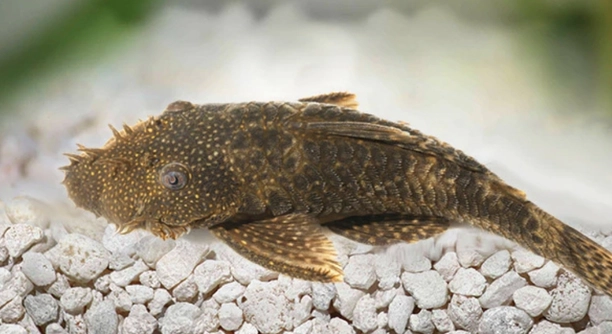
Keeping your aquarium clean is crucial for maintaining a healthy environment for your fish and other aquatic creatures. If you have a pleco inside, knowing when and how to clean your tank properly becomes even more important.
Cleaning your tank with a pleco inside should be done regularly, but with care. Avoid disrupting your pleco’s habitat too often, as they play a role in algae control. Aim for cleaning every 1-2 weeks, depending on tank size.
In the following sections, we will explore the factors that influence how often you should clean your tank and offer tips for maintaining your pleco’s environment.
Why Regular Cleaning Is Important for Your Pleco’s Health
Regular cleaning ensures your pleco remains healthy in its environment. A dirty tank can lead to harmful bacteria, algae build-up, and poor water quality. Plecos are bottom dwellers and help with algae control, but they still need a clean space to thrive. If the tank is too dirty, they may not be able to keep up with the algae growth, which can result in stress and health issues for your pleco.
A clean tank also helps reduce ammonia and nitrate levels, which can harm both your pleco and any other fish you have. These toxins can build up in the water if not cleaned regularly, leading to poor water quality. It’s essential to monitor your tank’s cleanliness for the health of your pleco.
Once a week is typically ideal for routine maintenance. However, if your pleco’s tank is smaller or has more fish, you may need to clean it more often. A good cleaning schedule helps keep the water clear and your pleco comfortable. Testing your water before and after cleaning ensures the best conditions.
What to Clean in the Tank
When cleaning, it’s essential to focus on both the substrate and the water itself. You should vacuum the substrate to remove uneaten food, waste, and debris. Removing visible algae from tank walls is also important for maintaining a healthy environment.
In addition, check the water filter regularly. A clogged filter can’t do its job efficiently, leading to dirty water. Ensure the filter is cleaned according to the manufacturer’s instructions, but avoid washing it too frequently, as beneficial bacteria live inside. Regular water changes—about 25-30% every one to two weeks—will help keep the water clean and safe for your pleco.
How to Clean Without Disturbing Your Pleco
When cleaning your tank, try not to disturb your pleco too much. They tend to stay near the bottom of the tank, so avoid startling them while you vacuum the substrate. Gently move decorations or plants if needed to access the tank floor, but keep everything as calm as possible.
Use a siphon to remove debris from the substrate. Be gentle, especially near your pleco’s resting spots. This tool allows you to clean the bottom of the tank while avoiding disturbing your fish. Also, avoid cleaning the entire tank in one go. Leave some settled areas undisturbed for your pleco’s comfort.
If your pleco is hiding, clean around those areas instead of removing everything in its environment. This will help the pleco feel safe. A little disruption won’t harm it, but sudden changes may cause stress, which you should always avoid.
The Importance of Proper Water Testing
Testing your tank’s water regularly is crucial for your pleco’s health. Water parameters like pH, ammonia, nitrites, and nitrates must be monitored to ensure the environment remains stable. Without testing, you could miss dangerous changes in water quality.
Aquarium test kits are easy to use and can help you stay on top of potential issues before they affect your pleco. Ammonia and nitrates are especially harmful, and even a slight increase can cause stress or illness. By testing the water frequently, you can address problems early, maintaining a healthy tank for your pleco.
Along with testing the water, monitor the temperature regularly. Plecos prefer stable conditions, and sudden temperature fluctuations can cause stress. Keep the temperature within the recommended range for your pleco’s species to ensure its comfort and health.
When to Clean and Change the Water
It’s important to stick to a routine for water changes. Every one to two weeks is ideal for removing excess waste and keeping the water clean. This regular cleaning schedule helps ensure a stable environment for your pleco, preventing water toxicity.
If the water seems cloudy or the filter is working harder than usual, it’s time for a water change. If your pleco is acting sluggish or hiding more often than usual, check the water parameters immediately. A water change can often help fix these issues, restoring balance to the tank.
Proper Cleaning Tools
Invest in quality cleaning tools like an aquarium vacuum and algae scraper. These tools help clean the substrate and walls without causing damage to the tank. A good filter is also essential for maintaining clear water between cleanings.
Be sure to clean your tools regularly to avoid introducing any harmful bacteria or debris into the tank. Always have backups for things like sponges or brushes to prevent overuse and contamination.
FAQ
How often should I clean my tank if I have a pleco?
For a tank with a pleco, aim to clean it every 1-2 weeks. Plecos help with algae control, but they don’t do all the work. Over time, waste and uneaten food accumulate, making regular cleaning necessary. Vacuum the substrate, clean the filter, and replace 25-30% of the water to keep things balanced.
Can I clean the tank too much?
Yes, cleaning too often can stress your pleco and other fish. When you clean, it’s important to avoid changing too much at once. Removing all the decorations or completely cleaning the substrate can disrupt the environment, making it harder for your pleco to feel secure.
What should I do if the water looks cloudy?
Cloudy water is a sign of poor water quality or an overgrowth of bacteria. If you notice this, perform a water change immediately. Check the filter and water parameters to identify the cause. It’s important to test for ammonia, nitrites, and nitrates regularly, as these can affect the water’s clarity.
Do I need to clean my filter regularly?
Yes, your filter needs to be cleaned, but not too frequently. Cleaning it once a month is typically enough unless you notice the water flow decreasing. Be careful not to remove all the beneficial bacteria when cleaning the filter, as they help maintain the balance in the tank.
How can I clean algae off the glass without stressing my pleco?
Use an algae scraper or a soft sponge to clean the glass gently. Make sure not to scratch the glass or damage any surfaces. If your pleco is hiding, wait until it’s comfortable before cleaning. Avoid over-cleaning algae, as plecos help with this naturally.
Should I change all the water during a cleaning?
No, it’s not necessary to change all the water. Changing 25-30% of the water every 1-2 weeks is sufficient. Changing too much water at once can cause drastic changes in water parameters, which could stress your pleco. Always make sure to match the water temperature and pH to avoid shock.
Can I use tap water for my aquarium?
Tap water can be used, but it should be treated with a water conditioner to remove chlorine or chloramine, which can harm your pleco. Always test the water before adding it to the tank. If possible, let the tap water sit for 24 hours before using it to allow chemicals to dissipate.
What do I do if my pleco hides during cleaning?
If your pleco hides during cleaning, let it. Plecos are naturally shy and prefer to stay in safe areas when disturbed. As long as the tank is not overly disturbed, it will come out when it feels comfortable. Avoid reaching into the tank or moving objects too much.
How do I clean the substrate without disturbing my pleco too much?
Use an aquarium vacuum to clean the substrate gently. It’s best to clean one section at a time to avoid disturbing your pleco too much. Move slowly and carefully around the tank. This way, you’ll be able to clean efficiently while keeping your pleco’s space undisturbed.
Why is my pleco acting strange after cleaning the tank?
It’s common for plecos to act strange after a cleaning due to stress. They may hide more often or swim in unusual patterns. This behavior usually goes away after a day or two once they adjust. Make sure the water parameters are ideal and that the tank is not overly disturbed.
How do I prevent algae build-up in my tank?
Regular maintenance and cleaning are key to preventing algae build-up. You can also reduce light exposure to your tank, as algae thrive under bright light. Make sure your pleco is doing its part by helping with the algae. If needed, you can introduce algae-eating snails or other fish.
Can I use chemical treatments to clean my tank?
It’s best to avoid using chemical treatments unless absolutely necessary. Some chemicals can harm your pleco and other fish. Instead, focus on regular water changes, cleaning the substrate, and maintaining a good filter. If you need to treat the tank, always choose products that are safe for plecos.
Is it okay to clean the decorations in the tank?
Yes, cleaning the decorations is important. You can gently scrub them with a soft brush or sponge to remove algae and debris. Just be cautious not to move everything around or disrupt your pleco’s hiding spots. Regular cleaning of decorations helps maintain a clean and balanced environment.
How do I know if my pleco is stressed from cleaning?
Signs of stress in a pleco include hiding more than usual, erratic swimming, or refusal to eat. If these behaviors persist for more than a couple of days after cleaning, it could indicate that the cleaning process was too disruptive. In that case, adjust your cleaning routine to be gentler on your pleco.
What should I do if my pleco isn’t eating after cleaning the tank?
If your pleco stops eating after a cleaning, it could be stressed from the disruption. Ensure the water quality is good, and that the temperature and pH are within the right range. Try feeding it at night when it’s likely to feel safer. If the issue continues, check for other underlying health problems.
Can I use a gravel vacuum in a tank with live plants?
Yes, you can use a gravel vacuum in a tank with live plants, but be extra gentle. Avoid sucking up too much substrate around the plants, as this can disturb their roots. Focus on the areas where debris accumulates but don’t overdo it, as the plants need stable conditions.
Final Thoughts
Cleaning your tank regularly is key to maintaining a healthy environment for your pleco. While plecos help with algae control, they can’t keep the entire tank clean on their own. Regular maintenance, including water changes, filter cleaning, and substrate vacuuming, is essential. Keeping the water quality high ensures that your pleco stays healthy and happy. Every tank is different, so it’s important to monitor your specific setup and adjust cleaning schedules based on the tank’s needs.
It’s also crucial to clean the tank without disrupting your pleco’s habitat too much. Plecos are shy creatures, and too much disturbance can cause them stress. Try to clean in a way that keeps your pleco’s safe areas intact, allowing it to feel comfortable in its environment. Take your time and avoid rushing through the cleaning process. Be gentle with your pleco and its tank, as a calm and stable environment is best for its well-being.
Finally, remember that the key to a healthy aquarium is consistency. Test your water regularly, and don’t hesitate to change the water if you notice any imbalances. While cleaning can seem like a lot of work, it’s a small price to pay for ensuring your pleco thrives in a clean, well-maintained environment. Stick to a manageable routine, and your pleco will reward you with good health and natural behavior.

Hello,
If you enjoy the content that we create, please consider saying a "Thank You!" by leaving a tip.
Every little bit helps us continue crafting quality advice that supports the health, happiness, and well-being of pets around the world, for pets of all shapes, sizes, and species.
We really appreciate the kindness and support that you show us!