
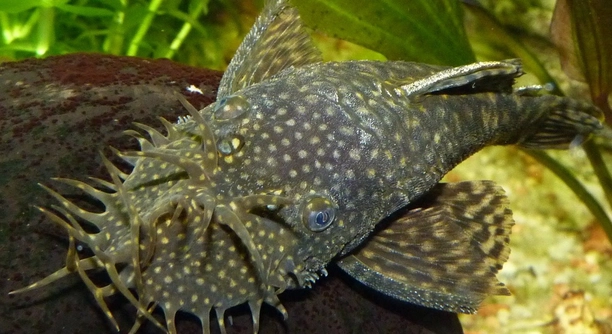
Plecos are popular fish for many aquarium owners. They are known for their bottom-feeding habits and peaceful nature. However, their size and behavior can lead to some concerns, particularly when it comes to tank decorations.
Plecos can get stuck inside tank decor, especially if they try to squeeze into tight spaces. These fish are known for their curiosity and may attempt to explore small gaps. It’s important to ensure tank decorations are safe and spacious.
Knowing how to prevent your pleco from getting stuck will help keep your fish safe. Proper tank setup can provide a more comfortable environment for your pleco. Understanding these tips will also help prevent other common aquarium issues.
Why Do Plecos Get Stuck in Tank Decor?
Plecos are curious fish and enjoy exploring their environment, which sometimes leads them to get stuck in tank decorations. Their bottom-dwelling nature often drives them to seek tight spaces, such as gaps in rocks, caves, or other decorations. While they usually fit through small openings, they might get wedged if the space is too narrow. This can cause stress for the fish and may even lead to physical harm if not addressed promptly.
To avoid this, make sure your tank decorations are large enough for your pleco to move freely. Opt for smooth, wide caves or natural structures with plenty of space. Avoid placing sharp or intricate decorations that could trap the pleco. Additionally, regularly check for any areas where your pleco may be at risk of getting stuck.
By carefully choosing and placing tank decorations, you can help ensure that your pleco has a safe and comfortable environment to thrive in without the risk of getting trapped.
What Are the Risks of a Pleco Getting Stuck?
When a pleco gets stuck in tank decor, it can cause stress, physical injury, or even death. Being trapped can result in bruises or cuts, which may become infected.
If the fish is stuck for an extended period, it may also be deprived of proper ventilation and space to swim. These conditions can negatively affect their health. Furthermore, the trapped fish may become anxious or scared, which can further impact their wellbeing. Preventing such incidents requires careful monitoring of tank decor and an awareness of the pleco’s size and behavior.
Regularly inspecting the decorations for any potential hazards is essential. Adjusting the layout of your tank to ensure there are no tight spaces where your pleco could become wedged is one simple way to minimize risks. Proper tank care helps ensure a healthy environment and long-term success for your pleco.
How to Prevent Your Pleco from Getting Stuck
The key to preventing your pleco from getting stuck is selecting the right tank decor. Look for pieces that allow your pleco to explore freely without risking entrapment. Wide caves and smooth, spacious rocks are ideal.
Avoid placing decorations with small gaps or sharp edges that could trap your fish. It’s also wise to ensure the tank has plenty of open swimming space. While plecos are naturally inclined to explore tight spaces, creating a safe layout will reduce the chances of this happening. If necessary, rearrange decorations every few months to maintain a comfortable environment.
Regular tank maintenance can also help. Inspect decorations regularly to ensure there are no areas where your pleco might get caught. Keeping the tank clean and removing any sharp or broken pieces will help prevent injury. As plecos grow, they need more space, so consider upgrading their tank setup as they get bigger.
How to Choose the Right Tank Decor
Selecting the proper tank decor for your pleco involves more than just aesthetics. Choose decorations that offer safe hiding spots without limiting movement. Smooth, rounded rocks and large caves work best, as they provide shelter but are spacious enough for the pleco to move freely.
Avoid decor with sharp edges or intricate spaces that could easily trap the pleco. Artificial plants, too, should be examined for rough edges. While they may look decorative, if they are made from materials that can snag on your pleco, they pose a risk. Natural decorations like driftwood can also offer a safe place for plecos to hide, but ensure that they are appropriately sized for your fish.
Additionally, consider the pleco’s adult size when choosing decor. If your pleco will grow large, ensure your tank setup will accommodate this growth. Opt for larger decorations that allow for ample space to swim and explore.
Signs Your Pleco Might Be Stuck
If your pleco is stuck, you’ll notice signs such as unusual behavior, like excessive scratching or staying in one spot for too long. It may also appear stressed, swimming in circles or rubbing against tank walls.
A trapped pleco might also be unable to fit into its usual hiding spots, causing it to appear anxious or disoriented. If this happens, carefully check your tank decorations for any tight spaces. Look for areas where the pleco could have gotten wedged or trapped, and make adjustments accordingly.
Make sure to monitor your pleco closely for changes in behavior to address any issues quickly.
What to Do if Your Pleco Gets Stuck
If your pleco gets stuck, it’s important to act quickly. First, gently remove the decor or adjust the tank layout to free the fish. Make sure to do this calmly to avoid stressing out the pleco further.
Once freed, inspect your pleco for any injuries, such as bruises or cuts, that could require treatment. Check for signs of stress, including rapid gill movement or unusual swimming behavior. If necessary, place the pleco in a separate quarantine tank with clean water to help it recover in a stress-free environment.
During this time, observe the pleco’s behavior to ensure that no injuries have become infected. If necessary, consult a vet who specializes in aquarium fish.
Maintaining a Safe Tank Environment
Regularly check your tank for potential hazards, like sharp objects or tight spaces. Reorganize decor if needed and ensure everything is smooth and secure. This proactive approach can help prevent future incidents.
FAQ
Can plecos get stuck in all types of tank decor?
Not all tank decor poses a risk for plecos, but some types are more dangerous than others. Plecos are known for squeezing into tight spaces, so tank decorations with small openings or sharp edges are more likely to cause problems. Smooth, wide caves and decorations with larger gaps are safer for plecos. It’s essential to choose decor that offers a safe space to hide without the risk of the fish getting wedged.
How can I tell if my pleco is stuck in the decor?
If your pleco is stuck, you may notice unusual behaviors. These can include scratching its body against tank walls, constantly swimming in circles, or attempting to fit into spaces it usually avoids. A trapped pleco may also appear anxious or disoriented, staying in one spot for an extended period. If you notice these signs, check the tank to ensure there are no tight spaces where the pleco could have become trapped.
What should I do if my pleco gets stuck?
If your pleco gets stuck, the first thing you need to do is remain calm. Gently remove the decoration or adjust the tank to free the fish. After freeing the pleco, check it for any visible injuries, such as bruises or cuts. If you notice any injuries, place the pleco in a separate quarantine tank with clean water to allow it to recover. Monitor the fish for signs of stress, such as erratic swimming or rapid gill movement. If the pleco’s condition doesn’t improve, contact a veterinarian who specializes in fish.
How can I prevent my pleco from getting stuck in the first place?
Preventing your pleco from getting stuck starts with choosing safe and appropriate tank decor. Avoid decorations with narrow gaps or sharp edges. Opt for smooth rocks, large caves, and driftwood that your pleco can explore without difficulty. Regularly inspect your tank for potential hazards and rearrange the decorations if needed. It’s also important to consider the size of your pleco. As it grows, you may need to adjust the tank setup to give it enough space to move freely.
Is it safe to use plastic plants in a pleco’s tank?
Plastic plants can be used in a pleco’s tank, but it’s important to check for sharp edges or rough spots that could injure the fish. If the plants are made of soft plastic or are well-made, they can add to the aesthetic of the tank without posing a risk. However, poorly made plastic plants can snag on the pleco’s fins or body, leading to injury. To be safe, choose high-quality, smooth plastic plants or consider using live plants, which are usually safer for fish.
Should I provide hiding spots for my pleco?
Yes, plecos do need hiding spots. They are nocturnal and enjoy having a place where they can retreat during the day to feel secure. Large, smooth caves or flat rocks can serve as hiding spots without being too tight or restrictive. Be sure the hiding spots are large enough to allow the pleco to move in and out easily. Providing multiple hiding spots can also reduce stress and help your pleco feel more comfortable in its environment.
How big should the tank be for a pleco?
Plecos can grow quite large, so they need a spacious tank to thrive. The minimum tank size for a pleco is usually 75 gallons, but this depends on the species. Some species, like the common pleco, can grow up to 18 inches or more and will require a much larger tank as they mature. A larger tank will also provide more space for your pleco to explore and reduce the risk of getting stuck in tank decor. Always consider the adult size of the pleco when setting up the tank.
Can plecos live with other fish in the same tank?
Yes, plecos can live with other fish, but it’s important to choose tank mates that are compatible. Plecos are peaceful bottom dwellers, but they may become territorial, especially if they feel crowded. Make sure there is enough space in the tank for all the fish to coexist peacefully. Avoid keeping plecos with aggressive species that might bully them. Community fish like tetras, barbs, and gouramis are typically safe tank mates for plecos.
How can I make sure my pleco is healthy after getting stuck?
Once your pleco is freed from a tight spot, it’s essential to monitor its health closely. Check for physical injuries such as bruises or cuts. If the pleco has visible injuries, treat the wounds with an aquarium-safe antiseptic and move the fish to a quarantine tank with clean water. Watch for signs of stress, such as difficulty swimming, rapid gill movement, or loss of appetite. If the pleco doesn’t recover or shows signs of infection, contact a veterinarian for further care.
How often should I check the tank for potential hazards?
It’s a good idea to check your tank at least once a week for potential hazards. Look for any broken or sharp decorations that could pose a risk to your pleco. Inspect the tank layout to ensure that there are no tight spaces where your pleco could become stuck. Regular maintenance is also important for keeping the water quality high and ensuring the tank remains a safe and comfortable environment for your fish. Taking these precautions can help prevent problems before they arise.
Final Thoughts
Plecos are fascinating fish that can thrive in a well-maintained aquarium, but it’s important to consider their environment carefully. The tank setup plays a significant role in their health and happiness. By providing the right decor and ample space, you can ensure that your pleco has a safe and comfortable place to live. Choosing decorations that don’t pose a risk of your pleco getting stuck is essential. Smooth caves and large pieces of driftwood are perfect hiding spots and can reduce the risk of injury.
Maintaining a clean tank is another key factor. Regularly check the water quality and monitor for any potential issues. Proper filtration and water changes can help keep your pleco healthy and prevent stress. It’s also important to monitor their behavior. If you notice that your pleco seems stressed, injured, or is having trouble moving, it may be time to check the tank for any hazards. Being proactive can help you address issues before they become serious problems.
Overall, ensuring that your pleco has enough space, safe decor, and a well-maintained tank is the best way to prevent it from getting stuck. A little attention to detail can go a long way in keeping your fish safe. Regularly adjusting the tank setup to match the growing needs of your pleco and monitoring its behavior can help create a peaceful environment. With the right care and attention, your pleco can thrive and continue to be an enjoyable part of your aquarium for years to come.

Hello,
If you enjoy the content that we create, please consider saying a "Thank You!" by leaving a tip.
Every little bit helps us continue crafting quality advice that supports the health, happiness, and well-being of pets around the world, for pets of all shapes, sizes, and species.
We really appreciate the kindness and support that you show us!