
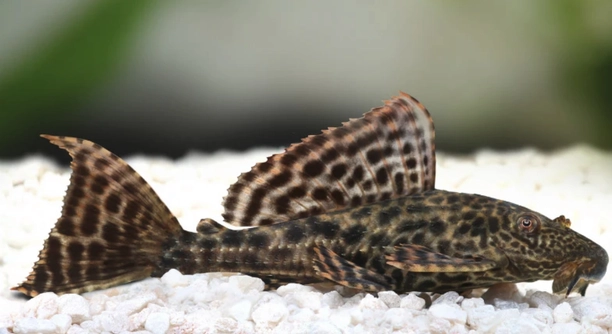
A Plecostomus is a popular aquarium fish, but not all of them are of the same quality. Poor breeding practices can lead to a variety of issues, affecting their health and behavior. Here are key things to watch for.
Poorly bred Plecostomus often exhibit signs such as irregular coloration, weak fins, and unhealthy behavior. These signs are often caused by inbreeding, poor care, or improper conditions during breeding. Identifying these early can help prevent issues.
Recognizing these signs can help you ensure your Plecostomus thrives in its environment. Keep reading to learn how to distinguish between a well-bred fish and one that may be struggling.
Signs of Poor Coloration in Plecostomus
When it comes to Plecostomus, healthy coloration is a clear indicator of good breeding. If your Plecostomus has faded or uneven color patches, it might signal poor genetic health or improper care. A well-bred Pleco typically displays vibrant colors, with clear patterns that are consistent throughout its body. This is especially true for the commonly kept species like the common Plecostomus or the Royal Pleco.
In many cases, poorly bred Plecostomus will have dull, patchy, or washed-out coloring. This can also be a result of being kept in poor water conditions or under inadequate lighting. These issues affect the overall look and health of the fish. A healthy, well-bred Pleco should not have these dull patches unless it is stressed or sick.
If you notice these color abnormalities, it’s important to check the water conditions in the tank as well. Poor water quality can stress the fish, leading to color fading. However, color irregularities caused by genetics will be noticeable even in optimal conditions.
Weak or Damaged Fins
A poorly bred Plecostomus often has weak or damaged fins that may appear frayed. This happens due to a lack of attention to proper breeding conditions. Healthy fins should be firm and well-structured.
If the fins appear torn or weak, it’s a sign that the fish may not have been properly cared for. Poorly bred fish are more prone to fin rot and other issues. Overcrowded tanks, improper water conditions, and weak genetics can all contribute to this problem.
Unhealthy Behavior Patterns
A poorly bred Plecostomus may exhibit abnormal behavior such as excessive hiding, aggression, or lethargy. These behaviors are often linked to stress or genetic defects. Healthy Plecos tend to be more active and interact with their environment in a balanced way.
Lack of proper socialization during breeding can lead to timid or overly aggressive fish. These abnormal behaviors may make it harder for your Plecostomus to thrive in a community tank. Also, a stressed Pleco may develop further health issues, such as poor appetite or weight loss. In some cases, these fish might refuse to eat entirely, leading to further decline.
When you notice strange behaviors, observe their environment closely. Stress can stem from water quality, tank mates, or even overcrowding. Identifying the root cause of poor behavior helps in providing better conditions for the fish. If behavior issues persist despite optimal conditions, poor breeding might be to blame.
Inconsistent Size and Growth Rates
A sign of poor breeding is irregular size and growth rates. If your Plecostomus seems stunted or grows disproportionately, it may be due to inbreeding or poor genetics. Ideally, they should grow steadily over time when cared for properly.
Irregular growth can also indicate that the fish didn’t get the proper nutrition during its early development stages. Poorly bred Plecos may have difficulties processing food properly, causing them to grow slower or not at all. In contrast, a healthy fish should be able to eat a balanced diet and exhibit normal growth.
Monitoring the growth of your Plecostomus is essential for its long-term health. If you notice drastic changes in its size compared to others in the same environment, it may be worth researching its origin. A balanced, steady growth pattern is a good indicator of a healthy, well-bred Pleco.
Weak Immune System
A poorly bred Plecostomus is more prone to infections and diseases due to a weak immune system. They might frequently show signs of illness such as fin rot or fungal infections. Healthy fish should naturally resist common tank diseases.
Weak immune systems in Plecos are often the result of inbreeding or poor breeding practices. This makes them more susceptible to illnesses even in relatively clean environments. Poor breeding habits can leave the fish with compromised health, which makes it harder for them to thrive in your tank.
Physical Deformities
Physical deformities such as crooked spines or bent fins are common signs of poor breeding. These deformities can affect the fish’s ability to swim and eat properly. They are often due to genetic defects passed down through improper breeding practices.
These deformities typically indicate that the breeding conditions were not up to standard, causing developmental issues. Proper breeding should result in healthy, well-formed Plecostomus with no obvious physical defects. If you notice deformities, it’s best to reconsider the source of the fish.
Inconsistent Appetite
A poor appetite in a Plecostomus can signal stress or poor health, often caused by poor breeding. Healthy fish should have a strong feeding response and eat regularly. If your Pleco is frequently disinterested in food, it’s a sign of underlying issues.
FAQ
What are the most common signs of a poorly bred Plecostomus?
The most common signs of a poorly bred Plecostomus include weak or damaged fins, poor coloration, irregular growth, and unusual behavior. These issues often stem from inbreeding or improper care during the breeding process. Fish that display fading colors, stunted growth, or lethargic behavior are likely not well-bred. Poor breeding practices may also lead to deformities like bent spines or fin rot, which can negatively affect their overall health.
How can I tell if my Plecostomus has weak immune health?
A weak immune system in a Plecostomus is typically shown by frequent illness, such as fungal or bacterial infections. If your fish suffers from repeated outbreaks of fin rot or other infections, it’s a clear sign of compromised immunity. Poorly bred fish are more likely to be susceptible to diseases due to genetic weaknesses, which can be traced back to improper breeding conditions. Always monitor the water quality and tank conditions, but if illnesses persist, weak genetics may be the root cause.
What should I do if my Plecostomus isn’t eating?
If your Plecostomus isn’t eating, it could be a sign of stress or a health issue, both of which can be linked to poor breeding. A well-bred fish should have a strong feeding response. If the fish appears uninterested in food for extended periods, check for other signs of illness such as unusual behavior, poor coloration, or lethargy. If no other issues are apparent, poor breeding or improper tank conditions may be to blame.
Can poor water quality cause issues that resemble poor breeding?
Yes, poor water quality can lead to stress, which may mimic some of the symptoms of poorly bred Plecostomus. If water parameters such as pH, temperature, or ammonia levels are off, the fish may show signs of poor health like lethargy, discoloration, or weak fins. However, if the water quality is within the recommended range and the fish continues to exhibit these issues, the problem may be related to genetics rather than the environment.
Is it possible to fix a poorly bred Plecostomus?
It is difficult to completely fix a poorly bred Plecostomus, especially if it has significant genetic defects. However, improving its environment by maintaining proper water conditions, providing a balanced diet, and minimizing stress can help the fish thrive despite its genetic weaknesses. In some cases, these efforts can reduce the severity of symptoms, but underlying issues may still persist. If the problems are severe, it might be best to consider replacing the fish with a better-bred one.
How do I ensure I’m purchasing a well-bred Plecostomus?
To ensure you’re purchasing a well-bred Plecostomus, buy from a reputable breeder or store that prioritizes healthy breeding practices. Look for fish that appear active, have vibrant colors, and show no signs of deformities or poor health. Additionally, ask about the breeding practices to ensure that the fish were raised in optimal conditions. A healthy Plecostomus should have clear fins, symmetrical features, and a consistent size compared to others of its age group.
What is the lifespan of a well-bred Plecostomus?
A well-bred Plecostomus can live up to 10 to 15 years with proper care. Good genetics, along with a suitable tank environment, diet, and consistent maintenance, are key factors in ensuring a long and healthy life. However, poorly bred fish may have shorter lifespans due to genetic defects or compromised immune systems, which can lead to more frequent illnesses and premature death.
Why do some Plecostomus have growth problems?
Growth problems in Plecostomus can occur due to poor breeding practices, such as inbreeding or insufficient nutrition during their early development. These factors can result in stunted growth, deformities, or a slower rate of development. Additionally, if the fish are raised in suboptimal conditions, such as overcrowded tanks or poor water quality, they may not reach their full potential size. Ensuring proper breeding and care can prevent these growth issues.
Can a Plecostomus recover from deformities?
Once a Plecostomus has developed deformities, especially if they are genetic, it is unlikely that they will fully recover. While proper care, including good nutrition and a stress-free environment, may help prevent further deterioration, deformities like bent spines or missing fins cannot be reversed. In such cases, it’s essential to focus on providing a comfortable and supportive living environment to ensure the fish’s quality of life.
What do I need to know about tank mates for a poorly bred Plecostomus?
When keeping a poorly bred Plecostomus, it’s crucial to choose tank mates carefully. These fish may already be stressed due to their genetic issues, so adding aggressive or overly active tank mates could worsen their condition. Opt for peaceful species that won’t outcompete the Plecostomus for food or territory. Also, keep in mind that some tank mates may be more susceptible to the diseases and infections commonly found in weakened fish.
Final Thoughts
When it comes to the health and well-being of your Plecostomus, breeding plays a significant role. A well-bred Pleco will display strong physical traits, healthy behavior, and consistent growth. On the other hand, poor breeding can lead to a variety of issues such as physical deformities, weak immune systems, and behavioral problems. While some of these issues may be managed with better care, the genetic foundation of the fish is hard to change once it is established. If you find yourself dealing with a poorly bred Pleco, it’s essential to consider how these factors could affect its long-term health.
The best approach is to always start with a healthy fish from a reputable source. Buying a well-bred Plecostomus means you are more likely to have a fish that grows properly, behaves normally, and maintains good health throughout its life. Keep in mind that while good care can improve the living conditions of a fish, it cannot fix genetic flaws. Whether you are an experienced hobbyist or new to keeping Plecos, taking the time to choose a fish with good genetics will save you potential issues down the line. It’s crucial to learn about the breeding practices of the seller and avoid purchasing from sources known for poor breeding practices.
Ultimately, ensuring that your Plecostomus remains healthy and happy depends on a combination of proper breeding, tank conditions, and care. Good water quality, a balanced diet, and compatible tank mates are all necessary for maintaining the health of any fish, including Plecos. However, no amount of care can fully overcome the challenges presented by a poorly bred fish. If you’ve already purchased a fish with issues, focus on maintaining its comfort and minimizing stress. Regularly monitor its health and behavior, and don’t hesitate to seek advice if necessary.

Hello,
If you enjoy the content that we create, please consider saying a "Thank You!" by leaving a tip.
Every little bit helps us continue crafting quality advice that supports the health, happiness, and well-being of pets around the world, for pets of all shapes, sizes, and species.
We really appreciate the kindness and support that you show us!