
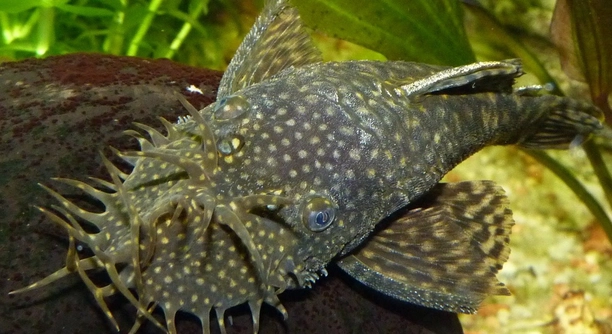
Many aquarium owners wonder if their plecos are safe with other bottom feeders. It’s important to consider the behaviors and compatibility of various species before adding them to your tank.
Plecos are generally peaceful fish but can sometimes become territorial, especially with other bottom dwellers. Species like catfish or loaches can coexist if given enough space and hiding spots, but careful monitoring is needed.
Ensuring harmony in your tank will allow your pleco and other bottom feeders to thrive. Keep reading to learn about the best tank setups and compatible species for peaceful cohabitation.
Understanding Pleco Behavior
Plecos are peaceful fish, but they do have a tendency to claim territory, especially when they feel crowded. When introducing other bottom feeders into your aquarium, it’s important to consider how much space your pleco will need. In a smaller tank, competition for hiding spots and food can become a problem. Plecos also have a natural inclination to feed on algae, which may make them more territorial over their “food sources.”
Despite this, many species can live harmoniously with plecos if proper precautions are taken. It’s crucial to select bottom feeders that aren’t aggressive or overly territorial. Fish like catfish or smaller species of loaches tend to be peaceful and can fit into a tank with a pleco without much conflict. By keeping an eye on your pleco’s interactions with other species, you can minimize stress and ensure a balanced environment.
The right tank setup plays a key role in reducing any potential conflict. Providing plenty of hiding spots, plants, and caves for your pleco and other bottom dwellers can help prevent territorial disputes. Additionally, making sure your tank is large enough will give everyone the space they need.
Choosing the Right Tankmates
Selecting appropriate tankmates is essential for keeping a peaceful aquarium. Plecos generally do well with non-aggressive fish that won’t compete for the same space or resources.
Some species of fish can handle being in the same tank as a pleco without causing issues. Corydoras catfish and smaller loaches are often recommended as they are both bottom dwellers and typically not aggressive toward other fish. However, it’s important to remember that plecos may still assert dominance over food and space. The key is to ensure that there are enough areas for all the fish to find refuge and food without interfering with each other. Keeping the aquarium properly stocked with live plants and driftwood will also provide natural hiding spots, reducing stress among your fish.
Ultimately, maintaining a peaceful environment requires monitoring the behavior of all the fish in your tank. Over time, you may need to make adjustments, such as adding more hiding spaces or introducing new tankmates carefully. This will allow your pleco and other bottom feeders to live without constant competition.
Tank Size and Setup
The size of your tank plays a significant role in ensuring plecos and other bottom feeders live peacefully together. A larger tank provides ample space, which minimizes territorial disputes.
Plecos can grow quite large, depending on the species, and need plenty of room to move around. For a tank with multiple bottom dwellers, a minimum of 50 gallons is ideal to reduce stress. Providing caves, plants, and other hiding spots allows fish to claim their own space without interfering with one another. Overcrowding the tank can lead to aggression and stress, impacting the health of all fish involved.
Regular maintenance and proper filtration also contribute to the well-being of the fish. Clean water and an effective filtration system reduce waste buildup and improve the overall environment. In tanks where multiple bottom feeders coexist, water quality is vital in preventing disease and ensuring long-term health.
Feeding Habits
Feeding time can cause tension among bottom feeders, especially if food isn’t distributed evenly. Plecos, which naturally feed on algae, might compete with other species for food.
It’s essential to provide a balanced diet that caters to the needs of all bottom feeders. Offering sinking pellets, algae wafers, and occasional protein-rich foods like bloodworms can help maintain peace. Some species of bottom dwellers, such as loaches or catfish, are opportunistic feeders, so ensuring that each fish has enough food can prevent competition. When feeding plecos and other bottom feeders, try to scatter food around the tank to give each fish a chance to eat without aggression.
You can also consider feeding your pleco at night, as they tend to be nocturnal. This gives them time to graze on leftover food or algae without interfering with other fish. Ensuring that everyone gets their fair share of food promotes harmony and reduces stress-related behavior.
Monitoring Tankmates
It’s important to keep an eye on your pleco and other bottom feeders, especially when you first introduce them. Watch for signs of aggression, such as chasing or fin nipping.
If you notice any issues, it’s crucial to act fast. Sometimes, rearranging the tank or adding extra hiding spots can help. Regular monitoring ensures any problems are addressed before they escalate.
Consistent observation helps maintain a peaceful environment for all the fish. It’s essential to act quickly if you see territorial disputes or stress-related behavior, as it can affect the health of your fish.
Compatibility of Other Species
When considering other species, be sure to research their temperament before introducing them. Some fish, like angelfish or cichlids, are known to be more aggressive and may not be compatible with plecos.
Look for species that are peaceful and share similar water conditions. Bottom feeders like corydoras or small loaches typically work well. They won’t compete aggressively with plecos and are easygoing. Adding compatible tankmates not only minimizes conflict but also ensures your tank remains peaceful and healthy.
Tank Maintenance
Regular tank maintenance is essential when keeping plecos and other bottom feeders. Cleaning the tank, checking water parameters, and ensuring the filter is working properly should be a priority.
Maintaining proper water quality helps reduce stress for all species. A clean, well-maintained tank prevents disease and ensures that all fish stay healthy. Regular water changes and monitoring for waste buildup keep the environment stable.
FAQ
Can plecos live with other bottom feeders?
Yes, plecos can live with other bottom feeders, but it depends on the species. Non-aggressive species like corydoras and smaller loaches usually do well with plecos. However, it’s important to monitor them closely, as plecos can become territorial, especially when food or hiding spots are scarce.
Are plecos aggressive toward other bottom feeders?
Plecos are generally peaceful, but they can become territorial, especially if the tank is small or overcrowded. Larger plecos, in particular, may show aggression when competing for space or food. Providing plenty of hiding spots and ensuring the tank is large enough can help reduce aggression.
What species can live with plecos?
Species that are non-aggressive and have similar water requirements can typically live with plecos. Good tankmates include corydoras catfish, small loaches, and peaceful fish like tetras or rasboras. It’s best to avoid aggressive species like cichlids or larger fish that might outcompete plecos for resources.
Do plecos need to be the only bottom feeders in the tank?
No, plecos do not need to be the only bottom feeders in the tank. With proper space and hiding spots, plecos can coexist with other bottom feeders. However, keep in mind that they may compete for food or shelter, so ensure there are enough resources for everyone.
How do you ensure plecos get enough food with other bottom feeders?
To ensure plecos and other bottom feeders get enough food, provide a variety of options like sinking pellets, algae wafers, and occasional protein-rich foods. You can scatter food around the tank to allow each fish to feed without fighting over it. Also, consider feeding plecos at night, as they are nocturnal feeders.
How big of a tank do I need for plecos and other bottom feeders?
A minimum of 50 gallons is recommended for a tank with multiple bottom feeders. Plecos, depending on the species, can grow quite large and need space to move around. A larger tank reduces competition for food and provides enough room for all species to coexist peacefully.
Can plecos and shrimp live together?
Yes, plecos and shrimp can live together in the same tank, provided the pleco is not too large or aggressive. Smaller plecos, like bristlenose plecos, are less likely to harm shrimp. However, larger plecos may accidentally crush shrimp while moving around, so caution is needed.
How do you prevent plecos from becoming territorial?
To prevent plecos from becoming territorial, ensure the tank is large enough and provides plenty of hiding spots, plants, and caves. Having multiple shelters allows plecos and other fish to claim their own space without competing. Keep an eye on the fish to see if there are signs of aggression or stress.
Do plecos eat other fish?
No, plecos are not predatory and do not typically eat other fish. They are primarily herbivores, feeding on algae and plant matter. However, they may occasionally eat small invertebrates, such as shrimp, but this depends on the species of pleco. Larger plecos may eat other tankmates if food is scarce.
Can plecos live with goldfish?
Plecos can live with goldfish, but it’s important to choose the right species. Goldfish are cold-water fish, and most plecos prefer warmer temperatures. If you have a tropical pleco, it might not thrive in a goldfish tank unless you can maintain consistent water temperatures for both species.
What is the best pleco for a community tank?
The best plecos for a community tank are those that stay relatively small and are less territorial, such as bristlenose plecos or rubber lip plecos. These species are peaceful, easy to care for, and won’t take up too much space in a tank with other fish.
How do I know if my pleco is stressed?
Signs of stress in a pleco include hiding more than usual, changes in appetite, unusual swimming patterns, or faded coloration. Stress can be caused by poor water quality, overcrowding, or incompatible tankmates. Ensuring proper water parameters and tank conditions can help reduce stress.
What should I feed my pleco besides algae?
Besides algae, plecos can be fed a variety of foods, including sinking pellets, wafers, cucumber, zucchini, and leafy greens like spinach. Occasional protein sources like bloodworms or brine shrimp are also beneficial for their diet. A varied diet helps ensure they receive all necessary nutrients.
Can plecos and snails live together?
Yes, plecos and snails can live together in the same tank. Plecos won’t typically eat snails, and snails can help clean the tank by eating leftover food and algae. However, some species of snails can reproduce quickly, so it’s important to keep an eye on their population to prevent overpopulation.
Should I add plecos last to the tank?
It’s not necessary to add plecos last, but doing so can sometimes reduce stress. Plecos can become territorial, and introducing them after other fish have established territories may help avoid aggression. Regardless of when you introduce them, ensure the tank is large enough and has plenty of hiding spots for all the fish.
Final Thoughts
When it comes to keeping plecos with other bottom feeders, the key is to choose compatible species. Plecos are generally peaceful, but they can become territorial, especially in smaller tanks. It’s important to create a balanced environment where all the fish have enough space and hiding spots. By ensuring the tank is large enough and well-maintained, you can reduce the chances of stress or aggression among your fish.
Adding other bottom feeders, like corydoras or small loaches, can help create a lively and diverse tank. These species tend to get along well with plecos, as they are peaceful and occupy different areas of the tank. However, it’s important to always observe the interactions between your fish. Even the most peaceful species can show signs of stress if the tank is overcrowded or if there is not enough food. Regular monitoring is essential to keep the peace in your aquarium.
In the end, the well-being of your plecos and other bottom feeders depends on a few simple factors: tank size, compatible species, and water quality. Providing a stable and stress-free environment will help your fish thrive. Always be mindful of their behavior and needs, and don’t hesitate to make adjustments if necessary. With the right care, your plecos and other bottom feeders can coexist peacefully, creating a beautiful and healthy aquarium for all to enjoy.

Hello,
If you enjoy the content that we create, please consider saying a "Thank You!" by leaving a tip.
Every little bit helps us continue crafting quality advice that supports the health, happiness, and well-being of pets around the world, for pets of all shapes, sizes, and species.
We really appreciate the kindness and support that you show us!