
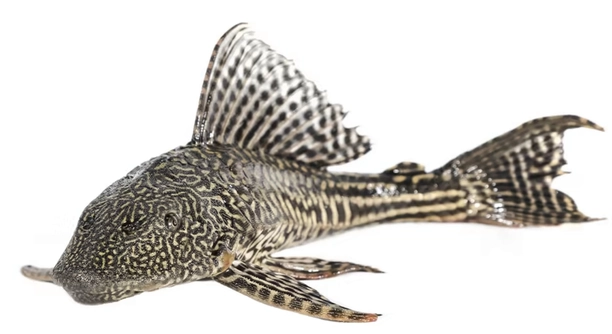
Before adding a pleco to your aquarium, it’s essential to understand some key factors. Plecos are popular fish, but their care requirements may be more than you expect. Knowing these points can help create a healthy tank environment.
Plecos are large, active fish that require specific care, including ample space and proper tank conditions. They also need a well-balanced diet and may produce significant waste, which can affect the water quality. Proper filtration and tank mates are essential for their well-being.
By learning more about these factors, you’ll be better prepared to provide the best care for your pleco. Proper research ensures both the fish and the tank environment thrive.
Understanding the Size and Space Requirements of Plecos
Plecos can grow much larger than most people expect. While they start small, many species can reach lengths of up to 24 inches or more. This means they require plenty of space to move around. If your tank is too small, the pleco may become stressed, affecting its health. A good rule of thumb is to have at least 50 gallons of water for a single pleco, though larger tanks are even better. The larger the tank, the easier it is to maintain water quality, which is crucial for the pleco’s well-being.
When considering tank size, also keep in mind the pleco’s behavior. These fish are known for being active and need ample room to roam and hide. Without enough space, they might damage plants or decorations in the tank or even harm other fish. This makes selecting the right size tank vital for both the pleco’s health and the overall stability of your aquarium.
If you’re planning to add a pleco, ensure your aquarium can accommodate its size. A larger tank will benefit both the pleco and any other fish you keep.
The Importance of Proper Filtration
Plecos are large fish that produce a significant amount of waste, making filtration essential. Proper filtration ensures that waste does not build up in the water, which can quickly degrade water quality and harm the fish.
Water quality is crucial for plecos, as they are sensitive to fluctuations in their environment. Inadequate filtration can lead to poor oxygen levels, high levels of ammonia or nitrites, and cloudiness in the water. All of these can lead to health problems or even death. A good filtration system helps prevent these issues, ensuring that the pleco remains healthy and that the tank stays clean. It also helps maintain stable water conditions, which plecos need to thrive.
Choose a filtration system based on the size of your tank and the number of fish you have. A strong filter is recommended to keep water clean and clear. You may need to clean or replace filter media regularly to ensure it works efficiently.
Plecos’ Feeding Habits and Diet
Plecos are primarily herbivores but also eat small amounts of protein in the wild. In an aquarium, they will enjoy algae, vegetables like zucchini, and algae wafers. They may also consume leftover fish food, but a balanced diet is essential for their growth and health.
While plecos are helpful in cleaning algae, they can’t solely rely on algae to stay healthy. Offering a variety of vegetables and occasional protein-rich food helps meet their nutritional needs. Overfeeding can lead to health problems, so it’s important to monitor their food intake and remove uneaten food promptly to avoid water quality issues.
Plecos enjoy vegetables like cucumber, lettuce, and spinach, but some might also nibble on wood or driftwood. Providing these options will help keep them well-fed and prevent them from becoming overly reliant on algae or fish flakes.
Choosing the Right Tank Mates
Plecos are generally peaceful and do well with most fish. However, choosing compatible tank mates is essential to reduce stress. Avoid overly aggressive species or small fish that could be intimidated by the pleco’s size.
It’s best to keep plecos with fish that are calm and won’t compete aggressively for food or territory. Larger, non-aggressive species like tetras, angelfish, or other peaceful community fish work well. It’s important to monitor interactions and ensure no fish are being bullied or excluded from food. Additionally, plecos may have issues with other bottom dwellers due to territorial behavior.
Ensure your pleco has space to establish its own area in the tank to reduce stress and conflict. Providing hiding spots like caves or plants can also help create a more peaceful environment for all fish.
Plecos and Water Conditions
Plecos are sensitive to water conditions, requiring stable temperatures and clean water to thrive. The ideal temperature for most plecos is between 72°F and 82°F. Make sure to regularly monitor and maintain proper water parameters to avoid stress or illness.
They are also sensitive to fluctuations in water hardness and pH. It’s best to keep the pH between 6.5 and 7.5, with moderate hardness. Regular water changes are essential for keeping the tank clean and maintaining these parameters. Always test your water regularly to ensure your pleco’s environment remains stable and healthy.
Cleaning the Tank and Substrate
Plecos can help keep the tank clean by eating algae, but they don’t clean everything. You’ll still need to clean the substrate and remove debris regularly. Vacuuming the substrate ensures waste doesn’t build up, which can affect water quality.
In addition to cleaning the substrate, it’s also important to scrub decorations and the tank walls. Plecos help with algae, but they might not reach every surface. Using a safe aquarium cleaner will help maintain a spotless tank. Keeping the tank environment clean is key for the health of your pleco and other fish.
Plecos’ Lifespan
Plecos can live for quite a long time, with some species reaching up to 15 years or more in captivity. However, their lifespan depends on the care they receive. Proper diet, water conditions, and tank size all contribute to how long your pleco will live.
FAQ
How big do plecos get?
Plecos can grow quite large, with some species reaching over 24 inches in length. The size of your pleco will depend on the species, but generally, they need at least a 50-gallon tank to accommodate their full growth. Make sure to plan for their long-term size and provide ample space for them to thrive.
Do plecos need a heater?
Yes, plecos require a heater to maintain a stable water temperature, typically between 72°F and 82°F. Since they are tropical fish, consistent warmth is crucial for their health. Make sure the heater is reliable, and use a thermometer to monitor the water temperature regularly.
How often should I feed my pleco?
Plecos should be fed once or twice a day, but their diet should be varied. Offer them vegetables like zucchini or spinach, along with algae wafers. Be careful not to overfeed, as excess food can pollute the water. Remove any uneaten food after a few hours to prevent water quality issues.
Can plecos live with other fish?
Plecos can live with many types of fish, especially peaceful species. However, avoid housing them with aggressive fish or small species that may become stressed. Plecos tend to be territorial, so it’s important to provide plenty of space and hiding spots to reduce any potential conflicts.
Do plecos eat algae?
Yes, plecos are well-known for their algae-eating habits. They can help control algae growth in the tank, but they shouldn’t be solely relied upon to clean the tank. A proper diet that includes vegetables and occasional protein is necessary for their well-being.
Do plecos need driftwood?
Driftwood is not an absolute requirement, but many plecos enjoy nibbling on it. Driftwood provides both a food source and a hiding place for plecos, making them feel more secure. If you choose to add driftwood, make sure it is aquarium-safe and properly cleaned before placing it in the tank.
How long do plecos live?
Plecos can live up to 15 years or longer in captivity if given proper care. The lifespan of a pleco depends on factors such as tank size, water conditions, diet, and overall care. Maintaining a clean environment and providing a balanced diet will contribute to a long and healthy life.
Do plecos need to be alone in the tank?
While plecos are generally peaceful, they are territorial, especially when they are large. It’s often best to keep them alone or with other peaceful species. Make sure there is enough space and hiding spots in the tank to avoid conflicts. If adding more plecos, make sure they are of different sizes or species to reduce aggression.
Are plecos nocturnal?
Yes, plecos are primarily nocturnal. They are most active at night, feeding and exploring the tank when the lights are off. During the day, they tend to stay hidden in caves or behind decorations, coming out more frequently in low-light conditions.
Can plecos live in cold water tanks?
Plecos are tropical fish and need warm water to survive. They are not suited for cold-water tanks, as temperatures below 70°F can stress them. If you’re keeping cold-water fish, you’ll need to provide a separate, heated tank for your pleco to ensure its survival.
What kind of filtration do plecos need?
Plecos need strong filtration due to the large amount of waste they produce. A high-quality filter that can handle the size of the tank and the bioload from the pleco is essential. It’s important to regularly clean the filter and replace the filter media to maintain good water quality.
Can plecos live in brackish water?
Plecos generally do best in freshwater tanks. While some species may tolerate slight salinity, it’s not ideal for most plecos. If you’re interested in keeping a pleco in brackish water, ensure that you research the specific species to confirm that they can thrive in such conditions.
Do plecos breed in captivity?
Breeding plecos in captivity is possible but can be challenging. They typically require specific water conditions, such as slightly warmer temperatures and a higher pH. Some species may need caves or similar hiding spots to encourage breeding. If you plan to breed plecos, you’ll need to research the species-specific requirements.
What is the best substrate for plecos?
Plecos prefer soft, smooth substrates such as fine gravel or sand. These substrates are gentle on their barbels (whiskers) and allow them to sift through the sand for food. Avoid sharp gravel, as it can cause injury to the pleco. Keeping the substrate clean also ensures better water quality.
Can plecos eat other fish food?
While plecos prefer algae and plant-based foods, they will often eat leftover fish food, such as flakes or pellets. However, it’s important to provide them with food that meets their nutritional needs, including vegetables and algae wafers, to ensure they stay healthy.
Why is my pleco hiding all the time?
Hiding is typical behavior for plecos, especially during the day when they are less active. However, if your pleco is hiding excessively or not eating, it could be stressed, unwell, or uncomfortable with the tank conditions. Ensure your pleco has plenty of hiding spots, and check the water parameters regularly.
How can I tell if my pleco is healthy?
A healthy pleco will have vibrant colors, clear eyes, and an active, curious behavior. It should be eating well and swimming around the tank, although it will often stay hidden during the day. Pay attention to any signs of illness, such as faded color, lethargy, or abnormal swimming patterns.
Final Thoughts
Adding a pleco to your aquarium can be a great choice for both beginners and experienced fish keepers. These fish are not only interesting to watch but also provide practical benefits by helping to control algae growth. However, they require specific care and attention to thrive. Before introducing a pleco to your tank, it’s important to understand their needs, including water conditions, tank size, and diet. Without proper care, plecos can face health issues, and their potential benefits may not be fully realized.
One of the most crucial aspects of caring for a pleco is ensuring the tank is large enough to accommodate their growth. Many plecos, especially the larger species, need at least 50 gallons of water. They also need a stable environment with clean water and consistent temperature. Regular water changes, appropriate filtration, and a varied diet are essential to keep your pleco healthy. Algae wafers, fresh vegetables, and occasional protein-rich foods will help them stay strong. It’s also important to provide hiding spots and plenty of space to reduce stress and territorial behavior.
Lastly, while plecos are known for their algae-eating abilities, they should not be relied upon as the sole cleaning method for your tank. Regular tank maintenance, including cleaning the substrate and decorations, will ensure a healthy and visually appealing environment for all your fish. Be mindful of the fact that plecos can live for many years, so they will be a long-term commitment. By understanding their requirements and taking proper care, you can enjoy the company of a thriving pleco in your aquarium for a long time.

Hello,
If you enjoy the content that we create, please consider saying a "Thank You!" by leaving a tip.
Every little bit helps us continue crafting quality advice that supports the health, happiness, and well-being of pets around the world, for pets of all shapes, sizes, and species.
We really appreciate the kindness and support that you show us!