
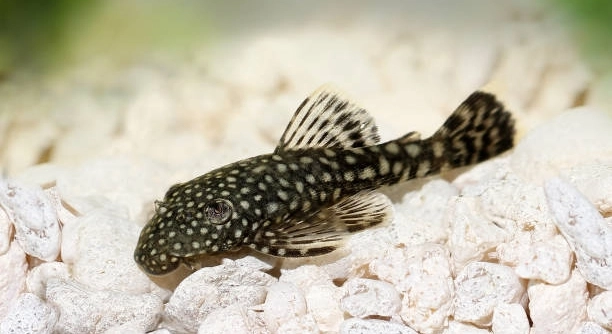
Keeping your aquarium water clear can be a challenge, especially when it comes to Plecostomus fish. These bottom-dwelling creatures are known for their algae-eating habits, but maintaining a pristine tank requires more than just adding them to the tank.
The key to keeping your Plecostomus water crystal clear lies in consistent tank maintenance, proper filtration, and routine water changes. A high-quality filter, combined with adequate aeration and regular cleaning, ensures the tank environment stays healthy for both the fish and the water.
By following these straightforward tips, you can improve water clarity and create a healthier environment for your Plecostomus. Let’s look at the best practices for achieving this goal.
Proper Filtration is Essential
A good filtration system is crucial for keeping the water in your Plecostomus tank clear. These fish can produce a lot of waste, and if the filter isn’t strong enough, the tank can quickly become cloudy. When selecting a filter, look for one that suits the size of your tank and can handle the waste load. A high-quality canister filter works well for larger tanks, while a hang-on-back filter may be suitable for smaller setups. The filter should be regularly cleaned to maintain its efficiency. If you notice your filter is no longer pulling debris out of the water as it should, it’s time to replace the media inside.
Regular maintenance of your filter ensures that the water stays clean and free of excess nutrients that can lead to algae growth. It also helps reduce harmful toxins like ammonia and nitrites, which can damage the health of your Plecostomus and other fish. Clean filters contribute to clearer water and healthier fish in the long run.
Investing in a proper filtration system is one of the most effective steps you can take toward maintaining crystal-clear water. Make sure it’s the right size and perform regular checks to avoid any surprises down the road.
Water Changes are Key
Water changes play a big role in maintaining clear water. It’s recommended to change 25 to 30 percent of the water every week or two. By removing the old water, you reduce the buildup of waste and excess nutrients. Fresh water helps maintain proper oxygen levels, which is vital for your Plecostomus’ health. It also helps prevent algae from taking over the tank.
In addition to the regular water changes, you can use a water conditioner to help remove chlorine or chloramine from tap water. This will ensure that the new water you’re adding is safe for your Plecostomus and won’t disrupt the delicate balance of the tank. Keeping up with water changes is a simple yet effective way to keep the water clean and clear.
Proper Tank Maintenance
Keeping your Plecostomus’ environment clean requires consistent tank maintenance. Regularly remove uneaten food and debris from the bottom. This helps avoid water pollution, which leads to cloudy water. Use a gravel vacuum during water changes to clean the substrate effectively.
Tank decorations, like rocks or wood, can collect organic matter and contribute to water cloudiness. Cleaning them with a soft brush will prevent buildup. Make sure to wipe down the tank glass as well, removing any algae or film. This routine upkeep helps maintain a clearer tank and improves overall water quality.
Don’t overlook the small details. Cleaning your tank’s surface, decorations, and substrate will keep the water fresher for longer. This simple task should be done regularly to prevent the development of algae or waste accumulation. Regular maintenance supports a cleaner, healthier tank environment for your Plecostomus.
Balance the Feeding Schedule
Overfeeding can quickly lead to cloudy water, as excess food breaks down and contaminates the water. It’s important to feed your Plecostomus only what they can consume in a few minutes. A good rule of thumb is to feed once a day and remove any uneaten food.
You may notice that Plecostomus are often seen munching on algae or leftover food, but that doesn’t mean you can skip the feeding altogether. However, it’s important to give them the right amount at each feeding session. Too much food leads to waste that pollutes the tank. Pay attention to how much is left over and adjust accordingly.
Feeding in moderation is key to keeping the water clear. By providing just the right amount of food, you reduce the chance of water contamination. This balanced approach to feeding helps maintain the water quality, preventing unnecessary waste buildup and excess nutrients that promote algae growth.
Use a UV Sterilizer
A UV sterilizer is an effective tool for clearing up water and preventing algae blooms. It uses ultraviolet light to kill algae, bacteria, and other harmful organisms. Installing one in your filtration system can help maintain clear water.
While not strictly necessary, a UV sterilizer can be a great addition to your tank, especially if you’re dealing with frequent algae outbreaks. It works by passing the water through a UV light chamber where harmful microorganisms are neutralized. The result is clearer water without the use of harsh chemicals.
UV sterilizers work continuously, so once installed, they require minimal maintenance. Just clean the bulb regularly and replace it as needed to ensure the system continues to function properly.
Avoid Overcrowding
Overcrowding your tank can lead to poor water quality. When too many fish are in one space, waste builds up faster, overwhelming the filtration system. This can cause the water to become cloudy and oxygen levels to drop.
To prevent overcrowding, always monitor the number of fish in your tank. Each species has a recommended tank size and stocking limit. Make sure your Plecostomus has enough room to move freely without being stressed. Stress can weaken their immune system, making them more susceptible to diseases.
FAQ
How often should I clean the tank for clear water?
Cleaning your tank regularly is essential for maintaining clear water. A general guideline is to perform a partial water change every week or two, removing about 25-30% of the water each time. During these water changes, clean the filter, gravel, and decorations as needed. You should also wipe down the glass and remove any visible algae. Keeping up with these tasks prevents waste and debris from building up and causing cloudy water. The more consistent you are, the clearer your water will stay.
What can I do if my Plecostomus water is still cloudy despite cleaning?
If your water remains cloudy after cleaning, it could be due to a number of factors. First, ensure your filtration system is running efficiently and is appropriate for the size of your tank. If it’s not working well enough, it might not be removing all the debris. Additionally, check your feeding habits. Overfeeding can contribute to excess waste in the tank, leading to cloudy water. Finally, consider using a UV sterilizer or adding live plants that help absorb excess nutrients, which may be fueling the cloudiness.
Can algae affect the clarity of my water?
Yes, algae can greatly impact the clarity of your water. When algae overgrow, it can cloud the water, making it look green or murky. Algae thrive in tanks with excess nutrients, like high levels of light and organic matter from overfeeding. To prevent algae buildup, maintain a consistent cleaning routine, manage the lighting in your tank, and ensure your Plecostomus is eating the algae effectively. In cases of heavy algae outbreaks, using a UV sterilizer or chemical treatments can help clear the water.
Do I need to remove my Plecostomus during water changes?
It’s generally not necessary to remove your Plecostomus during water changes, as long as you’re careful not to disrupt them too much. The water change process should be done gradually, and avoid stirring up too much debris from the bottom. If you’re cleaning the tank substrate or doing a heavy cleaning, it might be best to temporarily relocate your Plecostomus to a separate holding tank to avoid stressing it out. However, for standard water changes, they can usually stay in the tank.
Is it normal for Plecostomus to produce a lot of waste?
Yes, it is normal for Plecostomus to produce a considerable amount of waste. These fish are bottom feeders, and their diet often includes algae, leftover food, and detritus. This waste can build up quickly, affecting the water quality and clarity. To manage the waste, make sure your filtration system is up to the task, perform regular water changes, and clean the substrate frequently. Additionally, feeding your Plecostomus the right amount of food and removing uneaten food can reduce the overall waste in the tank.
What type of filter is best for keeping water clear?
A canister filter is typically the best option for maintaining clear water, especially in larger tanks. It provides strong filtration that can handle higher waste loads, ensuring that the water stays clean. If you have a smaller tank, a hang-on-back filter may be sufficient. The key is choosing a filter with a capacity that matches your tank’s size and the waste your Plecostomus produces. Regularly clean or replace the filter media to ensure it’s functioning optimally.
Can overfeeding lead to cloudy water?
Yes, overfeeding is a common cause of cloudy water. When you feed your Plecostomus more than they can consume in a short period, the uneaten food breaks down, contributing to excess waste and increasing nutrient levels in the tank. These nutrients fuel algae growth, which can cloud the water. To avoid overfeeding, offer your Plecostomus only as much food as it can eat in a few minutes. Remove any uneaten food to prevent it from polluting the tank.
How does the tank’s lighting affect water clarity?
Lighting plays a significant role in the clarity of your tank water. Excessive light can promote the growth of algae, leading to cloudy or green water. To minimize algae growth, consider reducing the amount of time your lights are on each day, ideally to around 8 to 10 hours. Additionally, avoid placing the tank in direct sunlight, as it can also encourage algae blooms. By controlling lighting and using low-light plants, you can maintain clearer water.
Can a UV sterilizer help with cloudy water caused by bacteria?
Yes, a UV sterilizer can help clear cloudy water caused by bacterial blooms. The UV light kills harmful bacteria and other microorganisms that may be present in the water. By incorporating a UV sterilizer into your filtration system, you can significantly reduce the risk of cloudy water due to bacteria. However, it’s important to note that UV sterilizers won’t address the root cause of bacterial issues. Proper tank maintenance, including water changes and avoiding overfeeding, is also essential to prevent these issues from recurring.
Are live plants helpful for keeping water clear?
Yes, live plants can be very beneficial for keeping water clear. Plants absorb excess nutrients like nitrates and phosphates from the water, which are the main contributors to algae growth. By reducing the availability of these nutrients, plants naturally help prevent algae blooms. They also provide a natural filtration system, further improving water quality. Choosing the right plants and ensuring they’re healthy can go a long way in maintaining clear water in your tank.
How do I prevent algae blooms in my tank?
Preventing algae blooms requires a combination of proper tank maintenance and environmental control. Start by managing light exposure, limiting it to 8-10 hours per day, and reducing the intensity of lighting. Ensure your tank is not overcrowded and avoid overfeeding. Regular water changes and maintaining a strong filtration system will help remove excess nutrients before they contribute to algae growth. Using a UV sterilizer can also help control algae outbreaks. Lastly, consider adding live plants, which help absorb nutrients and reduce algae competition.
Final Thoughts
Maintaining clear water in a tank with a Plecostomus can be a manageable task with the right practices. Regular water changes, proper filtration, and monitoring feeding habits are essential to keep the water from becoming cloudy. The Plecostomus, being a bottom feeder, produces a fair amount of waste, which can lead to water quality issues if not properly managed. By staying on top of tank maintenance and ensuring your Plecostomus has enough space to move around, you can prevent common water clarity problems.
A UV sterilizer can be a helpful tool in preventing algae blooms and bacteria growth. These devices use ultraviolet light to neutralize harmful microorganisms that could otherwise cause cloudy water. While they are not a substitute for regular cleaning, they offer an extra layer of protection and can keep your tank’s water crystal clear. It’s important to understand, however, that a UV sterilizer does not solve the root causes of poor water quality, such as overfeeding or inadequate filtration. It should be used in conjunction with other maintenance efforts.
Finally, consider the role of live plants in keeping your water clean. Plants absorb excess nutrients like nitrates, which are responsible for algae growth. By adding plants to your tank, you create a more natural environment that can help balance water quality. Combined with proper filtration and regular cleaning, plants can significantly reduce the need for frequent water changes. As with all aspects of tank care, consistency is key to keeping your Plecostomus happy and your water clear.

Hello,
If you enjoy the content that we create, please consider saying a "Thank You!" by leaving a tip.
Every little bit helps us continue crafting quality advice that supports the health, happiness, and well-being of pets around the world, for pets of all shapes, sizes, and species.
We really appreciate the kindness and support that you show us!