
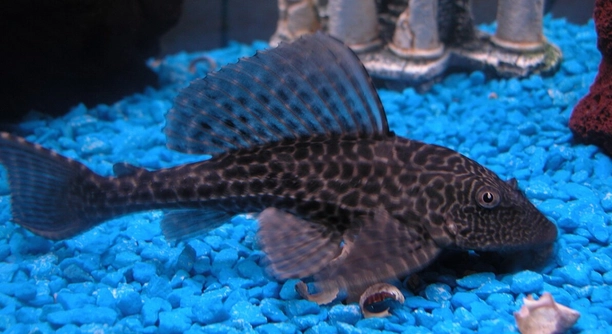
Plecos are fascinating fish with unique behaviors. One of the most noticeable habits is the frequent flicking of their fins. This action can leave aquarium owners wondering about its cause and what it means for the fish’s health.
The fin flicking behavior in plecos is typically a sign of either discomfort or irritation. It could be related to skin irritation, parasites, or environmental stress, including changes in water quality or tank mates.
Understanding why plecos flick their fins can help you maintain a healthy and stress-free environment for your fish. Keep reading to learn more about the causes and how to address them effectively.
What Causes Fin Flicking in Plecos?
Plecos are sensitive creatures, and their frequent fin flicking can signal discomfort. One common reason is skin irritation, which can be caused by rough surfaces or parasites. If your pleco’s skin is irritated, it may start flicking its fins to try and relieve the sensation. Water quality issues, such as improper temperature or high ammonia levels, could also contribute to this behavior. These factors create stress, causing plecos to flick their fins in response.
Sometimes, fin flicking can occur when plecos feel threatened or are in a tank with aggressive tank mates. The flicking is an attempt to defend themselves or express stress. The flicking motion may also be a reaction to chemical imbalances in the water or poor oxygenation. It’s important to monitor all these factors closely to ensure your pleco’s environment is healthy.
Maintaining a stable tank with proper water conditions can reduce the likelihood of fin flicking. Keeping your pleco’s environment calm and free of stressors is key to its well-being.
How to Prevent Fin Flicking
To prevent fin flicking, the first step is to check your water parameters regularly. Proper filtration, clean water, and maintaining the correct temperature can make a big difference. If your pleco’s tank is too small or crowded, this can lead to stress, so consider upgrading their space if needed.
A stable environment is crucial. Ensure there are no sharp objects that could damage their skin. Additionally, if you suspect parasites or skin conditions, a thorough check-up from a vet may be necessary to rule out any serious health concerns.
The Role of Tank Mates in Pleco Fin Flicking
Aggressive or overly active tank mates can trigger stress, leading plecos to flick their fins. When a pleco feels threatened, it may use this behavior to ward off perceived threats. It’s essential to choose peaceful tank mates to maintain a harmonious environment for your pleco.
Fish such as cichlids or other territorial species can make plecos feel unsafe. Plecos are generally peaceful, but when placed in tanks with aggressive fish, their behavior can change. In some cases, plecos may flick their fins to establish boundaries or avoid conflicts. Ensuring your pleco has enough hiding spaces can help reduce stress and prevent this behavior.
Additionally, some species of fish might nip at plecos, causing irritation. When a pleco’s skin is nipped or scratched, they may respond by flicking their fins in an attempt to soothe the irritation. This can be prevented by creating a peaceful, well-balanced community tank with compatible species.
How Water Quality Affects Plecos
Poor water quality is a common cause of fin flicking in plecos. If the tank has high levels of ammonia, nitrites, or nitrates, plecos can become stressed, which leads to fin flicking. Regular water changes and proper filtration are essential in maintaining a healthy environment.
Water temperature is also an important factor. Plecos thrive in warm water, typically between 75°F and 80°F. When the water is too cold or fluctuates too much, plecos may exhibit unusual behavior, including fin flicking. To prevent this, invest in a reliable thermometer and heater to ensure that the tank stays within the appropriate temperature range.
In addition to ammonia and temperature, poor oxygenation can cause plecos to flick their fins. Oxygen helps support their overall health, so investing in an air pump or improving water circulation may help alleviate this problem and reduce fin flicking.
The Impact of Water Temperature
Plecos are sensitive to water temperature fluctuations, which can cause them to flick their fins. If the water is too warm or cold, they may feel uncomfortable, prompting the fin-flicking behavior. Keeping a stable temperature within their preferred range is crucial to their well-being.
When the water temperature drops below 75°F or exceeds 80°F, it stresses the pleco. This can trigger various abnormal behaviors, including fin flicking. A reliable heater and thermometer will help keep the water temperature consistent, reducing stress on the pleco. Regular checks ensure that the tank stays within the ideal temperature range.
Keeping the water temperature stable also supports overall health. Stress from fluctuating temperatures can lower the pleco’s immune system, making it more susceptible to illness. By maintaining proper water temperature, you can help keep your pleco comfortable and prevent unwanted behaviors like fin flicking.
The Importance of Tank Size
A cramped tank can cause plecos to feel stressed, leading to fin flicking. Plecos need ample space to move around freely. A tank that’s too small can lead to territorial disputes and make them feel unsafe, which triggers this behavior.
Plecos grow large and need enough room to swim and find food. When their space is limited, they can become frustrated or anxious, leading to increased fin flicking. If you have a small tank, upgrading to a larger one can significantly reduce stress and improve your pleco’s behavior.
Preventing Skin Irritation
Skin irritation is a common reason for fin flicking. Rough tank surfaces or low water quality can damage their skin, causing them to flick their fins in discomfort. Regularly check for any sharp objects or rough edges that could harm your pleco.
FAQ
Why do plecos flick their fins?
Plecos flick their fins as a response to discomfort or irritation. This behavior can stem from a variety of issues, including skin irritation caused by rough surfaces, parasites, or environmental stress, such as poor water quality or incorrect tank conditions. Stress from aggressive tank mates or territorial disputes can also trigger fin flicking. The flicking is the fish’s way of reacting to these discomforts, either to soothe irritation or establish boundaries.
How can I tell if my pleco is stressed?
Stressed plecos may exhibit several signs, including fin flicking, loss of appetite, hiding more often, or behaving unusually. They may also swim erratically or become more aggressive toward other fish. Stress often results from poor water quality, overcrowding, or incompatible tank mates. Keeping a close eye on their behavior and water parameters can help detect early signs of stress and prevent further issues.
Can fin flicking be a sign of a health problem?
Yes, fin flicking can indicate a health issue, such as skin irritation, parasites, or fungal infections. If the flicking is accompanied by other symptoms like cloudy eyes, discoloration, or sores on the body, it’s essential to check for parasites or infections. A visit to the vet may be necessary for proper diagnosis and treatment. Regularly maintaining water quality and keeping the tank clean can help prevent health-related issues.
What can I do if my pleco keeps flicking its fins?
If your pleco is constantly flicking its fins, first check the water parameters, including ammonia, nitrite, nitrate levels, and temperature. Ensure the tank is clean and properly filtered, and avoid overstocking it with fish. Examine the tank for any rough surfaces or sharp objects that could cause skin irritation. Additionally, make sure the pleco has plenty of hiding spots to reduce stress. If no improvements are seen, consult a vet to rule out parasites or infections.
Do plecos need special tank conditions?
Yes, plecos are sensitive to water conditions, so it’s essential to maintain proper water parameters. They thrive in temperatures between 75°F and 80°F and require clean, well-filtered water. Regular water changes are necessary to remove harmful toxins like ammonia and nitrites. Plecos also need a tank with enough space to swim, as overcrowding can cause stress. A stable and clean environment supports their health and helps prevent behavior issues like fin flicking.
Can plecos live with other fish?
Plecos are generally peaceful and can coexist with many other species, but it’s crucial to choose compatible tank mates. Avoid pairing them with overly aggressive or territorial fish, which can cause stress. Small or fin-nipping fish may irritate plecos, prompting fin flicking. Ideally, plecos should be housed with calm, peaceful species that won’t provoke them. Make sure to provide plenty of hiding spaces so your pleco feels secure in its environment.
How often should I clean my pleco’s tank?
Cleaning your pleco’s tank regularly is essential for maintaining healthy water conditions. Perform partial water changes of about 25-30% every 1-2 weeks, depending on the tank size and stocking. Clean the substrate and remove any uneaten food to prevent ammonia buildup. Regularly clean the filter to ensure optimal performance. In tanks with multiple fish or excessive waste, more frequent cleanings may be necessary. Keeping the tank clean helps prevent stress and health issues, reducing the likelihood of fin flicking.
What are the best tank mates for plecos?
Plecos do well in community tanks with peaceful fish. Good tank mates include species like tetras, rasboras, gouramis, and other non-aggressive fish. These species are typically calm and don’t interfere with plecos, which helps reduce stress. Avoid pairing plecos with territorial or fin-nipping fish, such as cichlids or bettas, as they may cause your pleco to flick its fins in defense. Always ensure the tank has enough space and hiding spots to accommodate all the fish comfortably.
Can I treat fin flicking with medication?
Medications can help if the fin flicking is caused by parasites or infections, but first, you need to identify the cause. If you suspect a skin issue or infection, you can use medicated fish baths or water treatments. For external parasites, like ich or velvet, there are specific medications available at pet stores or online. However, if the flicking is due to environmental factors such as poor water quality or stress, medication won’t be effective. Addressing the root cause of the behavior is key to resolving the issue.
How long does fin flicking last in plecos?
The duration of fin flicking depends on its cause. If the flicking is due to stress from poor water quality or tank mates, resolving these issues can stop the flicking within a few days to a week. If the flicking is caused by a health problem, such as parasites or skin irritation, it may last longer until treated. Monitoring your pleco closely and addressing the root cause of the behavior is essential for resolving the issue effectively. In some cases, fin flicking may stop once the pleco feels safe and comfortable again.
Final Thoughts
Understanding why plecos flick their fins is important for maintaining their health and comfort in the tank. Fin flicking can be a sign of stress or irritation, often linked to factors like poor water quality, temperature fluctuations, or skin irritations. By observing your pleco’s behavior and monitoring its environment, you can identify the underlying cause of the fin flicking. Keeping the tank clean, ensuring stable water conditions, and avoiding overcrowding will help reduce stress and promote a healthier, happier pleco. Regular tank maintenance and careful observation are key to ensuring that your pleco’s needs are met.
Sometimes, fin flicking can be a natural response to minor irritations, such as slight temperature changes or a rough spot in the tank. In these cases, the behavior may not be cause for concern. However, if the flicking is persistent or accompanied by other signs like loss of appetite or unusual swimming patterns, it may indicate a health problem that needs attention. Parasites, fungal infections, or external injuries can all lead to discomfort and fin flicking. If you notice any additional symptoms, it’s important to treat the problem promptly. A visit to the vet or a fish specialist might be necessary for a proper diagnosis.
Preventing fin flicking in plecos ultimately comes down to providing them with a comfortable, stress-free environment. Regular water changes, maintaining the right temperature, and ensuring enough space in the tank are all essential steps. Adding peaceful tank mates and providing plenty of hiding spots will also help your pleco feel secure. If fin flicking continues despite addressing these factors, it’s best to look into possible health issues and take the necessary steps to treat them. By keeping a close eye on your pleco’s behavior and environment, you can ensure a long, healthy life for your fish.

Hello,
If you enjoy the content that we create, please consider saying a "Thank You!" by leaving a tip.
Every little bit helps us continue crafting quality advice that supports the health, happiness, and well-being of pets around the world, for pets of all shapes, sizes, and species.
We really appreciate the kindness and support that you show us!