
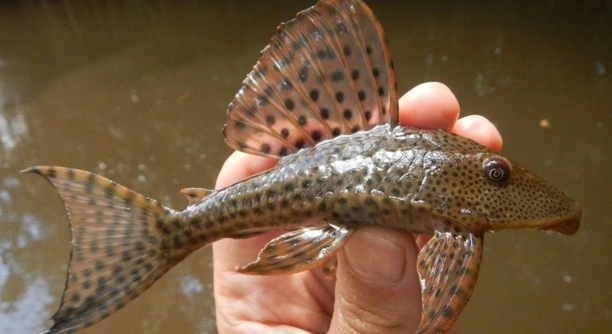
Plecostomus, also known as “plecos,” are popular aquarium fish loved for their algae-eating habits. While some can grow quite large, several variants stay under 6 inches, making them ideal for smaller tanks.
Several species of plecostomus are well-suited for smaller tanks, growing to less than 6 inches. These species include the Bristlenose, Clown, and Rubber Lip plecos, which are compact and efficient algae eaters, thriving in confined spaces.
Each of these plecos brings unique characteristics to your tank, making them a great choice for those with limited space. Keep reading to discover the best options.
Bristlenose Pleco: The Compact Algae Eater
The Bristlenose pleco is one of the most popular species for small tanks. They grow to only about 4 to 5 inches in length, making them perfect for a 20-gallon tank or smaller. These plecos are great at cleaning algae off surfaces, keeping your aquarium neat. Their small size doesn’t mean they lack personality, though. Bristlenose plecos have a unique look with their bristled noses, which gives them their name. Despite their small size, they are very efficient and can work on larger areas in a tank. They’re known for their peaceful nature, which makes them a great addition to community tanks. Bristlenose plecos also don’t require a lot of maintenance, making them a beginner-friendly option for those new to aquarium keeping.
They are nocturnal and spend most of their time hiding during the day. At night, they become more active and graze on algae. This behavior makes them low-maintenance, as they don’t need constant attention.
While their size remains small, their algae-eating habits make them invaluable in keeping tanks clean. If you want a peaceful and hardworking fish, the Bristlenose pleco is a great choice.
Clown Pleco: A Colorful Option for Smaller Tanks
The Clown pleco is another great choice for small aquariums. They only grow to about 4 inches and add a touch of color to your tank. Known for their striking black and white pattern, they can be an eye-catching addition to a peaceful community tank. These plecos are active and spend a lot of time hiding, especially during the day.
Like the Bristlenose pleco, Clown plecos are also efficient algae eaters, helping to keep your tank clean. However, they can be more sensitive to water conditions, so make sure to maintain consistent water quality. If you’re looking for a colorful yet low-maintenance fish, the Clown pleco could be a perfect option.
Their small size and lively personality make them a suitable choice for those wanting a low-maintenance fish that still provides unique charm. Their distinctive look will surely stand out in your aquarium setup.
Rubber Lip Pleco: A Small but Hardy Option
The Rubber Lip pleco typically grows to around 4 to 5 inches. It’s a great choice for smaller tanks, offering efficient algae cleaning without growing too large. This pleco is well-suited for tanks as small as 20 gallons.
What makes the Rubber Lip pleco stand out is its resilience. They are hardy fish, able to adapt to a variety of water conditions, making them perfect for beginners. They are peaceful, but like most plecos, they prefer hiding during the day. They also have a unique appearance, with flat, rubbery lips that help them cling to surfaces. Though small, they contribute significantly to maintaining tank cleanliness.
They also don’t demand much attention, aside from occasional water quality checks. With their peaceful nature and efficient algae-eating abilities, the Rubber Lip pleco is a fantastic addition to any small tank setup.
Pitbull Pleco: Compact and Efficient
The Pitbull pleco remains small, only growing up to about 3 inches in length. This makes it an ideal choice for those with very limited space. Despite their small size, they are active and maintain a clean tank.
They are efficient at grazing algae off surfaces, keeping your tank tidy. These plecos are also known for their bright, appealing colors and small, almost “pitbull” shaped bodies. However, they do require consistent water quality to thrive, so be mindful of the conditions in your aquarium. While not as hardy as some other species, their small size and vibrant appearance make them a popular choice.
Pitbull plecos are also very peaceful, making them a good fit for community tanks with other non-aggressive species. Their size and behavior allow them to thrive alongside many different types of fish.
Dwarf Snowball Pleco: A Tiny and Attractive Choice
The Dwarf Snowball pleco is a small species, growing only up to 3 inches. Their vibrant markings and small size make them perfect for tanks with limited space. They are great algae eaters, keeping your tank clean.
Their appearance is quite striking, with a snowy, dotted pattern on their body. They are peaceful, which makes them ideal for community setups. Dwarf Snowball plecos do need stable water conditions to thrive, but their low maintenance and small size make them a popular choice among aquarists.
Gold Nugget Pleco: Small Yet Stunning
The Gold Nugget pleco stays small, reaching up to 5 inches. This pleco stands out due to its golden spots on a dark body, which adds a unique touch to any aquarium. It’s a little more sensitive to water conditions but still a great option for smaller tanks.
Gold Nugget plecos are nocturnal, so you might not always see them during the day. They come alive at night to eat algae, cleaning the tank while you’re away. Their stunning appearance and efficient algae-eating habits make them a valuable addition, especially for those looking for a standout fish.
Zebra Pleco: A Striking and Small Option
The Zebra pleco is another great choice for smaller tanks, growing up to about 4 inches. Its black and white striped pattern is incredibly eye-catching and offers a unique visual contrast in your aquarium.
While their size remains small, Zebra plecos are not the most active fish. They prefer hiding during the day and are more active during the night. Their striking pattern and peaceful nature make them a great addition to community tanks. Keep in mind that they are best suited for well-maintained tanks, as they can be sensitive to water conditions.
FAQ
What is the best plecostomus variant for small tanks?
The best plecostomus variant for small tanks is the Bristlenose pleco. Growing to only about 4 to 5 inches, it’s ideal for tanks as small as 20 gallons. This species is not only compact but also a fantastic algae eater. It’s hardy, peaceful, and works well in community setups. Additionally, the Bristlenose pleco doesn’t require much maintenance, making it perfect for beginners or those looking for an easy-to-care-for fish.
How do I care for a plecostomus in a small tank?
To care for a plecostomus in a small tank, ensure the water temperature is stable, usually between 75-80°F (24-27°C). Regular water changes are essential to maintain water quality. Plecos are sensitive to poor water conditions, so investing in a good filtration system is necessary. Ensure there’s enough algae or supplemental food, like sinking pellets, to keep them nourished. Also, provide hiding spots with rocks or driftwood as plecos like to have places to retreat during the day.
Do plecostomus need a lot of space?
While plecostomus can grow large, several species, like the Bristlenose or Pitbull pleco, stay small and don’t need a lot of space. A 20-gallon tank can usually accommodate these smaller plecos. However, make sure the tank is well-filtered and has plenty of hiding spots. Avoid overcrowding the tank, as this can cause stress and lead to health issues for the plecos and other fish.
Can plecostomus live with other fish?
Yes, plecostomus are generally peaceful and can live with other non-aggressive fish. Species like the Bristlenose pleco or Clown pleco tend to do well in community tanks. However, avoid pairing them with aggressive fish or very small species that might be intimidated by their size. Also, make sure to provide enough food for all fish in the tank, as plecos may not always be able to get enough if larger, more dominant species eat everything first.
What do plecostomus eat in a small tank?
Plecostomus are primarily algae eaters, so they will help keep your tank clean by grazing on algae growth. However, they also need additional food to stay healthy, especially in a tank with limited algae. Provide sinking pellets, vegetable-based foods, or blanched zucchini or cucumber to supplement their diet. Make sure not to overfeed, as this can lead to poor water quality.
How often should I feed my plecostomus?
You should feed your plecostomus once a day, offering small amounts of food that they can consume in a few hours. They are opportunistic feeders and will graze on algae when available. If the tank doesn’t have enough algae, provide them with vegetables or sinking pellets. Make sure not to overfeed, as uneaten food can degrade water quality. During the night, plecos are more active and will scavenge leftover food and algae.
Do plecostomus require special tank conditions?
Plecostomus thrive in well-maintained tanks with stable water conditions. They prefer slightly acidic to neutral water with a pH of 6.5 to 7.5. The temperature should remain between 75-80°F (24-27°C). Ensure the tank is well-filtered, as plecos are sensitive to high levels of ammonia, nitrites, and nitrates. Regular water changes are also important to maintain a healthy environment for plecos.
How can I tell if my plecostomus is healthy?
A healthy plecostomus will have a smooth, intact body and should actively graze on algae or eat the food you provide. Their fins should be spread out, and their eyes should be clear, not cloudy or sunken. If your pleco hides more than usual, it may indicate stress or poor water conditions. Additionally, monitor for signs of disease, such as lesions, discoloration, or rapid breathing. Regular water testing and maintenance are essential for keeping your pleco healthy.
Why does my plecostomus stay hidden during the day?
Plecostomus are nocturnal creatures, meaning they are most active during the night. During the day, they tend to hide in caves, under rocks, or behind decorations to feel safe. This behavior is normal and should not be a cause for concern. To keep your pleco comfortable, provide plenty of hiding spots, like driftwood or caves, to mimic their natural habitat.
Can plecostomus live in low-light aquariums?
Yes, plecostomus can live in low-light aquariums. In fact, they thrive in environments where they can hide during the day. Since plecos are nocturnal, low lighting won’t affect their activity levels. However, make sure the tank is still well-lit enough for you to observe them and for plants or algae to grow, which they will feed on.
How can I prevent my plecostomus from getting sick?
To prevent illness in your plecostomus, maintain proper water conditions. Regular water changes, good filtration, and monitoring for ammonia, nitrites, and nitrates are essential. Additionally, provide a balanced diet with enough algae and supplements to keep your pleco strong. Quarantine new fish before adding them to your tank to prevent the spread of disease. Avoid overfeeding, as it can lead to poor water quality and health issues. Regular observation for any changes in behavior or appearance will also help catch potential problems early.
Why is my plecostomus not eating?
If your plecostomus isn’t eating, check the water quality first. Poor water conditions can stress fish and cause a loss of appetite. Make sure your pleco has access to algae or supplement their diet with sinking pellets, vegetables, or other food. It’s also important to check the tank for aggressive fish that may be outcompeting your pleco for food. Stress, illness, or changes in the tank environment can also cause a loss of appetite, so make sure to monitor the situation carefully.
Final Thoughts
Choosing the right plecostomus variant for your tank is crucial for ensuring both the health of your fish and the overall balance of your aquarium. When it comes to plecos, size is a key factor to consider. Many plecos can grow quite large, making them unsuitable for small tanks. However, there are several species, like the Bristlenose or Dwarf Snowball pleco, that stay small and thrive in smaller spaces. By selecting a pleco that is well-suited for the size of your tank, you can avoid overstocking and ensure your fish have enough space to thrive.
In addition to size, the care requirements of each pleco species should also be taken into account. Some plecos are more sensitive to water conditions, while others are hardier and better suited for beginners. Species like the Gold Nugget pleco or Zebra pleco can be a bit more delicate, requiring specific water conditions to remain healthy. On the other hand, Bristlenose plecos are generally more adaptable and can handle a range of water parameters, making them a great choice for new aquarium owners. When caring for plecos, regular water changes and proper filtration are key to maintaining a healthy environment.
Ultimately, the best plecostomus for your tank will depend on your tank size, water conditions, and experience level as an aquarist. By carefully considering these factors and choosing a species that matches your setup, you can enjoy the benefits of having a pleco in your aquarium. These fish not only help keep your tank clean by consuming algae, but their unique appearance can also add visual interest. Whether you opt for a small and easy-to-care-for Bristlenose pleco or a more exotic species, there’s a pleco for every tank.

Hello,
If you enjoy the content that we create, please consider saying a "Thank You!" by leaving a tip.
Every little bit helps us continue crafting quality advice that supports the health, happiness, and well-being of pets around the world, for pets of all shapes, sizes, and species.
We really appreciate the kindness and support that you show us!