
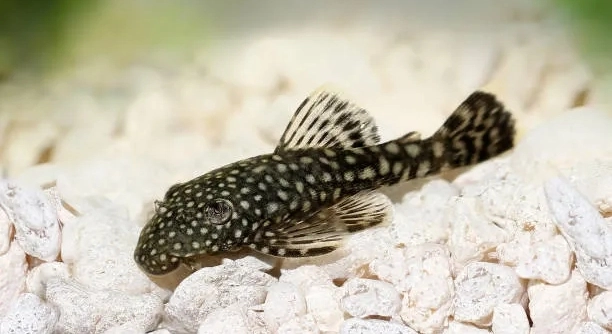
Plecos are popular fish in the aquarium hobby, known for their peaceful nature and algae-eating habits. Many fishkeepers wonder if plecos can thrive in tanks with minimal filtration. This question is essential for maintaining their health and well-being.
Plecos require a minimum level of filtration to ensure proper water quality. While they can survive with less filtration, poor water conditions will lead to stress, reduced growth, and health issues over time. Proper filtration is crucial for long-term survival.
Understanding filtration needs and tank care will ensure your pleco thrives in its environment. The following tips will help maintain the right conditions for your pleco.
Filtration Needs for Plecos
Plecos thrive in clean, oxygen-rich environments. Filtration plays a vital role in maintaining the water quality that plecos require. While they are hardy fish, their survival depends on stable conditions. Minimal filtration can lead to the accumulation of waste and excess nutrients, which can result in poor water quality. In these conditions, plecos may become stressed, leading to weakened immune systems and potential disease. The lack of adequate filtration also causes fluctuations in water parameters, which can significantly affect their health and growth. Though plecos can adapt to less filtration, the risks associated with poor water quality are substantial and can impact their long-term survival.
While plecos are known for their hardiness, they still require a well-maintained aquarium. A low-quality filtration system can cause the water to become toxic, even for these tough fish. It’s important to regularly monitor water conditions to avoid stressing your pleco.
The best filtration system for a pleco tank depends on the tank size and the number of fish. A good rule is to use a filter with a flow rate that’s at least three times the volume of your aquarium. This ensures that the water stays clean, free from toxins, and properly oxygenated. Regular maintenance, such as cleaning the filter, is essential to avoid clogging and inefficient operation. You may also consider using additional air stones to improve oxygen levels, especially if your tank lacks a strong filter. It’s important to provide a suitable environment, as plecos need stable water quality to thrive and grow.
Signs That Your Pleco Is Stressed
Stress in plecos can often go unnoticed until it becomes severe. Physical symptoms such as abnormal swimming patterns, lack of appetite, or darkening of the skin can be indicators. Stress can also weaken their immune system, making them more susceptible to diseases. Therefore, paying attention to these signs is crucial. Stress often results from poor water conditions, inadequate filtration, or incompatible tank mates.
To prevent stress, regularly monitor water parameters such as ammonia, nitrate, and pH levels. Maintaining a proper filtration system helps keep the water clean and prevents toxic buildups. Additionally, offering hiding spots and ensuring adequate space in the tank will reduce potential stressors for plecos.
Importance of Water Quality
Water quality is the most crucial aspect of pleco care. Even with minimal filtration, the water can quickly become toxic without regular water changes and monitoring. Plecos are sensitive to high ammonia or nitrite levels, which can harm their health. Inadequate filtration increases these toxins, affecting the fish’s overall well-being. Maintaining good water quality is essential for preventing diseases and stress.
Regular water testing is necessary to ensure the water remains healthy for plecos. You should test for ammonia, nitrites, nitrates, and pH to avoid dangerous imbalances. If water quality worsens, frequent partial water changes can help restore it to safe levels. Consider adding live plants to help absorb excess nutrients and improve oxygenation.
Changing 20-30% of the tank water every week can significantly reduce harmful substances. The filter should also be cleaned regularly to avoid clogging. If you have multiple plecos in one tank, consider a larger filtration system to handle the waste produced. Poor water quality impacts the fish’s health and stress levels, so maintaining it should be a priority.
Plecos and Tank Size
Plecos require a tank that accommodates their size and needs. While some species stay small, others can grow quite large, so it’s important to have the right tank size. A small tank with minimal filtration won’t provide enough space for plecos, leading to overcrowding and poor water quality. A larger tank gives plecos room to swim and helps maintain a healthier environment.
As a rule of thumb, a 55-gallon tank is the minimum for a single adult pleco. Larger species may require even more space to thrive. Larger tanks not only provide ample swimming room but also help maintain water quality by reducing the concentration of waste. Additionally, a bigger tank allows more room for a proper filtration system, reducing stress and the risk of disease.
A well-planned setup with a larger tank allows plecos to exhibit natural behaviors, making them happier and healthier. A small tank with minimal filtration might not meet the needs of these fish, potentially shortening their lifespan. With a larger tank, plecos have a much better chance of thriving.
Types of Filtration Systems for Plecos
There are several types of filtration systems available for pleco tanks. The most common options include hang-on-back (HOB) filters, canister filters, and sponge filters. Each system has its benefits depending on tank size and water flow needs.
Canister filters offer the best filtration for larger tanks, providing powerful filtration with minimal noise. These filters typically have multiple filtration stages and can handle heavy waste loads, making them ideal for pleco tanks. However, they require more maintenance. HOB filters are quieter and easier to install, but they may not provide the same level of filtration for larger tanks. Sponge filters are gentle and provide excellent biological filtration, but they might not be sufficient for very large tanks with high waste production.
Regular Maintenance for a Healthy Tank
Maintaining a pleco tank means more than just checking water quality. Regular filter cleaning, substrate vacuuming, and algae removal are necessary for keeping the environment safe. Debris and uneaten food can build up in the tank, causing poor water quality and stressing the plecos.
Consistent maintenance ensures the plecos live in a clean, healthy environment. Be sure to clean the filter every few weeks to prevent clogs and loss of filtration efficiency. Regular water changes also help maintain optimal water conditions. Neglecting these tasks can lead to serious health problems for your pleco.
Choosing the Right Tankmates
Plecos are peaceful fish, but tankmates can affect their well-being. It’s best to choose non-aggressive species that won’t outcompete them for food or space. Avoid small fish that may become prey or species that are too territorial.
Properly selecting tankmates ensures the plecos live in a peaceful environment. Consider fish like tetras, rasboras, or peaceful cichlids. Each species should have enough room to avoid stress. Monitoring behavior can help spot any conflicts early.
FAQ
Can plecos live without a filter?
While plecos can survive without a filter for a short time, it’s not ideal. Minimal filtration can lead to poor water quality, which harms the fish’s health. Without proper filtration, waste builds up, raising ammonia and nitrite levels. These toxic substances can stress plecos, weaken their immune system, and cause disease. Regular water changes and monitoring are necessary, but having a filter is still the best way to maintain healthy water conditions for your pleco. It’s essential to have some form of filtration to keep the water clean and oxygenated for them to thrive.
How often should I clean my filter for plecos?
The filter should be cleaned every two to four weeks, depending on the tank size and the amount of waste produced. A clean filter ensures optimal filtration, preventing water quality issues. If you have a heavily stocked tank or large plecos, you may need to clean the filter more often. However, avoid over-cleaning, as this can remove beneficial bacteria essential for breaking down waste. When cleaning, rinse the filter media with aquarium water, not tap water, to preserve the bacteria. Keeping the filter in good condition is vital for maintaining a healthy environment for your plecos.
What happens if my pleco is stressed from poor water conditions?
Stress from poor water quality can have serious effects on plecos. Over time, it can weaken their immune system, leaving them more vulnerable to infections. Stressed plecos may become lethargic, stop eating, or display abnormal swimming patterns. Prolonged stress can also cause physical signs, such as darker coloration or torn fins. To prevent this, regularly monitor water parameters, change water frequently, and keep the tank clean. Ensuring a stable, clean environment helps your pleco stay healthy and stress-free, allowing it to thrive in your aquarium.
Can plecos live with other fish?
Yes, plecos are generally peaceful and can live with other fish, provided the tankmates are non-aggressive. Plecos are bottom dwellers, so they won’t typically compete for space with other fish. However, you should avoid placing them with smaller species that might become prey or overly aggressive tankmates that may harass them. It’s essential to choose peaceful fish that won’t stress your pleco. Suitable tankmates include tetras, peaceful cichlids, and rasboras. Always monitor interactions, especially when introducing new fish to the tank, to ensure there are no signs of aggression.
Do plecos need a large tank?
Plecos need ample space to grow and thrive. While smaller species can manage in tanks as small as 30 gallons, larger plecos, like the common pleco, require at least a 55-gallon tank. Providing a spacious environment allows plecos to exhibit natural behaviors, like grazing on algae or swimming freely. Overcrowding in a small tank can lead to poor water quality and increased stress for your pleco. A larger tank also allows for better filtration, which is essential for keeping water clean. The more space you provide, the healthier your pleco will be in the long term.
How do I prevent algae buildup in my tank?
Plecos are natural algae eaters, and they will help control algae growth in your tank. However, they can’t completely prevent algae buildup on their own, especially in larger tanks or tanks with high light levels. To prevent excessive algae, consider reducing the amount of light your tank receives and avoiding overfeeding your pleco or other fish. Algae thrives on excess nutrients, so regular water changes and removing uneaten food will help keep it under control. You can also manually scrub algae off surfaces and add algae-eating snails or shrimp as additional help.
Why is my pleco not eating?
If your pleco isn’t eating, it could be due to poor water quality, stress, or illness. First, check the water parameters, ensuring that ammonia, nitrites, and nitrates are at safe levels. If the water quality is fine, consider any environmental changes that could be stressing your pleco. Illnesses like parasites or internal infections can also cause a lack of appetite. If your pleco continues to refuse food, consider consulting a vet or aquarium expert for further advice. Providing a varied diet with algae wafers, vegetables, and occasional protein can also encourage feeding.
Can plecos live with other plecos?
Plecos can live with other plecos, but tank size is a crucial factor. Larger tanks with plenty of hiding spots and space are necessary if you plan to keep multiple plecos. In a smaller tank, multiple plecos may become territorial and fight for space. It’s important to choose species of plecos that have compatible temperaments, as some can be more aggressive. When keeping multiple plecos, ensure the tank is well-filtered and has sufficient hiding spots. Avoid overcrowding, as this can lead to stress and poor water quality.
How can I tell if my pleco is healthy?
A healthy pleco is active, eats regularly, and has vibrant, smooth skin. You should see clear, bright eyes and a robust appetite. Healthy plecos often graze on surfaces, like rocks or plants, and they should be swimming comfortably around the tank. Signs of an unhealthy pleco include lethargy, loss of appetite, faded or darkened coloration, and visible wounds or lesions. Any change in behavior or physical appearance may indicate an underlying issue, such as stress, poor water quality, or illness. Regular observation is key to detecting problems early.
How long do plecos live?
Plecos can live for a long time if they are properly cared for. On average, plecos live between 10 and 15 years, though some can reach 20 years or more in ideal conditions. Their lifespan depends on factors like water quality, tank size, diet, and overall care. Providing a stable environment with clean water and a proper diet will help your pleco live a long, healthy life. The better the care you give, the more years you’ll enjoy your pleco’s company.
Final Thoughts
When it comes to keeping plecos, providing the right environment is key to their health and well-being. While plecos can survive with minimal filtration in certain conditions, it’s crucial to understand that this is not the best option for them in the long term. Without proper filtration, waste will build up quickly, leading to poor water quality that can stress your pleco. Stress, in turn, can make them more vulnerable to illness and reduce their lifespan. A good filtration system will ensure that your pleco stays healthy and comfortable for years to come. Even if you’re using minimal filtration, regular water changes and monitoring are essential to maintain optimal water conditions.
A pleco’s diet, tankmates, and water quality also play a significant role in their overall health. Since plecos are bottom dwellers, they tend to help control algae growth in the tank, but they need a balanced diet to thrive. While they do eat algae, they also require other food sources, such as vegetables, sinking pellets, and occasional protein. Choosing compatible tankmates is important as well. Plecos are peaceful, but they can become stressed if housed with aggressive fish or overly territorial species. A well-maintained tank with the right filtration and diet will help your pleco flourish, ensuring they live a long, healthy life.
In conclusion, keeping plecos happy and healthy requires a bit of effort and attention. Minimal filtration may work temporarily, but it’s not a sustainable solution. Investing in proper filtration and maintaining a clean, stable environment will make a noticeable difference in your pleco’s well-being. Regular maintenance, a varied diet, and careful consideration of tankmates will all contribute to your pleco’s happiness. When cared for properly, plecos are beautiful, fascinating fish that can thrive in your aquarium for many years.

Hello,
If you enjoy the content that we create, please consider saying a "Thank You!" by leaving a tip.
Every little bit helps us continue crafting quality advice that supports the health, happiness, and well-being of pets around the world, for pets of all shapes, sizes, and species.
We really appreciate the kindness and support that you show us!