
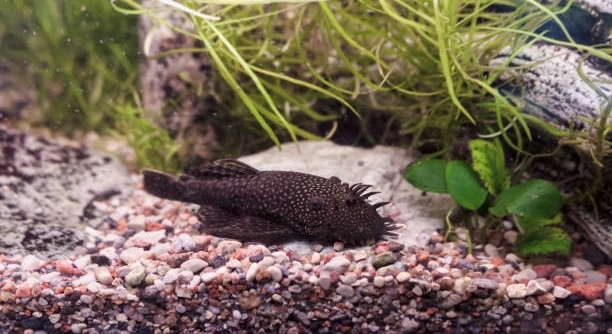
Many aquarium owners notice their plecos hiding behind heaters, leaving them wondering if something is wrong. While it may seem concerning, this behavior is often quite common and can stem from a variety of factors.
Plecos hide behind heaters to seek warmth and comfort, especially when they feel stressed, unwell, or need a suitable hiding spot. They may also hide for privacy, avoiding potential disturbances from other fish or humans in the tank.
Understanding the reasons behind this behavior can help you create a more comfortable environment for your pleco. Proper water conditions, tank setup, and monitoring stress factors will help ensure your pleco thrives in its habitat.
Why Do Plecos Hide Behind Heaters?
Plecos are nocturnal creatures, which means they naturally tend to stay out of sight during the day. They are also known for being shy, so they often seek out secluded areas to feel safe. Heaters provide warmth, which makes them more attractive to plecos, especially if the tank water is too cold for their liking. When the water temperature is not within their comfort range, plecos may retreat to places like the heater to find a better spot to regulate their body temperature. This hiding behavior could also be a response to stress. If your pleco feels threatened by other tank mates or disturbances in the environment, hiding becomes a way to manage anxiety.
Plecos are sensitive to changes in their surroundings. They tend to hide when something feels off, such as new fish added to the tank or loud noises in the room.
If you notice your pleco hiding, it’s worth checking the water temperature, tank conditions, and other potential stressors. Keeping the aquarium environment stable can help your pleco feel more secure and reduce the amount of time it spends hiding behind the heater.
Temperature and Comfort
Plecos are tropical fish and prefer warm waters between 75°F and 80°F.
If the water temperature in your tank falls below this range, your pleco might go searching for a warmer area. Heaters are one of the few places that provide a consistent and reliable temperature for them. If the heater isn’t functioning properly, it could lead to more hiding, as your pleco struggles to maintain its body heat. In addition to temperature, water quality and tank cleanliness are crucial. Polluted or dirty water can make plecos uncomfortable, causing them to retreat to a corner or behind the heater. Regular water changes and proper filtration help prevent this. Ensuring your pleco has access to clean, warm water will encourage it to explore more and feel less inclined to stay hidden.
Stress and Anxiety in Plecos
Plecos are sensitive to their environment, and stress is a major factor that can make them hide behind the heater. Any sudden changes in the tank, such as new fish, decorations, or even a loud noise, can cause anxiety.
When plecos are stressed, they often seek out secluded spaces to feel safe. A heater provides a quiet and secure spot away from any disturbances. The presence of aggressive tank mates or changes in lighting can also contribute to stress. To reduce anxiety, it’s important to maintain a peaceful environment, avoid sudden changes, and ensure your pleco has enough hiding spots to feel secure.
If stress persists, your pleco might show other signs like loss of appetite or reduced activity. Pay attention to any changes in behavior, as these can be signs that something is wrong in the tank. Providing a stable, calm environment is key to keeping your pleco comfortable and reducing stress.
Water Quality and Filtration
Dirty water is one of the most common stressors for plecos.
If the water quality is poor, plecos may retreat to warmer spots, like behind the heater, in an attempt to avoid the discomfort caused by polluted water. Ammonia, nitrites, or nitrates in the water can irritate your pleco’s skin and gills, making them more likely to seek a secluded area to hide. Regular water testing and ensuring that the filter is working properly can prevent this. Maintaining clean water is essential for the health of your pleco and can help keep it from hiding all the time.
In addition to water quality, the pH and hardness of the water should be kept at appropriate levels for your pleco’s species. Regular water changes and using a good filtration system will help reduce toxins in the water and provide a more comfortable living environment for your fish. A healthy tank setup can make a big difference in your pleco’s behavior and overall well-being.
Tank Mates and Social Dynamics
The behavior of other fish in the tank can affect your pleco. If your pleco feels threatened by more aggressive tank mates, it may retreat behind the heater to avoid conflict.
Aggressive fish can chase or nip at plecos, which leads them to hide in a more protected space. To prevent this, it’s essential to choose tank mates that are peaceful and not too territorial. Plecos tend to do well with other calm species, which reduces stress and encourages them to stay active rather than hiding.
Tank Size and Space
If your pleco doesn’t have enough space in the tank, it may feel crowded and stressed.
Plecos require a large area to swim freely, and being confined in a small space can make them anxious. A cramped environment might cause them to seek out hiding places, such as behind the heater, as a form of escape. It’s important to provide plenty of swimming space and hiding spots to ensure they feel comfortable. A properly sized tank with adequate space for your pleco will help keep it from feeling trapped and reduce the need to hide.
FAQ
Why is my pleco constantly hiding?
Hiding is a natural behavior for plecos, especially if they feel stressed, unwell, or uncomfortable in their environment. Plecos tend to hide when they are not feeling secure. This could be due to factors like sudden changes in the tank, poor water quality, aggressive tank mates, or an incorrect temperature. If the water temperature is too cold or the water is not clean enough, plecos may seek out areas like behind the heater to find comfort. It’s important to ensure the tank has stable conditions and to observe your pleco for signs of illness, as these can also cause hiding.
How can I tell if my pleco is stressed?
Stressed plecos may show a variety of signs, such as hiding more frequently, losing their appetite, or becoming less active. They may also appear lethargic, or their skin could look pale or discolored. If your pleco is constantly behind the heater, this could indicate that it is seeking a safe, stress-free zone. Pay attention to any changes in their behavior and examine the tank environment for possible stressors. Adjusting water conditions, tank mates, and lighting may help reduce stress.
Can plecos survive without a heater?
Plecos are tropical fish and require a stable water temperature between 75°F and 80°F. Without a heater, it may be difficult to maintain these conditions, especially in colder environments. If the water gets too cold, plecos may become sluggish or more prone to illness. A reliable heater ensures they stay in their ideal temperature range. If you don’t have a heater, try to keep the tank in a warm room and monitor the water temperature regularly. However, it’s best to invest in a heater to ensure your pleco stays healthy and active.
How do I keep my pleco from hiding so much?
To encourage your pleco to stay out and be more active, you should address the potential stressors in the tank. This could involve adjusting the water temperature, improving water quality with regular changes, and choosing peaceful tank mates that won’t intimidate your pleco. Adding more hiding spots can also help, as plecos enjoy having places to retreat to when they feel the need. Ensuring your pleco has a clean, stable, and calm environment will help it feel more secure and encourage it to come out of hiding more often.
Can I move the heater if my pleco hides behind it?
It’s possible to move the heater if your pleco is constantly hiding behind it, but you must be careful. Ensure the new location still maintains a consistent water temperature throughout the tank. Plecos are attracted to heaters for warmth, and moving it too far could cause the tank to become too cold. Instead of relocating the heater, try adding more hiding spots around the tank to give your pleco more options for a comfortable resting place. This will allow it to move around freely and help avoid it becoming fixated on one area.
Are plecos nocturnal?
Yes, plecos are generally nocturnal creatures, meaning they are more active during the night. It is normal for them to rest or hide during the day and come out in the evening or at night to feed and explore. If your pleco is hiding during the daytime, this is not unusual, and they may just be following their natural rhythm. However, if it hides at all hours and seems inactive, it could be a sign of stress, illness, or poor tank conditions.
Why is my pleco hiding after being introduced to a new tank?
When a pleco is introduced to a new tank, it can feel disoriented and stressed. This is common as the pleco gets used to the new environment, water conditions, and tank mates. Hiding helps them feel secure while they adjust to the changes. Make sure to monitor the tank for any signs of water quality issues or aggression from other fish. Over time, as the pleco gets more familiar with its surroundings, it should start to explore more and hide less. In the meantime, avoid making any sudden changes that could increase stress.
How do I know if my pleco is sick?
If your pleco is constantly hiding, it could be a sign that it’s feeling unwell. Look for additional symptoms like loss of appetite, lethargy, abnormal swimming patterns, or visible signs of disease such as lesions, fin rot, or clamped fins. If any of these signs appear, it’s essential to check the water quality and ensure there are no toxins or ammonia spikes in the tank. If the symptoms persist, consider consulting a veterinarian or an experienced aquarium professional for proper diagnosis and treatment.
Should I be worried if my pleco hides behind the heater?
Not always. While hiding behind the heater is common, especially in stressful situations, it doesn’t always mean something is wrong. Plecos naturally seek out warmer spots to regulate their body temperature, especially in cooler tanks. However, if the hiding becomes persistent or is accompanied by other signs of distress or illness, then it’s worth investigating further. Make sure the water temperature is stable and within the appropriate range for plecos, and check that the tank conditions are optimal to avoid unnecessary stress.
Can plecos be territorial?
Plecos are generally peaceful fish, but they can become territorial if they feel crowded or if other fish invade their space. This is more likely to happen in smaller tanks or when there are aggressive tank mates. If a pleco feels threatened, it may retreat behind a heater or into another secluded area to protect itself. Providing plenty of space, hiding spots, and peaceful companions will help reduce territorial behavior and allow your pleco to feel more comfortable and less inclined to hide.
Final Thoughts
Plecos are fascinating and relatively low-maintenance fish that can thrive in various aquarium setups. However, their tendency to hide behind the heater may raise concerns for some owners. While it can be worrying, it’s important to understand that this behavior is often a natural response to environmental factors. Plecos hide for various reasons, from seeking warmth to feeling stressed or unwell. With the right care and attention, you can help create an environment where your pleco feels secure and comfortable.
The key to keeping your pleco happy and healthy is providing stable water conditions. Make sure the water temperature stays within the ideal range of 75°F to 80°F. This is crucial for your pleco’s well-being, as they are tropical fish that need consistent warmth. Regular water changes and proper filtration will help maintain clean water, which is another factor that can prevent hiding due to discomfort. A well-maintained tank with the right conditions can encourage your pleco to come out from behind the heater and explore its surroundings more confidently.
It’s also important to consider your pleco’s tank mates and overall environment. If other fish are too aggressive, your pleco may feel threatened and retreat to a secluded spot. Ensuring that your tank is peaceful and that your pleco has plenty of hiding spots will help reduce stress. Monitoring their behavior and making adjustments as needed can go a long way in ensuring that your pleco remains active and healthy. In the end, understanding your pleco’s natural tendencies and addressing potential stressors will help keep it happy and comfortable in its home.

Hello,
If you enjoy the content that we create, please consider saying a "Thank You!" by leaving a tip.
Every little bit helps us continue crafting quality advice that supports the health, happiness, and well-being of pets around the world, for pets of all shapes, sizes, and species.
We really appreciate the kindness and support that you show us!