
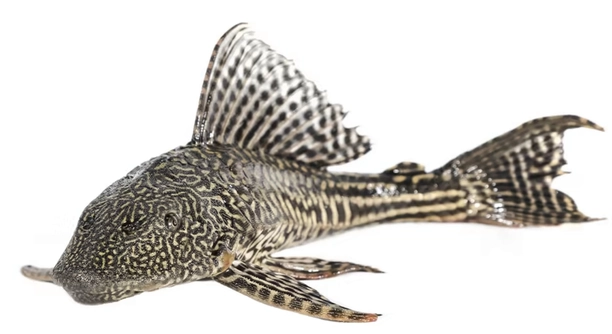
Plecos are popular freshwater fish, often kept in aquariums for their unique appearance and algae-eating habits. If you’re a pleco owner, you may wonder if these fish enjoy companionship with other tank mates.
Plecos generally do not require companionship from other fish, as they are solitary creatures. However, they can coexist peacefully with other species in a well-maintained aquarium, provided there is enough space and resources for everyone.
There are a few important things to consider when keeping plecos, including tank size, environment, and potential tank mates. Understanding these factors helps ensure your pleco thrives in a peaceful habitat.
Do Plecos Enjoy Being Around Other Fish?
Plecos are typically solitary creatures, meaning they don’t actively seek out companionship with other fish. However, they can peacefully share a tank with other species as long as the environment is suitable. They are bottom-dwellers, which means they tend to stay close to the substrate. This natural behavior can reduce the need for direct social interactions.
For the most part, plecos are independent. They aren’t social fish like tetras or guppies, which prefer being in groups. Plecos are often content to do their own thing in the aquarium, focusing on algae and detritus.
While plecos don’t mind the presence of other fish, it’s important to select tank mates carefully. Avoid fish that might crowd or compete with them for space or food. Tank mates like peaceful catfish or community fish are often a good fit, as long as everyone has enough room to thrive. Proper tank size and water quality are key to keeping plecos comfortable.
How to Set Up a Tank for Plecos
Plecos require a specific environment to thrive. A tank that is large enough with plenty of hiding spots will help them feel secure. This can be achieved through caves, plants, and rocks.
To maintain a peaceful atmosphere for your plecos, you should consider the tank’s layout. Plecos enjoy hiding, so provide spaces where they can rest without feeling disturbed by other fish. Regular water changes are essential, as plecos produce waste that can quickly affect the water quality. Be sure the filtration system is strong enough to handle their waste load while maintaining a stable environment.
Plecos do well in tanks with gentle water flow and stable temperatures, similar to their natural habitats in slow-moving rivers and streams. If the tank environment is conducive to their needs, plecos can live harmoniously with other species that won’t disrupt their space. Avoid aggressive fish that may stress them out or compete for resources.
Plecos and Tank Space
Tank size plays a huge role in whether plecos feel comfortable. These fish need plenty of space to roam, as they can grow quite large depending on the species. Smaller tanks can lead to stress and poor health.
A minimum of 75 gallons is usually recommended for larger pleco species. This gives them enough room to establish their own territory and move around freely. It’s crucial to provide both horizontal space and vertical hiding spots. This allows plecos to feel safe and reduces any potential conflicts with other tank mates. Overcrowding can result in aggressive behavior, even in typically peaceful species.
Having sufficient space also helps with maintaining water quality. Larger tanks allow for better filtration and easier management of waste. In smaller tanks, waste builds up quickly, affecting the water and stressing plecos. For their well-being, it’s best to give them plenty of room and an environment they can thrive in.
Ideal Tank Mates for Plecos
Plecos are relatively peaceful but prefer to keep to themselves. When choosing tank mates, it’s best to pick calm species that won’t compete for space or food. Larger, slower-moving fish usually work well.
Species like peaceful barbs, loaches, and tetras tend to coexist nicely with plecos. These fish aren’t overly active or territorial, so they won’t harass the pleco. It’s also important to avoid fish that are too small, as plecos may unintentionally eat them or cause them stress. Additionally, try to avoid fish that are overly aggressive, as plecos can become intimidated and stressed.
Always be mindful of the pleco’s nocturnal nature. Since they are most active at night, select tank mates that won’t disturb them during their quiet hours. Compatibility and the right tank setup are essential for a harmonious aquarium. Keeping the tank peaceful will allow your plecos to thrive without unnecessary stress.
Can Plecos Live Alone?
Yes, plecos can live alone without any issues. They are not social fish and don’t require companionship to stay healthy. As long as their tank is large enough, with enough hiding spots, they will be content.
While plecos don’t seek out social interaction, they are perfectly fine without other fish. They won’t feel lonely or stressed being the only fish in the tank. It’s important to ensure that their environment is well-maintained, with clean water and appropriate filtration, as this helps them thrive even in solitary conditions.
Keeping a single pleco can also simplify tank management, as there is less risk of territorial disputes or overcrowding. Their solitary nature means they won’t engage in social behaviors but will focus on maintaining their territory and eating algae.
Plecos and Feeding Habits
Plecos are herbivores, but their diet can vary depending on the species. They primarily consume algae, which they scrape off surfaces in the tank, but they also benefit from additional plant matter and protein-rich foods like sinking pellets.
While plecos can find food naturally in the tank, it’s essential to supplement their diet with algae wafers and vegetables like zucchini or spinach. This provides balanced nutrition and ensures they get all the necessary nutrients. In addition to algae, these fish enjoy occasional protein sources such as bloodworms or brine shrimp.
Feeding plecos correctly is important for their health, as improper nutrition can lead to growth issues or digestive problems. To keep them healthy, offer a variety of foods while making sure they always have access to fresh, clean water. Proper feeding can help prevent common issues like malnutrition or obesity.
Plecos’ Nighttime Behavior
Plecos are nocturnal, meaning they are most active at night. During the day, they tend to hide in caves or under rocks, staying out of sight. This behavior is completely normal for plecos and should be respected.
While they may appear inactive during the day, plecos are often busy cleaning algae or searching for food once the lights go out. It’s important to avoid disturbing them during their nighttime activities, as this can cause stress. When the tank lights are on, plecos prefer to rest, staying in the shade of decorations or plants.
FAQ
Do plecos need other fish to feel happy?
Plecos don’t require other fish to feel happy. They are solitary creatures by nature, and while they can live with tank mates, they do not actively seek companionship. Plecos are content doing their own thing, usually focused on finding food or resting. The key to their well-being is having a spacious tank with adequate hiding spots, clean water, and proper filtration. This allows them to thrive on their own without the need for social interaction.
Can I put multiple plecos in the same tank?
It’s possible to keep multiple plecos in the same tank, but it depends on the tank size and the species. Larger tanks, like 100 gallons or more, give plecos enough space to maintain their territories without overcrowding. However, even in larger tanks, some pleco species are territorial, so you might see aggression if they don’t have enough hiding spots. For the best results, ensure that each pleco has its own space and that the tank is well-planted or has caves to hide in.
How do I know if my pleco is stressed?
A stressed pleco may exhibit several signs, such as hiding more than usual, a loss of appetite, or unusual swimming behavior. If the pleco is constantly staying at the bottom of the tank or clinging to surfaces, it could be a sign that it’s stressed. Stress in plecos can also manifest as rapid gill movement, fin clamping, or excessive scratching against tank surfaces. If you notice these behaviors, check water quality, temperature, and tank conditions. Sometimes, stress is caused by overcrowding, poor water conditions, or aggressive tank mates.
Do plecos require a heater in their tank?
Yes, plecos generally need a heater in their tank. They are tropical fish and thrive in water temperatures between 72°F and 82°F (22°C and 28°C). If your home’s temperature fluctuates or is too cool, a heater will help keep the tank environment stable. Ensure the heater is sized correctly for your tank, as this will help maintain a consistent temperature and prevent sudden temperature changes that could stress your pleco.
How often should I feed my pleco?
You should feed your pleco once or twice a day, depending on its size and the type of food you’re providing. Plecos are nocturnal and often feed at night, so you may want to feed them after the tank lights are turned off. It’s important to offer a balanced diet that includes algae wafers, vegetables like zucchini or spinach, and protein sources such as bloodworms or brine shrimp. Overfeeding can lead to poor water quality, so only provide as much food as your pleco can eat in a few hours.
What is the best type of food for plecos?
Plecos are primarily herbivores, but they also need some protein. The best food for plecos includes algae wafers, which provide essential nutrients. Vegetables like zucchini, cucumbers, and spinach are excellent for adding variety to their diet. You can also offer blanched vegetables to make them easier for your pleco to eat. While plecos enjoy protein, avoid overfeeding with high-protein foods, as this can lead to obesity. A balanced diet of algae-based foods and vegetables is key to keeping them healthy.
Can I keep plecos with aggressive fish?
Plecos are peaceful fish but should not be kept with aggressive species. Aggressive fish may harass plecos, leading to stress or injury. It’s best to choose tank mates that are calm and won’t disturb the pleco’s territory. Fish like peaceful tetras, barbs, or loaches work well with plecos because they won’t compete for space or food. Always monitor the behavior of any new tank mates to ensure they aren’t causing unnecessary stress to your pleco.
What size tank do plecos need?
The size of the tank depends on the type of pleco. Small plecos, like the bristlenose, can live in a 30-gallon tank, while larger species like the common pleco need at least 75 gallons of space. Larger tanks give plecos more room to swim and establish their own space, reducing the chances of territorial disputes. Providing a spacious tank with plenty of hiding spots will help keep plecos healthy and happy, especially if they share the tank with other fish.
Do plecos clean the tank?
Plecos are often referred to as “tank cleaners” because they consume algae that grows on surfaces. They help keep your tank looking cleaner by grazing on algae, but they don’t completely eliminate the need for regular tank maintenance. Plecos won’t clean every surface, especially in areas where the water flow is low or there’s limited light. Regular water changes and manual cleaning are still necessary to maintain optimal water quality.
Can plecos live with shrimp?
Plecos can sometimes live with shrimp, but it depends on the species of both the pleco and the shrimp. Some plecos, particularly larger ones, may see small shrimp as food. Smaller plecos, like bristlenose plecos, are usually less likely to hunt shrimp, but it’s always a risk. If you plan to keep shrimp with plecos, make sure the shrimp have plenty of hiding spots and that they are large enough to avoid being eaten. Tank size, hiding places, and the species of both fish will determine how successful the pairing is.
Do plecos need a filter?
Yes, plecos require a filter to maintain water quality. They produce waste, and a filter helps keep the tank clean by removing excess waste and debris. Plecos are sensitive to poor water quality, so a good filtration system is essential for their health. Be sure the filter is suitable for the size of your tank and is strong enough to handle the waste load produced by plecos. A filter will also help maintain the right balance of water chemistry, ensuring your pleco stays healthy.
How long do plecos live?
Plecos have a relatively long lifespan. Depending on the species, they can live anywhere from 10 to 20 years in a well-maintained aquarium. Larger species of plecos, like the common pleco, tend to live longer than smaller ones like the bristlenose. Providing a proper environment, with clean water, the right temperature, and a healthy diet, can help ensure your pleco lives a long and healthy life.
Are plecos hard to take care of?
Plecos are not particularly difficult to take care of, but they do require proper tank conditions. Ensuring that the tank is large enough, with good water quality, proper filtration, and a balanced diet is key to keeping them healthy. Plecos do best when they are provided with the right environment, so regular maintenance, water changes, and careful monitoring of their health will help ensure they thrive in your aquarium.
Final Thoughts
Plecos are generally low-maintenance fish that can thrive in a variety of tank setups. While they do not require companionship from other fish, they can live peacefully with compatible tank mates, provided the aquarium is large enough and the water quality is well-maintained. Plecos are solitary creatures by nature, and they are more focused on their environment, searching for food and exploring their surroundings. Their diet mainly consists of algae, but supplementing their meals with vegetables and occasional protein ensures they remain healthy and active.
The most important aspect of caring for a pleco is providing them with enough space. These fish can grow quite large, and a small tank will cause stress, which can lead to health problems. Larger tanks allow plecos to establish their own space and feel secure. Adding plenty of hiding spots such as caves, rocks, and plants will create a more comfortable environment. Plecos are nocturnal creatures, so it’s essential to consider their behavior when selecting tank mates. Fish that are too active during the day may cause unnecessary stress to a pleco, who prefers quiet and solitude at times.
Overall, plecos are resilient and adaptable fish, making them suitable for many aquarium setups. As long as you provide them with proper care, including a spacious tank, a balanced diet, and the right tank mates, they can live long and healthy lives. By understanding their solitary nature and the need for a peaceful environment, you can create a comfortable habitat for your pleco to thrive. With the right attention, plecos can be an excellent addition to your aquarium, bringing both beauty and practical benefits as they help control algae growth.

Hello,
If you enjoy the content that we create, please consider saying a "Thank You!" by leaving a tip.
Every little bit helps us continue crafting quality advice that supports the health, happiness, and well-being of pets around the world, for pets of all shapes, sizes, and species.
We really appreciate the kindness and support that you show us!