
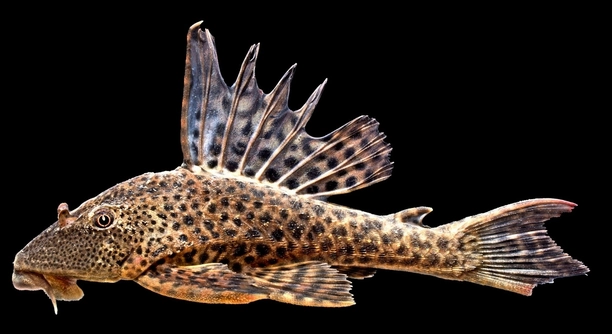
Do you ever find yourself setting up a tank and wondering if your tall, narrow one could work for a bottom-dwelling plecostomus?
Plecostomus can survive in tall, narrow tanks, but this setup is not ideal. These fish need more horizontal space to swim and graze efficiently. A tank with more floor area helps support their health, movement, and natural behavior.
Tank layout, filtration, and bottom space all matter when creating a healthy home for your plecostomus. Let’s look closer at why tank shape makes such a difference.
Why Tank Shape Matters for Plecos
Plecostomus are bottom-dwelling fish that spend most of their time on or near the substrate. They naturally move side to side rather than up and down. Tall, narrow tanks don’t give them the floor space they need to behave normally. Without enough horizontal room, plecos may become stressed, have limited access to food, and struggle to move freely. These tanks also make it harder to decorate with driftwood or caves, which are important for hiding and resting. While height can be useful for some fish, it isn’t helpful for plecos. They do best in tanks that offer plenty of length and depth so they can explore, graze on algae, and stay active.
Tall tanks limit the amount of floor area available for plecos to swim, feed, and rest comfortably.
Even if a tall tank meets the gallon requirement, the shape can still be wrong for a bottom-dweller like a plecostomus. Choosing a tank with more base space is one of the simplest ways to support their health. A long tank doesn’t just help them feel secure—it also gives you more options when placing decorations or setting up areas for feeding and hiding. It’s worth paying attention to the layout, not just the size.
Other Things to Consider
Water flow and oxygen levels can be tricky in tall tanks.
In taller setups, it’s harder to get consistent water circulation and oxygen down to the bottom where plecos spend their time. Filters often push water from the top, which can leave the lower parts of the tank with less movement. That can lead to poor oxygen levels near the substrate, and plecos may begin to breathe heavily or act sluggish. Placing air stones low in the tank or using powerheads can help create better flow. Also, plecos tend to make a lot of waste, which settles on the bottom. A wide tank makes it easier to place proper filtration and do regular cleanings. Substrate choice matters too—smooth gravel or sand works best for their undersides. Keeping the environment balanced and clean is just as important as picking the right shape. A thoughtful setup leads to a healthier and more active pleco.
Picking the Right Tank Size
A plecostomus may survive in a smaller tank when young, but it will quickly outgrow it. Size matters more than people realize.
Most plecos sold in stores grow much larger than expected, sometimes reaching 12 to 24 inches depending on the type. A common pleco needs at least a 75-gallon tank, ideally longer rather than taller. Bristlenose plecos stay smaller, but even they benefit from tanks with wide bottoms and good depth. Overcrowding or small spaces can lead to poor water quality and stressed fish. Make sure the tank fits their adult size and daily movement.
Choosing a bigger tank also helps with maintenance. Larger volumes of water are easier to keep stable. You’ll have more room for decorations, plants, and hiding places, which helps reduce stress. A proper tank size also gives you the flexibility to keep other peaceful fish with your pleco. It’s a practical way to make care easier over time.
Habitat Setup and Decor
Driftwood is important for many plecos, especially if they like to rasp on wood. It gives them a place to rest and feel secure.
Along with driftwood, caves and shaded hiding spots help plecos feel safe. These fish are mostly active at night and prefer dim areas during the day. Using rocks, clay pots, or pre-made aquarium caves can give them places to hide. Add smooth gravel or fine sand so they don’t scratch themselves. Try to keep decorations low and spread across the bottom since they don’t swim up high. Tall plants should be placed at the back, while shorter plants can go near the front. Be sure to leave enough open floor for movement and feeding. Plecos enjoy grazing across surfaces, so avoid overcrowding with too many items. A balanced setup can keep your pleco relaxed and healthy for years.
Lighting and Water Conditions
Plecos prefer low to moderate lighting since they’re mostly active at night. Bright lights can make them hide more and eat less.
Stable water conditions are important. Keep the temperature between 72–82°F, with a pH around 6.5 to 7.5. Avoid sudden changes in water parameters.
Feeding Needs
Plecostomus are often thought of as algae eaters, but they need a more complete diet to stay healthy. In addition to algae, they enjoy sinking pellets, blanched vegetables like zucchini or cucumber, and occasional protein-rich treats such as bloodworms. Some species also need wood in their diet to help with digestion. Feeding at night works best since plecos are nocturnal. Don’t rely on tank algae alone—it won’t meet their full nutritional needs. Rotate their food regularly to make sure they get all the nutrients they need. Clean up uneaten food to help keep water clean and avoid buildup on the bottom.
Final Thoughts on Tank Shape
A long, low tank setup gives plecos the best chance to stay healthy and active. Tank shape affects everything from movement to feeding.
FAQ
Can a plecostomus live in a 20-gallon tank?
A 20-gallon tank is too small for an adult plecostomus, especially if it’s the common variety that can grow up to 24 inches long. While they may survive in a smaller tank when they’re young, they will quickly outgrow the space. Plecos need room to swim, graze, and explore, and a 20-gallon tank doesn’t provide enough floor area for these activities. A larger tank, around 75 gallons or more, is more appropriate for most plecos as they grow. Even if you have a smaller pleco species, they still need plenty of room to stay healthy.
Do plecos need a heater in their tank?
Yes, plecos do need a heater, especially if you live in an area with cooler temperatures. Most plecos prefer water temperatures between 72°F and 82°F. Without a heater, the water temperature can fluctuate too much, which can cause stress and weaken your pleco’s immune system. A heater helps maintain a stable environment, which is crucial for their overall well-being. Make sure to choose a heater appropriate for the size of your tank and always monitor the water temperature.
How often should I clean my pleco’s tank?
You should clean your pleco’s tank at least once a week, or more often depending on how much waste they produce. Plecos can make a mess, and their waste can quickly build up in the tank. Regular water changes (about 20% to 30% of the water) will help keep the water fresh and prevent ammonia buildup. Clean the filter regularly and remove any uneaten food from the substrate. In larger tanks, you may not need to clean as often, but it’s still important to monitor water parameters and keep the tank free of debris.
Are plecos good tank mates for other fish?
Plecos can generally be peaceful tank mates, but this depends on the species. Most plecos, especially bristlenose plecos, are calm and won’t bother other fish. However, larger plecos can sometimes be territorial, especially if they don’t have enough space. It’s best to avoid keeping them with aggressive or overly territorial species. Community tanks with peaceful fish like tetras, guppies, or corydoras are ideal. Always monitor your pleco’s behavior and make sure it’s getting along with others. When choosing tank mates, consider the pleco’s size and temperament.
What kind of substrate is best for plecos?
Plecos prefer smooth gravel, sand, or fine substrate. They often use the substrate to scavenge for food and may sift through it with their mouths. Avoid using sharp gravel or large rocks, as they could injure their sensitive bellies. Sand is often the best option, as it is gentle on their bodies and easy to clean. Make sure the substrate is not too deep, as plecos sometimes burrow, and deep substrate can lead to water quality problems. A well-maintained substrate makes it easier for your pleco to forage and keeps the tank cleaner.
How can I tell if my pleco is stressed?
A stressed pleco may exhibit a few signs, including hiding more than usual, swimming aimlessly, or staying near the surface. If your pleco is constantly hiding, it could be due to poor water quality, a lack of hiding spots, or tank mates that are stressing it out. Other signs of stress include faded color, lethargy, or loss of appetite. Stress can weaken your pleco’s immune system and make it more susceptible to diseases. If you notice these behaviors, check your tank’s water parameters and consider adjusting the setup.
Can I feed my pleco only algae wafers?
While algae wafers are a good food source for plecos, they should not be the only food in their diet. Plecos need variety to stay healthy. In addition to algae wafers, you should offer them fresh vegetables like zucchini, cucumber, or spinach, and protein sources like bloodworms or brine shrimp. If they don’t have enough variety, they may develop nutritional deficiencies, which can lead to health problems. Make sure to feed your pleco a balanced diet to support its growth and energy levels. It’s also important to avoid overfeeding, as excess food can degrade water quality.
Why is my pleco staying at the top of the tank?
If your pleco is staying near the surface, it could be a sign of poor water quality, low oxygen levels, or a lack of hiding spots. Plecos are bottom-dwellers by nature, so spending more time at the surface is unusual for them. Check the water parameters, such as pH, ammonia, nitrate, and nitrite levels. If these are out of balance, it can stress your pleco and cause abnormal behavior. Additionally, ensure that your pleco has enough places to hide in the tank, like caves or driftwood, which will help it feel secure and reduce stress.
Can plecos live in freshwater ponds?
Yes, some species of plecos, like the common pleco, can live in outdoor freshwater ponds if the conditions are right. However, the water temperature must stay between 72°F and 82°F, which may require additional heating during colder months. The pond should also have plenty of hiding spaces, like rocks, caves, or submerged plants, to help your pleco feel secure. In a pond, plecos may graze on algae, which can help keep the water clean. Be sure to monitor the pond’s water quality and ensure it doesn’t get too cold during the winter, as plecos are sensitive to temperature changes.
Final Thoughts
In the end, while a tall, narrow tank might look appealing, it’s not the best environment for a plecostomus. These fish need space to swim, graze, and explore, which is harder to achieve in a narrow tank. They’re bottom dwellers by nature, so a tank with more horizontal space provides them with the room they need to move around and feel comfortable. Plecos grow quite large, and their size must be taken into account when choosing the right tank. Keeping them in a cramped space can lead to stress, poor health, and behavior problems.
A well-designed tank with enough floor space, appropriate decorations, and proper water conditions will help your plecostomus thrive. Plecos enjoy having plenty of hiding spots like caves or driftwood, and these additions help them feel safe in their environment. It’s essential to have good water circulation and oxygen levels, especially in tanks with a narrow shape, as the water flow can be inconsistent in these setups. Regular tank maintenance, including water changes and substrate cleaning, will also help maintain a healthy environment for your pleco.
Lastly, always remember that plecos require a balanced diet, including algae, fresh vegetables, and protein. By providing a proper tank setup, stable water conditions, and varied food, you can ensure your pleco stays healthy and active. A larger tank with a longer shape, along with the right care, is the key to having a happy and thriving plecostomus. Consider all these factors when setting up your tank, and you’ll be better equipped to meet the needs of this unique fish.

Hello,
If you enjoy the content that we create, please consider saying a "Thank You!" by leaving a tip.
Every little bit helps us continue crafting quality advice that supports the health, happiness, and well-being of pets around the world, for pets of all shapes, sizes, and species.
We really appreciate the kindness and support that you show us!