
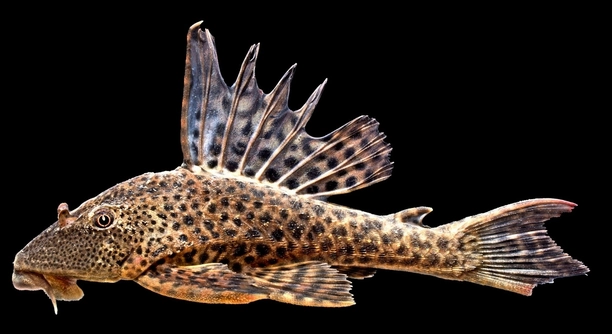
Plecos are fascinating fish that thrive in well-maintained environments. If you’re looking to enhance their well-being, a few upgrades can go a long way. These simple changes will help your plecos stay healthy and happier.
To improve your plecos’ environment, focus on water quality, proper diet, suitable tank mates, hiding spots, and tank decorations. Regular maintenance, such as water changes, and adding plants or driftwood can also support their overall health and happiness.
Small improvements to your plecos’ habitat can have a noticeable impact on their behavior and well-being.
Improve Water Quality
The quality of water in your pleco’s tank is one of the most crucial factors for their health. Plecos are sensitive to fluctuations in water parameters such as temperature, pH, and hardness. Regular water changes are essential to remove toxins and maintain proper levels of essential minerals. Using a good filtration system ensures that debris and waste are consistently removed from the water, preventing contamination. Additionally, testing the water regularly for ammonia, nitrate, and nitrite levels will help you spot problems early. Proper water conditions encourage a pleco’s natural behavior and keep them from becoming stressed or ill.
While plecos are resilient, water conditions should always be monitored. This simple action can prevent a variety of health issues and improve their overall quality of life.
Regular water maintenance is key to a happy, healthy pleco. Clean water supports their digestive system and overall well-being, ensuring they thrive in their home.
Provide Hiding Spots
Plecos appreciate having places to hide and feel secure in their environment. Adding caves, driftwood, or plants to their tank offers them privacy, reducing stress. They will spend a lot of time near or inside these hiding spots, which is completely natural.
In the wild, plecos often hide in crevices or beneath logs. Recreating these spaces in your aquarium mimics their natural habitat, encouraging them to explore and feel safe. Using a variety of materials, such as rocks, clay pots, or aquarium-safe wood, can provide multiple options for your plecos to choose from. This will also help maintain their health, as stress can weaken their immune system.
Plecos are nocturnal creatures, and they may prefer hiding during the day. By offering hiding spaces, you create a more comfortable environment that encourages them to stay active and healthy.
Provide Proper Diet
Feeding your pleco a balanced diet is crucial for their well-being. They are mostly herbivores, but they do enjoy the occasional meaty treat. Provide them with algae wafers, blanched vegetables, and occasional protein sources like bloodworms. Overfeeding can lead to obesity and water quality issues, so ensure you’re offering the right portion.
A varied diet will keep your pleco healthy and happy. Different foods, such as zucchini, spinach, and cucumber, provide essential nutrients that support their digestion and energy levels. It’s also a good idea to rotate the foods to prevent them from getting bored or lacking nutrients. Keep in mind that plecos need food that’s specifically designed for their dietary needs.
Feeding your pleco properly will not only help them grow and thrive but also encourage more natural behavior. Ensuring a balanced diet contributes to better coloration, stronger immune systems, and active swimming. Keep in mind that feeding habits and the right portion size will directly impact their overall health.
Tank Mates Matter
Choosing the right tank mates for your pleco is essential to their comfort. While plecos are generally peaceful, they do need space to roam. Avoid keeping them with overly aggressive or territorial fish that could stress them out. Opt for peaceful, non-competitive species.
When selecting tank mates, consider fish that have similar care needs. Avoid overly large fish that may intimidate the pleco, and opt for species that won’t compete for food or hide in the same spaces. It’s best to keep species that won’t overshadow the pleco or make them feel threatened. You should also consider fish that prefer the lower levels of the tank, where plecos spend most of their time.
A harmonious environment is key to your pleco’s happiness. Well-chosen tank mates ensure that your pleco remains stress-free, which can significantly improve their quality of life. Healthy relationships with other fish can prevent anxiety and help your pleco thrive.
Tank Decorations
Decorating your pleco’s tank doesn’t just make it look nice; it also creates a more comfortable environment for them. Use rocks, driftwood, and plants to mimic their natural habitat. These decorations provide hiding spots and contribute to water quality by promoting beneficial bacteria growth.
Plecos are bottom dwellers and appreciate places to explore. Driftwood is especially important, as it provides not only hiding spots but also a source of food. Adding live plants or hardy plastic plants can enhance their environment and offer additional benefits like improved water oxygenation. Just be sure not to overcrowd the tank.
Tank Size Matters
Choosing the right tank size is essential for your pleco’s well-being. A pleco needs space to swim and thrive. For a single pleco, a minimum tank size of 75 gallons is recommended. A larger tank helps maintain stable water conditions, which plecos need to stay healthy.
Plecos can grow quite large, depending on the species. A tank that’s too small will quickly become overcrowded, leading to stress and poor water quality. Larger tanks not only give them room to move but also provide a more stable environment for the fish and any other tank mates.
Temperature Control
Maintaining the correct water temperature is vital for your pleco’s health. Plecos thrive in warm water, ideally between 74-80°F (23-27°C). Fluctuating temperatures can cause stress and impact their immune system. A reliable heater is essential for maintaining consistent water conditions.
A stable temperature supports their metabolic processes and digestion. Sudden temperature changes can make your pleco more vulnerable to illnesses. Regularly check the tank temperature with a thermometer to ensure it stays within the appropriate range. Proper heating also helps maintain water chemistry, which is crucial for their overall health.
FAQ
What is the ideal tank size for a pleco?
The ideal tank size for a pleco depends on the species, but a minimum of 75 gallons is recommended for a single pleco. Larger species, such as the common pleco, can grow up to 24 inches long, requiring even more space. Providing a larger tank helps maintain better water quality and offers more room for the pleco to swim. For smaller plecos like the Bristlenose, a 30-gallon tank may suffice, but more space is always beneficial for their health and comfort.
How often should I change the water in a pleco tank?
Water changes should be done every one to two weeks, depending on the tank size and filtration system. Regular water changes are essential to remove waste, toxins, and excess nutrients, which could affect the pleco’s health. Performing a 20-30% water change ensures that your pleco remains in a clean, stable environment. Testing the water regularly for ammonia, nitrates, and nitrites will help you understand how often changes are needed.
What should I feed my pleco?
Plecos are primarily herbivores, so their diet should consist mainly of algae wafers, blanched vegetables, and occasional plant matter. Some species may also eat small amounts of protein, such as bloodworms or shrimp. Zucchini, cucumber, spinach, and peas are great vegetables for plecos. Ensure the food is properly sized and sinkable to match their feeding habits. Overfeeding can lead to poor water quality, so only provide as much food as they can consume in a few hours.
Can plecos live with other fish?
Yes, plecos can live with other fish, but choosing compatible tank mates is crucial. They are generally peaceful and prefer to avoid conflict. However, they can be territorial, especially in smaller tanks. It’s important to avoid aggressive or overly large fish that might stress them. Fish that prefer the lower levels of the tank, like tetras or guppies, make good companions. Always research the compatibility of fish species before introducing them to the same tank.
Do plecos need a filter?
Yes, plecos do need a filter to keep the tank clean. They produce a significant amount of waste, which can quickly pollute the water. A filter helps maintain water quality by removing debris and toxins. A good filtration system also promotes oxygenation and ensures proper circulation in the tank. Choose a filter that is rated for the size of your tank to ensure effective water movement and filtration.
What is the best temperature for a pleco tank?
Plecos prefer warm water, typically between 74-80°F (23-27°C). Maintaining a stable temperature within this range is essential for their health. Fluctuations in temperature can lead to stress and weakened immunity. A reliable aquarium heater is important for maintaining the temperature, especially in colder climates or during cooler months. Check the temperature regularly with a thermometer to ensure it stays within the optimal range.
How can I make my pleco more active?
Plecos are nocturnal creatures, so they are typically more active at night. To encourage activity during the day, provide plenty of hiding spots, such as caves or driftwood. Adding live plants or decorations can make the tank more interesting, allowing your pleco to explore. Keep the water quality high and maintain proper feeding routines. Ensuring that your pleco’s environment mimics its natural habitat will help keep it active and engaged.
How long do plecos live?
Plecos can live for many years, with an average lifespan of 10-15 years, depending on their species and care. Proper tank maintenance, a healthy diet, and stable water conditions can help ensure a long, healthy life. Larger species like the common pleco may live slightly shorter lives, while smaller species like the Bristlenose pleco tend to live longer when properly cared for.
Why is my pleco hiding all the time?
It’s normal for plecos to hide, especially during the day, as they are nocturnal. However, if your pleco is constantly hiding or seems lethargic, it may be stressed, unwell, or unhappy with its environment. Check the water quality, temperature, and the compatibility of tank mates. Providing more hiding spots, such as caves or plants, can help them feel secure. If hiding persists, monitor their behavior closely and consult an aquarium professional if necessary.
Do plecos need a lot of care?
While plecos are relatively low-maintenance compared to other fish, they still require regular attention. Maintaining water quality, providing a proper diet, and ensuring adequate tank size are key to their health. Regular water changes, monitoring tank temperature, and cleaning the substrate are necessary. Though they do not require constant interaction, plecos thrive in well-maintained, stable environments.
Can plecos live in a tank without live plants?
Yes, plecos can live in a tank without live plants, but they will benefit from having some form of vegetation. Live plants help maintain water quality and provide natural hiding spots. They also offer plecos a place to graze, which is important for their diet. However, if you choose not to include live plants, you should offer other types of decorations, such as driftwood and rocks, to mimic their natural habitat.
How do I prevent algae overgrowth in my pleco tank?
Algae overgrowth can occur in tanks with high light levels or excess nutrients. To prevent algae blooms, avoid leaving lights on for too long, as plecos typically do not need intense lighting. Perform regular water changes to remove excess nutrients and organic waste. If you have an algae problem, consider adding algae-eating companions like snails or shrimp to help control growth. A good filtration system will also help reduce excess nutrients that contribute to algae.
Why is my pleco not eating?
If your pleco is not eating, check the water quality, temperature, and tank conditions. Stress, poor water quality, and incompatible tank mates can cause a pleco to stop eating. Ensure your pleco’s food is fresh and suitable for its diet. If the problem persists, consult an aquarium professional to rule out health issues.
Final Thoughts
Plecos can be rewarding and fascinating fish to keep, as long as their specific care needs are met. They thrive in larger tanks with proper water conditions and sufficient hiding spaces. Ensuring that your pleco’s environment mimics its natural habitat as closely as possible is essential for its health and happiness. Providing them with a varied diet of algae wafers, vegetables, and occasional protein will keep them healthy. Regular water changes, proper filtration, and temperature management are all critical aspects of maintaining a stable, thriving tank for your pleco.
It’s important to remember that while plecos are relatively low-maintenance, they still require a good amount of attention. Ensuring that your pleco has enough space to swim and explore is essential. The larger the tank, the more stable the water quality will be, which is beneficial for both the pleco and any other fish you may have. With the right setup, plecos can live for many years and bring a unique charm to your aquarium. However, they do need proper care, and neglecting their needs can result in health issues that are difficult to reverse.
By paying attention to water quality, temperature, tank size, and feeding habits, you can help ensure your pleco’s long-term well-being. Regular monitoring of these factors, along with appropriate tank mates, will create a peaceful and thriving environment for your pleco. They may not be as interactive as other fish, but their presence can still be enjoyable and rewarding. With proper care, your pleco will not only survive but thrive, adding beauty and life to your tank for many years to come.

Hello,
If you enjoy the content that we create, please consider saying a "Thank You!" by leaving a tip.
Every little bit helps us continue crafting quality advice that supports the health, happiness, and well-being of pets around the world, for pets of all shapes, sizes, and species.
We really appreciate the kindness and support that you show us!