
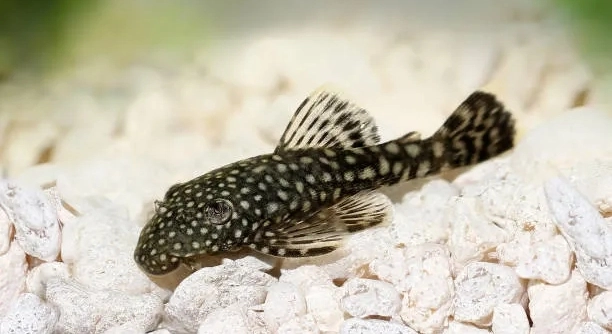
Keeping a pleco without plants in the tank may seem like a simple choice, but it raises concerns regarding their health and overall environment. While plecos are hardy, their well-being depends on various factors.
While it is possible to keep a pleco without plants, it is not ideal. Plants provide essential hiding spots, help maintain water quality, and contribute to the overall health of the tank. Without them, plecos may face stress or health issues.
Ensuring the right environment for your pleco goes beyond the basics of feeding. The balance of the tank will play a significant role in its happiness.
The Role of Plants in a Pleco Tank
Plants provide more than just aesthetic value in a pleco tank. They play a vital role in maintaining the overall health of the aquarium. In their natural habitats, plecos are accustomed to areas with plenty of plant life. Plants offer cover and hiding spaces, which are essential for reducing stress in plecos. They help create a more natural environment where plecos feel safe. Additionally, plants contribute to the overall water quality by absorbing excess nutrients. This prevents algae growth and helps maintain a balanced ecosystem in the tank. Without plants, water quality can deteriorate quickly, leading to potential health issues for your pleco. While plecos are resilient, they do best in an environment that mimics their natural habitat, where they can forage, hide, and explore.
Without the benefits of plants, plecos may become stressed, which could lead to weakened immune systems and other health problems. It’s important to consider adding at least a few plants to the tank to support your pleco’s well-being.
Adding live plants to your pleco tank can also contribute to the filtration process. Live plants naturally remove harmful substances like nitrates and phosphates, creating a cleaner environment. This means you won’t need to rely as heavily on artificial filtration systems, reducing maintenance time and costs. Plants also offer oxygen to the water, which is crucial for the pleco’s survival. In an unplanted tank, plecos may struggle with poor oxygen levels, affecting their overall health. Additionally, plecos enjoy nibbling on plant matter, which can provide them with necessary enrichment. However, it’s important to choose plants that can tolerate the pleco’s behavior and environment. Hardier species, like anubias and java fern, are well-suited for plecos as they can survive their nibbling without being completely destroyed.
Alternatives to Live Plants
If you are set on keeping a pleco without plants, consider other ways to improve the tank environment.
Plastic or silk plants can offer some of the same benefits as live plants. These alternatives provide hiding spots and decorations that plecos can use. However, they don’t contribute to water quality or offer the same natural benefits as live plants.
Tank Size and Pleco Health
A pleco’s tank size is crucial to their well-being. The larger the tank, the better the pleco will thrive.
Plecos grow to be quite large, sometimes reaching over a foot in length, depending on the species. A small tank can stress them out, leading to health problems. A tank of at least 75 gallons is recommended for most adult plecos. Without enough space, they can feel trapped, affecting their ability to roam and explore. Smaller tanks also require more frequent water changes to maintain water quality. When confined to a small space, plecos may become more susceptible to diseases, especially if the water conditions aren’t ideal.
The tank size also impacts the pleco’s behavior. In a larger tank, they can establish territories and have more room to exhibit natural behaviors. A cramped environment can lead to aggression or signs of stress, which may result in health complications. Providing a spacious tank for your pleco ensures they remain active and healthy.
Filtration and Water Quality
Proper filtration is vital to keep the water in a pleco tank clean and healthy.
Plecos produce a significant amount of waste, which can quickly deteriorate water quality. A good filtration system helps remove toxins, ensuring the water stays clear and safe for your pleco. Canister filters or sponge filters work best for larger tanks, as they provide both mechanical and biological filtration. A good filtration system ensures that ammonia, nitrites, and nitrates are kept in check, reducing the risk of stress and disease. Without proper filtration, harmful chemicals can build up, leading to poor water quality and illness. Monitoring water parameters regularly is just as important as having a reliable filter system.
Pleco Diet Without Plants
Feeding your pleco the right food is essential for its health when plants aren’t included in the tank.
Without plants, you’ll need to provide plecos with alternative sources of nutrition. They typically enjoy algae wafers, which serve as a substitute for the natural algae they’d consume in their habitat. In addition, feeding them a variety of fresh vegetables such as zucchini, cucumbers, or spinach is a good idea. This ensures they get the necessary nutrients to stay healthy. Plecos are also known to nibble on driftwood, which helps them maintain proper digestion and provides them with fiber.
While algae wafers can provide the necessary nutrients, it’s important not to overfeed your pleco, as excess food can lead to poor water quality. Regularly remove uneaten food from the tank to prevent it from decomposing and contaminating the water.
Plecos and Tank Mates
Plecos generally get along with most fish, but choosing the right tank mates is important.
Some species of plecos can become territorial or aggressive if the tank is too small or they feel threatened. It’s best to avoid keeping plecos with overly aggressive fish or species that may outcompete them for food. Peaceful community fish such as tetras, guppies, or mollies are good companions. However, avoid smaller fish that might fit in the pleco’s mouth, as they could become prey.
When selecting tank mates, consider the size and temperament of the fish. Plecos thrive in peaceful environments with ample space, so make sure the tank is well-stocked but not overcrowded.
FAQ
Can I keep a pleco without live plants in the tank?
Yes, it’s possible to keep a pleco without live plants, but it’s not ideal. While plecos can adapt to a plant-free environment, plants provide many benefits, such as improving water quality and offering hiding spots. Without plants, you’ll need to focus more on other ways to keep the water clean and stress levels low.
What do plecos eat if there are no plants in the tank?
Plecos are omnivores, and without plants, they rely on other food sources. Algae wafers are a popular option, as they mimic the algae they’d naturally graze on. You can also feed them fresh vegetables like zucchini, spinach, and cucumbers. Additionally, driftwood is important for their diet since it aids in digestion.
How can I ensure the water quality is good without plants?
Without plants to help with filtration, it’s essential to have a good filtration system in place. Canister filters or sponge filters are great options for larger tanks, as they help keep the water clean. Regular water changes and monitoring water parameters like ammonia, nitrate, and pH are key to maintaining a healthy tank environment.
Can plecos live in smaller tanks?
Plecos need space to thrive. While smaller tanks are technically possible, they can stress your pleco and lead to health issues. A tank of at least 75 gallons is recommended for most plecos, especially when they reach adulthood. The bigger the tank, the more room they have to explore and establish their territory.
Do plecos need to be kept alone?
No, plecos don’t need to be kept alone. They generally get along with peaceful community fish. However, they may become territorial with other bottom-dwelling fish, so it’s important to choose compatible tank mates. Fish like tetras, mollies, or guppies are often safe companions.
Are plecos nocturnal?
Yes, plecos are primarily nocturnal creatures. They are most active during the night, where they forage for food and explore the tank. If you’re trying to observe your pleco more closely, consider dimming the lights or providing a red light that doesn’t disturb them.
Do plecos need a heater in the tank?
Most pleco species thrive in water temperatures between 75 and 80 degrees Fahrenheit. A heater can help maintain a consistent temperature, especially if you live in a cooler climate. However, it’s essential to ensure that the heater doesn’t overheat the water, which could stress your pleco.
How big do plecos get?
Plecos vary in size depending on the species. The most common species, like the common pleco, can grow up to 12-15 inches long. Some types of plecos, such as the bristlenose pleco, stay smaller, reaching around 4-6 inches. It’s crucial to provide a tank large enough for them to grow comfortably.
Can plecos live with other bottom-dwelling fish?
Plecos can live with other bottom-dwelling fish as long as the tank is large enough to accommodate them. However, they may become territorial, especially in smaller tanks. Ensure there are enough hiding spots and plenty of space to reduce the chance of aggression.
How often should I feed my pleco?
Plecos should be fed every other day or once a day, depending on their size and activity level. Overfeeding can lead to poor water quality, so it’s important to avoid excess food. Make sure to remove uneaten food within a few hours to prevent it from decaying in the tank.
Are plecos hard to care for?
Plecos are relatively easy to care for, as long as their tank environment is properly set up. The most important factors include water quality, appropriate tank size, and proper diet. While they’re hardy fish, they still require attention to maintain their health, especially in a tank without plants.
How long do plecos live?
With proper care, plecos can live for 10-15 years, depending on the species. Larger species tend to live longer, while smaller plecos may have a shorter lifespan. Ensuring their tank is the right size, with good water quality and appropriate food, can help extend their lifespan.
Do plecos eat algae in the tank?
Yes, plecos are known for eating algae, which is why they are often called algae eaters. They graze on algae that grow on surfaces like rocks, decorations, and the sides of the tank. However, their diet shouldn’t rely solely on algae, and they should be given additional food sources.
What type of tank decorations are best for plecos?
Plecos appreciate tank decorations that mimic their natural environment. Driftwood is essential, as it helps with digestion and provides a place for them to hide. Smooth rocks, caves, and other hiding spots are also beneficial. Avoid sharp decorations that could harm their delicate skin.
Can I use plastic plants in a pleco tank?
Yes, you can use plastic or silk plants in a pleco tank if you don’t want to use live plants. While they don’t offer the same benefits as live plants, they still provide hiding spots and add visual appeal to the tank. Make sure the plants are smooth to avoid damaging the pleco’s fins.
Do plecos need light in the tank?
Plecos do not require light to survive, as they are nocturnal and prefer dimmer conditions. However, providing a light cycle is still important for maintaining a natural environment for other fish in the tank. A timer can help regulate the light and dark cycles, mimicking day and night.
How can I tell if my pleco is stressed?
Signs of stress in plecos include hiding more than usual, reduced appetite, and unusual swimming behavior. If your pleco is scraping against surfaces or showing signs of disease, such as faded colors or lethargy, these could also be signs of stress or poor water quality.
Why is my pleco swimming at the surface?
If your pleco is swimming at the surface, it could be a sign of poor water quality, oxygen deficiency, or an underlying health issue. Ensure your filtration system is working well, and check the water parameters. If the problem persists, it’s best to consult an aquarium professional for guidance.
Final Thoughts
Keeping a pleco without plants in the tank is entirely possible, but it does require some attention to detail. Plecos are hardy fish, but they still need a well-maintained environment to thrive. While plants offer benefits such as improving water quality and providing hiding spots, they are not essential for a pleco’s survival. It’s important to focus on other aspects, such as water filtration, a proper diet, and tank size. With these factors in mind, a pleco can live comfortably in a plant-free tank.
Feeding your pleco a balanced diet is crucial for its well-being. Without plants, you will need to provide algae wafers and fresh vegetables to replicate the nutrients they would typically get from their natural habitat. Driftwood also plays an important role, offering fiber to aid in digestion. Overfeeding should be avoided, as it can lead to water quality issues. Regular water changes are necessary to keep the tank clean and prevent excess nutrients from causing problems. By staying on top of feeding and water care, you’ll help ensure that your pleco stays healthy.
Finally, consider your pleco’s tank mates and overall environment. Plecos are peaceful creatures that can coexist with many other fish, but it’s essential to choose compatible species. Offering enough hiding spaces and ensuring the tank isn’t overcrowded can reduce stress for your pleco. Keep in mind the need for a large enough tank to accommodate their growth. While plecos don’t need live plants, providing a comfortable, stable environment will ensure they remain active and healthy for years. By paying attention to these key aspects, you can successfully keep a pleco without live plants.

Hello,
If you enjoy the content that we create, please consider saying a "Thank You!" by leaving a tip.
Every little bit helps us continue crafting quality advice that supports the health, happiness, and well-being of pets around the world, for pets of all shapes, sizes, and species.
We really appreciate the kindness and support that you show us!