
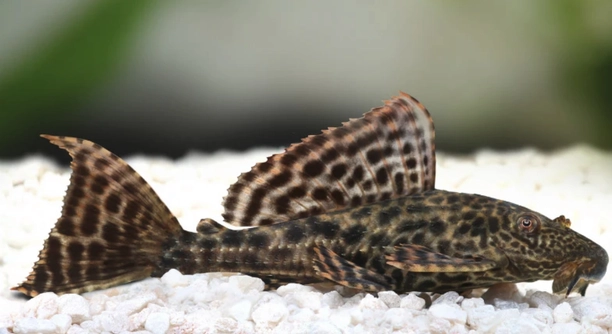
Plecos are popular aquarium fish, known for their algae-eating habits. Many owners rely on algae wafers to keep their plecos healthy. However, it’s natural to wonder if these fish can survive without them.
Plecos can survive without algae wafers, but their diet will need to be supplemented with other sources of nutrients. While algae wafers provide convenience, plecos can also feed on natural algae and other foods like vegetables or shrimp pellets.
Understanding what plecos need to stay healthy is important. In this article, we will explore what alternatives can be offered to your pleco to ensure they thrive in your tank.
Can Plecos Live Without Algae Wafers?
Plecos are often seen as simple to care for because they naturally consume algae and other materials in the tank. However, when it comes to feeding them specifically, algae wafers are the go-to food for many aquarists. Algae wafers are designed to meet the pleco’s nutritional needs, offering essential vitamins and minerals. But can they survive without them? The answer is yes, they can. While algae wafers are a convenient way to feed your pleco, they are not the only option available. You can provide them with a varied diet that includes fresh vegetables, algae from the tank, and other suitable foods.
Algae wafers are not essential for plecos to survive. With the right variety of foods like vegetables, algae, and other fish pellets, plecos can thrive without them. However, algae wafers can still play a helpful role in maintaining their diet.
Plecos are bottom feeders, and in nature, they eat algae and other organic matter. In your tank, they may graze on algae growing on surfaces. This is a good source of food, but it may not be enough to meet all their nutritional needs.
To keep a pleco healthy without algae wafers, offer them a variety of foods. Consider vegetables like zucchini, cucumber, and sweet potato. These can be easily blanched and added to the tank for your pleco to nibble on. You can also offer sinking pellets made for bottom feeders. These foods are packed with essential nutrients, including protein and fiber, and they help maintain a balanced diet. Variety is key to providing a healthy alternative to algae wafers.
How to Supplement a Pleco’s Diet Without Algae Wafers
Feeding your pleco doesn’t have to be complicated. A few simple steps can help you ensure they’re getting the right nutrients. By adding fresh vegetables or fish food alternatives, you can provide everything they need to stay healthy.
Plecos need a balanced diet for optimal health, especially if you are removing algae wafers from their routine. Fresh vegetables like lettuce, spinach, or even carrots can serve as excellent substitutes. These should be offered in moderation and should always be properly prepared. It’s also essential to monitor their eating habits to ensure they are getting enough food. Keep in mind that plecos are naturally slow eaters, so it might take them time to finish everything. Overfeeding can lead to water quality issues, so always remove any uneaten food after a few hours.
Another great option is providing sinking pellets designed for herbivorous fish. These are packed with the nutrients plecos need, such as spirulina and other algae-based ingredients. You can also give them protein-rich foods like frozen or live bloodworms to balance their diet. Be sure to add these foods sparingly to prevent overfeeding and maintain good water quality in the tank.
Common Foods to Feed Your Pleco
Vegetables are an excellent substitute for algae wafers. Plecos enjoy soft veggies like zucchini, cucumber, and squash. You can also try spinach, lettuce, and kale. These vegetables provide important nutrients and are easy to prepare.
Start by blanching vegetables, which softens them and makes them easier for your pleco to eat. Simply drop the vegetables into boiling water for a minute, then cool them down with cold water. Once cooled, you can place them in the tank for your pleco. Zucchini and cucumber are favorites, but any leafy green works well, too.
Additionally, some aquarists feed plecos frozen foods, such as bloodworms or brine shrimp. These are high in protein and can be a good supplement to their diet. However, these should be offered sparingly, as too much protein can upset your pleco’s digestive balance. Always remember to remove any uneaten food to maintain water quality.
Maintaining Water Quality Without Overfeeding
It’s crucial to monitor how much food your pleco is eating. Overfeeding can lead to uneaten food that decomposes and negatively impacts the water quality. This can cause harmful ammonia levels, which can stress or even kill your fish.
To prevent this, only offer small amounts of food at a time. Observe your pleco’s eating habits, and remove any leftovers within a few hours. You may need to adjust feeding amounts depending on the size of your pleco and how fast they eat. Regular water changes are essential to help keep the tank clean, especially if you’re feeding fresh vegetables or protein-based foods. Additionally, adding a good filtration system can help with water maintenance. This is key to keeping your pleco healthy and ensuring they thrive in the long term.
Alternatives to Algae Wafers
If you want to provide variety, there are other foods that can replace algae wafers. Sinking pellets, made specifically for herbivores, can provide the necessary nutrients. They are designed to sink to the bottom of the tank, making them accessible to plecos.
You can also offer algae tablets or dried seaweed. These options mimic the natural algae that plecos would eat in the wild. These foods contain many of the same nutrients found in algae wafers, so they’re a good substitute. Just be sure to monitor how much food is left in the tank to avoid overfeeding.
How to Ensure Proper Nutritional Balance
A balanced diet for a pleco is important for maintaining health. It’s not just about feeding them enough but ensuring they get the right mix of nutrients. A varied diet is key, with a combination of vegetables, algae, and high-quality sinking pellets.
Make sure to offer different types of vegetables, such as blanched zucchini, cucumber, and spinach, as well as algae-based foods. You can also supplement their diet with protein-rich foods like brine shrimp or bloodworms. This helps keep them well-fed and healthy, mimicking a natural diet. Consistency and variety are important when feeding your pleco.
How Often Should You Feed Your Pleco?
Feeding frequency depends on the size and age of your pleco. Younger plecos need to eat more often, so it’s better to feed them small amounts twice a day. Adult plecos, however, can be fed once a day or every other day.
It’s important not to overfeed them, as plecos have slow metabolisms. Offering small portions will ensure that they can consume everything in one sitting, reducing the risk of food buildup in the tank. Keep track of their eating habits, and adjust the feeding schedule based on their needs and behavior.
FAQ
Can I feed my pleco only vegetables?
Yes, you can feed your pleco only vegetables, but it’s important to offer a variety of different types. While vegetables like zucchini, cucumber, and spinach are great, they don’t provide all the nutrients a pleco needs. A varied diet that includes algae-based foods, sinking pellets, and occasional protein will ensure a balanced nutrition profile.
How do I prepare vegetables for my pleco?
To prepare vegetables for your pleco, you should blanch them first. Blanching softens the vegetables, making them easier for the pleco to eat. Simply drop the vegetables into boiling water for about a minute, then immediately cool them in cold water. Once cooled, they are ready to be placed in the tank. You can also leave the vegetable slices in the tank overnight if your pleco is a slower eater.
What kind of algae can plecos eat?
Plecos will naturally eat algae that grows in the tank, such as on rocks, glass, or decorations. They enjoy different types of algae, including green and brown algae. In addition to natural algae, you can supplement their diet with algae-based foods like algae tablets, spirulina, or dried seaweed. These foods are rich in essential nutrients that plecos need for health.
Can I feed my pleco meat?
While plecos are primarily herbivores, they do occasionally eat protein, especially in the wild. You can supplement their diet with small amounts of protein-rich food like bloodworms, brine shrimp, or daphnia. However, protein should only be offered in moderation, as too much can upset their digestive system. Make sure to balance their diet with more vegetables and algae to prevent overfeeding protein.
How often should I feed my pleco?
The feeding schedule for your pleco depends on its size and age. Younger plecos are more active and will require food more often. You can feed them small portions twice a day. Adult plecos, on the other hand, can be fed once a day or every other day. The key is not to overfeed them, as plecos have slow metabolisms and can suffer from health problems if they eat too much.
Why isn’t my pleco eating the food I give it?
If your pleco isn’t eating, there could be a few reasons. First, make sure the food is appropriate for your pleco’s diet. Plecos might not eat food that isn’t to their liking, such as certain types of pellets or hard vegetables. Check to see if the food is sinking, as plecos prefer bottom-feeding foods. Also, the environment could be affecting their appetite—stress, poor water quality, or changes in tank temperature may cause them to stop eating. Monitor your pleco’s behavior and tank conditions to identify the issue.
How can I tell if my pleco is getting enough to eat?
You can tell if your pleco is getting enough food by observing its body condition and behavior. If your pleco is healthy, it should have a rounded belly and be active during feeding times. If it’s not eating enough, it may appear thin or lethargic. Keep an eye on your pleco’s weight and energy levels. If you notice it isn’t eating, adjust the food type or frequency to meet its needs.
Should I remove leftover food from the tank?
Yes, it’s important to remove any leftover food from the tank. Uneaten food can break down and affect the water quality, which can lead to dangerous ammonia levels. After about an hour or two, remove any remaining food, especially if it’s from fresh vegetables or frozen items. Keeping the tank clean will help maintain good water quality and promote a healthy environment for your pleco.
Can plecos eat algae wafers if they are old or soft?
Algae wafers should ideally be fed fresh, as their nutritional content can degrade over time. If an algae wafer is old or soft, it may have lost some of its vitamins and nutrients, making it less beneficial for your pleco. However, if your pleco seems to enjoy it, it’s still safe to offer. Just make sure to monitor its diet and provide other food options to ensure it’s getting a balanced mix of nutrients.
How can I keep my pleco’s tank clean if it isn’t eating algae wafers?
If your pleco is no longer eating algae wafers or the natural algae in your tank is scarce, you’ll need to maintain tank cleanliness by using a combination of manual cleaning and supplemental feeding. You can clean the tank regularly by scrubbing surfaces to remove algae buildup and using a gravel vacuum during water changes. Additionally, providing a variety of alternative foods, such as vegetables and algae tablets, can ensure your pleco stays well-fed.
Final Thoughts
Plecos are hardy fish that can thrive without algae wafers, as long as they receive a well-balanced diet. While algae wafers are convenient and nutritious, they are not the only option available to keep your pleco healthy. By offering a variety of fresh vegetables, algae-based foods, and sinking pellets, you can meet your pleco’s dietary needs. These alternatives provide the essential nutrients they need to maintain a healthy digestive system, strong immune function, and overall well-being. It’s important to remember that a varied diet, along with proper tank care, is key to ensuring your pleco stays healthy and happy.
If you decide to move away from using algae wafers, make sure you are still providing your pleco with the right nutrients. Vegetables like zucchini, cucumber, and spinach can serve as great substitutes, and algae-based foods like spirulina or algae tablets can provide important nutrients that plecos naturally consume in the wild. While plecos are primarily herbivores, you can offer them occasional protein-rich foods like bloodworms or brine shrimp, but be careful not to overdo it. Offering too much protein can upset their digestive system. Focus on maintaining a healthy mix of vegetables, algae, and other nutrient-rich options.
In conclusion, the most important factor in keeping a pleco healthy is offering a varied, balanced diet. While algae wafers are a convenient solution, they are not the only option available. With careful feeding, your pleco can thrive without them. Remember to monitor your pleco’s health, observe its eating habits, and adjust its diet as needed. By maintaining a clean tank, removing uneaten food, and offering a variety of foods, your pleco will live a long, healthy life in your aquarium.

Hello,
If you enjoy the content that we create, please consider saying a "Thank You!" by leaving a tip.
Every little bit helps us continue crafting quality advice that supports the health, happiness, and well-being of pets around the world, for pets of all shapes, sizes, and species.
We really appreciate the kindness and support that you show us!