
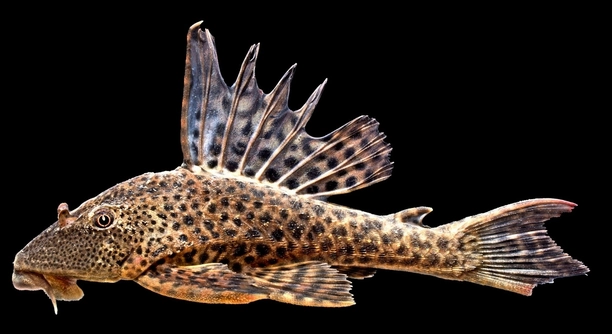
Do you ever find yourself noticing odd behavior in your plecostomus and wondering if it might be related to breeding? Changes in activity, location, and interactions can all be signs that something new is happening.
Plecostomus may lay eggs when specific behaviors emerge, including nesting in hidden areas, becoming more territorial, and showing increased activity near flat surfaces. These patterns often suggest reproductive readiness and can indicate the female is preparing to lay eggs.
Learning these signs can help you provide a safe and stress-free environment for your pleco during this special time.
Increased Time in One Spot
When your plecostomus is getting ready to lay eggs, you might notice it spending a lot of time in one specific spot. This is usually a quiet, hidden area like a cave or under driftwood. Female plecos will often search for a flat, safe surface to lay their eggs, and once they find a suitable place, they stay near it for long periods. They may even clean the spot beforehand by scraping away algae or debris. This behavior is common in many types of plecos and can last for several days. It’s one of the earliest and clearest signs that egg-laying could be happening soon. Watching this shift in behavior can help you prepare the tank and make sure the environment is calm and stable for your fish. Try not to move anything around during this time, as it may cause stress or interrupt their natural process.
This quiet, focused behavior usually means something important is about to happen.
After she picks a spot, your pleco might stay there most of the day. You’ll see less swimming around and more guarding of that area. If the area is well-hidden, you might only catch brief glimpses of her during feeding times. She could also be fanning the spot with her fins, which helps keep the chosen area clean and oxygenated. This is completely normal and shouldn’t be interrupted. If a male is present, he may take over some of the guarding behavior once the eggs are laid. It’s best not to interfere during this stage, as the fish are very focused and sensitive to their surroundings. Observing this behavior helps you understand that your pleco is likely preparing to breed, and it’s time to be extra gentle with any tank maintenance or changes.
Changes in Appetite
Your plecostomus may eat less than usual during this time.
A drop in appetite is fairly common when your pleco is preparing to lay eggs. This change happens because most of her energy is going toward reproduction, not feeding. You might notice your fish showing less interest in algae wafers or fresh vegetables she usually enjoys. This can be concerning at first, but if it lines up with other signs—like guarding a spot or acting more territorial—it’s probably part of the process. Don’t worry if she skips a meal or two. Just keep offering food like normal, and remove uneaten items to keep the water clean. Avoid adding extra treats or changing the diet suddenly, as that might cause stress. Once the eggs are laid and things settle down, her appetite will usually return to normal. Tracking feeding habits during this time can help you stay informed without having to disturb her or the nest area.
Territorial Behavior
Your pleco might suddenly become more aggressive with tank mates, especially near her chosen nesting area. She may chase others away or block access to specific spots. This shift usually means she’s protecting a space where she plans to lay eggs.
This kind of behavior can seem unusual if your pleco is usually calm. But when egg-laying is near, guarding behavior becomes a priority. She’s not being mean—she’s simply trying to create a safe space. You may see her flaring fins, pushing others back, or staying firmly planted in one area. This can lead to stress in other fish, so if the tank is crowded, consider adding dividers or creating extra hiding spaces. Giving her room to nest peacefully is the best way to avoid injuries or ongoing tension. Just remember this territorial mood usually passes once the eggs are laid and she no longer feels the need to guard.
In some cases, a male pleco might also become territorial around this time, especially if breeding has already started. The male often takes on the role of guarding the eggs once they’ve been laid. You might see him staying close to the eggs, fanning them with his fins to keep them oxygenated and clean. This can last several days or more. It’s important not to disrupt this behavior—try to avoid water changes or rearranging anything near the nest. Other fish should also be watched closely during this time, as they may get too curious. A peaceful tank means a better chance of the eggs surviving and hatching properly.
Increased Cleaning Behavior
Your pleco may start cleaning one area more than usual. This can look like rubbing or scraping her body against surfaces or hovering while using her fins to sweep debris away.
This cleaning behavior is usually focused on flat rocks, tank walls, or decorations that could serve as nesting spots. She’s trying to make a safe and clean surface for the eggs. It’s common to see her spending long periods preparing the same area, going back to it often. This doesn’t mean your tank is dirty—it’s just her instinct kicking in. Some plecos even push substrate away to clear the space. If you’re using decorations like caves or driftwood, those may become her favorite spots. Try not to interrupt her during this stage, and keep the tank environment calm. This kind of preparation is a strong sign that egg-laying is coming soon, so it’s best to just observe and support from a distance.
Male Guarding Behavior
If there’s a male pleco in the tank, he might start guarding a specific spot more closely. This usually means eggs have already been laid, and he’s keeping them safe from other fish or disturbances.
He may stay in the same spot for hours, fanning the area with his fins. This helps keep the eggs clean and oxygenated.
Visible Eggs
Sometimes, you can actually spot the eggs in the tank. They’re usually yellowish-orange, round, and grouped together in a small cluster. These are often found in hidden areas like caves, under decorations, or near the tank wall. If your pleco laid eggs, try not to disturb them. Moving tank decorations or performing heavy water changes could interrupt this delicate stage. The male usually guards the eggs until they hatch, which may take several days depending on the water temperature. During this time, it’s best to reduce any loud noises or sudden lighting changes around the tank. Keep everything calm and steady to support healthy development.
Decreased Activity
You may notice less movement from your pleco. She’ll likely stay close to the nesting spot and avoid swimming around the tank as much as usual.
FAQ
How long does it take for plecostomus eggs to hatch?
Plecostomus eggs usually hatch within 4 to 10 days. The exact time depends on water temperature, with warmer water (around 78–82°F) speeding up development. During this period, the male typically guards the eggs and fans them with his fins to keep them oxygenated and clean. Avoid disturbing the tank or moving decorations near the nesting site. Hatching time can vary slightly by species, but most follow a similar timeline. Once the fry hatch, they will remain near the nest for a few days and feed off the yolk sacs attached to their bodies before becoming more active.
What should I do if I find pleco eggs in the tank?
If you see pleco eggs, it’s best to leave them alone. The male usually takes care of guarding and cleaning them. Try to keep the tank environment stable—avoid big water changes, loud noises, or changing the lighting suddenly. If the eggs are in a community tank, you may need to separate aggressive fish or add a divider to protect the eggs and the male. If you’re raising the fry, you can also consider moving the eggs to a separate breeding tank, but only if you’re experienced and know how to provide the right conditions.
Can plecos lay eggs without a male in the tank?
A female pleco can go through nesting behaviors even if no male is present, but the eggs won’t be fertilized and won’t hatch. She may still guard the spot or show signs like reduced appetite, cleaning behavior, or territorial moods. If you notice eggs in a tank without a male, they may turn white or begin to decay after a few days. You can remove them if they begin to cloud the water or develop fungus, but there’s no rush if your tank conditions are clean and stable.
Should I feed my pleco while she’s guarding eggs?
Yes, continue feeding, but keep it simple and clean. Offer small amounts of algae wafers, blanched vegetables, or whatever her usual diet includes. Place the food away from the nesting site so she doesn’t feel disturbed. Don’t worry if she eats less than usual—it’s normal. Just remove uneaten food after a few hours to avoid dirtying the water. The male, if guarding the eggs, may not eat at all during this time, which is also normal. They often fast until the eggs hatch.
What do pleco fry eat after they hatch?
After hatching, pleco fry survive off their attached yolk sacs for a few days. Once they’ve absorbed that, they start eating soft foods. You can feed them powdered algae wafers, baby shrimp pellets, or specially made fry food. Crushed vegetables like zucchini or cucumber slices also work. Keep the food soft and small enough for them to nibble on. Be careful not to overfeed—small meals are better. Try placing the food near the area where the fry are hiding so they can find it easily.
How often do plecos lay eggs?
In the right conditions, plecos can breed every few months. Factors like clean water, stable temperature, and plenty of hiding places help encourage breeding. Some plecos, especially in species like bristlenose, may breed more often. Others may take longer between breeding cycles. After laying eggs and raising fry, it’s normal for both male and female to take some time before repeating the process. You don’t need to do much to make it happen again—just keep the environment stress-free and consistent.
Do all plecos show these signs before laying eggs?
Most do, but it can vary depending on the species. Common types like bristlenose plecos often follow the pattern of cleaning a spot, guarding it, showing territorial behavior, and reduced movement. Other pleco types might be more secretive or have different nesting habits. If your pleco seems off but not sick, and you’ve noticed signs like staying in one area or cleaning nonstop, there’s a good chance she’s preparing to lay eggs. Watching closely over time helps you understand what’s normal for your specific fish.
Final Thoughts
Watching your plecostomus go through the process of laying eggs can be interesting and rewarding. While the signs might seem small at first—like staying in one spot or cleaning a surface—they usually start to add up. Noticing these changes can help you better understand your fish’s behavior and what she needs during this time. It also gives you a chance to prepare the tank in small ways to make sure she feels safe and undisturbed. Staying patient and observant is important. Rushing to interfere or trying to move things around can lead to stress or even cause your pleco to stop the process.
Egg-laying isn’t something that happens all the time, so it’s natural to feel unsure about what to do. But the best thing you can do is keep the tank calm and stable. Let the plecos do what comes naturally, and just check in from time to time to make sure things look healthy. If a male is present, he will likely take over the guarding once the eggs are laid. You don’t need to change much about their care—just continue with regular feeding and avoid major changes to the tank. If you’re keeping other fish in the same tank, give your plecos some extra space so they don’t feel threatened or interrupted.
Whether or not the eggs hatch successfully, it’s helpful to see the process as a learning experience. Each sign teaches you something about your pleco and what she needs to thrive. Over time, you’ll get better at noticing what’s normal and what might be a sign that something new is happening. Even if the eggs don’t hatch this time, there’s always a chance they will in the future. Keep the water clean, reduce stress, and stay gentle with any changes. Your plecos will likely try again when the conditions feel right. Understanding their breeding behavior not only helps your fish—it can also make fishkeeping feel more connected and rewarding.

Hello,
If you enjoy the content that we create, please consider saying a "Thank You!" by leaving a tip.
Every little bit helps us continue crafting quality advice that supports the health, happiness, and well-being of pets around the world, for pets of all shapes, sizes, and species.
We really appreciate the kindness and support that you show us!