
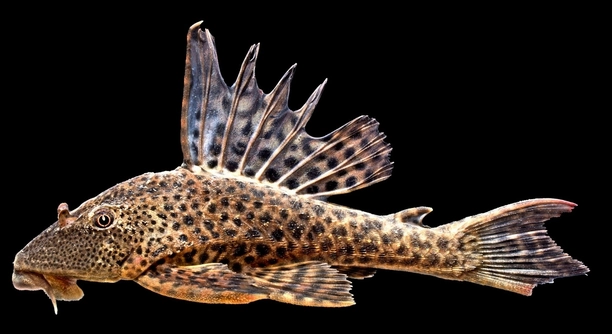
Plecos are popular fish in freshwater aquariums, known for their algae-eating habits and peaceful nature. They are often seen gliding along tank surfaces, creating a calming atmosphere. But do they have the ability to recognize each other?
Plecos are known to have limited social interactions, and while they do not form complex bonds like mammals, they may recognize other plecos based on visual and environmental cues. However, evidence of individual recognition remains inconclusive.
Their behavior can give us insight into how they interact with others of their kind. This article will explore the factors influencing pleco recognition and help you understand more about their social habits.
Plecos and Their Behavior Towards Each Other
Plecos are generally peaceful fish and tend to live solitary lives, especially when they feel they have enough space. They don’t actively seek social interaction, and their interactions with each other are often limited to territorial behavior or sharing the same feeding spots. Plecos may have some level of recognition, especially when it comes to territorial boundaries or finding mates, but they don’t seem to form lasting bonds. They do, however, show subtle signs of awareness of their surroundings, which could include recognizing the presence of other plecos based on size or behavior.
They might avoid one another, particularly if they’re competing for the same food or space. However, these interactions are often more about the fish protecting their personal territory rather than any form of social connection.
Since plecos don’t have complex social structures like some fish species, any recognition between them is more instinctive than emotional. Their focus is mostly on their environment, food sources, and maintaining their own space, which suggests their recognition may simply be a survival mechanism.
Environmental Factors and Recognition
The environment plays a large role in pleco behavior. If two plecos are placed in the same tank, they’ll likely establish territories. Plecos are known to be shy and prefer to hide, especially when they feel threatened by another pleco or a more dominant fish. It’s not uncommon for plecos to show signs of aggression, particularly if they’re placed in a confined space where their territories overlap. This aggressive behavior, though, usually does not indicate recognition on a personal level, but rather an instinct to protect their area.
Plecos rely more on their physical environment than on complex social relationships. If they share a tank, they will likely avoid unnecessary confrontation. They might swim past each other without any real interaction. Their body language, such as the way they retreat to their hiding spots or scrape at the glass, could be an indication of the boundaries they have set within the tank. These behavioral signals are likely based on the desire to avoid competition for resources rather than any deeper recognition.
However, subtle patterns in their behavior, such as avoiding certain areas where another pleco frequents, may hint at a level of awareness that goes beyond just territorial instincts. It is possible that plecos can sense and react to one another, but whether this indicates true recognition or simply a response to environmental cues remains a subject of further study.
How Plecos Navigate Their Tank
Plecos have good spatial awareness, helping them navigate through their environment. They rely on a combination of visual and tactile senses to find food, explore, and avoid danger. They use their barbels (whisker-like appendages) around their mouth to sense their surroundings. This helps them avoid obstacles and other fish.
Although plecos can detect the presence of other fish using their senses, they do not appear to engage in any complex interactions. Their primary concern is food and territory. For instance, they may swim past other plecos or hide when they feel threatened, indicating they are aware of others but don’t seek interaction.
They also have the ability to differentiate between familiar and unfamiliar spaces within the tank. If another pleco is in a particular area, they may avoid that space or choose another route. This behavior suggests that they have a level of recognition based on past experiences, though it’s more driven by instincts than emotional bonds.
Physical Traits That Affect Recognition
Plecos have excellent vision and can recognize large shapes in their environment, such as other plecos. Their eyes, however, are not specialized for recognizing small details, so their recognition may be limited to size and shape rather than individual features. This could explain why plecos sometimes avoid or interact with other fish based on physical size and territory.
Despite not having sharp social recognition, plecos might still notice slight differences between individuals. They may prefer larger or smaller spaces based on the other plecos around them. This could suggest a form of recognition based on environmental cues. For example, if one pleco has a distinctive body size or shape, it may take longer for another pleco to feel comfortable sharing the same space.
Given that plecos often rely on environmental factors rather than social cues, their physical recognition likely influences how they navigate their tank. Their behavior isn’t based on familiarity with the other pleco, but rather a reaction to the environment and territory setup.
Pleco Aggression and Territorial Behavior
Plecos can show aggression towards one another when they feel their space is threatened. This typically happens in smaller tanks where space is limited. They may become territorial, especially during feeding times or when one pleco tries to invade another’s space.
When plecos feel their territory is being encroached upon, they may display behaviors like chasing, posturing, or even biting. These acts are mostly defensive rather than offensive. It’s their way of maintaining control over their environment. In larger tanks with plenty of space, these behaviors are less common, and plecos tend to coexist peacefully.
Tank Size and Pleco Behavior
Tank size plays a huge role in how plecos interact with each other. In larger tanks, plecos have enough space to establish personal territories without coming into conflict. When tank space is limited, plecos may become more aggressive, especially if they are competing for hiding spots or food.
A spacious tank allows plecos to move freely, reducing the need for territorial disputes. In such environments, plecos might still recognize each other but will generally keep to themselves. Larger tanks also promote a more natural environment for plecos, where they are less likely to feel stressed by the presence of other fish.
Plecos and Mating Behavior
Plecos engage in specific mating behaviors, and during breeding, their interactions become more prominent. Mating usually happens when conditions are right, such as during a water change or when the temperature drops. Plecos may show heightened aggression as part of their courtship rituals, especially when competing for a mate.
Once a pair has mated, the male typically guards the eggs, and both plecos remain more focused on their reproductive roles than on any social recognition. Plecos may still recognize each other during mating seasons, but these interactions are largely driven by reproduction rather than social bonds or territorial awareness.
FAQ
Can plecos live with other fish?
Yes, plecos can live with other fish, as long as the tank is large enough and has plenty of hiding spaces. They are generally peaceful, but they do not enjoy being crowded. Avoid keeping them with overly aggressive or territorial species. Plecos get along well with other calm fish that won’t compete for the same space or food.
Do plecos need to be kept in groups?
No, plecos do not need to be kept in groups. They are solitary creatures by nature and prefer to have their own space. Keeping multiple plecos together can lead to territorial disputes, especially if the tank is too small. However, some species of plecos may tolerate each other in larger tanks with plenty of space.
How do plecos recognize other plecos?
Plecos don’t recognize each other in the way mammals or birds might. Their recognition is more based on physical cues and environmental factors. For instance, they may avoid certain areas in the tank if another pleco is present. This behavior likely reflects territorial awareness rather than personal recognition.
Why do plecos sometimes fight?
Plecos may fight due to competition for food, territory, or hiding spots. This is especially common when they are kept in cramped conditions. Fights often involve posturing or chasing, but they are rarely dangerous. The best way to prevent fights is by ensuring enough space and resources for each pleco in the tank.
Do plecos interact with each other outside of mating?
Aside from mating, plecos typically don’t interact with each other in a meaningful way. They are more concerned with their environment, food sources, and hiding spaces. Any interactions between plecos outside of mating are usually limited to avoidance or minor territorial disputes. They tend to remain isolated unless necessary.
Are plecos active during the day or night?
Plecos are primarily nocturnal. They are more active at night, feeding and exploring when the lights are off. During the day, plecos tend to hide in caves or against tank decorations, staying out of sight. This nocturnal behavior helps them avoid predators in the wild, as they are bottom feeders.
Can plecos be aggressive towards other species?
Plecos are generally peaceful but can display aggression if they feel their territory is threatened. They may become territorial if other fish invade their personal space, especially when competing for food or hiding spots. However, this behavior is usually minimal and doesn’t extend to other species unless they are directly competing with them.
What are the signs of stress in plecos?
Signs of stress in plecos can include hiding excessively, a loss of appetite, rapid gill movement, or abnormal swimming patterns. They may also scrape their bodies against tank surfaces. Stress can be caused by poor water quality, overcrowding, or incompatible tankmates. It’s important to address the root cause of stress to ensure their well-being.
Can plecos be kept with other bottom-dwelling fish?
Plecos can generally coexist with other bottom-dwelling fish, but only in a tank large enough to accommodate everyone. Species like catfish or certain types of loaches might share the bottom space, but there should be enough hiding spots for all. Be mindful of any aggressive species that might compete with plecos for space or food.
How do plecos help keep an aquarium clean?
Plecos are great at keeping aquariums clean because they feed on algae, helping to keep tank walls and decorations clear. They also scavenge leftover food, which helps reduce debris at the bottom of the tank. However, plecos do not completely replace the need for regular water changes and tank maintenance. They are a helpful addition but not a substitute for full tank care.
Do plecos require special care?
Plecos are relatively easy to care for, but they do have some specific needs. They require a clean tank with good filtration and a steady water temperature. Plecos also need plenty of hiding spots to feel secure and should be given a varied diet that includes algae wafers, vegetables, and occasional protein. Regular water changes are essential for keeping them healthy.
Can plecos be kept in small tanks?
Plecos can survive in small tanks, but they thrive better in larger ones. As they grow, many species of plecos can reach sizes that make small tanks unsuitable. A 20-gallon tank is typically the minimum recommended for a pleco. Larger tanks offer more room for swimming and help reduce stress, which is crucial for their well-being.
Why do plecos swim on the surface of the water?
Plecos sometimes swim near the surface of the water, especially if they are looking for food or oxygen. This behavior is normal, but if it happens frequently, it could indicate low oxygen levels in the tank. Ensure proper aeration and check that your tank’s water quality is optimal to keep your pleco comfortable.
Do plecos need specific water conditions?
Yes, plecos do best in stable water conditions. They prefer a slightly acidic to neutral pH (around 6.5 to 7.5), a temperature between 72-78°F (22-25°C), and soft to medium-hard water. Regular water changes are important to maintain water quality and ensure the health of your pleco.
Can plecos live with shrimp or snails?
Plecos can often live peacefully with shrimp and snails. However, if your pleco is very large, it might see smaller shrimp as food. Snails are usually safe with plecos, though some plecos might try to eat smaller snails. Make sure the tank is large enough and that your pleco isn’t aggressive toward these creatures.
Do plecos need to be quarantined before adding to a tank?
Yes, it’s a good idea to quarantine plecos before adding them to an established tank. Quarantine helps prevent the spread of any potential diseases or parasites that may not be immediately visible. This gives you a chance to monitor their health and ensure they are acclimating to their new environment.
Final Thoughts
Plecos are interesting creatures, and while they don’t form strong social bonds like some other species, they have a unique way of interacting with their environment and fellow tankmates. They rely mostly on instincts, using visual and environmental cues to navigate their tanks. While they can recognize other plecos, it seems to be more about territorial awareness than any kind of personal recognition or emotional connection. This means that plecos are more focused on their own space and resources than engaging in complex social interactions.
When keeping plecos, it’s important to provide them with enough room and resources to avoid territorial conflicts. Plecos are solitary by nature, so a spacious tank is key to reducing stress and ensuring they have their own area to thrive. In smaller tanks, plecos may become more aggressive due to limited space, leading to competition for food and hiding spots. Their behavior is largely influenced by the environment, which includes water quality, tank size, and the presence of other species. If all of these factors are well-managed, plecos can live peacefully with other fish, as long as there is no direct competition.
In the end, understanding plecos’ behavior and preferences will help you provide the best care for them. While they may not form close bonds with each other or with other species, they are still fascinating to observe and care for. By giving them the right environment, a balanced diet, and enough space, you’ll ensure they remain healthy and happy in your aquarium. Plecos are low-maintenance fish that can add beauty and efficiency to your tank, cleaning algae and keeping things neat. As long as their basic needs are met, they’ll continue to thrive without needing too much attention.

Hello,
If you enjoy the content that we create, please consider saying a "Thank You!" by leaving a tip.
Every little bit helps us continue crafting quality advice that supports the health, happiness, and well-being of pets around the world, for pets of all shapes, sizes, and species.
We really appreciate the kindness and support that you show us!