
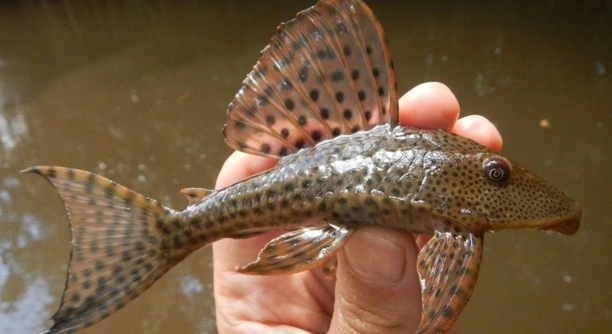
Plecos are popular aquarium fish, known for their peaceful nature and algae-eating habits. Observing their behavior throughout the day can often raise questions, especially when they become active during daylight hours.
It is not unusual for a pleco to be out during the day. However, it may indicate stress or a need for more hiding spots, as plecos are typically nocturnal. It is important to assess the tank’s environment.
Understanding what factors influence their daytime behavior can help you better care for your pleco. By ensuring a healthy environment, you can support their well-being and observe their natural behaviors more closely.
Why Do Plecos Normally Hide?
Plecos are naturally shy and nocturnal creatures, preferring to remain hidden during the day. In the wild, they often seek shelter in caves or under rocks to avoid predators. This behavior continues in captivity, where they might hide in aquarium decorations or plants, especially when they feel insecure. Hiding helps them stay safe and reduce stress.
It’s completely normal for plecos to hide, but if they are out during the day, something might be changing in their environment.
If a pleco feels uncomfortable, it may stay out in the open as a sign of stress. This could be due to factors like high water temperature, aggressive tank mates, or insufficient hiding places. Providing more shelters in the tank can make the pleco feel more secure. A few caves or large plants can offer places to retreat. If a pleco is regularly out during the day and appears agitated, it’s important to check the tank’s conditions and ensure they are ideal for the fish’s needs.
Possible Health Issues in Plecos
Occasionally, plecos might stay visible due to health concerns. A sick or stressed pleco may appear lethargic or spend time swimming aimlessly, which is not typical behavior.
If your pleco is often out during the day and showing signs of illness, like a loss of appetite or abnormal swimming patterns, it’s a good idea to examine the water quality and overall tank conditions. Poor water quality, including high ammonia levels or incorrect pH, can weaken a pleco’s immune system and make them more vulnerable to infections. Keep the water clean with regular changes and maintain the right parameters for temperature, pH, and hardness.
In addition to water quality, watch for any physical signs of illness such as abnormal spots, lesions, or bloating. If symptoms persist, it may be necessary to quarantine the fish and consult with a vet who specializes in aquatic life. A healthy pleco will generally stick to the shadows during the day and come out at night to feed and explore.
Stress Factors That Impact Your Pleco
Plecos can get stressed from various factors, such as overcrowding, water temperature fluctuations, or incompatible tank mates. A stressful environment can lead them to seek out different areas of the tank during the day. It’s important to observe their behavior and assess the overall conditions in their habitat.
Tank mates that are overly aggressive or too active may stress out your pleco. If there is constant disruption around them, it could force them to remain visible during the day, a behavior they typically avoid. Ensuring the right balance in your tank is crucial to reduce this stress.
Overcrowding is another stressor. When there isn’t enough space to swim or hide, plecos might feel exposed and vulnerable. The size of your aquarium should be large enough to allow your pleco to move freely and find comfort in secluded spaces. Regular water changes and proper filtration also help keep the environment stress-free, which encourages your pleco to follow its natural instincts.
How to Provide Hiding Spots for Plecos
If your pleco is staying out more than usual, consider adding extra hiding spots to the tank. These can include caves, plants, or driftwood, which mimic the natural environment of a pleco.
A pleco feels safest when it has a spot to retreat to. Creating a cozy hiding place can help your pleco feel secure during the day, allowing it to rest and recover from any stressors in the tank. Try adding items like ceramic caves or pieces of driftwood to the substrate. Plants also offer shelter, but be sure they are sturdy enough to provide proper cover.
In addition, check the placement of decorations. Ensure they don’t block your pleco from accessing hiding spots. Too many objects in the tank might crowd them out, making it harder for the fish to find a secluded area. Aim to provide multiple hiding spots around the tank so your pleco can feel comfortable wherever it chooses to rest.
Tank Conditions and Their Effect on Plecos
The water temperature and quality are crucial for plecos’ well-being. If the water is too warm or too cold, your pleco may be more active during the day. The ideal temperature range for plecos is usually between 72-82°F (22-28°C). Keeping the water consistent is important.
Make sure your filtration system is working well and the water is clean. Poor water quality can stress plecos, making them feel unsafe. Regularly test the water parameters, including pH, ammonia, and nitrate levels, to avoid any harmful changes in the tank. A stable environment will help reduce stress.
Tank Size Matters for Your Pleco’s Comfort
If your pleco’s tank is too small, they may feel cramped and exposed, which could cause them to remain out in the open more than usual. Plecos need plenty of space to swim and hide. Aim for a tank that offers at least 20 gallons for a single pleco.
In larger tanks, plecos have room to move freely and find places to hide when they feel threatened. A bigger space will also help maintain better water quality and reduce the likelihood of overcrowding. Always ensure that the tank is spacious enough for your pleco to thrive and feel secure.
Plecos and Their Feeding Schedule
Feeding times can impact your pleco’s behavior. If plecos are overfed or if food is left in the tank for too long, it can cause uneaten food to decompose, affecting water quality and potentially stressing your fish. Regular, controlled feeding is important.
FAQ
Is it normal for my pleco to stay out during the day?
Yes, it’s fairly normal for plecos to be out during the day occasionally, especially if they are feeling comfortable or if the environment is calm. However, plecos are typically nocturnal, so if they are out more often, it could indicate stress or a change in their surroundings. Check for any potential stress factors like high water temperature, aggressive tank mates, or a lack of hiding spots. If everything seems fine and your pleco is just exploring, there’s generally no reason to worry.
What are the signs of stress in a pleco?
Stressed plecos may exhibit several behaviors like erratic swimming, staying in the open more than usual, or showing signs of illness such as faded colors, lack of appetite, or abnormal swimming patterns. They might also refuse to eat or become more skittish. Stress can result from poor water quality, overcrowding, or incompatible tank mates. If you notice these symptoms, it’s crucial to evaluate the tank environment and make any necessary changes.
How can I tell if my pleco is sick?
If your pleco appears lethargic, has abnormal swimming behavior, or seems to be hiding all the time, it might be sick. Look for physical signs like lesions, bloating, or discoloration. A loss of appetite is also a common indicator. Sick plecos may also swim erratically or rub themselves against objects in the tank. If you notice any of these signs, it’s essential to quarantine the fish and check the water parameters. Consulting with a vet who specializes in aquatic species can help with treatment.
Can my pleco live with other fish?
Yes, plecos can live with other fish, but they should be housed with peaceful tank mates. Avoid pairing them with overly aggressive or fin-nipping fish. They tend to be bottom dwellers, so it’s important to ensure there’s enough space for them to move freely without competition for territory. Some species of plecos may also be territorial, especially when they are older, so keeping a few hides and ensuring proper space can help reduce conflicts.
How often should I feed my pleco?
Plecos are bottom feeders and often prefer to graze on algae or leftover food in the tank. However, feeding them supplementally is also important. Provide them with algae wafers or vegetable-based food, like zucchini, spinach, or cucumber. It’s best to feed them once or twice a day, but don’t overfeed, as this can lead to poor water quality. Remove uneaten food after a few hours to prevent it from decomposing in the tank.
Why is my pleco scraping the glass?
If your pleco is scraping the glass or other surfaces, it is likely trying to graze on algae. Plecos are natural algae eaters, and they will often use their suction-cup-like mouths to scrape off any algae in the tank. If there’s not enough algae for them to consume, they may start cleaning surfaces more frequently. Providing additional algae wafers or introducing live plants can help give them more food options.
How can I improve my pleco’s tank environment?
To improve your pleco’s tank environment, make sure the water quality is ideal. This includes maintaining the proper temperature, pH, and hardness levels for your specific species. Regular water changes and good filtration are key. Add enough hiding places, such as caves or plants, so your pleco feels secure. Avoid overcrowding the tank, and be mindful of the number and type of other fish you have. A well-maintained and peaceful environment will help your pleco thrive.
How can I tell if my pleco is healthy?
A healthy pleco will have clear, bright eyes, a well-rounded body, and active behavior. It should move around the tank, graze on surfaces, and interact with its environment. Healthy plecos will also have vibrant color patterns and will eat regularly. If your pleco appears sluggish, loses its color, or refuses to eat, these can be signs of illness or stress.
Do plecos need to be alone?
Plecos don’t necessarily need to be alone, but they tend to do better in smaller groups of their own kind or with peaceful fish. They can be solitary at times and often prefer to have their own space. When housed with others, it’s important to have enough hiding spots and territories to prevent conflict. Some species of plecos, especially males, may be territorial, so you’ll want to give them room to avoid aggression.
How can I keep my pleco’s environment stress-free?
To keep your pleco’s environment stress-free, make sure the tank is well-maintained with stable water conditions, including proper filtration and temperature. Provide plenty of hiding spots and avoid overcrowding the tank. Avoid aggressive fish that could stress out the pleco, and make sure the tank is large enough for them to swim freely. Regular water changes and ensuring the tank has enough algae or appropriate food for your pleco will also help keep it comfortable and healthy.
Final Thoughts
Plecos are fascinating fish that can thrive in a variety of environments when their needs are met. These peaceful bottom dwellers often prefer to hide during the day and come out at night, but there are situations where they might be more active or visible during the daylight hours. It’s important to understand that while occasional daytime activity is normal, frequent behavior changes can be a sign of stress or discomfort. Factors such as water quality, temperature, tank mates, and the availability of hiding spots play a large role in how your pleco behaves. Ensuring that your pleco’s environment is stable and comfortable is key to its health and happiness.
If your pleco is spending too much time out during the day, it’s a good idea to assess the tank’s conditions. Make sure the water parameters are within the correct range, and check for any signs of stress, illness, or discomfort. If your pleco appears to be active and healthy, then it’s likely just exploring its surroundings. However, if there are signs of illness or distress, addressing water quality or other environmental factors should be a priority. Adding extra hiding spots, improving water filtration, and removing any aggressive fish can also help create a more peaceful habitat for your pleco.
Overall, keeping your pleco happy and healthy comes down to providing the right environment. While they may occasionally be out during the day, as long as they have adequate hiding spots, a proper diet, and a stable tank environment, they should feel comfortable and secure. Observing your pleco and making sure their needs are met will help prevent stress-related issues and keep them thriving in your aquarium. Regular monitoring of tank conditions and being proactive about any changes will allow you to maintain a healthy, stress-free environment for your pleco to enjoy.

Hello,
If you enjoy the content that we create, please consider saying a "Thank You!" by leaving a tip.
Every little bit helps us continue crafting quality advice that supports the health, happiness, and well-being of pets around the world, for pets of all shapes, sizes, and species.
We really appreciate the kindness and support that you show us!