
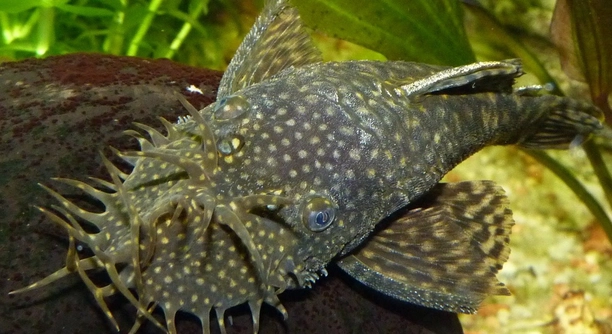
Are your plecos looking a little stressed in their new home, even though you’ve set up a clean tank just for them?
Cycling a tank for Plecostomus involves establishing a stable nitrogen cycle before adding the fish. This ensures harmful toxins like ammonia and nitrite are converted to less harmful nitrate, creating a safe environment for your pleco.
Proper cycling not only protects your pleco’s health but also sets the foundation for a thriving tank you’ll enjoy maintaining.
Step 1: Set Up the Tank Correctly
Start by choosing the right size tank. Plecos need more space than many realize, especially as they grow. A 30-gallon tank is the bare minimum for smaller types, but larger species will need upwards of 75 gallons. Add a good-quality filter, a heater to maintain stable temperature, and an air stone for oxygen. Avoid placing the tank near windows or vents. Stick to a simple layout with hiding spots like driftwood or caves. Don’t add gravel with sharp edges. Rinse everything well before setting it up. Once assembled, fill the tank with dechlorinated water and turn on all equipment.
Test the water after 24 hours to ensure everything is functioning properly and the temperature is stable.
Make sure to label your test kits and tools so you don’t mix them up during the cycling process. This will help avoid common mistakes and save time later on.
Step 2: Add an Ammonia Source
Ammonia jumpstarts the cycle by feeding beneficial bacteria. You can use bottled ammonia or add fish food and let it decay. Start small—about 2–4 ppm of ammonia is ideal. Always measure with a liquid test kit. Too much can stall the cycle or kill bacteria. Add ammonia every couple of days to maintain consistent levels. Don’t let it run out completely or the bacteria will start to die off. This part usually takes about a week or two, depending on temperature and your chosen method.
Once ammonia is in the tank, keep checking the water every other day. You should begin to see nitrite appear as the bacteria start processing the ammonia.
Step 3: Monitor Nitrite Levels
After ammonia has been added regularly, nitrite will begin to show up. This means the first group of bacteria is working. Nitrite is also harmful, so keep track of it just like ammonia. Use a test kit every other day to see how levels change.
As nitrite rises, you don’t need to change the water unless levels get extremely high. Just keep feeding the tank with ammonia. Soon, a second group of bacteria will appear to convert nitrite into nitrate. This part of the cycle may take longer—sometimes two to three weeks. Patience is key here. If you see nitrite going up but not down, keep testing. It takes time for the right bacteria to grow. Once nitrite starts to drop and nitrate appears, you’re almost ready for fish.
Keep the temperature stable, ideally between 75–80°F, to help bacteria grow faster. Avoid turning off filters or heaters, even briefly.
Step 4: Watch for Nitrate
Nitrate is the final sign your tank is cycling properly. Once it appears, and both ammonia and nitrite are at or near zero, your tank is almost safe for fish. Don’t stop testing yet—consistency is important until everything stabilizes.
At this point, reduce how much ammonia you add to mimic a light bioload. This helps you test whether the tank can handle real waste. If the tank processes it within 24 hours without spiking ammonia or nitrite, it’s safe. Nitrate will continue to rise, which is normal. Do a partial water change—about 25–50%—to bring nitrate down before adding your pleco. Add water conditioner again after the change. Make sure everything is still running smoothly, then test one last time to confirm. When all readings are in the safe zone, your tank is fully cycled and ready for fish.
Step 5: Test Daily Toward the End
Once nitrate appears and nitrite starts dropping, test daily. This helps catch changes quickly and shows when the cycle is almost done. Be sure ammonia and nitrite are both at zero before moving to the next step.
Daily testing also helps you learn your tank’s pattern. You’ll notice how fast it processes waste and how stable the levels stay. This builds confidence before adding fish.
Step 6: Do a Final Water Change
Before adding your pleco, do a large water change to reduce nitrate levels. Even though nitrate is less harmful, too much can still stress your fish. Aim to bring it below 40 ppm. Use a gravel vacuum to remove waste that’s built up during the cycle. Replace the water with dechlorinated water at the same temperature as the tank. Avoid scrubbing decorations or filter media. This keeps your beneficial bacteria safe. Once the water change is done, let everything settle for a few hours. Then test one last time to confirm everything looks good. Only add fish when ammonia and nitrite are both at zero.
Step 7: Add Your Plecostomus
Float the bag in the tank for 20 minutes to match the temperature. Slowly mix in tank water before releasing your pleco. Keep lights dim to reduce stress.
FAQ
How long does it take to cycle a tank for a Plecostomus?
Cycling a tank typically takes 4 to 6 weeks, depending on temperature, tank size, and the methods used. Some tanks can cycle a bit faster, while others may take longer, especially in colder temperatures. During this time, it’s important to regularly test the water for ammonia, nitrite, and nitrate levels to ensure everything is progressing as it should.
Can I speed up the cycling process?
Yes, there are ways to speed up cycling. One method is by using “cycled” media from an established tank. This includes filter media, decorations, or substrate that already contain beneficial bacteria. Another option is to add an ammonia source (like fish food or bottled ammonia) to jump-start the cycle. However, don’t rush the process too much—if you speed it up too quickly, the bacteria may not be fully established, which can harm your pleco once introduced.
Is it okay to add other fish during cycling?
It’s not recommended to add fish during the cycling process, as ammonia and nitrite levels can spike, which can harm or even kill them. If you must add fish, choose hardy species that can tolerate high levels of ammonia and nitrite. However, even these fish can suffer long-term stress and health problems from uncycled water, so it’s always best to wait until the cycle is complete before adding any fish.
Can I cycle a tank without fish?
Yes, fishless cycling is a common and effective method. By adding an ammonia source, such as fish food or pure ammonia, you allow the beneficial bacteria to grow and establish the nitrogen cycle without stressing any fish. This method takes longer but is gentler and safer for your plecostomus once it’s time to add them.
What should I do if my nitrite levels spike during cycling?
If nitrite levels spike, don’t panic. This is part of the natural cycling process. It may take some time for the bacteria that convert nitrites into nitrates to establish themselves. Keep adding ammonia, and monitor the levels daily. If the nitrites remain high for an extended period, consider doing a small water change (10–20%) to keep the levels from becoming too toxic.
What happens if ammonia and nitrite stay at high levels too long?
High levels of ammonia and nitrite can be toxic to fish. In some cases, prolonged exposure can cause stress, reduce immune function, or even lead to death. If these levels persist longer than expected, consider reducing ammonia additions or doing partial water changes to keep levels in check. If your tank seems to stall, try increasing the water temperature slightly to encourage bacterial growth (but no higher than 80°F).
Can I use a filter during the cycling process?
Yes, you should always use a filter during the cycling process. Filters provide essential mechanical and biological filtration, allowing beneficial bacteria to grow on the media. This helps to convert ammonia into nitrite and then nitrate. Just be sure not to clean the filter media too early in the process to avoid disrupting the bacterial growth.
Do I need to test my water every day during cycling?
Testing your water every day, especially in the beginning stages, helps you track ammonia, nitrite, and nitrate levels. Once your tank is closer to completing the cycle and nitrite levels start to fall, you can reduce testing to every 2 to 3 days. Frequent testing helps you spot issues early and gives you more control over the process.
Why is my pleco showing signs of stress after adding it to the tank?
If your pleco is showing signs of stress after being added to the tank, it could be due to high ammonia, nitrite, or nitrate levels, improper water parameters, or environmental changes. Check your water parameters immediately. Stress can also occur if the tank was not properly acclimated or if there are drastic changes in temperature or pH. Make sure your tank is fully cycled and that water conditions are stable before adding any fish.
What is the difference between the nitrogen cycle and the biological filter?
The nitrogen cycle is the process where beneficial bacteria convert harmful toxins (like ammonia) into less harmful substances (nitrate), which plants or frequent water changes can remove. The biological filter is the part of your filter where these bacteria live and carry out their work. Both are essential for maintaining a healthy tank environment, but the nitrogen cycle is the broader process, and the biological filter is where the bacteria perform their functions.
Do I need to use a water conditioner during cycling?
Using a water conditioner during the cycling process is recommended, especially if you are using tap water. Most tap water contains chlorine or chloramine, which can harm the beneficial bacteria you’re trying to grow. A water conditioner will neutralize these chemicals, ensuring that the cycling process can happen without disruption.
How can I tell when my tank is fully cycled?
Your tank is fully cycled when ammonia and nitrite levels are at zero, and nitrate is present. Nitrate levels can rise during the cycling process, but they should never be too high (generally below 40 ppm is ideal for most fish). If you’ve been testing consistently and see that ammonia and nitrite have both dropped to zero for a few days, it’s safe to assume your tank is cycled and ready for fish.
What happens if I add my pleco too early?
Adding your pleco too early, before the tank is fully cycled, can result in toxic water conditions that harm or kill the fish. Without enough beneficial bacteria to process ammonia and nitrite, these substances will build up in the water, which can lead to poisoning. Always ensure the cycle is complete before introducing your pleco to avoid this risk.
Can I add live plants during the cycling process?
Yes, adding live plants can help during the cycling process. Plants absorb ammonia and nitrates as nutrients, which can help stabilize the tank environment. However, live plants also need proper lighting and nutrients to thrive. Make sure the plants are hardy and well-suited for a newly cycling tank, as they will need time to establish themselves.
Final Thoughts
Cycling a tank for your plecostomus may seem like a slow process, but it is essential for the health of both your fish and the overall aquarium environment. By following the steps and carefully monitoring the water conditions, you ensure that the tank is safe for your pleco. Remember that cycling is not just about waiting for the bacteria to grow; it’s about creating a balanced, stable environment where your fish can thrive long-term. Once your tank has completed its cycle, it will be much easier to maintain and will require fewer adjustments in the future.
Patience is key. While the cycling process can take several weeks, it’s important to wait until ammonia and nitrite levels reach zero before adding any fish. Rushing through this step can lead to high stress for your pleco and other fish, or even to the loss of your fish due to toxic water conditions. It’s better to let the tank mature fully rather than risk introducing your pleco too soon. If you’re following the right steps and regularly testing the water, you can rest assured that your pleco will have a safer, healthier start in its new home.
Once the cycle is complete, your tank will be ready for not only your pleco but also other fish that might join in the future. By understanding the nitrogen cycle and maintaining good water quality, you set yourself up for a long, successful aquarium experience. Always keep an eye on the water parameters, perform regular water changes, and don’t forget to clean your filter media gently. This will ensure that your pleco stays happy and healthy for years to come.

Hello,
If you enjoy the content that we create, please consider saying a "Thank You!" by leaving a tip.
Every little bit helps us continue crafting quality advice that supports the health, happiness, and well-being of pets around the world, for pets of all shapes, sizes, and species.
We really appreciate the kindness and support that you show us!