
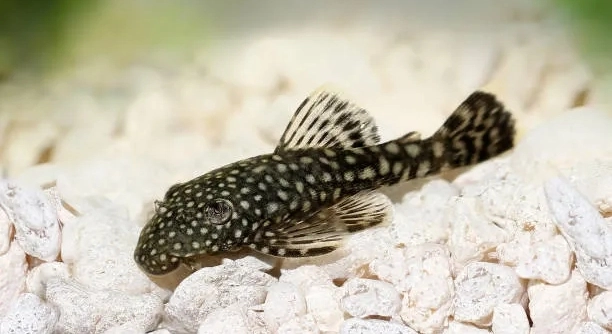
Plecos are a popular choice for aquarium enthusiasts due to their unique appearance and helpful algae-eating habits. If you want to ensure your plecos live a long, healthy life, their diet plays a key role in their well-being.
A well-balanced diet rich in specific nutrients can help plecos live longer and thrive. Foods such as blanched vegetables, high-quality pellets, and occasional protein sources ensure they receive the vitamins and minerals needed to stay healthy.
Providing your pleco with the right foods will improve their lifespan and overall health. Learn about the best foods to include in their diet for a happier, longer life.
Blanched Vegetables for Plecos
Blanched vegetables are one of the best options for plecos. Vegetables such as zucchini, spinach, and cucumber provide essential vitamins and minerals. Blanching helps soften the vegetables, making them easier for plecos to eat and digest. These veggies also contain fiber, which helps with digestion and overall health. Offering a variety of vegetables ensures that your plecos get a balanced intake of nutrients. It’s important to remove any leftover food after a few hours to prevent water quality issues.
Plecos will appreciate the variety that comes from offering different vegetables. You can rotate what you offer to keep their diet diverse and nutritious.
Feeding them blanched vegetables regularly not only supports their health but also strengthens their immune system. In the wild, plecos would naturally consume plant matter, so including vegetables replicates their natural diet. Additionally, vegetables help in maintaining a healthy gut, which is key for your pleco’s long-term well-being.
High-Quality Pellets for Plecos
High-quality pellets are a convenient and reliable food source for plecos. These pellets are specially designed to provide all the essential nutrients needed for growth and longevity. Look for pellets that are rich in plant matter and contain added vitamins and minerals to meet their nutritional needs.
The key to choosing the right pellets is ensuring they are appropriate for plecos. Avoid pellets with excessive fillers like corn, which may not offer much nutritional value. Quality pellets help support your pleco’s immune system, promote healthy growth, and provide consistent energy levels, ensuring they remain active and healthy.
Feeding high-quality pellets also reduces the need for supplementary feeding, as these pellets are well-balanced. They are designed to float or sink, making it easy for plecos to access their food at different levels of the tank. Regularly offering these pellets guarantees a stable and healthy diet for your pleco, contributing to their overall longevity.
Protein-Rich Foods
Protein is vital for plecos, especially for their growth and repair. Offering occasional protein-rich foods like bloodworms, brine shrimp, or daphnia can enhance their diet. While plecos are primarily herbivores, they do benefit from the added protein, particularly when they are growing or recovering from illness.
Protein helps plecos build muscle and maintain their body functions. It is essential to provide these protein-rich foods in moderation, as too much protein can lead to health problems like obesity or kidney stress. These foods are easy to feed and can be offered every few days for variety in their diet.
These protein sources should be fresh or frozen, as live foods can carry parasites or bacteria. By rotating protein-rich foods with plant-based options, you can ensure your pleco stays balanced and healthy. It also mimics their natural diet, which includes small aquatic organisms in the wild.
Driftwood
Driftwood provides plecos with more than just a place to hide. It also supports their diet by encouraging natural grazing. As plecos scrape the surface of driftwood, they consume microorganisms that contribute to their nutritional intake. It’s an essential part of their environment.
Driftwood also helps maintain water quality. As it breaks down, it releases tannins into the water, which can help create a more natural habitat. These tannins may also have mild antibacterial properties that support pleco health. Make sure the driftwood is safe for aquarium use and properly cured before placing it in the tank.
Algae
Algae is another natural food source for plecos. It can grow on tank surfaces, rocks, and decorations. Plecos are known for grazing on algae, helping to clean the tank while meeting some of their nutritional needs.
You can also introduce algae wafers to supplement their diet. Algae wafers are packed with nutrients, offering plecos a consistent source of food.
FAQ
How often should I feed my pleco?
Feeding your pleco once or twice a day is generally sufficient. However, you should avoid overfeeding, as uneaten food can pollute the tank. In addition to daily feedings, it’s beneficial to provide a variety of foods to ensure a balanced diet. You can also fast your pleco once or twice a week to mimic their natural feeding patterns and prevent overfeeding.
What are the best vegetables for plecos?
Plecos enjoy a variety of vegetables, such as zucchini, cucumber, spinach, and sweet potato. These should be blanched to soften them, making it easier for the pleco to eat. Offering a mix of these vegetables ensures they get a good range of nutrients. It’s also important to remove any uneaten vegetables after a few hours to maintain water quality.
Can plecos eat fruits?
While plecos are primarily herbivores, they can occasionally eat certain fruits. Offer small amounts of fruits like apples or pears, but avoid high-sugar fruits. Plecos can sometimes struggle to digest sugary fruits, so they should only be given as a rare treat, not a regular part of their diet.
Should I feed plecos algae wafers?
Algae wafers are an excellent supplement to your pleco’s diet. They provide a good source of plant matter, which plecos naturally consume. While plecos will graze on algae in the tank, algae wafers ensure they get a consistent food source with the right nutrients. Offer them a few times a week to maintain a balanced diet.
Can plecos eat meat?
While plecos are mainly herbivores, they can eat small amounts of meat-based food, such as bloodworms or brine shrimp. These protein sources are essential during their growth stages or when they need extra nutrients. However, too much protein can cause health problems, so it should be offered sparingly.
How can I tell if my pleco is healthy?
A healthy pleco will have a clean, smooth body without signs of damage or disease. They should be active and actively grazing on tank surfaces. Healthy plecos also have clear eyes and maintain a proper weight. If your pleco seems lethargic, has visible lesions, or isn’t eating, consult a vet.
Do plecos need driftwood in their tank?
Yes, driftwood is important for plecos. Not only does it provide a place for them to hide, but it also contributes to their diet. Plecos will graze on the microorganisms growing on the driftwood. Additionally, driftwood releases tannins that can help mimic their natural environment, improving their overall health.
Can plecos eat live plants?
While plecos do eat plants in the wild, they typically prefer softer plants. If you have live plants in your tank, be prepared for them to nibble on them occasionally. However, they should have enough other food sources to avoid them becoming too destructive. If plant damage becomes excessive, consider switching to hardier plant varieties.
How do I prevent my pleco from becoming overweight?
Overfeeding is the main cause of obesity in plecos. Ensure you are offering the right portion sizes and avoid leaving excess food in the tank. Offering a balanced diet with a variety of vegetables and occasional protein sources helps prevent obesity. Fasting once a week also helps keep their digestive system healthy.
Can plecos live with other fish?
Plecos are generally peaceful and can live with other fish, but they may become territorial, especially in smaller tanks. They tend to be bottom dwellers, so make sure there’s enough space for them to hide and graze. Avoid housing them with aggressive species, as they could get stressed. Always ensure tank mates are compatible with plecos.
How can I maintain water quality for my pleco?
Maintaining water quality is crucial for the health of your pleco. Regular water changes, usually about 25% every two weeks, help keep the tank clean. Use a good filtration system to keep water parameters stable. Additionally, remove any uneaten food after a few hours to prevent water contamination. Make sure the tank is well-oxygenated and the temperature is within the recommended range for plecos.
What temperature should the water be for plecos?
Plecos thrive in warm water temperatures, typically between 75°F and 80°F (24°C to 27°C). Keeping the water within this range will help your pleco stay healthy and active. Fluctuations in temperature can cause stress, so it’s important to maintain a stable environment. Use a reliable heater and thermometer to ensure the water stays consistent.
Why is my pleco not eating?
If your pleco isn’t eating, it could be due to several factors. Stress, poor water quality, or illness can cause a loss of appetite. Check the water parameters and ensure the tank environment is clean and stable. If the problem persists, consult a veterinarian to rule out any underlying health issues.
Can I keep more than one pleco in my tank?
You can keep multiple plecos in the same tank, but it’s important to provide enough space. Plecos are territorial creatures and may fight if they feel crowded. A larger tank with plenty of hiding spots and grazing areas will help prevent aggression. Make sure there is enough food for all of them to avoid competition.
What should I do if my pleco is sick?
If your pleco shows signs of illness, such as lethargy, abnormal swimming behavior, or visible sores, it’s essential to act quickly. Start by testing water parameters and correcting any issues. If the pleco’s condition doesn’t improve, consider quarantining it and seeking professional advice from a vet who specializes in fish care.
Final Thoughts
Feeding your pleco a balanced diet is essential for their health and longevity. By providing a variety of foods, such as high-quality pellets, vegetables, and occasional protein-rich treats, you can help ensure that they stay active and healthy. Plecos are bottom dwellers that enjoy grazing on different surfaces in their environment. Therefore, incorporating driftwood and algae into their tank will not only mimic their natural habitat but also provide them with additional nutrients. These natural elements contribute to their overall well-being, making them an important part of their diet.
It’s also important to monitor their food intake and avoid overfeeding. Plecos are prone to obesity if given too much food, especially protein. Offering a mix of plant-based foods and occasional proteins can help keep their weight in check and support their digestive system. Along with this, fasting your pleco one or two days a week can help maintain a healthy balance in their diet. Providing a variety of foods ensures that they get a full spectrum of nutrients, which is essential for their health in the long term.
Lastly, always make sure the water quality is optimal. Healthy water conditions are just as important as a proper diet. Regular water changes, maintaining the right temperature, and having good filtration are all key to a healthy tank. When your pleco is in a clean, well-maintained environment, they are more likely to thrive. Together, a well-rounded diet and good water conditions form the foundation for a happy, healthy pleco.

Hello,
If you enjoy the content that we create, please consider saying a "Thank You!" by leaving a tip.
Every little bit helps us continue crafting quality advice that supports the health, happiness, and well-being of pets around the world, for pets of all shapes, sizes, and species.
We really appreciate the kindness and support that you show us!