
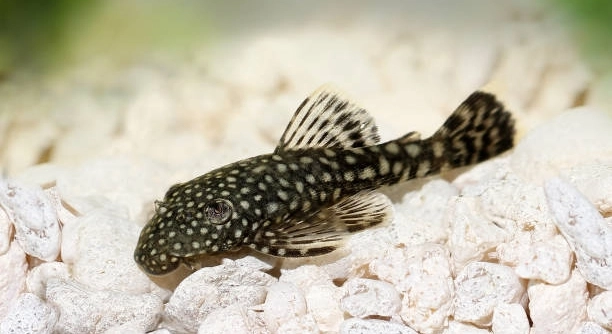
Plecos are fascinating creatures known for their cleaning abilities in aquariums. Their unique behavior often leaves aquarium owners curious. One common behavior observed is when plecos lick the glass, which may seem puzzling at first.
The behavior of plecos licking the glass is typically related to their feeding habits. Plecos are opportunistic feeders, and the glass often harbors algae and other organic matter, which the fish consume. This action also helps them maintain their territorial space.
Understanding why your pleco engages in this behavior can give you insight into its needs and habits. Proper care will ensure your pleco remains healthy and content in its environment.
Why Plecos Lick the Glass: Feeding Behavior and Environment
Plecos are naturally inclined to lick the glass in an aquarium due to their need for food. In their natural habitat, they graze on surfaces like rocks, plants, and other areas where algae grow. In an aquarium, the glass often becomes coated with algae, making it an ideal feeding ground. Licking the glass is part of their effort to find and consume algae or biofilm. When they do this, they are often looking for food sources that are not always available in their diet. The act may seem unusual, but it’s simply their way of foraging in the aquarium. It’s important to note that this behavior is typical for plecos and is not harmful unless it indicates that they’re not getting enough food in other parts of the tank.
Another reason for glass licking could be due to the pleco’s behavior around its environment. Plecos are territorial creatures. The glass offers a stable surface that may feel safer to explore. In this case, licking may simply be part of their territorial exploration.
Plecos are nocturnal creatures, so much of their activity, including glass licking, is done when the lights are off. They’re more active at night, seeking food or exploring their surroundings. It’s also possible that the pleco enjoys the feeling of the glass against its skin. The act of licking glass is a sign that they feel comfortable in their environment and are adjusting to their surroundings.
Pleco Care and Glass Licking
While it’s important for plecos to have a source of algae, they also need a balanced diet.
To keep your pleco healthy, supplement its diet with algae wafers or other foods designed for bottom-feeding fish. This ensures that your pleco gets the nutrients it needs without relying solely on the algae that forms on the glass.
Plecos and Algae: Their Natural Diet
Algae plays a vital role in a pleco’s diet. In the wild, they graze on algae growing on rocks, plants, and other surfaces. This feeding behavior is instinctual and necessary for their nutrition. In your tank, algae can form on surfaces like glass, making it an easy food source.
Even though plecos are good at consuming algae, they still need additional nutrition. Algae alone doesn’t provide everything they need to thrive. It’s important to offer algae wafers or other specially formulated foods. These supplements can help prevent malnutrition and ensure a well-rounded diet for your pleco.
Without adequate food sources, plecos may become more focused on finding algae on the glass. They may spend more time licking the glass if there isn’t enough to eat. This highlights the importance of providing a diverse and balanced diet. By doing so, you’ll support your pleco’s health and reduce the reliance on algae alone.
Tank Maintenance and Pleco Health
Keeping the tank clean is essential for your pleco’s well-being. Overgrown algae on the glass can be a sign that there’s an imbalance in your aquarium.
Regular maintenance, such as cleaning the tank and monitoring water conditions, ensures the growth of algae stays at a healthy level. If your pleco is licking the glass excessively, it could indicate the presence of too much algae or a lack of food variety. Proper tank maintenance will not only support the health of your pleco but also improve the overall environment for other aquatic life.
Overfeeding and Glass Licking
Overfeeding can contribute to an increase in algae growth on the glass. When excess food decays in the tank, it releases nutrients that fuel algae growth. This excess algae can become a significant food source for plecos, prompting them to lick the glass more often in search of food.
To avoid overfeeding, offer only the amount of food your pleco can consume in a short period. Excess food that settles on the tank floor can contribute to unwanted algae growth. It’s important to remove uneaten food promptly, ensuring your pleco gets the right amount without creating algae problems.
Water Quality and Pleco Behavior
Plecos are sensitive to poor water quality, which can lead to stress and erratic behavior, including excessive glass licking. Unstable water conditions can affect a pleco’s ability to find food and may lead them to explore the glass for potential algae sources.
Proper water filtration, regular water changes, and monitoring the levels of ammonia, nitrites, and nitrates are essential. Clean water promotes a healthier pleco and helps prevent the behavior of constant glass licking. A consistent routine in maintaining water quality will improve overall tank conditions, benefiting both your pleco and other aquatic species.
Algae and Tank Size
In larger tanks, algae growth can be more manageable, as the surface area allows plecos to forage for food without being limited to the glass.
A well-established tank with plenty of hiding spaces and surfaces for algae growth reduces the likelihood of excessive glass licking. A larger tank also provides plecos with more space to exhibit their natural foraging behavior.
FAQ
Why does my pleco lick the glass?
Plecos lick the glass primarily to feed on algae and biofilm that may accumulate on the surface. They are natural grazers, and in a tank, the glass often becomes a convenient place for them to find food. If there is an algae buildup, it can attract the pleco, prompting it to lick the surface. Additionally, plecos are opportunistic feeders, so they will look for food wherever it appears, and glass can be a steady source.
Is it normal for plecos to lick the glass all the time?
Yes, it is normal for plecos to lick the glass, especially if there’s algae growth. However, if they do it excessively, it might indicate that they aren’t getting enough food elsewhere in the tank. This could be due to the absence of a balanced diet or insufficient algae sources. A healthy pleco will naturally explore the glass, but excessive behavior should be monitored.
How do I stop my pleco from licking the glass?
If you want to reduce your pleco’s glass licking, try increasing the availability of other food sources. Feed them algae wafers, fresh vegetables, or sinking pellets specifically designed for bottom feeders. Regular tank maintenance can help control algae buildup on the glass. It’s also important to ensure your pleco is getting enough nutrition, as insufficient food may drive them to look for alternatives on the glass.
Can I leave algae on the glass for my pleco to eat?
Leaving algae on the glass is fine in moderation, but it shouldn’t be the sole food source. While plecos enjoy algae, they need a varied diet that includes other nutrients not found in algae alone. Excess algae can also lead to imbalances in the tank, affecting the water quality and the health of your pleco. Regularly clean the glass but provide supplemental food to maintain a balanced diet for your fish.
Why is my pleco licking the glass even though I feed it well?
Even if you’re feeding your pleco well, they may still lick the glass due to their natural instinct to forage. Plecos are curious and will explore their environment for food. If they’re licking the glass, it may simply be because algae or biofilm have accumulated there. However, ensure the tank is not overfed, as excess food can promote algae growth, which may attract your pleco to the glass.
Should I be concerned if my pleco is licking the glass excessively?
If your pleco is licking the glass constantly, it could indicate that something is wrong in the tank. Overgrowth of algae or poor water quality may be contributing to this behavior. It might also suggest that your pleco isn’t getting enough of the right kind of food. Keep an eye on the overall health of the tank, check water parameters, and consider varying your pleco’s diet to reduce the need for glass licking.
What is the best food for a pleco?
The best food for a pleco includes algae wafers, sinking pellets, and fresh vegetables like zucchini and cucumber. It’s important to give your pleco a variety of foods to ensure they get all the necessary nutrients. While plecos do graze on algae, supplemental food helps maintain their health. It’s also a good idea to vary the diet regularly to prevent deficiencies and ensure they are well-nourished.
How do I keep my pleco healthy?
To keep your pleco healthy, maintain a clean tank with good water quality. Ensure the water parameters, such as temperature, pH, ammonia, nitrite, and nitrate levels, are within the appropriate range. Provide a balanced diet with algae wafers, vegetables, and other nutrient-rich food. Regular water changes and monitoring algae growth will help ensure a healthy environment for your pleco.
Can plecos live in tanks without algae?
While plecos can survive without algae, they will need supplemental food to meet their dietary needs. In the wild, plecos rely on algae as a primary food source, but in an aquarium, you can provide alternative options like sinking pellets, algae wafers, or vegetables. Without a source of algae, be sure to provide a balanced diet so your pleco stays healthy.
How can I encourage my pleco to stop licking the glass?
To encourage your pleco to stop licking the glass, provide enough food and consider reducing algae growth. Adding algae wafers or fresh vegetables will help diversify your pleco’s diet, ensuring they don’t rely solely on the glass for food. Keeping the tank clean and maintaining healthy water parameters will also reduce the need for excessive glass licking.
Is there a specific type of algae plecos prefer?
Plecos tend to prefer certain types of algae, such as green algae and brown diatoms, which are softer and easier to graze on. While they will eat any algae that forms in the tank, they seem to favor algae that is younger and fresher. Providing ample surfaces like rocks or decorations for algae growth can help satisfy their natural grazing behavior.
Can plecos survive without eating algae?
Plecos can survive without eating algae, but they need alternative sources of nutrition. Without algae, they will rely on algae wafers, sinking pellets, and vegetables to meet their nutritional requirements. Algae alone does not provide all the necessary nutrients, so it’s important to supplement their diet with other food options to ensure they stay healthy.
How do I know if my pleco is getting enough food?
You can tell if your pleco is getting enough food by observing its behavior and appearance. A healthy pleco will be active, have a rounded belly, and will not constantly forage for food. If your pleco appears thin or sluggish, it may not be getting enough food. Check the tank for signs of excessive glass licking, which may indicate a lack of food.
Why is my pleco licking the glass during the day?
Plecos are primarily nocturnal, but they may also lick the glass during the day if they are hungry or stressed. If they are not getting enough food, they may turn to the glass for algae or biofilm. Additionally, stress from poor water quality, tank overcrowding, or territorial disputes could trigger this behavior.
Do plecos need algae in their tank to survive?
While plecos do not need algae to survive, it is an important part of their diet. In the wild, they graze on algae, which provides essential nutrients. In a tank, you can provide alternative food sources like algae wafers and vegetables, but some algae in the tank will help satisfy their natural instincts.
How often should I clean my pleco’s tank?
Cleaning your pleco’s tank regularly is important for maintaining water quality and the overall health of your fish. Perform partial water changes every 1-2 weeks, remove excess food, and clean decorations as needed. Keep the tank free of debris to prevent algae overgrowth and ensure that your pleco has a clean and healthy environment.
Final Thoughts
Plecos are unique creatures with specific needs when it comes to their environment and diet. While their glass-licking behavior is mostly harmless, it can be a sign of something more significant. If a pleco is licking the glass excessively, it may be due to a lack of food, an imbalance in the tank, or poor water quality. Understanding these causes will help you address the issue effectively, ensuring your pleco remains healthy and content.
Regular tank maintenance is crucial in keeping your pleco’s behavior in check. Monitoring water quality, removing excess food, and controlling algae growth can prevent over-reliance on glass licking as a food source. Providing a variety of food options, such as algae wafers, fresh vegetables, and sinking pellets, will ensure your pleco receives a well-balanced diet. It’s also important to give your pleco plenty of hiding spots and surfaces to explore, helping to reduce the need to lick the glass in search of food.
In conclusion, while glass licking is normal for plecos, it should not become excessive or a sign of stress. By maintaining a clean, well-balanced tank and feeding your pleco properly, you will ensure they remain happy and healthy. A little observation and adjustment to their environment can go a long way in preventing this behavior from becoming a recurring issue. Keep an eye on your pleco’s habits, and you’ll be able to create an environment where they thrive without having to rely on the glass for food.

Hello,
If you enjoy the content that we create, please consider saying a "Thank You!" by leaving a tip.
Every little bit helps us continue crafting quality advice that supports the health, happiness, and well-being of pets around the world, for pets of all shapes, sizes, and species.
We really appreciate the kindness and support that you show us!