
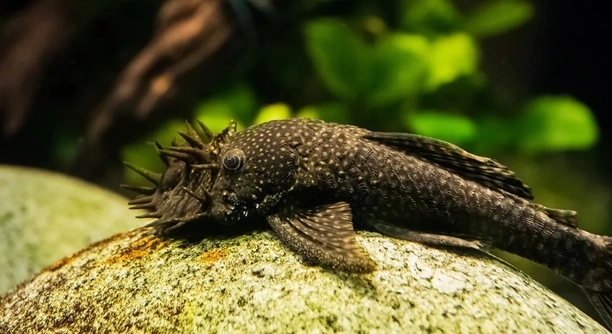
Feeding plecos on a regular schedule can be challenging, especially for aquarium owners unfamiliar with their dietary needs. Proper feeding ensures these fish stay healthy and thrive in your tank. It is essential to establish a consistent routine.
To feed plecos on a schedule, provide them with a variety of foods such as algae wafers, vegetables, and protein-based options. Consistency in feeding time helps maintain their digestive health. Monitor their intake to avoid overfeeding and water contamination.
With these tips, you will easily maintain a healthy feeding routine that suits your plecos’ needs.
Understanding Pleco Feeding Needs
Plecos are bottom-dwelling fish with unique dietary requirements. They thrive on a varied diet that mimics their natural habitat, where they graze on algae and other plant matter. In your tank, this means providing a balance of vegetables, algae wafers, and sometimes protein-based foods. While plecos are herbivores, they also need protein to stay healthy. Feeding them the right foods helps promote proper growth and good health. Consistency in feeding is key, so make sure to offer them food at the same time every day. Over time, your plecos will become accustomed to this routine.
Make sure to monitor the quantity of food you provide. Overfeeding can lead to water quality issues, which can harm your fish. Keep track of how much they consume to avoid excess food sinking to the bottom.
When feeding plecos, use sinking food to cater to their bottom-dwelling habits. Avoid floating foods, as they won’t reach them. Algae wafers are a great staple to provide them with the nutrients they need. Additionally, offering vegetables like zucchini or cucumber once or twice a week will boost their intake of fiber and vitamins. Some protein sources, such as shrimp pellets, can be given occasionally to add variety. Plecos will appreciate a variety of food options that simulate their natural diet, keeping them active and healthy.
Best Time to Feed Your Plecos
Feeding plecos at the right time of day ensures they get the best nutrition. They are nocturnal feeders, meaning they are most active during the evening and night. Offering food in the evening allows them to forage naturally.
Feeding plecos at night allows them to consume their food while the aquarium lights are off. This also helps reduce competition with other fish that might be more active during the day. Providing food in the evening gives plecos the opportunity to feed undisturbed. It also ensures that they will have time to digest before the morning, which is important for their overall health. Stick to a consistent schedule, and avoid feeding during the day when the plecos may not be as active or hungry.
Since plecos are active feeders at night, offering food after dark replicates their natural feeding patterns. Try to maintain a regular schedule so your plecos can adapt to their feeding times. As they grow accustomed to this routine, they will be more efficient in consuming food, reducing waste and improving tank cleanliness.
Types of Foods Plecos Prefer
Plecos are herbivores but will enjoy occasional protein-based foods. Algae wafers should be a staple in their diet, providing the necessary nutrients. Vegetables like zucchini, cucumber, and spinach are great choices for their fiber intake.
Plecos are known for their love of algae. In your tank, you can supplement their diet with algae wafers, which sink to the bottom where they can easily access them. Vegetables, like cucumber and zucchini, can be offered occasionally for added nutrients. If you want to offer protein, opt for sinking shrimp pellets or freeze-dried worms. Variety is important for a well-rounded diet.
You can also provide fresh vegetables like spinach, kale, or peas, which are soft and easy for plecos to consume. Blanching the vegetables helps soften them, making them more palatable. Plecos will appreciate the natural fiber in these vegetables, which aids in digestion. Experiment with different vegetables to see which ones your plecos prefer. Keep the food pieces small to avoid excess waste in the tank.
Water Quality and Feeding
Water quality plays a big role in feeding habits. Overfeeding can degrade the water, leading to unhealthy conditions. Proper filtration and regular water changes are crucial.
Maintaining water quality is important for pleco health, especially since excess food can cause water contamination. Plecos are bottom-feeders, so they tend to leave uneaten food in the substrate. Over time, this can lead to an accumulation of waste that affects water quality. To prevent this, avoid overfeeding and perform regular water changes. Keeping the water clean will ensure that your plecos thrive in a healthy environment.
A good filtration system helps manage the waste and uneaten food that can pollute the tank. It also promotes proper oxygen levels, which is essential for the plecos’ well-being. Remember, plecos are sensitive to poor water conditions, so regular monitoring and proper tank maintenance are key. Over time, this will create a balanced ecosystem for your fish, keeping them happy and healthy.
Common Feeding Mistakes
Overfeeding is one of the most common mistakes people make when feeding plecos. It leads to excess food in the tank, which can harm water quality. It’s important to monitor the amount of food you’re giving them.
Another mistake is feeding only one type of food. While plecos enjoy algae wafers, they need variety. A lack of variety can lead to nutritional imbalances. Incorporate vegetables and occasional protein sources to ensure they get all the nutrients they need. This helps maintain their health and vitality.
The timing of feeding is also crucial. Feeding plecos during the day when they are not active may lead to uneaten food sinking and polluting the tank. Feeding them in the evening ensures that they have enough time to consume their food.
Supplementing Their Diet
Occasionally, it’s good to provide your plecos with additional supplements. These can be in the form of sinking pellets or freeze-dried foods, which add variety to their diet.
Supplements like spirulina-based pellets can boost their nutrient intake. While plecos primarily need plant-based foods, protein supplements such as freeze-dried shrimp can be added occasionally. This ensures they get a balanced diet. Just remember not to overdo it, as too much protein can disrupt their digestion.
Monitoring Pleco Health
Keep an eye on your plecos’ behavior and appearance. If they aren’t eating or seem lethargic, it could indicate an issue with their diet or water quality.
If your pleco isn’t eating properly, it might be a sign of stress, poor water conditions, or an imbalance in their diet. Ensure the water temperature, pH, and filtration are suitable. Regular checks on their behavior and eating habits help in addressing any potential health issues early.
FAQ
How often should I feed my plecos?
Plecos should be fed once or twice a day. It’s important to maintain consistency in their feeding schedule. Offering food in the evening is ideal since plecos are nocturnal and more active at night. Be mindful of the amount of food you give to avoid overfeeding, which can negatively affect water quality. It’s best to feed them small portions that they can consume within a few hours. Always remove any uneaten food to prevent it from decomposing in the tank.
What type of food do plecos eat?
Plecos are primarily herbivores, and their diet should consist mainly of plant-based foods. Algae wafers are a great staple as they provide essential nutrients. You can also feed them vegetables such as zucchini, cucumber, and spinach. Occasionally, you can offer protein-based foods like sinking shrimp pellets or freeze-dried worms. Providing a variety of food options ensures they receive a balanced diet. Fresh vegetables should be blanched to soften them, making them easier for plecos to eat.
Can plecos eat cucumbers?
Yes, plecos can eat cucumbers. Cucumber is a great vegetable for plecos because it’s soft, easy to eat, and high in water content. Slice the cucumber into thin pieces or small rounds, then blanch them for a few minutes to soften the texture. Place the cucumber in the tank, and your plecos will enjoy it. Be sure to remove any leftover cucumber after a few hours to prevent water contamination.
How do I know if my pleco is overfed?
Overfeeding can lead to uneaten food in the tank, which can cause water quality issues. Signs that your pleco may be overfed include leftover food at the bottom of the tank, water becoming cloudy, or an increase in algae growth due to excess nutrients. Plecos will also become sluggish if overfed, as they are not able to consume all the food at once. Stick to a feeding schedule and avoid overloading the tank with food. Monitor their intake and adjust portions accordingly.
Do plecos need protein in their diet?
Yes, plecos do need some protein in their diet, but it should not be the main focus. While plecos are primarily herbivores, occasional protein sources like freeze-dried shrimp or sinking pellets can supplement their diet. However, too much protein can cause digestive issues and unhealthy weight gain. The majority of their diet should consist of plant-based foods, such as algae wafers and vegetables, with protein being a smaller part of their overall nutrition.
Can I feed plecos algae from my tank?
Feeding plecos algae from your tank is fine, but it depends on the type of algae present. Some algae can be harmful to fish, especially if they are covered with toxic substances or have been treated with chemicals. If you want to supplement your pleco’s diet with algae from your tank, make sure it’s clean and safe for consumption. Algae wafers are a safer and more reliable option, as they provide a balanced nutrient profile for your plecos.
How do I prepare vegetables for my pleco?
To prepare vegetables for your pleco, start by washing them thoroughly to remove any pesticides or chemicals. Some vegetables, like zucchini and cucumber, can be sliced into small pieces, while leafy greens can be torn into bite-sized portions. Blanching vegetables helps soften them, making them easier for your pleco to eat. Boil them for a few minutes, then allow them to cool before placing them in the tank. It’s important to only provide fresh vegetables and remove any leftovers after a few hours to maintain water quality.
Why is my pleco not eating?
If your pleco is not eating, there may be several reasons. Poor water quality is often a key factor, so check the pH, temperature, and filtration of your tank. Stress, caused by tank mates or environmental changes, can also affect their eating habits. Another reason could be an imbalance in their diet or feeding times. Plecos are nocturnal, so offering food at the right time of day (in the evening) may encourage them to eat. If the issue persists, a trip to the vet may be necessary to rule out illness.
Is it okay to feed plecos once a day?
Feeding plecos once a day is generally fine, but some plecos may benefit from being fed twice daily. The key is to offer the right amount of food that they can consume within a few hours. Overfeeding, even once a day, can still lead to water quality problems. If you notice excess food left over in the tank, try cutting back the portions. Feed them at the same time each day to help them develop a routine.
What happens if I don’t feed my pleco enough?
If your pleco is not fed enough, it may become stressed, lose weight, or fail to thrive. Plecos need a variety of food to meet their nutritional needs. Without enough food, they may also turn to eating aquarium plants, which could harm the tank ecosystem. If you notice weight loss, lethargy, or changes in behavior, it’s essential to adjust their feeding routine and ensure they’re receiving a proper diet. Make sure to monitor their health regularly to catch any issues early.
Final Thoughts
Feeding plecos on a schedule is essential for their health and well-being. By establishing a consistent routine, you can ensure they get the proper nutrients and avoid overfeeding. Plecos are bottom-dwelling fish, and they tend to be more active at night, so feeding them in the evening works best. A feeding schedule not only helps your pleco get the right amount of food but also keeps the water in your tank clean. If the food is left uneaten for too long, it can decompose and cause water quality issues.
Variety in their diet is just as important as sticking to a schedule. Plecos are herbivores, so providing them with algae wafers, vegetables like zucchini or cucumber, and occasional protein sources is key. It’s important to monitor how much food is left after each feeding and adjust accordingly. Overfeeding can lead to unhealthy weight gain and poor water conditions, while underfeeding can cause malnutrition or stress. Keeping track of their eating habits will help you avoid these issues. Regularly offering different types of food also ensures they receive a balanced diet.
In conclusion, caring for your pleco doesn’t have to be complicated. By sticking to a feeding schedule, offering a variety of foods, and paying attention to their behavior and health, you can ensure they live a long, healthy life. It’s essential to maintain proper water conditions as well, as plecos are sensitive to poor water quality. Make adjustments to their diet and feeding routine when necessary, and always keep an eye on their overall health. With these simple practices, your pleco will thrive in your tank for years to come.

Hello,
If you enjoy the content that we create, please consider saying a "Thank You!" by leaving a tip.
Every little bit helps us continue crafting quality advice that supports the health, happiness, and well-being of pets around the world, for pets of all shapes, sizes, and species.
We really appreciate the kindness and support that you show us!