
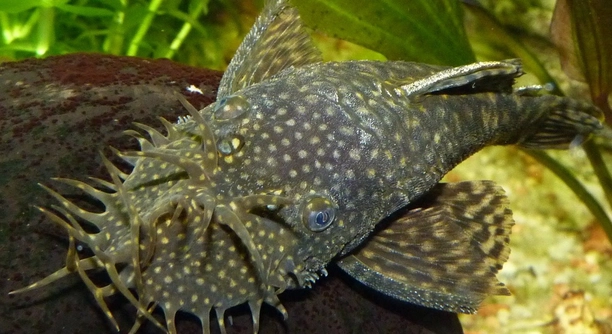
Are you thinking about adding a Common Pleco to your aquarium but unsure if it’s the right fit for your setup? These popular fish may seem easy to care for, but there’s more to consider.
Before getting a Common Pleco, it is important to understand their size, diet, tank requirements, and behavior. Many people underestimate how large they grow and the impact this can have on tank mates and water quality.
From long-term care needs to unexpected challenges, knowing what to expect will help you make a better decision for your tank.
They Grow Much Larger Than You Think
Many people buy Common Plecos when they are still small, often under four inches. However, they can grow up to two feet long in home aquariums. This large size can create space issues in tanks under 75 gallons. If your setup is not designed for such a big fish, you’ll likely run into problems. Overcrowding, poor filtration, and lack of swimming space can affect your Pleco’s health and stress out other tank mates. It’s not just about tank volume; the footprint matters too. These fish need space along the bottom to graze and move. Keep in mind that their waste output increases with size, so you’ll need a filter that can handle it. Some aquarists even upgrade tanks to accommodate one fully grown Pleco. Before purchasing, it’s essential to plan for the future and consider whether you can provide for a large, long-living fish.
Smaller tanks may seem fine at first, but they quickly become unsuitable as the Pleco grows.
If you’re working with a tank under 75 gallons, it’s better to explore smaller species that stay under six inches. Bristlenose Plecos, for example, remain manageable in size and still help with algae control. This alternative can save you space and future stress.
They Produce A Lot of Waste
Common Plecos are known for their large appetite and equally large waste production. As they grow, their impact on water quality becomes more noticeable. This is where many owners run into maintenance challenges.
Your tank’s filtration system will need to work overtime to keep up with the amount of waste a Common Pleco produces. These fish are constant grazers, scraping algae and leftover food throughout the day. As a result, their biological load increases rapidly with growth. Weekly water changes may not be enough—many aquarists move to biweekly or even daily cleaning schedules, especially in tanks near their capacity. A strong canister filter, regular substrate cleaning, and routine testing are necessary to keep ammonia and nitrate levels safe. Failing to manage this properly can lead to cloudy water, stressed tank mates, and potential health issues. A clean environment supports not only your Pleco but the entire aquatic community.
They Are Not Great Algae Cleaners Forever
Young Common Plecos eat algae regularly, but this changes over time. As they grow, their diet shifts, and they become less interested in cleaning algae. Relying on them for tank maintenance isn’t a long-term solution.
Many people get a Pleco thinking it will solve algae problems permanently. While juveniles are active cleaners, adult Plecos prefer meatier foods, vegetables, and sinking pellets. Their focus moves away from scraping glass or decorations, especially in well-fed tanks. If you’re looking for long-term algae control, it’s better to consider species like Otocinclus or Siamese algae eaters, which stay small and maintain algae-eating habits into adulthood. Feeding variety is also essential to keep your Pleco healthy. They can suffer from malnutrition if they are fed only algae wafers. Balanced nutrition helps reduce aggression and keeps their immune system strong.
Changing diet needs can be surprising. A bored or hungry Pleco might even damage driftwood or decorations while searching for food. Providing zucchini, cucumber, or blanched spinach helps meet their nutrition needs without disrupting your tank. Some Plecos also need wood in their diet to aid digestion. Without this, they may develop bloating or other digestive issues. Understanding their adult diet can prevent unnecessary stress and improve their overall health.
They May Become Aggressive Over Time
Plecos are often sold as peaceful community fish, but that can change with size and age. Once they mature, some individuals become territorial, especially in smaller tanks or when food is limited.
Territorial behavior is more likely when the tank doesn’t have enough space or hiding spots. Large Plecos may push other fish away from feeding areas or stake out sections of the tank, particularly around caves or driftwood. Scratches or missing scales on tank mates can be a sign of conflict. This is more common when Plecos are kept with other bottom dwellers like Corydoras or loaches. Even docile fish can become targets if the Pleco is stressed or hungry. Providing enough room and feeding at different tank levels can help prevent issues. Also, keep an eye on their interactions—signs of chasing or biting should be addressed before injuries occur. In some cases, rehoming may be necessary.
They Need More Than Just Algae Wafers
Feeding only algae wafers isn’t enough. Common Plecos need a balanced diet that includes vegetables and protein-rich foods. Without variety, they can develop health problems and may even stop eating altogether.
Zucchini, cucumber, spinach, and sinking pellets should be part of their regular diet. Occasional protein is also important.
They Live for a Very Long Time
Common Plecos can live 10 to 15 years, sometimes even longer with proper care. Many people are not prepared for this level of commitment when adding one to their tank. This isn’t a short-term pet, and their needs will change as they grow. Tank size, food, and filtration all become more demanding over time. Rehoming large fish can be difficult, especially if they’ve outgrown the average setup. It’s important to think ahead and ask if your setup will still work five or ten years from now. Keeping a Pleco long-term means being ready for larger tanks, stronger filters, and more frequent maintenance.
They Need Hiding Spots
Common Plecos are nocturnal and need hiding spaces to feel secure. Without caves or driftwood, they may become stressed and less active. Hiding spots also help reduce aggression and support natural behavior in your tank.
FAQ
How big do Common Plecos really get?
Common Plecos can grow up to 18 to 24 inches in length when fully mature. In smaller tanks, their growth may slow, but they do not stay small. Juveniles are often sold at just a few inches long, which can be misleading. As they grow, they require a much larger tank—at least 75 gallons, ideally more. Overcrowding or improper care doesn’t stop their growth; it can lead to health problems instead. If you’re considering one, it’s important to plan for the full adult size right from the start.
Can I keep a Common Pleco in a community tank?
It depends on the tank size and the other fish. Young Plecos are generally peaceful and do well in community tanks with calm species. But as they grow, they can become territorial and pushy, especially with other bottom dwellers. Tank mates like guppies or tetras are usually fine, but smaller catfish or loaches may face aggression. It’s best to provide plenty of space and hiding areas to prevent conflict. If the Pleco becomes aggressive, you may need to house it separately.
Do Common Plecos clean tanks?
They do eat algae as juveniles, which helps with tank cleanliness, but this changes with age. Adult Plecos prefer other foods and won’t keep the tank clean on their own. They also produce a lot of waste, so relying on them to handle algae or debris isn’t realistic. Good filtration and regular water changes are still necessary, even if you have a Pleco. Think of them more as a pet than a cleaner.
How often should I feed my Common Pleco?
Once a day is usually enough, preferably in the evening when they are more active. Offer a mix of sinking wafers, fresh vegetables like cucumber or zucchini, and occasional protein like bloodworms. Remove any uneaten food after 24 hours to prevent water quality issues. Overfeeding can lead to bloating or poor water conditions, while underfeeding might make them nibble on plants or decorations. Keep a consistent feeding schedule, and observe how much they eat within an hour.
What tank size does a Common Pleco need?
A minimum of 75 gallons is recommended, but larger is always better. These fish need swimming room and space to turn around, especially as they grow. Smaller tanks lead to stunted growth, stress, and waste buildup. Many people buy Plecos thinking they’ll be fine in a 20- or 30-gallon tank, but that setup quickly becomes unsuitable. If your current tank is too small, plan an upgrade early on to avoid future problems.
Do they need wood in their tank?
Yes, many Common Plecos benefit from having driftwood in their environment. It provides shelter and, more importantly, supports digestion. Some Plecos even rasp on the wood, which helps them process food better. Mopani or Malaysian driftwood are good options. Make sure the wood is aquarium-safe and pre-soaked before adding it to avoid water discoloration. If your Pleco starts showing signs of digestive discomfort, not having wood could be one of the reasons.
How can I tell if my Pleco is healthy?
A healthy Pleco is active at night, has a full belly, and shows no signs of damage on the skin or fins. Their color should be steady, and they should respond to food and light changes. Watch for symptoms like bloating, white spots, rapid breathing, or clamped fins, which may indicate stress or illness. A sudden change in behavior—like staying in the same spot or skipping meals—can be a warning sign. Good water quality, proper food, and enough space help prevent most issues.
Can I keep more than one Pleco in the same tank?
It’s not recommended unless you have a very large tank—over 150 gallons—and provide plenty of hiding spaces. Plecos can be territorial, especially with other Plecos. Keeping more than one in a small or mid-sized tank often leads to chasing, fighting, or stress. If you’re interested in having more than one, it’s better to explore other types of Plecos that stay smaller and are more social. Always monitor their behavior closely if housed together.
Final Thoughts
Getting a Common Pleco may seem simple at first, but it comes with long-term responsibilities. These fish are often sold when they are small, but they grow quickly and need a large tank to stay healthy. Many new owners don’t realize just how big they can get or how much space and care they require. While they are peaceful when young, they can become territorial over time, especially in crowded tanks. This can make it hard to keep them with other bottom-dwelling fish. If you want to add a Common Pleco to your tank, it is important to plan ahead and be ready for the long-term commitment. They can live for over a decade, and that means they will need proper space, food, and care for many years.
A Common Pleco is not the best choice if you’re looking for a small, low-maintenance algae eater. While they do eat algae when they are young, they shift to other foods as they grow. Their waste output is high, which can make tank maintenance harder instead of easier. Feeding them properly, offering wood for digestion, and making sure they have enough room are all important for keeping them healthy. They are not decorative fish to be added on a whim—they are living creatures that need attention and care. A lack of planning can lead to poor water quality, stunted growth, or behavior problems. It’s always better to choose a fish that matches your current setup, rather than adjusting your setup after issues come up.
If you are sure you can meet their needs, a Common Pleco can be a peaceful and interesting addition to your tank. They are hardy and can adapt to many water conditions if cared for properly. Watching them explore, rest upside down, or rasp on driftwood can be enjoyable. Just make sure you understand their size, diet, and habits before bringing one home. It helps to talk to other aquarists, check tank size guidelines, and avoid common myths about Plecos being low-maintenance algae cleaners. Responsible fishkeeping starts with good research and realistic expectations. If you give them the space and support they need, they can thrive in your aquarium for years to come.

Hello,
If you enjoy the content that we create, please consider saying a "Thank You!" by leaving a tip.
Every little bit helps us continue crafting quality advice that supports the health, happiness, and well-being of pets around the world, for pets of all shapes, sizes, and species.
We really appreciate the kindness and support that you show us!