
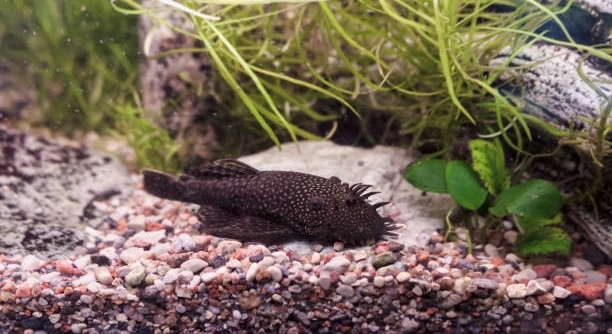
Creating the perfect tank for your plecostomus involves more than just water and rocks. These unique fish require specific decor to thrive and feel comfortable in their environment. Whether you’re a beginner or an expert, there are simple solutions.
To keep your plecostomus healthy and happy, choose decor that mimics their natural habitat. Include driftwood, caves, and smooth rocks, which provide hiding spots and surface areas for grazing. Make sure the decor doesn’t have sharp edges to avoid injury.
The right tank setup can enhance your pleco’s health and behavior, helping you create a thriving aquarium.
Driftwood: A Must-Have for Plecostomus Tanks
Driftwood is an essential decor item for plecostomus tanks. Plecos love to graze on the biofilm that forms on the wood, which is a natural part of their diet. It also provides hiding spots, allowing them to feel secure. The texture of driftwood mimics their natural habitat, offering a place to rest and explore. When choosing driftwood, make sure it’s aquarium-safe and free of any chemicals. Over time, it will soften the water slightly, which can be beneficial for your pleco. Ensure that the pieces are securely placed to avoid them shifting and disturbing the tank setup.
To keep the wood clean, scrub it gently before placing it in the tank. This ensures no harmful bacteria or mold is introduced. As your pleco interacts with the driftwood, it will develop a comfortable territory in the tank, which is crucial for reducing stress.
Driftwood also adds an aesthetic touch to the aquarium. Its natural, rustic appearance enhances the overall look of the tank. Pairing it with live plants can make your tank look even more natural and lively.
Aquatic Plants for Hiding and Grazing
Adding live plants to your tank creates a more stimulating environment for your pleco. Plecos love to graze on plants, especially algae that grows on leaves. Make sure to choose plants that are hardy and can withstand the occasional nibbling.
Plants not only provide food but also give plecos a place to hide and seek shelter. Some great plant options include Java ferns, Anubias, and Amazon swords. These plants are tough and easy to care for, thriving in low to moderate light.
Caves and Hiding Spots
Plecostomus fish are naturally nocturnal, seeking shelter during the day. Providing caves or hiding spots is essential to reduce stress. These spaces mimic the crevices found in their natural habitat and allow them to rest in peace. Ensure the hiding spots are large enough for your pleco to comfortably fit.
You can use ceramic, plastic, or natural stone caves, ensuring they are smooth and free of sharp edges. The entrance should be wide enough to let your pleco enter and exit easily. Hiding spots will also make your pleco feel secure, which is important for their health and well-being. Plecos tend to be shy, so they appreciate a place where they can retreat.
A well-placed cave can encourage natural behavior, like exploring and cleaning algae off surfaces. Be mindful of the tank layout to avoid overcrowding, giving your pleco enough room to swim freely.
Smooth Rocks and Gravel
Rocks and gravel are great additions for plecostomus tanks, providing texture and a sense of security. Smooth rocks are ideal, as they prevent injuries while offering a place to explore. Plecos will graze on algae that naturally grows on rocks, making them an excellent addition to their diet.
Avoid sharp-edged rocks, as they can cause damage to your pleco’s sensitive skin. You can also create small piles of smooth rocks to mimic a natural environment. If you use gravel, make sure it’s fine enough to prevent it from harming the pleco. Larger gravel or sharp rocks could be uncomfortable for your pleco to navigate.
Placing the rocks strategically in the tank will create hiding spots and offer more grazing surfaces. Combining rocks with driftwood and plants creates a balanced environment that mimics the pleco’s natural habitat, ensuring they stay active and healthy.
Leaf Litter for Natural Habitat
Adding leaf litter to your plecostomus tank offers several benefits. It mimics their natural environment, providing a substrate for beneficial bacteria to grow. Plecos enjoy scavenging through the leaves, which also promotes natural behavior. Ensure the leaves you use are aquarium-safe and free of pesticides.
Dried oak, almond, or magnolia leaves are popular choices. As they decompose, they release tannins that slightly lower the pH, creating a softer water environment. The decomposing leaves will also provide nutrients for the tank’s ecosystem, encouraging growth of biofilm and algae that plecos love to graze on.
Floating Decorations
Floating decorations such as plants or leaf litter add texture and offer shelter without taking up too much space. Plecos appreciate the floating surfaces for rest or grazing. They also help break up the flow of water, allowing your pleco to swim around more comfortably.
Floating decorations like water lilies or floating rocks give your pleco a place to explore without restricting its movement. They can also serve as a place to hide, creating more natural spots for your pleco to seek refuge.
Gravel Substrate for Surface Grazing
A fine gravel substrate is ideal for plecos that like to graze on surfaces. It provides a natural area for your pleco to scavenge for food and biofilm. Make sure the gravel is smooth and easy for your pleco to move around on.
FAQ
What type of decor is best for plecostomus?
For plecostomus, the best decor includes driftwood, smooth rocks, caves, and live plants. Driftwood provides a surface for grazing and creates hiding spots. Smooth rocks add texture, while caves give your pleco a place to rest and feel secure. Plants, like Java ferns or Anubias, can offer natural hiding spots and provide surfaces for biofilm growth. These decor items replicate a pleco’s natural environment, helping them feel more comfortable.
Can I use plastic decorations in my pleco tank?
Plastic decorations can be used, but it’s important to ensure they are smooth and free of sharp edges. Plecostomus have sensitive skin, and sharp edges could cause injury. Always check for potential hazards before placing them in your tank. If possible, opt for aquarium-safe plastic decorations designed for fish tanks, as they’re specifically made to be safe.
How can I provide enough hiding spots for my plecostomus?
To provide sufficient hiding spots, include caves, large rocks, or driftwood. Plecos are nocturnal and need dark, quiet spaces to rest during the day. Creating multiple hiding spots ensures your pleco has plenty of options to feel secure. You can arrange these decor items in different areas of the tank to give your pleco a sense of ownership over its territory.
Is it necessary to use live plants in a plecostomus tank?
While not strictly necessary, live plants are highly beneficial in a plecostomus tank. They provide a natural environment and help improve water quality by absorbing excess nutrients. Additionally, plants offer places for plecos to hide and graze on algae. Live plants like Java ferns, Anubias, or Amazon swords are hardy and easy to care for, making them ideal for pleco tanks.
Do plecostomus need special substrates in their tank?
Plecostomus don’t require a specific substrate, but a fine, smooth gravel is recommended. This type of substrate is easy for them to navigate and won’t harm their sensitive barbels. A fine gravel also promotes the growth of biofilm and algae, which plecos graze on. Avoid using sharp or coarse substrates that could damage their skin or fins.
What is the role of driftwood in a plecostomus tank?
Driftwood is essential for creating a natural environment for plecostomus. It provides a place for plecos to graze on biofilm, and the wood offers shelter and security. Over time, driftwood releases tannins that slightly acidify the water, which can benefit plecos. It also helps to mimic the conditions of their natural habitat, making them feel more comfortable.
How do I maintain the decorations in my plecostomus tank?
Maintaining decorations involves regular cleaning to remove algae and debris. For driftwood, rinse it in warm water to prevent mold growth. Smooth rocks can be scrubbed with a soft brush to remove biofilm. For live plants, trim them regularly and remove any dead leaves. Avoid using harsh chemicals when cleaning, as they can harm your pleco and other tank inhabitants.
Can I add aquarium salt to a plecostomus tank?
Aquarium salt should only be used in small quantities and for specific purposes, such as treating illness or supporting healing. Plecostomus are sensitive to salt, so excessive amounts can be harmful. Always research proper salt use for your specific tank needs before adding any to avoid stress or health issues for your pleco.
Do plecos like to hide during the day?
Yes, plecostomus are nocturnal and typically hide during the day to rest. They feel most secure in dark, quiet spots. Providing hiding places like caves, driftwood, or dense plant cover will help your pleco feel safe and reduce stress. At night, they become more active, foraging for food and exploring the tank.
What are some tank mates that go well with plecostomus?
Plecos are generally peaceful and can coexist with many other species. Good tank mates include other peaceful bottom dwellers, like Corydoras catfish or smaller freshwater fish. Avoid aggressive or overly territorial species, as they may stress your pleco. Ensure that the tank is large enough to accommodate all inhabitants comfortably.
How often should I change the decorations in my pleco tank?
Decorations in your pleco tank don’t need to be changed frequently. However, you should check them regularly for any signs of wear, algae buildup, or sharp edges that could harm your pleco. Once every few months, it’s a good idea to rearrange the decor or replace any items that are no longer safe or beneficial.
What is the best way to introduce new decor to the tank?
When introducing new decor, clean it thoroughly before placing it in the tank. Rinse off any dust, dirt, or debris to ensure no harmful substances are added to the water. Gradually introduce new items to avoid disturbing your pleco’s environment too much, as they may be stressed by sudden changes.
Can plecostomus live in a tank without decorations?
While plecostomus can survive in a tank with minimal decor, providing a decorated environment is important for their well-being. They thrive in a habitat that mimics their natural surroundings, with places to hide, graze, and explore. A tank without decorations can lead to stress and a lack of natural behavior, so it’s best to include some form of decor.
How can I prevent algae buildup in a plecostomus tank?
Algae buildup is common in tanks with plecostomus, as they naturally graze on algae. However, to prevent excessive growth, limit the amount of direct light the tank receives. Regularly clean the tank and remove excess algae manually, especially from surfaces your pleco can’t reach. You can also introduce other algae-eating tank mates, like snails, to help control algae levels.
Final Thoughts
Setting up a tank for your plecostomus can be a rewarding experience, providing both a healthy environment for your fish and a visually appealing display for your home. The key to creating a suitable space for your pleco is choosing the right decorations, such as smooth rocks, driftwood, and plants. These items mimic the natural habitat of plecostomus, which is essential for their well-being. Providing enough hiding spots and grazing surfaces encourages natural behaviors and reduces stress. This setup not only ensures your pleco’s happiness but also contributes to a balanced ecosystem in the tank.
It’s also important to consider the maintenance of your pleco’s tank. Regular cleaning of decorations, substrates, and plants will help keep the water quality high, benefiting both your pleco and any other tank mates. Remember, plecos are sensitive creatures and can be easily stressed by sudden changes in their environment. Keeping the decor simple, functional, and safe will promote a stable environment. Regular water testing and maintenance routines will ensure your plecostomus thrives long-term. A well-maintained tank with appropriate decorations can make your pleco feel at home and more comfortable in its environment.
Lastly, creating the perfect tank for your plecostomus doesn’t require an overwhelming amount of effort, but attention to detail is key. By selecting the right decorations, keeping the water clean, and providing spaces for hiding and grazing, you create a healthy habitat for your pleco. Over time, your plecostomus will grow more accustomed to the environment you’ve set up, helping it stay active and stress-free. With the right approach, you’ll enjoy watching your pleco thrive and bring a natural touch to your aquarium setup.

Hello,
If you enjoy the content that we create, please consider saying a "Thank You!" by leaving a tip.
Every little bit helps us continue crafting quality advice that supports the health, happiness, and well-being of pets around the world, for pets of all shapes, sizes, and species.
We really appreciate the kindness and support that you show us!