
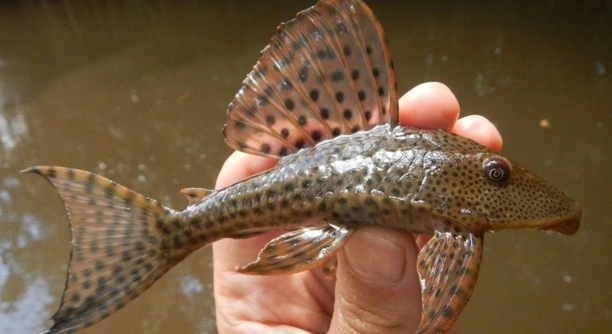
Plecos are a popular choice for aquarium owners due to their peaceful nature and algae-eating habits. However, many owners have concerns when these fish seem to stay still for extended periods. Understanding their behavior can help ease any worries.
It is normal for plecos to stay still at times, especially during the day when they are resting or hiding in dark spots. Plecos are nocturnal creatures, and they often become more active during the night when it is quieter and less bright.
Their stillness may indicate a restful phase or a sign of environmental stress. Understanding why this happens and how to address potential issues is essential for keeping your pleco healthy and happy.
Why Do Plecos Stay Still?
Plecos are known for their calm nature and algae-eating habits. When you notice your pleco staying still, it’s important to remember that this behavior is often normal. Plecos are nocturnal creatures, meaning they’re more active at night, and during the day, they may rest or seek hiding spots. It’s also common for them to find a safe corner or spot in the tank, especially if they feel stressed or insecure. A healthy pleco might appear motionless, but they are simply conserving energy and resting.
The stillness of your pleco doesn’t necessarily mean something is wrong. However, if they stay still for too long, it could indicate a change in their environment or health. For example, if your pleco seems more sluggish than usual, it might be dealing with water quality issues or stress from tank mates.
Knowing the signs of distress or illness can help you monitor your pleco’s health. If they remain motionless for extended periods or refuse food, it may be time to inspect their tank conditions or seek professional advice. Regular monitoring of water parameters and ensuring a stress-free environment are key to their well-being.
Environmental Factors to Consider
Water quality plays a significant role in your pleco’s activity level. If the water is too warm or the levels of ammonia or nitrate are high, your pleco might become lethargic.
Ensure your pleco’s environment is optimal by maintaining proper water temperature and performing regular water changes. Inadequate filtration, overcrowding, or incompatible tank mates can also lead to stress. A stressed pleco is more likely to hide or remain still, as it feels unsafe. Proper tank setup, with hiding places and enough space, helps reduce stress and allows your pleco to thrive.
Stress and Plecos: The Connection
Stress can cause a pleco to stay still for long periods. Factors like overcrowding, tank mates, or sudden changes in water parameters contribute to stress. If your pleco is hiding, it could be a sign they feel threatened or unsafe.
Improper tank setup and frequent disturbances can make your pleco retreat to dark corners. A peaceful, secure environment encourages plecos to explore and be active. Ensure your tank has enough hiding spaces, and avoid sudden changes in their surroundings. Adding compatible tank mates can also reduce stress, allowing your pleco to feel secure.
If your pleco stays still and shows signs of stress, it’s crucial to assess their tank. Monitor the water temperature, pH, and other levels regularly to prevent any discomfort. Keep disturbances to a minimum, and make sure they have ample space to roam and hide. A balanced, stable environment promotes their natural behavior and activity levels.
Signs of Illness in Plecos
If a pleco is consistently still and refusing food, it may be a sign of illness. Plecos can become inactive due to waterborne diseases, parasites, or bacterial infections. Look for physical signs like discoloration or unusual growths.
Pay attention to changes in your pleco’s behavior and appearance. If the fish is lethargic or has trouble swimming, it’s a clear indication that something might be wrong. In such cases, testing water quality is essential to rule out environmental issues. If the water is fine, consider checking for common pleco illnesses, such as ich or skin lesions, which can cause discomfort and a decrease in activity.
Treatment for any illnesses should be administered promptly to avoid further stress. If you’re unsure, consulting with a veterinarian or aquatic expert can help you understand what’s affecting your pleco and guide you in providing the appropriate care.
Water Temperature and Pleco Activity
Water temperature directly affects pleco behavior. If the water is too cold, your pleco may stay still to conserve energy. Maintaining a steady temperature within their preferred range (74-80°F) ensures they remain active and healthy.
Temperatures that are too high can also lead to lethargy and stress. It’s important to check your tank’s heater regularly to avoid fluctuations. A stable temperature helps maintain your pleco’s natural rhythm, encouraging it to be active during its more active nighttime hours.
The Role of Tank Size and Space
Plecos need space to feel comfortable. A cramped tank can lead to inactivity as your pleco looks for a place to hide. Providing enough room allows them to swim freely and explore their environment.
Make sure your tank is large enough for your pleco to move around without feeling crowded. A larger tank, with enough hiding places, will reduce stress and help your pleco feel secure. If your pleco is confined to a small space, it may become inactive or appear stressed due to limited mobility.
Tank Mates and Pleco Behavior
Having incompatible tank mates can cause stress for your pleco, leading to periods of stillness. Aggressive fish or species that invade their space may cause your pleco to retreat and stay hidden.
To avoid this, choose peaceful and compatible tank mates for your pleco. Species like tetras, snails, or other non-aggressive fish can coexist without disturbing your pleco. When setting up your tank, it’s essential to consider the temperament of each species to ensure a harmonious environment for everyone.
FAQ
Is it normal for plecos to stay still for long periods?
Yes, it’s normal for plecos to remain still for extended periods. Plecos are nocturnal creatures, and during the day, they tend to rest. They may hide in dark spots or stay motionless as they conserve energy. However, if they are consistently still and not eating, it’s worth checking their environment for possible issues.
Why is my pleco staying still and not eating?
If your pleco is staying still and not eating, it could be a sign of stress, illness, or poor water conditions. Start by checking the water parameters such as temperature, pH, and ammonia levels. If these seem normal, observe for signs of illness, like changes in color or skin lesions. It might also be related to incompatible tank mates or overcrowding, which can make your pleco feel unsafe or stressed.
How do I know if my pleco is stressed?
Stressed plecos may exhibit behaviors like hiding frequently, staying still, or showing reluctance to eat. You might also notice them darting around the tank in an erratic manner or spending more time near the bottom. If your pleco is suddenly acting differently, it’s important to examine their tank for signs of stress, such as poor water quality, overcrowding, or aggressive tank mates.
Can poor water quality cause a pleco to stay still?
Yes, poor water quality is a major factor that can cause a pleco to stay still. High levels of ammonia, nitrites, or nitrates, as well as incorrect pH levels or water temperature, can all stress your pleco, leading to lethargy. Regular water testing and maintaining a clean tank with proper filtration will ensure your pleco remains healthy and active.
What are the ideal water conditions for a pleco?
Plecos prefer water temperatures between 74°F and 80°F. The pH should be between 6.5 and 7.5, and water hardness should be moderate. Regular water changes and proper filtration are key to maintaining these conditions. Be sure to test the water regularly and adjust if needed to keep your pleco healthy.
Should I be concerned if my pleco stays in one spot?
Not necessarily. Plecos often rest in one spot, especially during the day. They prefer low-light areas and will sometimes remain motionless for hours, particularly if they feel safe or if they’re conserving energy. However, if this behavior becomes excessive or is paired with other symptoms like a lack of appetite, further investigation is needed.
How can I help my pleco feel more comfortable in the tank?
To help your pleco feel comfortable, provide plenty of hiding spots, such as caves or plants, where they can retreat when feeling stressed. Make sure your tank has enough space for them to swim freely. Reducing disturbances in the tank and keeping other fish calm will also help your pleco feel secure and more active.
Is it safe for my pleco to share a tank with other fish?
Yes, plecos can share a tank with other peaceful fish. However, be cautious when choosing tank mates. Avoid aggressive fish that might chase or bully your pleco. In general, plecos do well with species that are not territorial and won’t compete for hiding spots or space. Tetras, mollies, and snails are good options.
What should I do if my pleco isn’t swimming?
If your pleco isn’t swimming, it could be due to stress, illness, or water quality issues. First, check the water parameters and make sure the temperature and pH are within the appropriate range. If the water is fine and there are no obvious stressors, consider whether the pleco might be ill. Look for signs like skin lesions, discoloration, or trouble moving. If the behavior persists, consider seeking advice from an aquatic veterinarian.
How often should I clean the tank for my pleco?
To keep your pleco healthy, it’s important to perform regular water changes and clean the tank. Aim to change 25-30% of the water every 1-2 weeks. Cleaning the filter and removing excess debris from the substrate will also help maintain good water quality. Make sure not to disturb your pleco too much during cleaning, as this can cause stress.
Can a pleco’s diet affect its behavior?
Yes, a pleco’s diet can influence its behavior. Plecos primarily eat algae, but they also need a balanced diet that includes sinking pellets, vegetables like zucchini, and occasional protein. A lack of variety in their diet may lead to lethargy or health problems. Make sure to provide a well-rounded diet to keep your pleco healthy and active.
Are plecos more active at night?
Yes, plecos are nocturnal and tend to be more active during the night. They may stay still during the day, resting or hiding, and become more active when the lights go out. This behavior is typical and should not be a cause for concern as long as the pleco appears healthy otherwise.
How long can plecos stay still without it being harmful?
Plecos can stay still for long periods, especially when resting. As nocturnal animals, they often conserve energy during the day. If they stay still for 12-24 hours without eating or showing signs of illness, it’s usually fine. However, prolonged inactivity combined with other symptoms could indicate a problem that requires attention.
Final Thoughts
In conclusion, it’s normal for plecos to stay still for long periods, especially during the day. As nocturnal creatures, they are naturally more active at night, and during the day, they often rest or hide in shaded areas of the tank. Plecos tend to conserve energy, so staying still is simply part of their routine. However, it’s important to observe your pleco’s overall behavior. If the inactivity is paired with other signs such as lack of appetite, changes in appearance, or strange swimming behavior, it might be a sign of stress, illness, or poor water conditions.
Maintaining the right environment is key to keeping your pleco healthy and active. Regular water changes, proper filtration, and monitoring of temperature and pH levels ensure that your pleco remains comfortable. A clean, spacious tank with hiding spots is essential for reducing stress, which can lead to inactivity. It’s also important to choose compatible tank mates to avoid aggressive behavior, which can stress out your pleco. If the pleco feels threatened or unable to find enough food, it may resort to staying still or hiding.
By understanding your pleco’s needs and behavior, you can ensure it leads a happy, healthy life in your tank. Regularly checking water quality, providing a balanced diet, and maintaining a stress-free environment will keep your pleco active and thriving. If your pleco remains still for long periods and shows signs of illness or distress, it may require attention to its environment or health. With the right care, your pleco will feel secure and continue to bring beauty and life to your aquarium.

Hello,
If you enjoy the content that we create, please consider saying a "Thank You!" by leaving a tip.
Every little bit helps us continue crafting quality advice that supports the health, happiness, and well-being of pets around the world, for pets of all shapes, sizes, and species.
We really appreciate the kindness and support that you show us!