
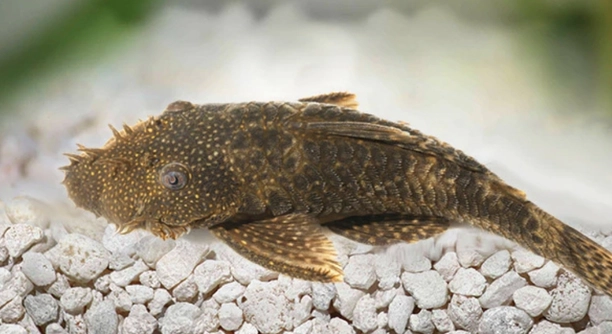
Plecos are popular aquarium fish, but like all pets, they can face health issues. Understanding the common diseases they may encounter helps with early detection and better care. Identifying problems early can ensure a healthier, happier fish.
Plecos are susceptible to a variety of diseases, such as Ich, velvet disease, and skin ulcers. Regularly monitoring their behavior and physical appearance is crucial. Keeping water conditions stable and maintaining a proper diet can prevent many common health issues.
Recognizing these diseases early can help prevent further complications, ensuring your pleco stays healthy and thrives in its environment.
Common Pleco Diseases to Watch Out For
Plecos are known for their hardiness, but that doesn’t mean they’re immune to diseases. Some of the most common issues they face include external parasites, bacterial infections, and fungal growths. These problems can usually be traced to poor water quality or improper tank conditions. When water parameters are out of balance, plecos can become stressed, making them more susceptible to illness. Proper filtration and routine water changes are vital to keeping these fish healthy. Additionally, a well-rounded diet rich in nutrients supports their immune system and helps prevent disease.
If you notice any sudden behavioral changes in your pleco, such as lack of appetite, unusual swimming patterns, or visible lesions, it’s crucial to act quickly. These could be signs of a bacterial infection or parasites. Always inspect the fish’s skin for white spots, redness, or slimy patches. Catching these symptoms early can prevent the spread of infection to other tank mates.
Regular observation of your pleco’s condition is the best defense against these common diseases. Monitoring the tank environment and maintaining a clean, stable habitat will go a long way in preventing health issues.
Ich (White Spot Disease)
Ich is one of the most common diseases affecting plecos. It’s caused by a protozoan parasite, which appears as small white spots on the skin and fins.
The parasite thrives in warm, stressed conditions. It can spread rapidly, especially in tanks with poor water quality. To treat Ich, raise the water temperature slightly and add aquarium salt. This speeds up the parasite’s life cycle and helps eliminate it faster. However, it’s important not to overheat the tank, as plecos prefer cooler temperatures. To prevent future outbreaks, ensure the tank has proper filtration and avoid overcrowding.
Early detection of Ich is key to treating it successfully. If left untreated, it can be fatal. Isolating affected fish in a quarantine tank can prevent the spread of the parasite to other inhabitants. It’s also crucial to keep an eye on water conditions, as a stressed fish is more likely to become infected.
Velvet Disease
Velvet disease is caused by the Oodinium parasite, which leaves a gold or rust-colored coating on the pleco’s skin. It’s often mistaken for dirt or sand but is more serious. The disease can spread quickly, especially in tanks with poor water circulation.
To treat velvet disease, increase water temperature slightly and use copper-based treatments. The parasite thrives in cooler, stable environments, so raising the temperature helps speed up its life cycle and makes the treatment more effective. It’s also essential to improve filtration and clean the tank regularly to remove any remaining spores.
Untreated velvet disease can lead to severe damage, including the loss of skin and fin tissue. Make sure to closely monitor your pleco’s condition during treatment. Keep the affected fish isolated in a quarantine tank to prevent it from spreading to other fish. Regular water changes are important, and maintaining proper water quality will help avoid future outbreaks.
Skin Ulcers
Skin ulcers are often caused by bacterial infections or injury, leading to open, infected sores on the pleco’s body. These ulcers can be caused by poor water quality or physical damage. It’s important to take action as soon as they appear.
Treating skin ulcers usually requires antibiotic treatment and improving the overall tank conditions. Clean the tank regularly, perform water changes, and remove any debris that could cause further injury. Keeping the pleco in a quarantine tank allows for focused treatment and prevents contamination of other tank mates.
If left untreated, skin ulcers can worsen and lead to severe infections. Isolating the infected fish and providing proper care will help ensure that the infection doesn’t spread. Ensuring water quality and providing a balanced diet can help your pleco recover and avoid recurring issues.
Swim Bladder Disease
Swim bladder disease causes plecos to have difficulty swimming. They may float to the surface or struggle to stay at the bottom. This can be caused by poor diet, constipation, or infection. It’s essential to pinpoint the underlying cause for effective treatment.
To treat swim bladder disease, ensure the pleco’s diet is balanced, with high-quality food that aids digestion. Feeding the pleco a blanched pea can help relieve constipation. In some cases, medication may be necessary if the issue stems from infection. Monitor the pleco for improvement and adjust the tank’s water quality if needed.
Improving water conditions, such as reducing ammonia levels and increasing oxygen, can also help the pleco recover. Regular water changes and avoiding overfeeding will reduce the risk of swim bladder issues. If the condition persists, seek advice from an aquarium professional for more targeted treatment options.
Fin Rot
Fin rot is a bacterial infection that causes the pleco’s fins to deteriorate. This often happens due to poor water quality or injury. You might notice the fins becoming frayed or discolored.
To treat fin rot, perform regular water changes and maintain a clean tank environment. Adding aquarium salt can help reduce bacterial growth. If the infection is severe, antibiotics are required. Isolate the affected pleco to prevent the spread of bacteria to other fish in the tank. Keeping the tank clean and ensuring proper filtration is essential in preventing future occurrences.
FAQ
What causes plecos to get sick?
Plecos can get sick due to a variety of factors, including poor water quality, improper diet, overcrowded tanks, and stress. Water conditions such as high ammonia levels, low oxygen, or fluctuating temperatures can weaken their immune system, making them more susceptible to disease. Overfeeding or giving them food that doesn’t meet their nutritional needs can also lead to health problems. To keep your pleco healthy, maintain stable water parameters and provide a well-balanced diet. Regular tank maintenance is crucial to avoid potential issues.
How can I prevent pleco diseases?
The best way to prevent diseases in plecos is by maintaining a clean and stable tank environment. Regular water changes, proper filtration, and keeping water temperature and pH levels consistent are essential. Additionally, avoid overcrowding the tank, as this can lead to stress and competition for resources. Providing a nutritious, varied diet also helps strengthen their immune system, making them less vulnerable to infections. Regularly inspect your pleco for any signs of illness, and ensure the tank is free from sharp objects or debris that could cause injury.
Why is my pleco’s skin turning white?
White skin on a pleco could be a sign of Ich, a common parasitic infection. This disease appears as white spots on the skin and fins. It’s highly contagious and often occurs when the water temperature is too low or when the fish is stressed. To treat Ich, raise the water temperature to around 80°F (27°C) and add aquarium salt. In severe cases, copper-based treatments can help. Early detection and treatment are key to preventing the spread to other fish in the tank.
How can I treat velvet disease in plecos?
Velvet disease causes a golden or rusty coating on the skin and is caused by the Oodinium parasite. To treat velvet disease, raise the water temperature slightly and use a copper-based treatment. The parasite thrives in cool, stagnant water, so increasing the temperature speeds up its life cycle, helping the medication work more effectively. It’s also important to maintain proper filtration and remove any debris that could harbor parasites. A separate quarantine tank may be necessary to avoid infecting other fish in the main tank.
Why is my pleco swimming erratically?
Erratic swimming can be a sign of several issues. It could be a result of swim bladder disease, which causes the pleco to have trouble staying balanced in the water. Other causes might include stress, poor water quality, or an injury. If swim bladder disease is suspected, try feeding the pleco a blanched pea to help with digestion and constipation. Also, check the water parameters and ensure they are within the ideal range for plecos. If the erratic swimming continues, consider isolating the fish in a quarantine tank for further observation.
What should I do if my pleco has fin rot?
Fin rot is a bacterial infection that causes the fins to deteriorate. It can be caused by poor water quality, injury, or stress. To treat fin rot, increase water quality by performing water changes and improving filtration. Adding aquarium salt to the tank can help reduce bacterial growth. In more severe cases, you may need to use antibiotics specifically designed for treating bacterial infections in fish. Keep the affected pleco in a quarantine tank to prevent the infection from spreading to other fish. Isolating the pleco allows for more focused care and monitoring.
How do I know if my pleco is stressed?
Stress in plecos can be identified by changes in behavior, such as hiding more often, loss of appetite, or unusual swimming patterns. Stressed plecos may also have a faded or dull color. Common causes of stress include poor water quality, sudden temperature changes, overcrowding, or aggressive tank mates. To reduce stress, ensure the pleco’s tank environment is stable, with clean water, appropriate temperature, and enough space for them to move freely. Adding hiding spots, like caves or plants, can also help your pleco feel more secure.
Can plecos get sick from tank mates?
Yes, plecos can contract diseases from other fish in the tank. Many diseases are highly contagious and can spread from one fish to another, especially in crowded tanks. If you notice any signs of illness in your pleco, isolate it immediately to prevent the infection from spreading. Also, avoid adding new fish to the tank without quarantining them first. This can help prevent the introduction of diseases. Regular water testing and cleaning the tank also help minimize the risk of infection from tank mates.
How often should I change my pleco’s tank water?
Water changes are essential for maintaining a healthy environment for your pleco. A general rule of thumb is to change 25-30% of the water every 1-2 weeks. However, if you have a high bioload or notice deteriorating water quality, more frequent water changes may be necessary. Make sure to test the water for ammonia, nitrite, and nitrate levels before changing it. Consistent water changes help keep the tank environment stable and prevent the buildup of harmful chemicals that can stress or harm your pleco.
Is it normal for plecos to hide?
Yes, plecos are nocturnal and may prefer hiding during the day. They tend to be more active at night when the tank lights are off. If your pleco is hiding, it’s usually nothing to worry about. However, if it starts hiding more than usual or shows signs of illness, it’s a good idea to check water quality and overall tank conditions. Providing caves or plants in the tank gives your pleco plenty of hiding spots, which can help it feel secure.
Final Thoughts
Plecos are hardy fish, but they are still susceptible to various diseases. Recognizing the symptoms early and taking swift action can help save them from serious health issues. Regularly monitoring your pleco’s behavior, color, and swimming patterns is important for identifying potential problems. Keeping the water clean, maintaining proper filtration, and ensuring your pleco’s diet is balanced are key factors in preventing diseases. The better you care for their environment, the less likely your pleco will face major health issues.
It’s also important to remember that plecos, like any fish, require a stable and stress-free environment. Sudden changes in water parameters or tank mates can lead to stress, making them more prone to illnesses. Providing hiding spots and avoiding overcrowding can go a long way in ensuring your pleco feels secure in its environment. Regular tank maintenance, including water changes and testing, should be part of your routine to keep everything in check. By addressing minor issues before they become major problems, you’ll have a healthy and thriving pleco for years to come.
While diseases are a part of owning any fish, they don’t have to be a source of constant worry. Understanding the most common pleco diseases and knowing how to spot them early can help you act quickly. Even if your pleco shows signs of illness, prompt treatment and proper care can often lead to a full recovery. Keep in mind that fish care is an ongoing responsibility, but with proper knowledge and attention, you can provide your pleco with a long, healthy life.

Hello,
If you enjoy the content that we create, please consider saying a "Thank You!" by leaving a tip.
Every little bit helps us continue crafting quality advice that supports the health, happiness, and well-being of pets around the world, for pets of all shapes, sizes, and species.
We really appreciate the kindness and support that you show us!