
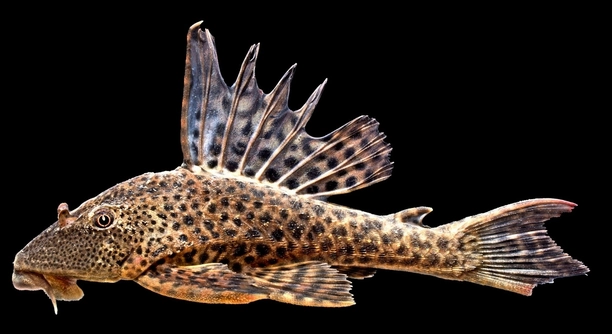
Many aquarium owners enjoy having a Plecostomus in their tanks for its ability to clean algae. But some may wonder if these fish can be trained to do more than just swim around.
Plecostomus, also known as plecos, are not easily trainable in the traditional sense. They are primarily focused on their natural behaviors, such as feeding and maintaining a clean environment. Training them beyond these actions is difficult.
Understanding what is and isn’t possible when it comes to pleco behavior can help you manage your tank more effectively and provide a healthy environment for your fish. Let’s take a closer look at their habits.
What Are Plecostomus Fish Known For?
Plecostomus, or plecos, are often chosen for their algae-eating abilities. These fish help keep aquariums clean by consuming algae that can build up on surfaces. Their natural behavior is focused on scraping algae from rocks, glass, and decorations. As bottom dwellers, they spend most of their time on the tank floor, using their sucker-like mouths to gather food. Plecos are also peaceful and typically do not interact much with other fish, making them easy to keep in community tanks. While they may occasionally move around the tank, they prefer hiding in caves or crevices during the day. Their job in maintaining a clean environment is highly valued by aquarium owners.
Some plecos, like the common Plecostomus, grow large, so it’s important to ensure your tank is spacious enough to accommodate them. Smaller species, such as the bristlenose pleco, stay more manageable in size, offering a bit more flexibility in tank size. With the right conditions, plecos thrive and provide natural cleaning for your aquarium.
It’s important to note that, while plecos eat algae, they should not be relied upon as the sole source of tank cleaning. They also need a varied diet that includes sinking pellets or vegetables to stay healthy.
Can You Train a Plecostomus?
Plecostomus fish are not the type of creatures you can train in the same way as pets like dogs or parrots. Their instincts and behavior are focused on survival, feeding, and creating a clean environment. Plecos are not particularly social, and their main goal in life is to meet basic needs, such as finding food and shelter. Therefore, their ability to respond to training is limited.
Even with regular interaction, plecos are not inclined to learn commands or tricks. The idea of “training” a pleco is more about creating a routine that suits their needs rather than attempting traditional behavior training. Plecos will learn to associate certain feeding times with food, but they won’t perform actions in response to cues like other animals.
While they can become accustomed to a specific tank environment or feeding pattern, their actions will always be driven by instincts rather than learned behavior. Simply put, plecos will remain largely uninterested in engaging with humans or performing specific tasks on command. Instead, their natural behaviors will continue to dominate.
Understanding Plecostomus Behavior
Plecos are primarily focused on their instincts, such as feeding and seeking shelter. These behaviors are not easily altered or redirected, which makes training difficult. They don’t respond to cues or commands in the way that more interactive pets might.
The natural instincts of plecos are rooted in survival. They spend most of their time searching for food, primarily algae, and hiding in the tank for protection. These actions are driven by their need for sustenance and security, not by external training or interaction. Plecos are solitary creatures that don’t engage in social behaviors with other tank mates.
While they may recognize feeding times and become familiar with their tank environment, they won’t actively seek interaction with humans. Their behaviors remain constant, and the routines they follow are tied to their basic needs. Plecos are content in their environment as long as food and shelter are provided.
Tank Setup for Plecostomus
Creating an ideal habitat for plecos is essential to their well-being. Since plecos are bottom dwellers, having plenty of hiding spots and a clean tank is necessary. Caves, rocks, and driftwood make great additions to their environment.
When setting up a tank for plecos, it’s important to consider the size of the fish as they can grow quite large. A 75-gallon tank is often recommended for larger species, ensuring they have enough space to move freely. The water should be well-filtered, as plecos can produce a lot of waste. Adding live plants can also help with maintaining water quality, as plants absorb nutrients that would otherwise contribute to algae growth.
Plecos are also sensitive to water conditions. The tank should be kept at a stable temperature and maintain a proper pH level. These factors help create a healthy environment for them to thrive, even without the need for training.
Diet and Feeding Habits
Plecos are primarily herbivores but will also eat some proteins. Their diet should include algae wafers, sinking pellets, and fresh vegetables like zucchini or cucumber. Providing a variety helps keep them healthy.
In their natural habitat, plecos feed on algae and decaying plant matter. In captivity, it’s important to supplement their diet with algae wafers and vegetables to mimic their natural food sources. These fish also appreciate the occasional protein source, such as shrimp or bloodworms, to add variety to their diet. Consistent feeding at regular intervals is key to maintaining their health.
A varied diet supports their growth and activity. It’s important to avoid overfeeding, as plecos are prone to obesity if given excessive food. Regularly checking their weight and food intake helps ensure they remain healthy.
Can Plecos Live with Other Fish?
Plecos are peaceful and generally do well with other species. They are bottom dwellers, so they tend to stay out of the way of more active fish.
However, it’s important to avoid pairing them with fish that are overly aggressive or have similar feeding habits. Plecos are peaceful but can become territorial if they feel crowded. Tank mates should be chosen carefully to ensure compatibility, as plecos will prefer peaceful, slower-moving species. Additionally, larger plecos may sometimes try to claim space, especially in smaller tanks.
Common Issues with Plecos
Plecos can sometimes develop health problems like skin lesions or fin rot. Keeping the tank clean and maintaining stable water conditions can prevent these issues.
Overcrowded tanks, poor water quality, and improper feeding can lead to health problems in plecos. Monitoring their behavior for signs of illness, such as lethargy or changes in appearance, is important. Regular water changes and proper filtration will reduce the risk of many common issues. It’s also a good idea to quarantine new fish to avoid introducing diseases.
FAQ
Can plecos live with other fish?
Yes, plecos can live with many other fish, especially peaceful species. They are bottom dwellers and usually keep to themselves, so they don’t interfere much with other fish. However, it’s important to avoid aggressive species that might harass them. Plecos do best with tank mates that aren’t too territorial or overly active. Community tanks with smaller, peaceful fish are ideal. Larger plecos may sometimes become territorial, especially in smaller spaces, so choosing the right size tank is important.
Do plecos need a filter?
Yes, plecos need a filter to maintain water quality in their tank. While they are helpful at cleaning algae, they still produce waste that can dirty the water. A good filter is essential for keeping the tank water clean and oxygenated. Proper filtration also prevents harmful bacteria from building up, ensuring the tank environment remains healthy. When setting up your tank, always make sure the filter is suitable for the size of your aquarium to avoid water quality issues.
How often should I feed my pleco?
You should feed your pleco once or twice a day, depending on its size and age. Smaller plecos may require smaller portions more frequently, while larger ones might be okay with a single feeding. Be mindful not to overfeed, as excess food can pollute the tank and lead to health problems. Offering a variety of food, including algae wafers, vegetables, and occasional proteins, will keep your pleco healthy. If there is uneaten food after a few hours, it’s best to remove it to prevent water contamination.
What size tank do plecos need?
The size of the tank required depends on the species of pleco. Common plecos can grow very large, sometimes over 12 inches, and may need at least a 75-gallon tank. Smaller species like the bristlenose pleco can be kept in smaller tanks, around 30 to 40 gallons. When selecting a tank, it’s crucial to consider the adult size of the pleco to provide enough space for it to swim and feel comfortable. Overcrowded tanks can cause stress and health issues, so always ensure enough space is available.
Do plecos need live plants in their tank?
While plecos don’t specifically need live plants, having them can benefit the tank environment. Live plants help with water quality by absorbing excess nutrients and providing a more natural habitat. Plecos may also enjoy nibbling on plant matter, which can be a part of their diet. However, be cautious, as some species of plecos may damage or uproot plants in the tank. If you plan to include live plants, choose hardier varieties like anubias or java fern that can withstand the pleco’s feeding habits.
How long do plecos live?
Plecos can live a long time, with some species reaching 10 to 15 years in captivity when properly cared for. The lifespan of a pleco depends on factors like tank conditions, diet, and overall health. Providing a stable environment with proper water conditions and nutrition will help ensure a long, healthy life for your pleco. Regular tank maintenance, such as water changes and filter cleaning, is also crucial for their longevity.
Do plecos need a heater?
Most plecos are tropical fish and will benefit from a heater to maintain the water temperature between 74°F and 80°F. Consistent temperature helps keep them healthy and active. If the water temperature fluctuates too much, it can cause stress and weaken their immune system, making them more prone to illness. A reliable aquarium heater is essential to maintain a stable and warm environment for your pleco.
How can I tell if my pleco is sick?
Signs of illness in plecos include loss of appetite, unusual behavior, such as hiding more than usual, and visible physical symptoms like spots, sores, or frayed fins. If your pleco is spending a lot of time near the surface, or its body appears bloated, this could indicate health problems. Monitor the water conditions in your tank regularly, as poor water quality is a common cause of illness. If you notice any signs of illness, it’s best to isolate your pleco and seek advice from a veterinarian experienced in fish care.
Why is my pleco not eating?
If your pleco isn’t eating, the first thing to check is the water quality. Poor water conditions can cause stress and affect their appetite. Make sure the tank is clean and the water is at the correct temperature and pH level. Plecos may also refuse to eat if they are not getting the right type of food. Ensure you are offering a balanced diet, including algae wafers, vegetables, and occasional protein. If your pleco continues to refuse food, it could be a sign of illness, and you should consult a vet.
Can plecos be kept in a tank with no algae?
While plecos are known for eating algae, they can still live in a tank without it, provided they are given other food sources. If there is no natural algae, you will need to supplement their diet with algae wafers, sinking pellets, and vegetables like zucchini or cucumber. Plecos also appreciate the occasional protein source. In a tank with no algae, maintaining a varied and balanced diet is key to ensuring the pleco stays healthy.
Do plecos need light?
Plecos don’t require special lighting, but like all fish, they need a day/night cycle. A standard aquarium light will be sufficient for them, and it’s important to maintain periods of darkness to mimic their natural environment. Excessive light can encourage algae growth, which is something plecos may feed on, but it can also disrupt their natural behavior patterns. A timer can help maintain a consistent light cycle, providing the right balance of day and night for your pleco.
Final Thoughts
Plecostomus fish are unique creatures that can bring a lot of value to an aquarium. Their primary role in a tank is algae control, which helps keep the environment clean. Although they are not the most interactive fish and can’t be trained like pets such as dogs, their low-maintenance nature makes them a good choice for many aquarium owners. While they may not engage with you directly, they can still be fascinating to observe as they go about their cleaning duties. Providing a proper tank setup with suitable food and a stable environment is key to ensuring their well-being.
It’s important to remember that plecos are not a “one-size-fits-all” solution to maintaining an algae-free tank. They may help, but they should not be the only form of cleaning. Their diet needs to be carefully considered, as they rely on more than just algae to stay healthy. Offering vegetables, sinking pellets, and occasional protein will keep them well-nourished and active. Regular maintenance of the tank, including water changes and ensuring proper filtration, will prevent the water from becoming unhealthy for your pleco and other fish. Their peaceful nature also makes them suitable for community tanks, as long as the other species are not overly aggressive.
In the end, while plecos may not be the most trainable or interactive fish, they are hardy and beneficial to an aquarium’s ecosystem. By providing the right environment, diet, and care, they can live long, healthy lives, contributing to the overall balance of the tank. If you’re prepared to meet their needs, a pleco can be a great addition to your aquarium. Whether you’re looking for an algae eater or simply a peaceful bottom dweller, plecos offer a simple yet effective solution for keeping your tank clean and thriving.

Hello,
If you enjoy the content that we create, please consider saying a "Thank You!" by leaving a tip.
Every little bit helps us continue crafting quality advice that supports the health, happiness, and well-being of pets around the world, for pets of all shapes, sizes, and species.
We really appreciate the kindness and support that you show us!