
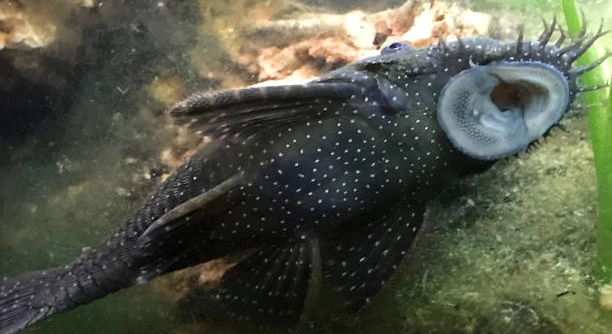
Plecos are popular freshwater fish known for their ability to keep aquariums clean. However, settling them into a new environment can sometimes be tricky. Ensuring a smooth transition helps them thrive in their new home.
To help plecos settle in quickly, it’s crucial to maintain stable water conditions, offer hiding spots, and avoid sudden changes in their environment. Additionally, ensure they have appropriate food and avoid overcrowding, as these factors contribute to their comfort and health.
By following these tips, you can create a stable and inviting environment for your plecos. Understanding their needs will also help you keep them healthy and happy long-term. This guide will assist in ensuring they feel at ease in their new home.
Maintaining Stable Water Conditions
Plecos are sensitive to changes in water quality, so it’s essential to maintain a stable environment. The temperature, pH, and hardness of the water should remain constant. Use a reliable aquarium heater to keep the water temperature between 75°F and 80°F (24°C to 27°C), which is ideal for plecos. Regularly test the water to ensure the pH stays between 6.5 and 7.5, and that the hardness is within the recommended range. This will help reduce stress and ensure the fish feel comfortable in their new habitat.
Maintaining clean water with proper filtration also plays a crucial role in their well-being. Make sure the filtration system is strong enough for the size of your tank but not too harsh to stress out your pleco.
By regularly checking the water parameters and performing water changes, you provide the stable environment that plecos need to adapt more quickly. Avoiding any sudden changes in the water is key to keeping your pleco happy and healthy in its new home.
Providing Hiding Spots
Plecos are shy creatures and prefer hiding spots to feel secure in their new environment.
Consider adding caves, driftwood, or plants to create natural hiding spots. Plecos often enjoy dark, cozy areas where they can retreat when feeling stressed. These hiding spaces help reduce anxiety, especially in a new tank, as it allows them to rest undisturbed. Adding a variety of hiding spots throughout the tank encourages your pleco to explore and settle in without feeling overwhelmed. A well-structured aquarium layout ensures that your pleco feels safe and comfortable, making it more likely to adapt to its new home quickly.
Avoiding Overcrowding
Overcrowding your tank can stress plecos, making it harder for them to settle in. It’s important to provide enough space for each fish, especially since plecos can grow large. A general rule of thumb is to have at least 30 gallons of water for one pleco, with more space for additional fish.
A crowded tank leads to higher waste levels, which can degrade water quality and harm your pleco’s health. Plecos, being bottom dwellers, need enough room to forage and swim without competing for space or food. Overcrowding can also lead to aggression, making your pleco feel threatened and less likely to settle in. Keeping the tank well-stocked but not overcrowded ensures that your pleco has the space it needs to thrive.
Adding a few tank mates that are not overly aggressive and can share the space will help create a more balanced environment. When plecos are not stressed by overpopulation, they are more likely to adapt quickly to their new home.
Offering a Balanced Diet
Plecos require a varied diet to thrive. In addition to algae, they need a mix of high-quality sinking pellets, fresh vegetables, and occasional protein. Offering a balanced diet encourages them to adjust more quickly by keeping their immune system strong.
Feeding plecos vegetables like zucchini, cucumber, or spinach provides essential nutrients and helps with digestion. Make sure to remove any uneaten food after a few hours to avoid polluting the water. Along with their regular algae intake, the additional nutrients from veggies will keep your pleco healthy and active.
Supplying them with a variety of food options also keeps them mentally stimulated. By meeting their dietary needs, you can reduce the chances of your pleco becoming stressed, which helps in faster settling. Regular feeding with high-quality food ensures your pleco stays content while adjusting to its new environment.
Using Proper Tank Decorations
Decorations in the tank provide plecos with essential hiding spots and stimulation. Make sure decorations are smooth, without sharp edges that could injure your pleco’s sensitive skin. Plecos enjoy hiding among rocks, driftwood, and plants, which also help replicate their natural environment.
Avoid overcrowding the tank with too many decorations. Provide enough space for your pleco to move around comfortably while still offering hiding spots. Decor can help reduce stress, giving your pleco a place to retreat to when it feels threatened. These additions contribute to a more relaxed, comfortable environment.
Maintaining Proper Tank Temperature
Plecos thrive in stable water temperatures between 75°F and 80°F (24°C to 27°C). Any drastic changes can stress them out and slow down their adjustment process. Use an aquarium heater to maintain a consistent temperature.
Even small fluctuations in temperature can be harmful over time, so avoid placing the tank in areas with drafts or direct sunlight. Consistent warmth helps plecos digest their food properly and keeps their immune system strong. Keeping the temperature steady allows your pleco to acclimate to its new home faster and with less stress.
Keeping the Tank Clean
A clean tank is crucial for your pleco’s health and well-being. Regular water changes help remove toxins and keep the water oxygenated. Use a good filtration system to maintain water quality, as plecos produce waste that can quickly affect the tank.
Cleaning the substrate and removing uneaten food also helps prevent water pollution, which could harm your pleco. Make sure to check the water quality regularly, especially during the initial weeks as the pleco settles in. Maintaining cleanliness keeps the environment healthy and reduces stress for your pleco.
FAQ
How long does it take for a pleco to adjust to a new tank?
The time it takes for a pleco to adjust to a new tank can vary. Typically, it can take anywhere from a few days to a couple of weeks for a pleco to fully settle in. During this period, they may hide more than usual and avoid interaction with other fish. It’s essential to maintain stable water conditions and provide hiding spots, which can help them feel more secure and speed up the adjustment process. If the pleco continues to stay hidden for an extended period, it may indicate stress, and further adjustments to the tank could be needed.
What should I do if my pleco is hiding all the time?
If your pleco is hiding constantly, it could be a sign of stress or discomfort in the new environment. First, check the water parameters, including temperature, pH, and ammonia levels. Make sure the tank isn’t overcrowded and there are plenty of hiding spots. If the water conditions are stable and there’s enough space, the pleco might just need some time to adjust. However, persistent hiding could also indicate bullying from other fish or insufficient food. In this case, observe the tank’s dynamics and make any necessary changes to reduce stress.
Can plecos eat algae wafers only?
Algae wafers are a great food source for plecos, but they should not be the only food offered. A balanced diet is important for their health and well-being. In addition to algae wafers, provide fresh vegetables like zucchini, cucumber, or spinach, and occasional protein sources like shrimp or worms. Offering a variety of foods ensures that your pleco receives the necessary nutrients to stay healthy and active.
How often should I feed my pleco?
Plecos are nocturnal and typically feed at night, but you can feed them once or twice a day, depending on their size and age. Younger plecos may require more frequent feedings, while adults usually do well with one feeding per day. Offer only what they can consume within a few hours to avoid water pollution. Remove any uneaten food to maintain water quality and prevent it from decaying. A consistent feeding schedule helps plecos feel secure and settled in their environment.
Do plecos need a heater in their tank?
Yes, plecos require a stable water temperature to thrive. A heater is necessary to maintain the temperature between 75°F and 80°F (24°C to 27°C). This range is ideal for their metabolism and overall health. Fluctuations in temperature can cause stress and potentially harm your pleco. If the room temperature is consistently warm, a heater might not be necessary, but it’s still essential to monitor the water temperature regularly to ensure it remains stable.
Can plecos live with other fish?
Plecos can live with other fish, but it’s important to choose compatible tank mates. They are generally peaceful and do well with other non-aggressive fish, especially those that swim in different areas of the tank. Avoid keeping them with overly territorial or aggressive species. Ensure the tank provides enough hiding spots, so your pleco has a place to retreat if it feels threatened. Plecos are bottom dwellers, so they won’t usually compete for space with top or middle swimmers, which helps reduce stress.
What size tank do plecos need?
Plecos need plenty of space to grow and thrive. As a general guideline, a single pleco should have at least a 30-gallon tank. As they grow, some species can reach up to 12 inches or more, so larger tanks are preferable. Providing ample space allows plecos to move freely, find food, and reduce territorial behavior. If you plan to keep multiple plecos or other large fish, a larger tank is essential to avoid overcrowding and to ensure all inhabitants have sufficient space.
Are plecos sensitive to water quality?
Yes, plecos are sensitive to water quality. Poor water conditions can cause stress, weaken their immune system, and lead to health issues. Regular water changes and a reliable filtration system are essential for maintaining optimal water quality. Test the water frequently for ammonia, nitrites, and nitrates, and keep these levels in check to avoid toxicity. A clean, well-maintained tank helps plecos settle in quickly and stay healthy over time.
How can I tell if my pleco is stressed?
Stressed plecos may exhibit signs such as excessive hiding, loss of appetite, or erratic swimming. They might also become more sensitive to light or move less. If you notice these behaviors, check the water quality and ensure the tank isn’t overcrowded. Stress can also result from sudden changes in temperature or the introduction of aggressive tank mates. Addressing the cause of stress can help your pleco settle in and reduce these behaviors.
Can I keep a pleco with plants?
Yes, plecos can be kept with plants. In fact, plants provide additional hiding spots, which plecos appreciate. However, keep in mind that some species of plecos may occasionally nibble on plants, especially soft-leaved ones. If you want to keep plants intact, consider hardy varieties like Anubias or Java Fern, which are less likely to be eaten by plecos. Providing plants alongside other tank decorations helps create a more natural environment, which can reduce stress for your pleco.
Do plecos need a lot of light?
Plecos do not require intense lighting, as they are primarily nocturnal creatures. Low to moderate lighting is sufficient, as it mimics the conditions they would encounter in the wild. Bright lights can stress plecos, making them hide more often. If you have live plants in the tank, ensure that the light level is appropriate for plant growth, but avoid over-lighting the tank, as it can stress your pleco and other inhabitants.
Can plecos live without a filter?
A filter is highly recommended for keeping plecos healthy. Plecos produce waste, and a filtration system helps maintain water quality by removing toxins and excess nutrients. Without a filter, the water can quickly become polluted, leading to poor water conditions and stress for your pleco. While some people keep plecos in tanks without filters, it requires more frequent water changes and careful monitoring of water quality. Using a filter is the most efficient way to maintain a healthy tank environment.
Final Thoughts
Ensuring your pleco settles in quickly and comfortably is a matter of providing the right environment and care. The most important factor is stable water conditions. Plecos are sensitive to changes in temperature, pH, and hardness, so it’s crucial to keep these levels consistent. Regular water testing and adjustments will go a long way in making sure your pleco doesn’t experience stress from poor water quality. In addition, a good filtration system helps keep the water clean and oxygenated, which is essential for your pleco’s overall health.
Another key consideration is the tank setup. Plecos appreciate having plenty of hiding spots and space to swim around. Adding decorations like driftwood, plants, and rocks not only creates a more natural environment for your pleco but also provides safe places for it to retreat when needed. Overcrowding the tank should be avoided, as it can lead to stress and territorial disputes. Offering a balanced diet is also vital. While plecos enjoy algae, providing a variety of foods such as fresh vegetables and occasional protein helps keep them healthy and active. Remember to remove any uneaten food to avoid polluting the water, which could harm your pleco.
Lastly, it’s important to monitor your pleco’s behavior closely during the adjustment period. Some plecos may take a few days to feel at home, while others may take longer. If you notice signs of stress, such as constant hiding, poor appetite, or erratic swimming, it could be a sign that something in the tank needs adjusting. Keep an eye on the water quality, make sure there are enough hiding spots, and check that the tank mates are compatible. With patience and proper care, your pleco should settle into its new home and thrive in your aquarium.

Hello,
If you enjoy the content that we create, please consider saying a "Thank You!" by leaving a tip.
Every little bit helps us continue crafting quality advice that supports the health, happiness, and well-being of pets around the world, for pets of all shapes, sizes, and species.
We really appreciate the kindness and support that you show us!