
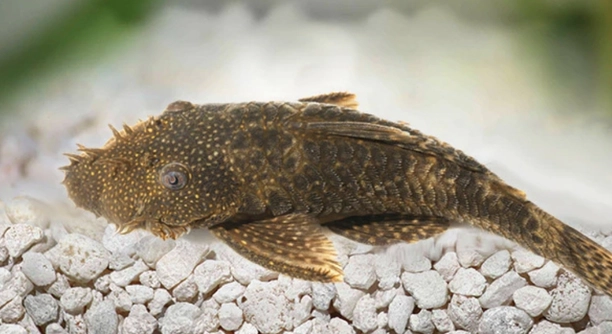
Have you ever brought home a pleco and wondered if your cleaning routine is really helping them thrive in their tank?
Plecos generally benefit from regular water changes, as these help maintain water quality, reduce toxins, and support overall health. Consistent care is especially important in enclosed aquarium environments where waste can quickly build up.
Learning how often to change the water and what signs to watch for can help your pleco live a healthier and more comfortable life.
Why Water Changes Matter for Plecos
Plecos are hardy fish, but they still rely on clean water to stay healthy. In a closed tank system, waste from food, plants, and fish builds up over time. Even with a good filter, ammonia, nitrites, and nitrates can rise to unsafe levels. Regular water changes help remove these harmful substances and restore balance. They also help keep oxygen levels stable, which is important for a bottom-dwelling fish like the pleco. Clean water reduces stress, boosts immunity, and lowers the risk of disease. Many plecos also feel more active and display better coloring in well-maintained tanks. Dirty water can lead to sluggish behavior or even long-term health issues. Sticking to a consistent water change schedule is one of the easiest ways to support your pleco’s well-being. It’s not just about looks—your fish depends on that water being safe and clean every day.
Smaller, weekly water changes are usually more helpful than big, infrequent ones.
A good starting point is changing 20–30% of the tank water once a week. This amount helps keep toxins in check without stressing the fish. Try to use water that’s close to the same temperature as the tank. Avoid sudden shifts in temperature or pH levels, as these changes can harm your pleco. Make sure to clean out any leftover food and vacuum the substrate while doing your water change. This clears out debris before it can pollute the tank. If your pleco is living with other messy fish or in a smaller tank, you might need to do water changes a little more often. Pay attention to your water test results and adjust as needed. Clean, balanced water helps your pleco thrive and live longer in your care.
Signs Your Pleco Needs Cleaner Water
Plecos may not show distress right away, but cloudy water or strong odors are signs you should check your tank.
If your pleco starts hiding more than usual, breathing heavily, or losing its appetite, the water quality could be poor. A buildup of waste and chemicals can cause stress, which affects their behavior and overall health. Algae blooms, unusual swimming, or pale coloring are also signs that something might be off. Keep in mind that changes in appearance or movement aren’t always due to illness—they can often be traced back to the tank conditions. Use a reliable test kit to check ammonia, nitrite, and nitrate levels regularly. If anything is off, a partial water change is usually the first step to fix it. Cleaning out filters, removing uneaten food, and adjusting feeding habits can help keep things stable too. Your pleco relies on you to manage the tank, so keeping an eye on these small signs can make a big difference.
How Often Should You Change the Water?
A weekly water change of 20–30% is a safe and effective routine for most pleco tanks. It keeps the water fresh without causing sudden changes that can stress your fish.
If your tank is heavily stocked or smaller in size, waste can build up faster. In those cases, changing water every five to six days can help maintain better balance. Always check your water parameters first, especially nitrate levels. If nitrates are climbing above 40 ppm, it’s time for a change. Also, monitor how your pleco is acting—if it’s sluggish or hiding more than usual, water quality may be the issue. Frequent small changes are easier on fish than large ones done less often. Sticking to a simple routine helps your pleco stay active and healthy without unnecessary stress.
Some tanks may need less frequent water changes if they’re heavily planted or lightly stocked. Plants help absorb waste and can slow down the buildup of harmful substances. In these cases, a water change every 10 days may be enough. Still, don’t rely only on how the tank looks—always use a water test kit to guide you. Clear water doesn’t always mean clean water. If your test results are stable, you can adjust your schedule slightly. But keep in mind that skipping water changes entirely will eventually lead to problems. Even low-maintenance tanks need some regular care to stay safe for your pleco.
Tips for Safe and Easy Water Changes
Avoid changing too much water at once unless it’s an emergency. Large changes can shock your pleco, especially if the temperature or pH is very different.
Use a siphon to remove water while also vacuuming the substrate. This helps get rid of waste and leftover food that sinks to the bottom. Always treat new water with a dechlorinator before adding it to the tank. Tap water can contain chemicals that harm fish. Match the temperature of the new water to your tank to avoid sudden shocks. If you’re using buckets, label one just for tank use to keep it clean and safe. Take your time—rushing increases the chance of spills or temperature mismatches. Watching how your pleco behaves afterward can also tell you if something went wrong. If it hides more or seems stressed, make smaller changes next time.
Doing regular water changes can become a simple part of your weekly routine. Pick a day that’s easy to remember and stick with it. Consistency helps both you and your pleco. If you’re busy, even a quick 10-minute change is better than none. Keep your supplies in one spot so everything is easy to grab. Having a small checklist nearby can help too—things like turning off the heater or filter before draining water. With a little practice, water changes won’t feel like a chore. Instead, they’ll become a normal habit that keeps your tank running smoothly and your pleco feeling its best.
What to Avoid During Water Changes
Avoid using soaps or detergents on your tank equipment. These can leave behind chemicals that are toxic to fish. Stick to rinsing tools in tank water or dechlorinated water to keep things safe.
Don’t change all the water at once unless absolutely necessary. Sudden, large changes can shock your pleco and throw off the tank’s balance.
How Water Quality Affects Pleco Health
Good water quality supports your pleco’s immune system and helps prevent common issues like fin rot or fungal infections. Poor water can cause stress, making plecos more likely to get sick or stop eating. They might also become less active or start hiding more. Over time, long-term exposure to poor water conditions can affect growth and lead to organ damage. Clean water, on the other hand, allows plecos to thrive and show more natural behaviors. Keeping nitrates low and avoiding ammonia spikes is key. Regular water changes play a big role in keeping your pleco healthy, especially in tanks that produce a lot of waste.
Final Thoughts on Water Changes for Plecos
Plecos do better in tanks with consistent care and fresh water. Making water changes part of your routine helps avoid stress and supports their long-term health.
FAQ
How often should I do a water change for my pleco?
For most plecos, a 20-30% water change once a week is ideal. This helps maintain water quality without causing stress. If your tank is small or has other fish that produce more waste, you may need to change the water more often, perhaps every 5-6 days. Regular water changes help remove toxins and waste buildup, ensuring that your pleco stays healthy and active. You can adjust the schedule based on how the water quality looks and your pleco’s behavior. The key is consistency to keep your pleco comfortable in its environment.
Can I change all the water at once?
It’s best not to change all the water at once. Sudden changes can shock your pleco, especially if there’s a significant difference in water temperature or pH levels. It’s better to perform smaller, more frequent changes to maintain stability in the tank. Large water changes can stress fish, disrupt their habits, and even affect the biological filter in the tank. If you must do a large water change, make sure to match the water temperature closely and use a dechlorinator to treat the new water.
Do plecos need a filter, or can water changes be enough?
Plecos do benefit from having a filter in their tank, as it helps keep the water clean and removes toxins. A filter is not a replacement for water changes, however. While filters do a good job of breaking down waste, they can’t remove all the debris and waste that accumulates in the tank. Regular water changes are still necessary to keep the tank environment stable. Filters help with water circulation and clarity, but they need to be cleaned and maintained as well.
Can I use tap water for my pleco tank?
Yes, you can use tap water, but it’s important to treat it first. Tap water often contains chlorine or chloramine, which can be harmful to your pleco. Use a water conditioner or dechlorinator to remove these chemicals before adding it to the tank. It’s also a good idea to let the tap water sit for a few hours before using it to allow chlorine to dissipate naturally, but dechlorinator is faster and more reliable. Make sure the water temperature matches the tank’s water temperature to prevent shocking your fish.
How do I know if my pleco’s water quality is bad?
Signs of poor water quality include cloudy water, strong odors, or visible waste build-up on the tank’s surface. If your pleco starts hiding more than usual, stops eating, or exhibits unusual behavior like rapid gill movement, these can also be indicators of poor water conditions. You should regularly test for ammonia, nitrite, and nitrate levels to make sure they’re within safe ranges. Ammonia and nitrites should be at 0 ppm, while nitrates should ideally stay below 20-40 ppm. Regular water testing is a key part of ensuring your pleco’s environment stays healthy.
Can I do a water change with a pleco in the tank?
Yes, it’s safe to perform water changes with your pleco still in the tank. Just be careful not to disturb the fish too much during the process. Use a siphon to remove water gently, and avoid moving or stressing the pleco unnecessarily. If you’re using a gravel vacuum, go slowly so you don’t accidentally suck up any plants or decorations your pleco uses for hiding. If the pleco seems stressed or hides when you approach, give it time to adjust. Plecos are usually fine during water changes as long as they’re not done too drastically.
What’s the best temperature for pleco water?
Plecos are tropical fish, so they thrive in warmer water. The ideal temperature range for most pleco species is between 74-80°F (23-27°C). Temperatures outside this range can cause stress or illness. It’s important to keep the water temperature stable, as drastic fluctuations can negatively impact your pleco’s health. Use a reliable aquarium heater to maintain the temperature and check it regularly with a thermometer. Avoid placing your tank in drafts or areas where the temperature might fluctuate a lot.
Do I need to clean the tank decorations or substrate when doing water changes?
Yes, cleaning the substrate and decorations is an important part of maintaining water quality. Over time, waste, leftover food, and debris accumulate in the substrate and on decorations. This can affect water quality and contribute to algae growth. When you perform a water change, use a gravel vacuum to clean the substrate, and wipe down decorations if needed. Be gentle with delicate items, and avoid disturbing any plants or hiding spots your pleco uses. Regular cleaning helps keep the tank clean and minimizes the buildup of harmful waste.
Can I use a sponge filter instead of a regular filter for plecos?
A sponge filter can be a good option for plecos, especially in smaller tanks or for those with weaker water flow. Sponge filters are gentle and provide both mechanical and biological filtration, which is useful for keeping water clean while not disturbing your pleco. However, they may not be as powerful as other types of filters, so in larger tanks or tanks with a heavy bio-load, you might need a more robust filtration system. Always check the filter’s effectiveness and make sure it’s cleaning the tank properly.
What should I do if I notice my pleco’s behavior changing?
If your pleco is behaving differently—such as hiding more, swimming erratically, or becoming sluggish—there’s a good chance that the water quality is off. Test your water for ammonia, nitrites, and nitrates, as these can directly affect your pleco’s health. If water quality is good, other factors like temperature, tankmates, or illness may be the cause. Keep a close eye on your pleco’s behavior and act quickly to resolve any water-related issues, as prompt action can prevent further stress or disease. Regular maintenance and water changes will help keep things under control.
Final Thoughts
Maintaining clean water is essential for the health and happiness of your pleco. They rely on regular water changes to thrive, and you’ll notice a difference in their activity levels, appearance, and overall well-being when the water quality is good. While plecos are hardy, they are still sensitive to poor water conditions, which can cause stress, illness, or even premature death. Regular water changes, even in smaller amounts, are a simple way to keep your pleco’s environment safe and comfortable. It doesn’t have to be a complicated or time-consuming task if you stay on top of it with a consistent schedule.
In addition to regular water changes, it’s important to keep an eye on water parameters like ammonia, nitrites, and nitrates. These should all be tested regularly to ensure they’re within the safe range. Keeping the right balance of water quality can help prevent common issues such as algae growth, cloudy water, and unpleasant odors. It’s also worth noting that clean water makes a difference not only in the pleco’s health but also in the appearance of the tank. A well-maintained tank with healthy water looks better and is more enjoyable to have in your home.
Lastly, water changes are not just about replacing the water. It’s also a time to check the tank for other issues, like leftover food, waste buildup, or problems with the filter. Cleaning the substrate, vacuuming debris, and inspecting tank equipment are all part of the maintenance process. Taking these small steps can prevent larger problems from developing down the line. With consistent care and attention to your pleco’s water environment, your fish will have the best chance of living a long, healthy life.

Hello,
If you enjoy the content that we create, please consider saying a "Thank You!" by leaving a tip.
Every little bit helps us continue crafting quality advice that supports the health, happiness, and well-being of pets around the world, for pets of all shapes, sizes, and species.
We really appreciate the kindness and support that you show us!