
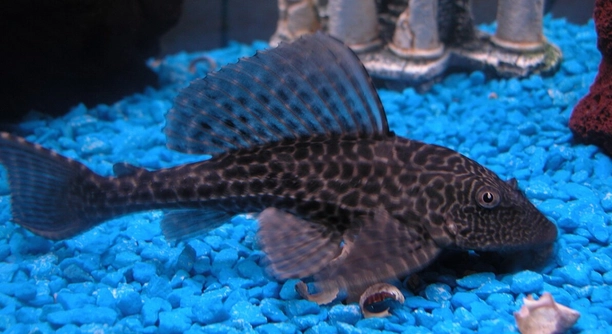
Do you ever find yourself watching your pleco during the day, wondering if it’s resting or just hiding in the shadows? These bottom-dwelling fish can be mysterious, especially when their behavior seems hard to read.
Plecos are nocturnal fish, meaning they are more active at night and tend to rest or hide during the day. Their behavior is guided by natural instincts, with daytime spent in low activity or sleep-like states.
Learning how plecos behave during daylight hours can help you create a more comfortable environment and support their natural rhythms.
Understanding Pleco Sleep Patterns
Plecos are nocturnal by nature, meaning they are most active at night and tend to rest during daylight hours. During the day, you may notice your pleco hiding in shaded areas, behind decorations, or staying still on the tank bottom. This low activity is their version of sleep. Unlike mammals, fish do not have eyelids, so they do not close their eyes. Instead, their movements slow, and they seek out dark, quiet spaces to reduce stress. A calm environment supports this behavior. Dim lighting, proper hiding spots, and consistent water conditions allow them to feel secure. If your pleco seems overly inactive or is hiding all the time, it may be adjusting to its surroundings or reacting to tank conditions. It’s important to understand the difference between natural resting behavior and signs of illness. Observing their typical habits can help you recognize when something might be off with your pleco’s health.
Plecos typically rest more during the day and become active once the lights are off or the room darkens. This is when they explore and feed.
Providing your pleco with plenty of hiding spots helps mimic its natural environment and supports its day-time resting needs. Caves, driftwood, and rocks work well.
What Affects Their Daytime Behavior
Lighting, tank mates, and environmental stress can all influence how often and where your pleco rests during the day. Sudden changes in light or noisy surroundings can disrupt their usual patterns. A calm setup helps maintain predictable behavior.
A consistent light cycle helps regulate your pleco’s activity. Avoid keeping tank lights on for extended hours. Aim for around 10 to 12 hours of light per day to support their natural rhythms. Strong lighting can make them retreat more often, while dim or natural lighting encourages smoother transitions between resting and activity. Tank mates also play a role—boisterous or aggressive fish may cause your pleco to hide more than usual, even at night. Choose peaceful companions that won’t disrupt their space. Water quality matters too. Ammonia, nitrate, or pH imbalances can lead to discomfort and lethargy. Routine testing and tank maintenance go a long way. Clean water, proper filtration, and stable parameters help your pleco feel secure enough to rest during the day without stress.
Creating the Right Environment for Rest
Plecos need a calm and shaded environment during the day. Too much light or activity in the tank can disturb their resting habits. Focus on providing natural hiding spaces, soft lighting, and a consistent routine to support healthy, restful behavior.
Start by adding plenty of hiding spots using items like driftwood, caves, and rock structures. These give your pleco a safe place to retreat and feel secure during daylight hours. Avoid bright tank lights, especially those on for too long. If natural light enters the room, use a background or cover to limit it. Some aquarists even add floating plants to help diffuse light and create shaded areas. A well-planted tank also contributes to a sense of safety. Plecos will often choose one or two favorite spots to rest in regularly. Respect their space and avoid disturbing them while they are resting to reduce stress and encourage healthy routines.
Tank mates should be calm and non-aggressive. Active or territorial species can interrupt your pleco’s rest, making them hide more often or become stressed. It’s important to monitor the behavior of all fish in the tank. Aggression or harassment during the day can lead to irregular patterns or health issues. Plecos do best when they feel undisturbed and safe. If the tank environment is too chaotic, consider rearranging the layout or rehoming incompatible species. Also, make sure your filter does not create strong currents near their favorite resting spots. Gentle water movement is better for rest. When you maintain a peaceful and structured setup, your pleco is more likely to settle into a healthy sleep routine.
Signs Your Pleco Is Resting Normally
A pleco that rests in one place, often sticking to glass, driftwood, or the tank bottom during the day, is behaving normally. You may also see their fins slightly moving to maintain balance while they stay still in dim spots.
If your pleco is hiding in its usual places, breathing steadily, and showing regular nighttime activity, that’s a good sign it is resting well. It may shift positions throughout the day but will remain in darker, quiet areas. These behaviors reflect a healthy cycle. What you don’t want to see is constant hiding combined with no movement at night, loss of appetite, or gasping near the surface. That may point to a different issue. Normal rest means they stay still without looking limp or unstable. Their colors should remain stable and not appear faded or pale, unless this is a known part of their daily change. Some plecos do appear lighter when resting.
You may occasionally see your pleco rest in open spaces, especially if the tank is quiet and lighting is soft. This usually means it feels safe and secure in its environment. Each fish has slightly different resting preferences, and some adjust with age or tank changes. As long as their patterns are consistent and they are eating and active at night, there’s no reason for concern. If you notice changes in resting spots, it’s often tied to tank adjustments, such as new décor or lighting shifts. Keep track of these changes, and if anything feels off, check water parameters and review tank dynamics. Stability is key for healthy pleco behavior.
Adjusting Lighting for Better Rest
Bright lighting throughout the day can keep your pleco from resting properly. Use dimmer lights or add floating plants to soften the brightness. Keep tank lights on a timer to create a consistent schedule that mirrors natural day and night cycles.
Avoid sudden changes in lighting. Turning lights on and off too quickly can startle your pleco and disrupt their routine. Gradual lighting changes help them feel safe and maintain regular rest habits. Use a ramp-up timer or natural light blockers when needed.
When Daytime Inactivity Signals a Problem
If your pleco is unusually inactive even at night, loses interest in food, or isolates itself in tight spots without moving, it could signal illness or stress. Watch for changes in breathing, posture, or color. These are signs something may be wrong. Check the tank’s temperature, ammonia, nitrite, and nitrate levels. Poor water conditions can cause lethargy or other health issues. Also, make sure there are no aggressive tank mates bothering them when they rest. If your pleco looks bloated, swims erratically, or stays upside down, consult a professional. Most issues can be managed early with quick action and better tank care.
Final Thought
A well-balanced tank setup makes a big difference in your pleco’s ability to rest peacefully during the day.
FAQ
Do plecos sleep with their eyes closed?
Plecos do not have eyelids, so they can’t close their eyes when they rest. This can make it hard to tell if they’re sleeping. Instead of closed eyes, plecos show sleep-like behavior by staying still in dark or sheltered spots. You may also notice they move less, breathe slowly, and avoid interaction. These signs suggest they are resting even if their eyes stay open. Many fish rely on their environment and behavior, rather than physical cues like eyelid movement, to rest. This is normal and not a reason for concern.
Can plecos sleep while attached to surfaces?
Yes, plecos often rest while suctioned to glass, rocks, or driftwood. This is a natural position for them and helps them feel safe. Their strong sucker-mouth allows them to stay in place for long periods without needing to swim. Even when resting, they may lightly move their fins to maintain balance. It’s common to see them stuck to one spot during the day, especially if that spot is dim and quiet. This behavior is a part of their natural routine and shows they are comfortable in their environment.
Do plecos need total darkness to sleep?
Total darkness is not required, but low light is best. Plecos prefer dim settings, especially when they want to rest. You can use floating plants, driftwood, or decorations to create shady areas. Bright lights can stress them out and prevent normal resting behavior. If the room gets a lot of natural sunlight, consider placing the tank away from direct light. Use a timer to make lighting more predictable. While they can still rest with some light, softer conditions encourage a stronger sense of security and better daytime rest.
Why is my pleco hiding all day and night?
Constant hiding can mean something is wrong. If your pleco never comes out, not even at night, it could be a sign of stress, poor water quality, or bullying from tank mates. Check water parameters first. Ammonia, nitrite, and nitrate levels should be stable and safe. Then, look at the other fish. Aggressive species can force plecos to hide all the time. Make sure your pleco is eating and showing signs of activity during nighttime. If nothing improves, it may help to rearrange the tank or isolate the pleco for observation.
How long do plecos rest each day?
Plecos usually rest throughout most of the daytime hours, depending on the tank environment and their individual habits. Since they are nocturnal, they tend to stay still and quiet during the day. Their rest isn’t like deep sleep in mammals but is more like low activity and stillness. You might see them move occasionally or shift spots. Some plecos rest for shorter periods, while others can stay in one place for hours. As long as they are active at night and eating well, their daytime rest is likely normal.
Can tank conditions affect their sleep?
Yes, tank conditions directly impact a pleco’s rest patterns. Poor water quality, bright lighting, or noisy environments can lead to irregular behavior. Strong water currents can also make it harder for plecos to stay still in their preferred spots. Make sure the tank is well-maintained with soft lighting, clean water, and gentle flow. Add stable hiding spaces where the pleco can feel secure. When these needs are met, plecos are more likely to follow a regular resting routine and stay healthy over time.
Is it okay if my pleco changes its resting spot often?
Frequent changes in resting spots are not usually a problem. Plecos might move based on temperature shifts, lighting, or comfort. As long as the fish is breathing normally, eating well, and staying active at night, rotating rest areas is likely just a preference. However, if the changes seem paired with other symptoms like clamped fins, fading color, or erratic swimming, check for tank stressors. Sometimes, other fish may be disturbing their usual spots, or a change in layout may make them feel less secure. Watch for patterns to understand their needs better.
Can plecos rest while upside down?
Plecos do not usually rest upside down. If your pleco is lying upside down or floating oddly, that may be a sign of health issues, like swim bladder problems or stress. Normal resting behavior should look relaxed, with the body either attached to a surface or lying on the bottom in a stable, upright position. If upside-down behavior continues or comes with other signs like loss of appetite or erratic movement, test the water and observe your pleco closely. You may need to adjust feeding or tank conditions.
Are young plecos more active during the day?
Juvenile plecos can show more daytime activity compared to adults. They’re often more curious and will explore the tank more frequently. As they grow, they usually shift to a more nocturnal pattern, resting during the day and becoming active at night. If a young pleco is moving around during the day, it’s usually not a concern. Just ensure it still has hiding spots to retreat to when needed. Adult plecos are more likely to stay hidden and rest for longer stretches during daylight hours.
Final Thoughts
Plecos are fascinating fish with behavior that may seem unusual at first. Their resting habits, especially during the day, can confuse even experienced fish keepers. Since plecos are mostly nocturnal, it is completely normal for them to stay still or hide for hours in low light areas. This behavior often looks like sleep, even though their eyes remain open. If they have enough space, hiding spots, and calm surroundings, they can rest properly and maintain good health. Watching for subtle cues like slow breathing, reduced movement, and a preference for shaded areas can help you recognize when your pleco is resting.
Tank setup plays a major role in how well your pleco rests. Things like strong lighting, noisy surroundings, or poor water quality can cause stress and interrupt their routine. Keeping the water clean, using soft lighting, and adding driftwood or caves gives your pleco places to rest without stress. It’s also helpful to keep the tank peaceful by avoiding aggressive tank mates. If a pleco is constantly hiding or showing odd behavior, it may be reacting to discomfort or threats in its environment. Making small adjustments to their space can help bring their behavior back to normal.
Understanding your pleco’s daily rhythm helps you care for it more effectively. Their quiet hours are just as important as their active periods at night. If your pleco appears healthy, eats well, and remains active during dark hours, then its rest during the day is not something to worry about. As long as you provide the right conditions, plecos will manage their rest naturally. Observing their routines without overreacting to every change allows you to become more in tune with your fish’s needs. With time and care, your pleco will feel more at ease in its space, showing calm daytime behavior and healthy activity after dark.

Hello,
If you enjoy the content that we create, please consider saying a "Thank You!" by leaving a tip.
Every little bit helps us continue crafting quality advice that supports the health, happiness, and well-being of pets around the world, for pets of all shapes, sizes, and species.
We really appreciate the kindness and support that you show us!