
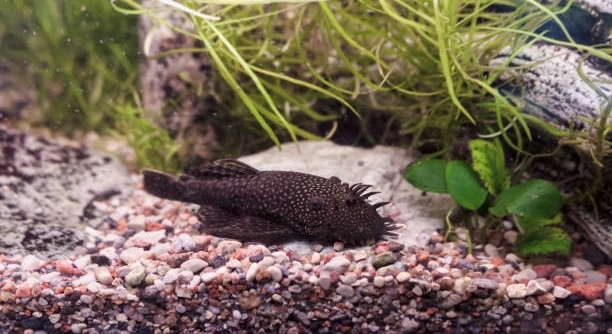
Plecos are fascinating fish, often admired for their unique appearance and helpful behavior in aquariums. However, sometimes they may seem less active, leaving you wondering how to encourage them to move around more.
To boost pleco activity, focus on providing an enriched environment with plenty of hiding spots, varied food sources, and a suitable tank setup. Ensuring the water quality is optimal also plays a key role in promoting their natural behaviors.
By making a few simple changes, you can see noticeable improvements in your pleco’s activity levels. Let’s explore some quick and easy ways to encourage your pleco to be more active and engaged in its surroundings.
Provide Hiding Spots and Decorations
Plecos are naturally shy fish that like to have spaces where they can feel safe. Without adequate hiding spots, they may become stressed and less active. Adding caves, rocks, or driftwood can give your pleco the opportunity to retreat when needed, which helps them feel secure enough to venture out and explore more. A well-decorated tank mimics their natural habitat, making them more likely to swim around and stay active.
When choosing decorations, keep in mind that plecos like to have places to graze. Large rocks or flat surfaces give them the chance to graze algae, which is another reason they may be more active. Overcrowding the tank with too many decorations could limit their movement, so aim for a balanced setup.
Creating an environment where they feel secure can encourage plecos to show their true behavior, including exploring and foraging. Your pleco will thank you by being more active, swimming around the tank instead of staying hidden in a corner.
Maintain Water Quality
A key factor in keeping plecos active is ensuring the water quality remains high. Poor water conditions can cause stress, leading to lethargy.
Regularly test the water for ammonia, nitrites, and pH levels, as these can affect your pleco’s health. When water parameters are correct, plecos are more likely to engage in natural behaviors like feeding and exploring their environment.
Additionally, ensure that the water temperature is in the ideal range of 74°F to 80°F. Inconsistent or extreme temperatures can cause your pleco to become inactive. Healthy water supports a healthy pleco, which encourages activity. Regular water changes are an easy way to help maintain a clean and healthy environment.
Offer a Varied Diet
Providing your pleco with a variety of foods is essential to keep them healthy and active. Plecos enjoy different types of food, from algae wafers to fresh vegetables and even protein-rich options like shrimp or bloodworms.
Feeding them a mix of plant-based and meaty foods can help mimic their natural diet. Algae wafers are great for grazing, while vegetables like zucchini and cucumber provide additional nutrients. Offering foods that require some effort to get, like sinking pellets, can encourage your pleco to stay active. Overfeeding, however, can lead to poor water quality, so feed them in moderation.
By introducing a diverse diet, you help prevent boredom, encourage exploration, and provide all the necessary nutrients your pleco needs to stay energized. Their interest in food will also lead them to swim around more, boosting their overall activity levels.
Increase Tank Size
If your pleco’s tank feels cramped, it can lead to stress and inactivity. Plecos can grow quite large, so providing a bigger tank allows them more space to move around and explore.
A larger tank promotes better water quality, too, as it allows for easier filtration and less waste buildup. Plecos are also less likely to become territorial in a spacious environment, reducing stress. If you have a small tank and your pleco seems sluggish, it may be time to consider upgrading to a larger one. The extra room encourages more natural behavior, from swimming to foraging.
Providing a bigger tank also gives you the opportunity to create more hiding spots and add plants or decorations that help boost activity. Ensuring your pleco has plenty of space can make a noticeable difference in their overall health and behavior.
Ensure Proper Tank Lighting
Proper lighting helps to establish a natural day-night cycle for your pleco. Without a consistent light schedule, your pleco might become inactive, thinking it’s always nighttime.
Install a timer to simulate natural light patterns, which will help regulate their behavior and encourage them to be more active during the day. Avoid too much direct light, as it can stress them out.
The right lighting creates a balanced environment where your pleco can feel comfortable. A well-lit tank encourages feeding and exploration, promoting activity throughout the day.
Provide a Gentle Current
Plecos prefer slow-moving water, but a gentle current can encourage natural behavior. A strong, fast flow can stress them out and make them inactive.
Using a filter that produces a light current can mimic the gentle stream environments where plecos are found. A small water pump can help without creating turbulence.
The movement of water not only helps oxygenate the tank but also gives your pleco a chance to exercise. They enjoy swimming against the current occasionally, keeping them more active in the process.
Monitor Tank Temperature
Plecos thrive in water temperatures between 74°F and 80°F. A temperature that’s too cold or too hot can cause your pleco to become sluggish.
Make sure you have a reliable heater in the tank to maintain a stable temperature. Fluctuations can stress your pleco and make them less likely to explore or feed.
Keeping the temperature consistent allows your pleco to feel secure and active. It’s essential for their health and well-being, ensuring they stay active throughout the day.
FAQ
How can I tell if my pleco is too stressed?
Stress in plecos can show in several ways. If your pleco is hiding more than usual, not eating, or swimming in an abnormal manner, these could be signs of stress. Additionally, if your pleco is rubbing against objects or swimming erratically, it may be trying to relieve discomfort. A stressed pleco may also exhibit a dull or faded color, which is a clear indicator that something is wrong in its environment. To prevent stress, focus on providing stable water parameters, proper tank size, and adequate hiding spots.
What is the best food to feed my pleco?
Plecos are primarily herbivores, so offering a variety of plant-based foods is essential. Algae wafers are a great option for them to graze on. Vegetables like zucchini, cucumber, and spinach can be added to their diet for extra nutrition. You can also offer protein-rich foods like bloodworms or shrimp, but these should be given in moderation. It’s important to rotate their food to prevent them from getting bored or lacking essential nutrients. Avoid overfeeding, as leftover food can pollute the water and harm your pleco’s health.
Can I keep multiple plecos in the same tank?
It’s possible to keep more than one pleco in the same tank, but it depends on the species. Some plecos are territorial and may fight, especially if space is limited. It’s crucial to have a large tank with plenty of hiding spots to reduce territorial disputes. You should also keep an eye on their behavior to ensure there’s no aggression. For species like the bristlenose pleco, they can often live together peacefully, but some of the larger varieties may require more space and a well-planned environment.
Why isn’t my pleco swimming much?
If your pleco isn’t swimming much, it could be due to a few reasons. First, check the water temperature and quality—poor water conditions can cause lethargy. A lack of hiding spots or a stressful environment can also cause a pleco to stay hidden. Additionally, if the tank is overcrowded, your pleco may feel stressed and inactive. Make sure they have plenty of room to swim and a proper diet to keep them healthy. Sometimes, plecos will also spend time resting on surfaces in the tank, which is normal behavior, as long as they’re eating and not showing signs of illness.
How often should I clean my pleco’s tank?
Regular tank maintenance is important for your pleco’s health. It’s a good idea to do partial water changes every 1-2 weeks to keep the water clean and reduce the buildup of harmful toxins. Plecos are known to help control algae, but they can’t do it all, so a periodic cleaning of decorations and gravel is also necessary. When cleaning, avoid using harsh chemicals that can harm your pleco. Ensure the water temperature remains stable, and always dechlorinate the water before adding it back to the tank.
Is it normal for plecos to suck on tank walls?
Yes, it is completely normal for plecos to suck on tank walls, decorations, or other surfaces. This behavior is a way for them to graze on algae, which is a natural part of their diet. They may also use this action to get better airflow or to position themselves in the current. However, if you notice your pleco spending too much time sucking on the glass without feeding, it may be a sign that they are looking for more food. In such cases, offer more vegetables or algae wafers to ensure they’re getting enough nutrition.
Can I use a regular filter for my pleco tank?
It’s essential to have a filter that suits the needs of your pleco’s tank. Plecos require clean water with proper filtration, but since they prefer slower-moving currents, you should avoid powerful filters that create strong water flows. A gentle filter or sponge filter can work well, as it provides both filtration and aeration without disturbing your pleco too much. Keep in mind that plecos are known to produce a lot of waste, so having a filter with good capacity is important for maintaining water quality.
Do plecos need light to stay active?
Plecos do need some light to maintain a regular day-night cycle. A light cycle that mimics natural daylight hours will help regulate their activity patterns. However, it’s important to avoid bright lights that may stress your pleco. The light should not be too intense, and there should be periods of darkness for them to rest. A timer can help you set a consistent light schedule, which will make your pleco feel secure and encourage them to be more active during the daytime.
What temperature is best for my pleco?
The ideal water temperature for plecos falls between 74°F and 80°F. Keeping the water within this range ensures that your pleco remains healthy and active. If the water is too cold, your pleco may become sluggish and more susceptible to disease. On the other hand, water that’s too hot can stress them out and lower oxygen levels, making it harder for them to breathe. Use an aquarium heater to maintain a stable temperature, and always monitor the water with a thermometer to ensure consistency.
How can I encourage my pleco to eat more?
To encourage your pleco to eat more, offer a variety of foods, including algae wafers, vegetables, and protein-based foods. Plecos enjoy grazing, so giving them fresh veggies like zucchini or cucumber can be an effective way to entice them. You can also try feeding them at night since plecos are nocturnal creatures. Make sure to provide a clean and quiet environment during feeding time, as stress can reduce their appetite. If your pleco still isn’t eating, check the water quality and temperature, as these factors could be affecting their interest in food.
Why is my pleco not growing?
If your pleco isn’t growing, it could be due to several factors. The most common reason is poor water conditions, such as incorrect temperature or pH levels, which can hinder growth. Additionally, a lack of proper food or a monotonous diet can also stunt their growth. Ensure that your pleco is receiving a varied diet and that its tank is large enough for them to grow. A stressed or overcrowded pleco may also have stunted growth, so check the tank size and make sure your pleco has enough space to thrive.
Can plecos live with other fish?
Plecos can live with many other fish species, but they may not do well with overly aggressive or territorial fish. Peaceful community fish like tetras, guppies, and other bottom dwellers are often good tankmates. However, larger fish or those that may compete for food could stress your pleco or prevent them from eating. It’s important to ensure there’s enough space and hiding spots for all tankmates, so everyone feels comfortable. Always monitor interactions between species to ensure compatibility.
Final Thoughts
Boosting pleco activity doesn’t require drastic changes, but rather a few thoughtful adjustments to their environment. Providing a variety of foods, creating hiding spots, and ensuring a clean and stable tank are some of the most important factors. Plecos are naturally curious creatures, and when their basic needs are met, they will likely become more active and engaged in their surroundings. Whether you offer them fresh vegetables, algae wafers, or protein-rich treats, keeping their diet varied and nutritious plays a big role in stimulating their interest in the tank.
Water quality and temperature are key aspects to consider when promoting pleco activity. Regular water changes, good filtration, and the right temperature can prevent stress and help your pleco stay healthy. If the water isn’t suitable, it’s likely that your pleco will spend more time hiding or swimming less. Maintaining stable water conditions also supports overall health, which is essential for keeping your pleco in the best possible state to be active. Without these basics, no matter what you add to the tank, your pleco may remain sluggish or inactive.
Finally, don’t forget to observe your pleco regularly. Every fish is unique, and their behavior may vary based on their individual personality or specific needs. Some plecos are naturally more shy, and that’s perfectly fine as long as they’re eating and moving around when they feel comfortable. By monitoring their activity, adjusting their tank setup, and ensuring they have everything they need, you’ll be able to help your pleco lead a happy and active life. Whether it’s a small change or just a little extra care, these steps can make a big difference.

Hello,
If you enjoy the content that we create, please consider saying a "Thank You!" by leaving a tip.
Every little bit helps us continue crafting quality advice that supports the health, happiness, and well-being of pets around the world, for pets of all shapes, sizes, and species.
We really appreciate the kindness and support that you show us!