
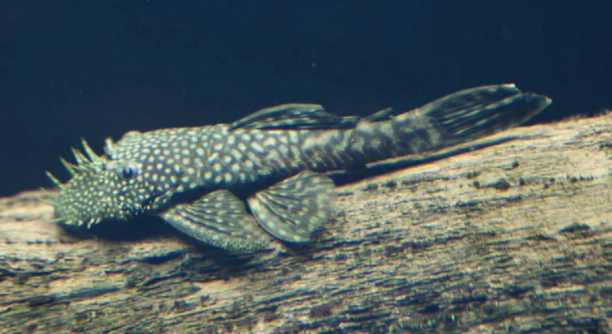
Have you ever checked on your pleco and noticed it awkwardly stuck behind the filter, barely moving, and looking out of place?
Plecos often get stuck behind filters because they seek shelter in tight, shaded areas that mimic their natural hiding spots. Aquarium filters provide the kind of cover they instinctively look for, especially when they feel stressed or threatened.
Understanding why this behavior happens can help you make your aquarium safer and more comfortable for your pleco.
Common Reasons Your Pleco Hides Behind the Filter
Plecos are naturally shy and prefer hiding spots where they feel safe. In a tank without enough caves or shaded areas, they might choose the space behind the filter as a substitute. This space is usually dark, calm, and offers a sense of security. Stress from sudden changes in water conditions, tank mates, or even loud noises can cause your pleco to retreat there. If your tank is overstocked or if there’s too much activity, your pleco may seek isolation behind the filter to avoid conflict or constant movement. Also, young or newly introduced plecos tend to hide more often as they adjust to their surroundings. Ensuring your pleco feels secure is key to reducing this behavior. Provide enough hiding spots like driftwood, caves, or plants. A peaceful environment will help your pleco settle in better and spend less time behind equipment.
A hiding pleco isn’t always a sign of a problem. It may simply be resting or adjusting.
Adding proper shelter and maintaining consistent tank conditions can reduce this behavior. The more comfortable your pleco feels, the less likely it will hide in risky or cramped spaces. A well-decorated tank with calm surroundings helps encourage healthier habits and movement.
What You Can Do About It
Make sure your tank has plenty of hiding places. This can include caves, plants, and pieces of driftwood. These create safe spots for your pleco to rest without needing to go behind the filter.
Check your water parameters regularly. Ammonia, nitrite, and pH levels should be stable and within the right range. If something feels off, your pleco will try to hide. Watch the behavior of other fish too. Some fish can be aggressive, and your pleco might be hiding to avoid conflict. Make sure there’s enough room in the tank so it doesn’t feel cramped. If needed, rearrange decorations or move the filter slightly to block access behind it. This should be done carefully so you don’t add stress. Feeding your pleco properly, especially at night when they’re more active, can help keep it healthier and more active during the day. By creating a calm and safe environment, you can help your pleco feel secure and reduce its need to hide.
How Tank Setup Affects Pleco Behavior
A tank that lacks enough hiding spots or has too much light can cause stress for your pleco. They prefer low light and shaded spaces. Without proper decor or calm conditions, they may look for shelter in unusual spots like behind the filter.
Choose decorations that offer natural hiding areas, such as caves, driftwood, or thick plants. These create the kind of cover your pleco needs to feel secure. Avoid overly bright lighting and make sure your filter’s flow isn’t too strong, as strong currents can stress them out. A balanced setup with quiet areas will make your pleco more comfortable. It also helps them stay healthy and active. The more natural your tank feels to the pleco, the less likely it is to hide in awkward places. Keeping a calm, steady environment plays a big role in how your pleco behaves day to day.
Rearranging your tank can also help reduce hiding. If you move objects around, your pleco may explore more. Place decorations in a way that gives them choices for hiding, not just one tight spot. This helps them feel secure while still staying visible. Be sure to block off the space behind the filter if it’s becoming a constant hiding area. Try using plants or rocks to gently block access without stressing the fish. Making these small adjustments keeps your tank safer and prevents injury. Your pleco may still enjoy hiding, but they’ll have better options. It’s all about giving them a safe space they don’t have to squeeze into.
Signs Your Pleco Might Be Stressed
If your pleco is hiding more than usual or refusing to eat, stress may be the reason. Rapid gill movement or pale coloring can also be signs. Stress usually comes from water issues, noise, or aggressive tank mates.
Watch how your pleco behaves during feeding. If it stays hidden or ignores food, something may be off. Loud noises near the tank or sudden movement can also make it anxious. Try to keep your tank in a quiet spot. Monitor how other fish behave around your pleco. Chasing or fin-nipping can make it feel unsafe. Check water temperature and quality often to avoid sudden changes. If your pleco used to be more active and now hides often, stress may be the cause. Keep the lights dim or provide shade. Simple steps like these make a big difference in keeping your pleco relaxed and healthy.
When to Step In and Help
If your pleco is stuck and not moving freely, you may need to gently help it out. Use slow, calm movements and avoid loud noises or splashing to prevent causing more stress during the process.
Avoid pulling or forcing the pleco out. Instead, gently move the filter or shift decorations to create a wider exit path. If unsure, wait and observe before interfering. Sometimes they move on their own once they feel safe.
How to Prevent It from Happening Again
Blocking off the space behind the filter is one of the easiest ways to prevent future issues. You can use plants, mesh, or smooth stones to cover the area without restricting water flow. Also, make sure the tank has enough hiding spots. If your pleco has multiple options, it will feel less drawn to the filter. Check that the water conditions stay stable, and reduce tank stress by keeping noise and movement to a minimum around the tank. Feeding properly, especially with sinking foods suited for plecos, also encourages natural behavior. Keeping your setup calm and well-decorated makes a big difference.
Final Tip to Keep in Mind
Keep an eye on your pleco’s habits regularly. Small changes in behavior can tell you a lot before a real problem starts.
FAQ
Why is my pleco hiding behind the filter?
Plecos are naturally shy fish and prefer places where they feel safe. The area behind the filter is typically dark and sheltered, which mimics their natural hiding spots in the wild. They may hide there to feel secure or to rest. It’s especially common if the pleco feels stressed or threatened by tank mates, sudden changes in water quality, or if there’s too much movement around the tank. They may also seek shelter behind the filter if there aren’t enough places for them to hide elsewhere in the tank. Providing more hiding spots can help your pleco feel less dependent on the space behind the filter.
How can I stop my pleco from hiding all the time?
The best way to stop your pleco from hiding constantly is to make sure its environment is calm and secure. First, make sure the water quality is stable—this includes keeping the ammonia, nitrite, and nitrate levels in check, as well as maintaining proper temperature and pH. Then, add more hiding spots. Your pleco will feel less need to hide if it has options, like caves, driftwood, or thick plants. Lastly, reduce any sources of stress such as loud noises, sudden changes, or aggressive tank mates. The less stressed your pleco feels, the more it will come out from behind the filter.
Is it normal for my pleco to hide for days?
Yes, it’s normal for a pleco to hide for several days at a time, especially if it’s adjusting to a new environment or recovering from a stressful situation. Plecos are nocturnal fish, which means they are more active at night and may stay hidden during the day. However, if your pleco hides for an extended period and shows no interest in food or begins to look unhealthy, it could be a sign of stress or poor water quality. In that case, it’s a good idea to check the water parameters and monitor the fish’s overall behavior.
How can I tell if my pleco is stressed?
Stress in plecos can manifest in several ways. If your pleco is hiding more than usual, has a pale color, or is not eating, these could all be signs of stress. Additionally, rapid gill movements or erratic swimming behavior, such as darting or circling, are also common indicators. A stressed pleco might also develop physical symptoms, such as white spots (which could signal a disease like ich) or damage from rubbing against tank surfaces. If your pleco shows any of these signs, check the water quality, tank mates, and environment to make sure everything is ideal.
Should I remove my pleco from behind the filter?
If your pleco is behind the filter and is not in danger, it’s usually best to leave it alone. Plecos often seek dark, secluded spaces for comfort, and trying to move them too quickly can cause more stress. However, if the pleco seems stuck or unable to move freely, gently help it out. You can do this by shifting the filter or rearranging decorations to create a path out. Always remain calm and avoid sudden movements, as this can scare the fish and make it harder to help.
Can plecos get hurt from being stuck behind the filter?
Yes, if your pleco gets stuck for too long behind the filter, it can cause harm. The filter may trap it against the tank wall or cause it to rub against rough surfaces, leading to injuries or abrasions. This is especially risky if the filter’s intake is too strong. If you notice your pleco is stuck, help it out by gently adjusting the filter or moving objects in the tank to provide an escape route. To prevent this in the future, block off the space behind the filter or add more hiding spots to the tank.
Can my pleco stay behind the filter if the water quality is fine?
While water quality is essential to your pleco’s health, hiding behind the filter can still be a sign of stress, even if the water parameters are fine. Plecos are sensitive to sudden changes in their environment. If they feel stressed by new tank mates, lighting changes, or environmental shifts, they might retreat to the filter area. It’s also possible that they prefer the security of this spot because they feel more comfortable there. Even with good water quality, always check for other stressors and make sure your pleco has plenty of hiding spots in the tank.
What kind of tank mates are best for my pleco?
Plecos are generally peaceful fish but can become stressed if placed with aggressive or overly active tank mates. It’s important to choose fish that are calm and won’t constantly harass your pleco. Fish like tetras, guppies, or other peaceful bottom dwellers can be good choices. Avoid putting your pleco with aggressive species like cichlids or overly territorial fish that may chase or nip at it. Also, make sure the tank isn’t too crowded. The more space your pleco has, the less likely it is to feel stressed and retreat behind the filter.
Can my pleco live with other plecos?
It’s possible for plecos to live with other plecos, but it depends on the species and the size of the tank. Some pleco species are more territorial, especially when they mature, and may fight with each other over space. If you want to keep multiple plecos, make sure your tank is large enough to provide each one with enough space to establish its own territory. You should also consider adding plenty of hiding spots and decorations to give them places to retreat if needed. As long as there is enough room and resources, your plecos can coexist peacefully.
Why is my pleco sitting on the bottom all the time?
Plecos naturally prefer sitting or resting at the bottom of the tank, especially during the day. They are bottom dwellers, and this behavior is normal. However, if your pleco stays on the bottom without eating or moving, it could be a sign of stress, illness, or poor water quality. Make sure the water temperature is appropriate, and that the tank has enough oxygen. If it’s not eating and seems lethargic, check for signs of illness like fungal growth, parasites, or external wounds. A visit to the vet may be necessary if the problem persists.
Final Thoughts
If your pleco is hiding behind the filter, it’s usually a sign that it’s seeking shelter or feeling stressed. While this behavior is common, it’s important to understand the factors that contribute to it. Plecos are naturally shy and prefer dark, quiet spaces to rest. They are nocturnal, meaning they’re most active at night, and during the day, they may hide more often. The area behind the filter can provide the kind of refuge they need to feel secure. However, this doesn’t mean that your pleco is always comfortable there, and it’s essential to make sure that the rest of the tank is set up to support its well-being.
If your pleco spends too much time behind the filter, you may want to check the tank’s setup. Adding more hiding spots, like caves, plants, or driftwood, can give your pleco more options and reduce the chances of it feeling trapped in one spot. Additionally, maintaining a calm and peaceful environment is key. Loud noises, frequent tank disturbances, or aggressive tank mates can cause stress. A stressed pleco might spend more time hidden, avoiding the rest of the tank. Ensuring that your water quality is always optimal is also crucial. Ammonia spikes, fluctuating temperatures, or poor water conditions can make your pleco anxious and more likely to retreat.
Sometimes, a pleco’s behavior might seem unusual, but it often reflects its instinct to find safety. As long as the water conditions are stable, and the tank environment is peaceful, your pleco will likely feel more at ease. Providing a range of hiding spots and ensuring that no stressors are present will help your pleco feel less dependent on hiding behind the filter. Over time, with the right care, your pleco will likely become more comfortable moving around the tank and may even start to explore more actively. Being patient and attentive to its needs will create a healthier and happier environment for your pleco.

Hello,
If you enjoy the content that we create, please consider saying a "Thank You!" by leaving a tip.
Every little bit helps us continue crafting quality advice that supports the health, happiness, and well-being of pets around the world, for pets of all shapes, sizes, and species.
We really appreciate the kindness and support that you show us!