
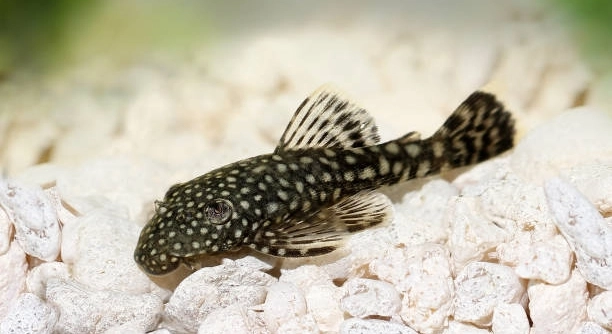
Do you ever find yourself setting up your aquarium and wondering whether your plecostomus will be happier with sand or gravel?
Plecostomus generally prefer sand over gravel due to its soft texture, which is gentler on their undersides and allows for easier foraging. Sand also mimics their natural riverbed environments more closely, promoting more natural behaviors.
Choosing the right substrate can impact your pleco’s comfort, health, and daily behavior in the tank. Let’s explore what works best and why it matters.
Understanding Plecostomus Behavior and Habitat Needs
Plecostomus, often called plecos, are bottom-dwelling fish that come from rivers and streams in South America. In the wild, they spend much of their time near soft riverbeds where they can easily feed and stay protected. This natural behavior influences how they interact with their environment in captivity. When kept in aquariums, replicating their natural surroundings can help reduce stress and promote better health. Choosing a suitable substrate is one of the easiest ways to support this. While gravel may seem like a practical choice, it can be rough on their bodies and limit their ability to forage comfortably. Sand, on the other hand, is soft, smooth, and easier for plecos to sift through while searching for food. Their delicate barbels and undersides can get irritated by sharp or coarse gravel, especially in tanks without enough plant cover or hiding spaces.
Plecos also use the bottom of the tank to rest, so comfort matters just as much as cleanliness.
A tank setup that mimics nature helps plecos feel safer and encourages normal behavior like grazing and hiding. Substrate is not just a decoration—it’s part of their daily routine.
Comparing Sand and Gravel for Plecostomus
Sand offers a soft and natural surface that suits plecos well. It allows for smooth movement, easier feeding, and overall comfort.
Gravel can be used, but it should be smooth and not sharp. Large, jagged pieces may cause irritation or minor injuries. If gravel is chosen, it’s important to regularly clean it, as debris can easily build up between the rocks. Plecos often forage at the bottom, and food or waste trapped in the gravel may lead to poor water quality. Sand tends to compact and prevents debris from settling deeply, making it easier to clean. Additionally, fine sand prevents food from sinking too far out of reach, helping plecos feed more efficiently. Some aquarists mix the two substrates, but this can result in the sand settling at the bottom over time. If you plan to keep live plants, consider the type of sand used, as not all sand supports root systems well. Overall, sand remains the gentler and more functional option for plecos in most cases.
Maintenance and Cleaning Differences
Sand and gravel require different cleaning techniques. Sand can compact over time and trap waste on the surface, while gravel tends to collect debris between the pieces, making it harder to clean thoroughly without regular vacuuming.
When using sand, it’s important to stir the surface lightly during water changes. This prevents compacting and helps avoid the build-up of harmful gases beneath the surface. A gravel vacuum can still be used, but it should hover just above the sand to avoid sucking it up. For gravel, cleaning needs to be more precise. The vacuum should go deeper into the spaces between the rocks to remove trapped waste. Without regular cleaning, these hidden bits of food and fish waste can affect water quality. Both substrates need attention, but sand often shows debris more clearly, which makes it easier to spot and remove during your routine tank maintenance.
Some fishkeepers notice less waste buildup when using sand because uneaten food stays visible. This can be a benefit for plecos, as they feed along the bottom. With gravel, you might miss those leftovers, which can rot and affect water quality over time. Sand also tends to give the tank a cleaner look if maintained regularly.
Choosing the Right Substrate for Your Setup
The size of your tank and the type of filtration you use can affect which substrate works best. Sand works well in most tanks, but strong filters may stir it up if it’s too fine. This can lead to cloudy water.
If your tank has a powerful filter, you can still use sand by selecting a slightly heavier grain. This reduces the chance of it being lifted into the water column. In smaller tanks with gentle flow, fine sand is usually not a problem. Gravel, while heavier, does allow more water movement between the pieces, which can be useful in tanks with undergravel filters. However, these filters are less common today. If your pleco shares the tank with digging fish or species that produce a lot of waste, sand can be easier to manage visually. Choosing the right substrate depends on your setup, cleaning habits, and how closely you want to mimic your pleco’s natural environment.
Safety Concerns for Plecostomus
Sharp gravel can scratch a pleco’s underside, especially if it often rests or moves across the surface. These small injuries may not seem serious at first but can lead to infections if not noticed early.
Sand is gentler on their bodies and reduces the risk of irritation or injury. It also allows them to forage without harming their delicate mouths or barbels.
Best Practices for Substrate Setup
When using sand, rinse it thoroughly before adding it to the tank to remove dust and avoid clouding the water. Add a thin layer—about one to two inches is enough. Too much sand can compact and trap harmful gases. If using gravel, choose smooth, rounded pieces and avoid anything with jagged edges. Avoid mixing sand and gravel, as the sand will settle and make cleaning harder. Add decorations and hiding spots to give your pleco a comfortable and enriching environment, no matter which substrate you choose.
Final Thoughts on Substrate Preference
While both sand and gravel can work, sand better matches the pleco’s needs. It’s softer, safer, and helps support more natural behavior in a home aquarium.
FAQ
Can plecostomus live in a tank with gravel?
Yes, plecos can live in a tank with gravel, but it’s important to choose smooth, rounded gravel to avoid damaging their delicate bodies. Sharp or jagged gravel can scratch their skin or barbels, causing discomfort or injury. Regular cleaning is also essential, as waste can get trapped between the rocks and affect water quality. If you choose gravel, it’s recommended to vacuum the substrate thoroughly to remove waste.
Do plecos like sand or gravel better?
Plecos generally prefer sand because it’s softer and allows them to forage more naturally. Sand also mimics their natural habitat better, where they typically live in soft riverbeds. Gravel, while usable, can be harsh on their undersides, especially if they spend a lot of time grazing on the bottom. Sand also makes it easier to keep the tank clean, as food and waste remain more visible and are easier to remove.
How often should I clean the sand in my pleco tank?
Sand should be cleaned regularly, at least once every two weeks, during water changes. However, you don’t need to stir it up too aggressively. A light stir to prevent compaction is usually enough. You can use a siphon to clean the surface and remove debris without disturbing the sand too much. It’s important to monitor for compacting, as trapped gases can build up under thick layers of sand, which can be harmful to both your pleco and other tank inhabitants.
Can I mix sand and gravel in my pleco tank?
It’s not ideal to mix sand and gravel. When combined, the sand will settle to the bottom, while the gravel will stay on top. This makes cleaning difficult, as debris will get trapped between the layers. Mixing can also lead to uneven substrate, which can disrupt your pleco’s ability to forage comfortably. If you choose both, keep the layers separate and clean them separately to maintain better control over waste and cleaning routines.
Does sand affect water quality more than gravel?
In general, sand can have an advantage in maintaining water quality. Sand doesn’t trap food or waste as easily as gravel does, which can lead to better water circulation and less debris build-up. However, if sand is not maintained properly, it can compact and trap gases, which could harm the tank. Gravel, on the other hand, can trap more debris between the rocks, requiring more frequent cleaning. Both substrates need attention, but with regular maintenance, both sand and gravel can maintain good water quality.
Is fine sand okay for plecos?
Yes, fine sand is okay for plecos, but it’s important to choose a type that won’t compact too much. Fine sand can still allow water to flow through it and will not pose a significant risk to your pleco’s health as long as it is cleaned and maintained regularly. When fine sand compacts, it can trap harmful gases, so be sure to stir the surface every so often to prevent this from happening. You may also want to consider adding a layer of coarse sand underneath the fine sand to help with water flow.
Do plecos need a specific type of sand?
It’s best to choose aquarium-specific sand that is safe for aquatic life. Avoid using beach sand or play sand, as these may contain contaminants that could harm your pleco or disrupt the water chemistry. Opt for fine, non-calcareous sand that doesn’t alter the water’s pH or hardness. Silica sand is a common option because it’s safe, inexpensive, and readily available. Always rinse the sand thoroughly before adding it to your tank to remove dust that could cloud the water.
How deep should the sand be in a pleco tank?
For plecos, a 1-2 inch layer of sand is typically sufficient. It’s not necessary to add a thick layer, as plecos do not burrow deep into the substrate. A thinner layer helps prevent compaction and allows for easier cleaning. If you have live plants in the tank, you might want to slightly increase the depth to accommodate their roots. However, ensure that the sand is not so deep that it traps harmful gases under the surface. Regular maintenance will keep it healthy and clean for your pleco.
Can plecos live with other fish in a tank with gravel or sand?
Yes, plecos can live with many other types of fish in a tank with either gravel or sand. However, the tankmates should not be aggressive or too large, as plecos can get stressed easily. Smaller, peaceful species work best. When it comes to the substrate, just make sure that your pleco’s tankmates are not digging or disturbing the bottom too much, as this could displace the sand or gravel, affecting both water quality and comfort for your pleco. Regular tank maintenance is key to ensuring all inhabitants stay healthy.
What kind of filter is best for a pleco tank with sand or gravel?
Plecos prefer gentle filtration, as they do not thrive in strong currents. A sponge filter or canister filter is often ideal for tanks with sand, as they provide effective filtration without disturbing the substrate. For gravel, any filter that doesn’t create too much current will work, but a filter with an adjustable flow rate is a good choice to avoid disturbing the gravel. Be sure to clean the filter regularly to maintain its effectiveness and prevent clogging from debris trapped in the substrate.
Final Thoughts
When choosing between sand and gravel for your plecostomus tank, it’s important to keep in mind your pleco’s natural needs and behavior. Plecos are bottom-dwelling fish that spend much of their time foraging for food, and the substrate they interact with plays a role in their overall comfort and health. Sand is typically a better option as it’s softer, mimicking the riverbeds where they naturally live. It allows them to graze freely without the risk of injury from sharp or jagged edges. Gravel can be used too, but it’s important to choose smooth gravel and ensure regular maintenance to avoid debris build-up between the rocks.
Both sand and gravel require regular cleaning, but the methods differ slightly. Sand needs to be stirred during water changes to prevent compacting, and a siphon can be used to clean the surface without disturbing the substrate. Gravel, on the other hand, tends to trap waste and requires more frequent vacuuming to remove debris. If your tank is heavily planted, gravel may work better in some cases because it allows for better water flow, which can benefit plant roots. However, for plecos, the overall ease of care and the comfort of their environment are the most important factors to consider.
Ultimately, the decision depends on your tank setup and personal preferences. Sand is the most natural choice for plecos, as it’s gentle and promotes natural foraging behaviors. Gravel can still work, but it requires more attention to ensure that your pleco is comfortable and the water remains clean. Whichever substrate you choose, it’s crucial to regularly maintain your aquarium, keep an eye on your pleco’s health, and ensure that their environment remains clean and safe. A well-maintained tank will allow your plecostomus to thrive, whether it’s with sand or gravel as the substrate.

Hello,
If you enjoy the content that we create, please consider saying a "Thank You!" by leaving a tip.
Every little bit helps us continue crafting quality advice that supports the health, happiness, and well-being of pets around the world, for pets of all shapes, sizes, and species.
We really appreciate the kindness and support that you show us!