
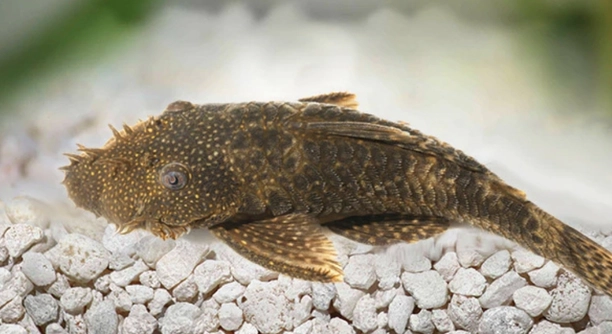
Is your pleco acting strange or spending too much time hiding in one spot? Are you starting to feel a bit worried? Noticing odd behavior can be stressful, especially when you’re not sure what’s going on.
The most common signs that your pleco is in trouble include sudden changes in behavior, loss of appetite, faded coloration, labored breathing, and clamped fins. These symptoms often signal stress, poor water quality, or underlying health issues.
Learning to spot early warning signs can help you respond quickly and support your pleco’s health before things get worse.
Unusual Hiding and Reduced Movement
When plecos stop exploring or stay in one spot for too long, it’s often a sign that something isn’t right. These fish are naturally shy, but they should still be active during their usual hours, especially at night. If your pleco starts hiding more than usual or avoids swimming around the tank, it may be reacting to stress, discomfort, or poor tank conditions. High ammonia levels, incorrect water temperature, or aggressive tank mates can make them feel unsafe. Observing their movement patterns regularly helps catch changes early. A healthy pleco will glide along surfaces, forage for food, and change spots from time to time. If yours isn’t doing that, don’t ignore it. Make sure your filter is working properly, check the water parameters, and review any recent changes to their environment. Reduced movement often means it’s time to inspect the tank setup carefully and consider if anything has changed recently that could affect your fish.
Frequent hiding and reduced activity may also lead to decreased feeding, making the problem worse if not addressed quickly.
Look for signs like pale coloration or weight loss when your pleco isn’t moving much. These can indicate long-term stress or illness needing attention.
Changes in Color and Appearance
Color changes in plecos are common when they feel stressed or unwell.
A healthy pleco usually has consistent, deep coloration, whether it’s brown, gray, or patterned. If your pleco starts looking washed out, spotty, or unusually dark, it might be reacting to its surroundings or facing health issues. Stress from poor water conditions, bullying from tank mates, or inadequate diet can cause color shifts. Even lighting and substrate can affect how vibrant your pleco appears. In some cases, color loss can also suggest infections or parasites, especially if paired with other signs like scratching against surfaces or clamped fins. If you notice a sudden change, test your water immediately—look at ammonia, nitrites, nitrates, and pH. Check for sharp temperature drops or spikes too. Diet also plays a key role in maintaining color, so make sure your pleco is getting enough variety, including vegetables and algae wafers. These changes often don’t happen overnight, so catching them early can prevent more serious issues.
Loss of Appetite
Loss of appetite in plecos can be subtle at first but often signals a problem. If you notice uneaten food or see your pleco avoiding algae or veggies, something may be off. A healthy pleco will feed regularly, especially at night when it feels more comfortable.
Sometimes plecos stop eating due to stress, poor water quality, or illness. If your fish is ignoring its usual food or looks uninterested during feeding times, it’s important to check the tank conditions. Make sure the water parameters are stable, and the temperature is within their preferred range. A dirty tank or an overcrowded setup can also cause stress and impact appetite. Try offering different food types, like sinking algae wafers, blanched zucchini, or cucumber, to see if the pleco responds. When a pleco isn’t eating for more than a few days, that’s a strong sign that something in its environment needs attention.
If food is left in the tank too long, it can also impact water quality, making the problem worse. Plecos need a balanced diet to stay healthy—if your fish is not eating consistently, it could lead to long-term health issues. Monitor its body shape for signs of weight loss or sunken areas, especially around the belly or head.
Erratic Swimming or Floating
Erratic swimming or floating oddly often means your pleco is in distress. This can include swimming upside down, floating sideways, or darting suddenly without reason. These movements usually come from internal issues or environmental stress.
One common cause of erratic swimming is poor water conditions, especially ammonia spikes or low oxygen levels. When plecos are exposed to toxins or oxygen stress, they may struggle to control their movement. Another possible issue is swim bladder problems, which can affect balance. Swim bladder disorders can happen due to overfeeding, constipation, or infection. You might see the pleco stuck at the surface or sinking to the bottom, unable to move normally. Sometimes it may rest awkwardly on its side. Check your tank’s filtration, increase aeration, and perform a partial water change if needed. Also, stop feeding for a day or two, then offer fiber-rich foods like blanched peas. If nothing improves, a vet may need to assess the issue.
Labored Breathing or Gasping
If your pleco is breathing heavily or gasping near the surface, it may not be getting enough oxygen. This can happen when the water has low oxygen levels, often caused by poor circulation or high temperatures.
Labored breathing may also point to toxins in the water, like ammonia or nitrite.
Clamped Fins and Rigid Posture
When plecos hold their fins tightly against their body or appear stiff, it’s often a reaction to stress or discomfort. This can be caused by poor water conditions, injury, or early signs of illness. Healthy plecos keep their fins relaxed and open, especially when they’re resting or grazing.
Clamped fins are not always obvious, especially in darker tanks or with long-finned pleco types. Watch closely during feeding time or when the pleco is resting. If this behavior continues for more than a day or two, test the water and check for sharp tank decor that might have caused injury. Treating the water with aquarium salt (if safe for your pleco species) or using a stress coat product may help with healing. Always quarantine new tank mates to avoid spreading diseases. Quick attention to fin behavior can prevent a mild issue from turning into a serious health problem.
Skin Damage or Odd Marks
Marks, scrapes, or peeling skin are signs your pleco might be getting hurt or sick. Rough decor, fighting, or infections can cause this. Keep an eye out for white patches or redness.
FAQ
How can I tell if my pleco is stressed?
Stress in plecos can be hard to detect at first, but common signs include sudden hiding, changes in eating habits, and erratic swimming. If your pleco becomes inactive, especially for long periods, it could be stressed. Poor water quality, bullying by other fish, or changes in tank conditions often cause this. Checking the water parameters regularly and observing any environmental changes can help pinpoint stress sources. If your pleco’s behavior doesn’t improve after addressing potential stressors, it might be time to consult an expert.
What is the ideal water temperature for a pleco?
Most plecos prefer water temperatures between 72°F and 82°F (22°C – 28°C). Water that’s too cold or too warm can cause them stress, weakening their immune system and making them more susceptible to illness. Keep the temperature stable, as sudden fluctuations can cause health problems. Make sure your aquarium heater is working well and always monitor the temperature regularly with a reliable thermometer.
Why is my pleco swimming upside down or sideways?
Swimming upside down or sideways could indicate a swim bladder issue, which may result from constipation, overfeeding, or infection. Other causes include stress or poor water quality. If your pleco behaves unusually, check your water parameters first, and ensure they’re within the recommended levels. If necessary, fast the pleco for a couple of days and try feeding it blanched peas or another high-fiber food to help with digestion. If the issue persists, a visit to a vet may be required.
Is it normal for a pleco to stop eating?
It’s not unusual for plecos to lose their appetite occasionally, especially when adjusting to a new environment or after a tank change. However, prolonged loss of appetite is a concern. Make sure the water is clean and the tank conditions are optimal. If the pleco still refuses food, check for any signs of illness like bloating or discolored skin. Offering a variety of food like algae wafers, veggies, or sinking pellets may encourage eating. If the problem persists for more than a few days, consider consulting a veterinarian.
Can I feed my pleco only algae wafers?
Algae wafers are an important part of a pleco’s diet, but they should not be the only food source. Plecos need a balanced diet, which includes vegetables like zucchini, cucumber, and spinach, as well as protein from sinking pellets or other plant-based options. A varied diet ensures that they get all the necessary nutrients for their health and longevity. Overreliance on algae wafers alone can lead to nutritional deficiencies.
How often should I feed my pleco?
Feeding frequency for plecos depends on their age and size. Young plecos or those in the growth phase can be fed once or twice a day. Adult plecos usually do well with one feeding every day or every other day. Keep in mind that plecos are bottom feeders and will eat leftovers or algae in the tank, so don’t overfeed. Overfeeding can lead to poor water quality and health issues for your pleco. Make sure to remove uneaten food after a few hours to avoid waste build-up.
Why is my pleco scraping its body on tank decorations?
If your pleco is scraping its body on tank decorations, it might be trying to relieve itching caused by parasites or irritation. This could be due to poor water quality or external parasites like ich or velvet. Another possible reason is rough edges on the tank decorations, which could be scraping the pleco’s skin. Make sure your tank decor is smooth, and check your pleco for any signs of parasites, such as white spots or fuzzy growths. If the behavior continues, a salt bath or appropriate medication may be needed.
How can I tell if my pleco is sick?
Sick plecos often show a variety of symptoms like faded coloration, lethargy, changes in behavior, or physical signs such as lesions or bloating. If your pleco is exhibiting abnormal swimming, clamped fins, or labored breathing, it’s time to check the water quality and investigate further. Unexplained weight loss, loss of appetite, and skin abnormalities like redness or patches are also clear indicators that something is wrong. In these cases, removing the pleco from the main tank to quarantine it might be a good idea to prevent the spread of any potential illness.
Can plecos live with other fish?
Yes, plecos are generally peaceful and can live with many other types of fish, especially bottom-dwelling or middle-water species. However, they should not be kept with aggressive or fin-nipping fish. Additionally, some plecos can grow quite large, so make sure your tank has enough space to accommodate their needs. When introducing new tank mates, ensure there is plenty of hiding space, as plecos are naturally shy and may need a place to retreat. Proper research about tank compatibility will help create a peaceful and balanced aquarium environment.
How long do plecos live?
With proper care, plecos can live anywhere from 10 to 15 years, with some species reaching even 20 years in the right conditions. Maintaining clean water, providing a varied diet, and keeping the tank environment stable will contribute to a long, healthy life for your pleco. As plecos grow, they may require larger tanks, so be prepared for their changing needs. Regular water testing and maintenance will help ensure their health throughout their lifespan.
Final Thoughts
Taking care of a pleco requires paying close attention to their behavior and environment. These fish are generally hardy but can be sensitive to changes in water quality, temperature, and tank mates. By watching for warning signs like loss of appetite, erratic swimming, or changes in appearance, you can catch issues early and take steps to help them recover. If you notice anything unusual, it’s important to act quickly and address the problem before it becomes serious.
Keeping your pleco healthy isn’t just about maintaining the right water conditions. It also involves providing a balanced diet and enough space to thrive. Plecos need a variety of foods to stay healthy, and a proper tank setup with plenty of hiding spots and surface area for grazing is essential. Regularly checking water parameters like pH, ammonia, nitrite, and nitrate levels can help you prevent many common health issues. Monitoring their behavior and physical condition can give you clues about their health and alert you to problems before they worsen.
Remember, the key to a long and healthy life for your pleco lies in prevention and maintenance. Routine care and consistent monitoring will ensure your pleco remains active and happy. If you ever feel unsure about your pleco’s condition, consulting an aquarium professional or vet who specializes in fish can provide additional insight. By staying on top of their needs, you can help your pleco live a healthy and fulfilling life.

Hello,
If you enjoy the content that we create, please consider saying a "Thank You!" by leaving a tip.
Every little bit helps us continue crafting quality advice that supports the health, happiness, and well-being of pets around the world, for pets of all shapes, sizes, and species.
We really appreciate the kindness and support that you show us!