
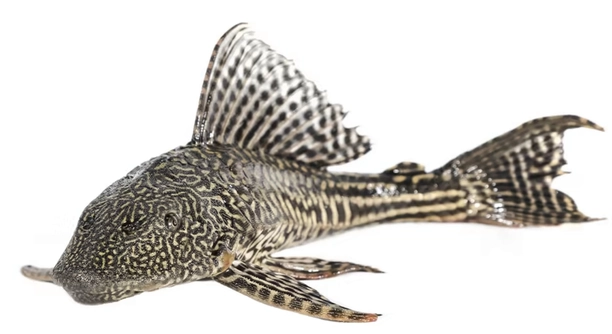
Is your pleco acting differently, and you’re wondering if it’s being bullied by tank mates? Observing how your pleco interacts with other fish can reveal signs of stress or discomfort, signaling potential bullying.
The most common signs of bullying in plecos are physical injuries, hiding behavior, and changes in feeding habits. If your pleco is being intimidated by other fish, it may experience stress that affects its overall well-being.
Understanding these signs and taking action can improve your pleco’s quality of life. Proper adjustments to the tank environment may help restore balance and reduce bullying behaviors.
Common Signs of Pleco Bullying
When a pleco is being bullied, there are a few noticeable changes in its behavior. For example, it may hide more than usual or stay in corners of the tank. This is often a sign of stress. In severe cases, your pleco could develop physical injuries such as fin damage. Bullying can also affect its feeding habits, making it eat less or act more timid around other fish.
If you notice your pleco avoiding certain areas of the tank, it’s important to observe its interactions with other fish. Plecos, especially when stressed, might retreat to caves or plants to avoid aggressive tank mates. Over time, this behavior can weaken their immune system, making them more prone to illness.
Additionally, a pleco that has been bullied may become skittish when approached. If this is the case, the bullying fish are likely threatening or chasing it. Tankmates such as territorial cichlids, aggressive barbs, or overly active species may instigate this behavior. The lack of space in the tank can also contribute to stress, causing your pleco to hide more frequently.
How to Prevent Bullying
Preventing bullying requires taking several factors into account, including tank size, species compatibility, and hiding spots. First, ensure your pleco has enough space. Crowded tanks create stress and increase the likelihood of aggression.
Adding more hiding spots for your pleco will help reduce stress. Use rocks, caves, and plants to create areas where your pleco can retreat if it feels threatened. Increasing the number of hiding places will allow your pleco to find a safe space away from aggressive tankmates.
Lastly, ensure that you have compatible fish species in your tank. Avoid mixing highly territorial species with more peaceful ones. If possible, separate the aggressive fish from your pleco, either by using a divider or relocating them to a different tank. By providing a safe, comfortable environment, you can help prevent bullying and maintain a healthier tank.
Tank Setup for a Peaceful Pleco
A well-arranged tank can make all the difference in preventing pleco bullying. Plecos need plenty of space to feel secure. Ensure your tank has enough room for swimming and hiding. A crowded tank increases stress and triggers territorial behaviors from other fish.
Adding plants, caves, and driftwood helps provide hiding spots where your pleco can retreat when it feels threatened. These elements mimic natural environments, offering comfort and security. The more spaces available, the better your pleco will be able to avoid aggressive tank mates. Tank dividers can also be helpful for creating peace between fish that don’t get along.
Consider the type of substrate you use in the tank as well. Soft, fine substrates are ideal for plecos, as rough ones can damage their delicate undersides. Sand or smooth gravel are good choices. A properly set-up tank not only reduces bullying but also supports the overall health of all fish.
Correct Tank Mates for Your Pleco
When choosing tank mates for your pleco, select peaceful fish that won’t compete for space or food. Species like tetras, peaceful barbs, or guppies can cohabit well with plecos. Avoid aggressive fish such as cichlids or large predatory species, as they may intimidate or harass your pleco.
Compatibility is key in ensuring a calm environment. Fish that are too active or territorial can stress out your pleco, leading to bullying. Opt for species that prefer the same water parameters, as plecos are sensitive to changes in water quality. A harmonious tank environment encourages peaceful interactions among all fish.
If you notice aggression from a specific tank mate, it may be necessary to relocate that fish or rearrange the tank to minimize confrontations. Understanding the behavior of each species and their specific needs is essential in creating a peaceful environment for your pleco.
Adjusting Feeding Habits
Feeding times can be a source of tension in the tank. If your pleco isn’t getting enough food, it might feel more vulnerable and stressed. Ensure your pleco has enough time to eat, especially if other fish are more aggressive at feeding time.
Consider offering food at different times or in separate areas to prevent bullying during meals. Plecos are bottom dwellers, so placing food at the bottom ensures they have access. Using sinking pellets or algae wafers will help ensure they’re getting the right nutrition without competition from faster fish.
Observing Pleco Behavior
Regularly observe your pleco’s behavior to detect any signs of bullying. Look for hiding behavior, loss of appetite, or physical injuries. If these signs appear, consider rearranging the tank to reduce stress or moving aggressive tank mates.
Monitor your pleco’s interaction with other fish during feeding and swimming. Keeping track of changes can help identify problem areas early.
Stress Reduction Techniques
Stress can be minimized by maintaining stable water parameters. Ensure the water temperature, pH, and hardness match the needs of your pleco. Stress from fluctuating water conditions can increase the likelihood of aggression.
Regular water changes and filtration maintenance are crucial. A clean environment helps reduce stress and supports overall fish health.
FAQ
What are the signs that my pleco is being bullied?
The most common signs that your pleco is being bullied include hiding more frequently, physical injuries, and changes in eating behavior. If your pleco suddenly becomes shy or stops eating, it’s likely being intimidated by other fish in the tank. Physical injuries, such as torn fins or scratches, are also strong indicators of bullying. A stressed pleco might try to escape aggression by retreating to corners or behind decorations. Pay attention to these changes and act quickly to prevent long-term harm.
How can I stop other fish from bullying my pleco?
To stop bullying, you need to address both the environment and the tank mates. First, ensure there are plenty of hiding spots and caves where your pleco can retreat. Rearranging the tank can disrupt territorial behavior. Adding more plants and driftwood can also provide more refuge for your pleco. Additionally, separating aggressive fish or moving them to a different tank can immediately resolve bullying. You might also try feeding your pleco separately by placing food at the bottom to reduce competition.
Can I add new fish without stressing my pleco further?
Introducing new fish should be done with caution. If you add fish that are too aggressive or territorial, it can stress your pleco. Before adding any new tank mates, research the species to ensure they’re compatible. Try adding peaceful species that won’t compete for resources or intimidate your pleco. It’s also important to quarantine new fish for a couple of weeks to prevent the spread of disease. Introduce new fish slowly and observe how they interact with your pleco to ensure it feels safe.
Should I remove aggressive fish from the tank?
If a fish is showing aggression towards your pleco, removal is often the best option. Aggressive species can cause ongoing stress and harm to your pleco. Relocating the aggressive fish to another tank or adding a tank divider will give your pleco space to thrive. Keep an eye on how the tank dynamics change and be prepared to move other fish if necessary. Removing aggressive fish ensures a peaceful environment, benefiting all tank inhabitants.
How much space does a pleco need to avoid bullying?
Plecos require a decent amount of space to feel secure. A minimum of a 30-gallon tank is recommended for a single pleco, though larger is always better. Crowded tanks increase stress levels and make bullying more likely, so ensure there is enough room for all fish. When the tank is overstocked, fish become more territorial, and your pleco may become a target. The more space, the better the chance for peaceful interactions among all fish.
Can plecos live with other plecos?
Plecos can live with other plecos if the tank is large enough and if the species are compatible. In smaller tanks, multiple plecos may become territorial and aggressive towards each other. It’s best to keep only one pleco per tank unless you have a very large tank with plenty of hiding spots. Even in large tanks, it’s essential to monitor interactions between plecos to ensure they don’t become aggressive.
Do plecos need a specific diet to prevent stress?
A balanced diet is crucial for your pleco’s health and well-being. Plecos are primarily herbivores, and their diet should consist of algae, vegetables, and sinking pellets. Providing a variety of food options, such as zucchini, spinach, and algae wafers, ensures they get proper nutrition. A well-fed pleco is less likely to be stressed or competitive with other fish. Make sure food is offered at the right time and in a quiet spot to allow your pleco to eat without interference.
How can I help my pleco feel safe in the tank?
Creating a safe space for your pleco involves adding hiding spots and ensuring the water conditions are ideal. Plecos enjoy caves, plants, and driftwood where they can retreat when feeling threatened. Maintaining stable water conditions—like the correct temperature, pH, and hardness—helps keep your pleco comfortable and less stressed. Additionally, reduce aggressive fish and monitor interactions closely. A peaceful environment is key to helping your pleco feel secure.
What kind of water conditions do plecos need?
Plecos prefer warm water, typically between 75°F and 80°F (24°C to 27°C). They also need a neutral to slightly alkaline pH level, around 7.0 to 7.8, and moderately soft to hard water. Regular water changes and a good filtration system are essential for keeping the water clean and healthy. Maintaining consistent water quality reduces stress and prevents illness, allowing your pleco to thrive.
How do I know if my pleco is stressed?
Signs of stress in plecos include hiding more frequently, loss of appetite, or changes in swimming behavior. A stressed pleco may also have faded colors or become more lethargic. If your pleco is constantly hiding behind decorations or staying in one corner of the tank, it’s likely feeling unsafe. Addressing stress early by adjusting tank conditions or removing aggressive fish can help prevent more serious issues.
Final Thoughts
Taking care of a pleco requires attention to its environment and well-being. If your pleco is being bullied, it’s crucial to identify the signs early and take action. Look out for behaviors like hiding, avoiding food, or injuries, which can indicate stress. Creating a peaceful tank setup is essential to help your pleco feel safe and secure. Providing hiding spots with caves, plants, and driftwood can offer your pleco places to retreat when it feels threatened. A tank with enough space for all the fish helps minimize territorial disputes and reduces bullying.
Choosing the right tank mates is just as important as setting up the tank itself. Plecos do well with peaceful fish that won’t compete for food or space. Avoid introducing aggressive species that may intimidate or harm your pleco. Make sure the fish you add share similar water requirements to keep the environment stable. If you notice aggression, don’t hesitate to remove the bully or use a tank divider. Keeping a harmonious environment is key to preventing bullying and ensuring the health of all your fish.
In addition to creating a peaceful environment, maintaining proper water conditions is vital. Plecos thrive in stable water with the right temperature, pH, and hardness. Regular water changes and good filtration help keep the water clean and reduce stress. Feeding your pleco a balanced diet of algae, vegetables, and sinking pellets also supports its health and reduces the likelihood of competition for food. By paying attention to your pleco’s needs and the tank’s dynamics, you can ensure a calm and thriving aquatic home for your fish.

Hello,
If you enjoy the content that we create, please consider saying a "Thank You!" by leaving a tip.
Every little bit helps us continue crafting quality advice that supports the health, happiness, and well-being of pets around the world, for pets of all shapes, sizes, and species.
We really appreciate the kindness and support that you show us!